THE HISTORY
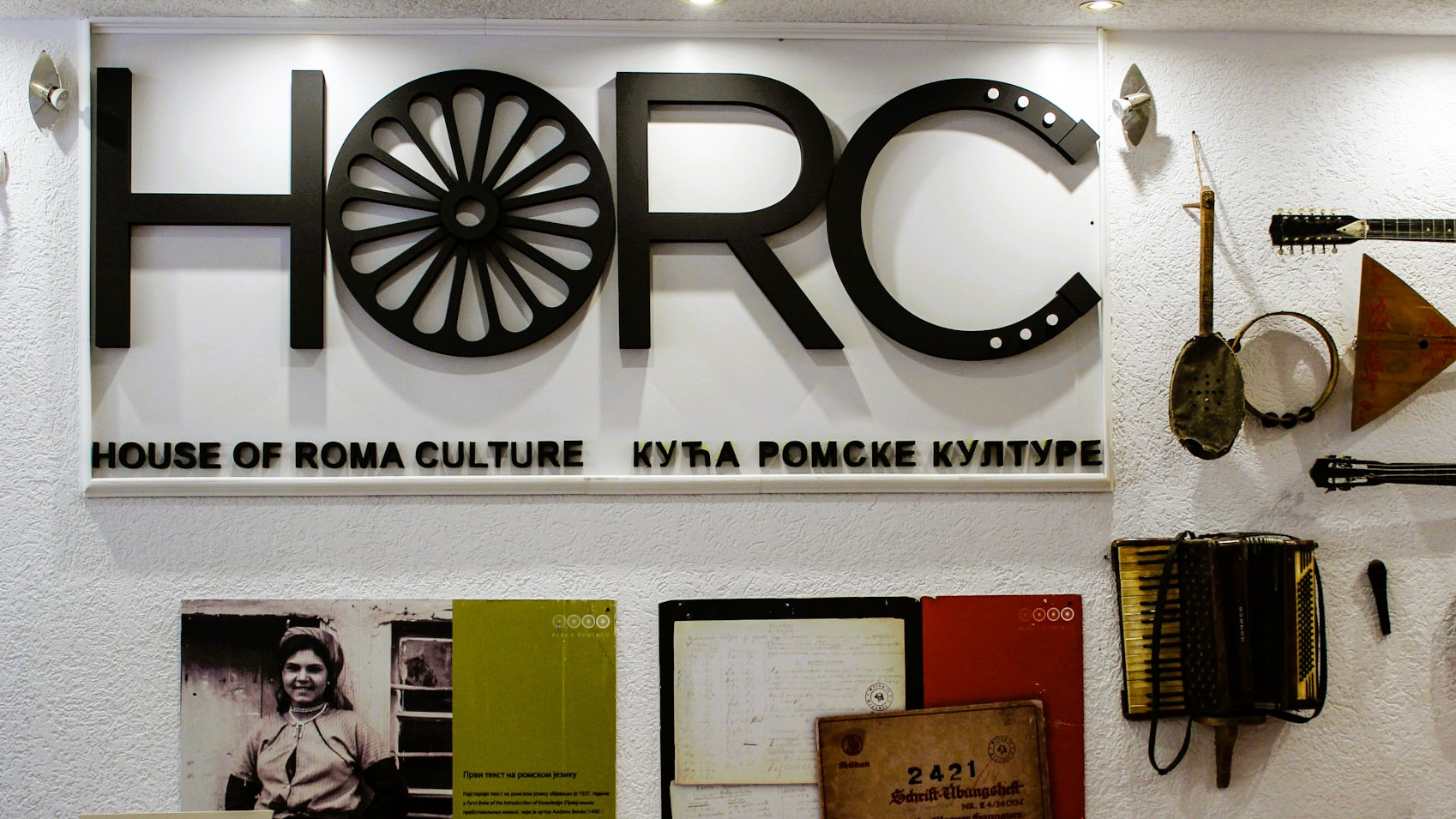
The House of Roma Culture is home to a unique collection dedicated to the history and culture of the Roma in Serbia. It is the result of decades of work by Dr. Dragoljub Acković, a Romani studies scholar, researcher of Roma culture, and founder of the collection, who envisioned it as the foundation of Serbia's first museum dedicated to Roma culture. Although the idea of establishing such a museum dates back to 1997, it was never fully realized. Thanks to Acković's dedication and perseverance, however, the collection has been preserved and is now open to the public as part of the House of Roma Culture.
At the time the collection was being assembled, museums devoted to Roma culture were extremely rare across Europe. Acković's vision went beyond preserving objects and documents. He sought to create a place that would tell the story of Roma history, language, literature, and identity through authentic materials collected over many decades.
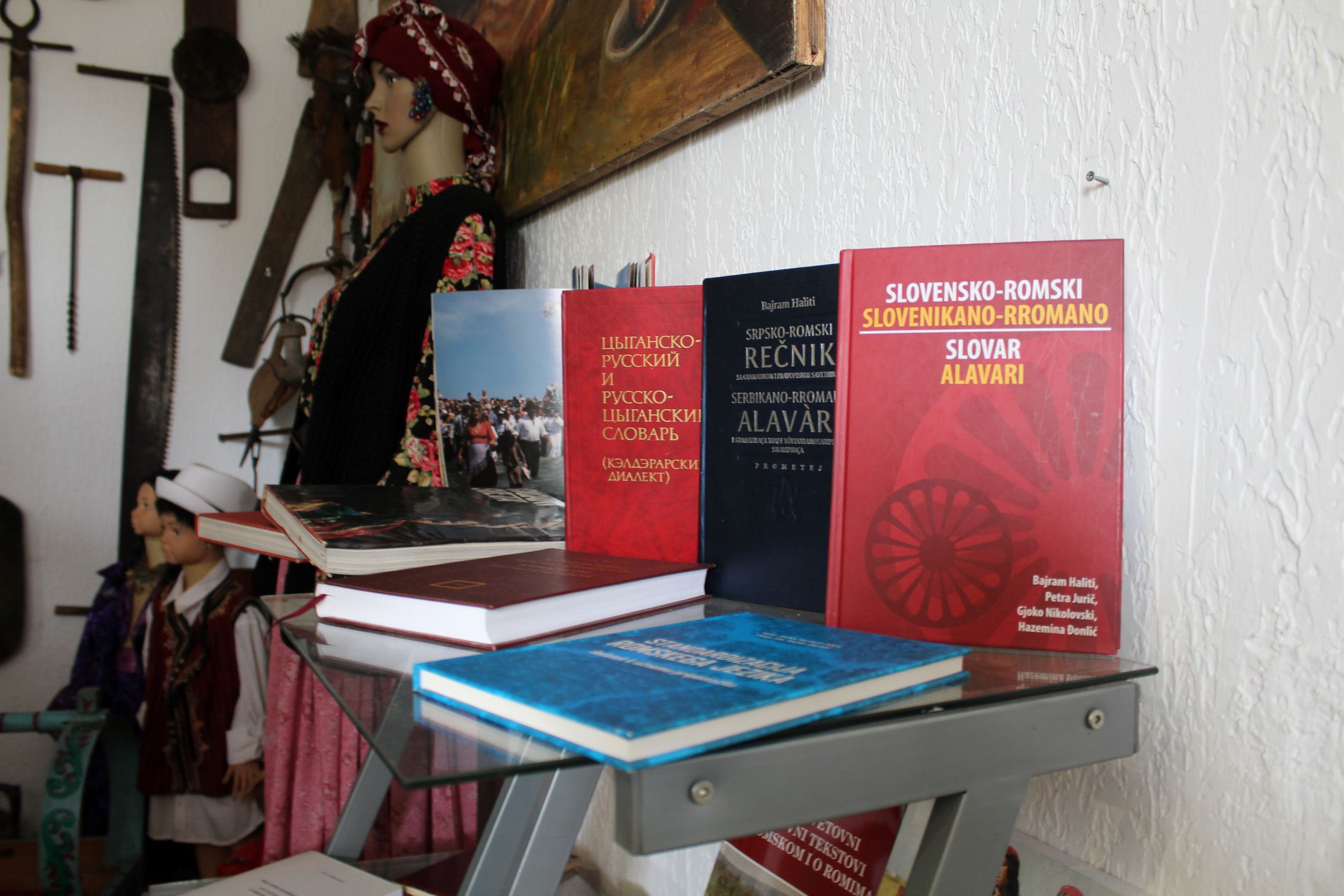
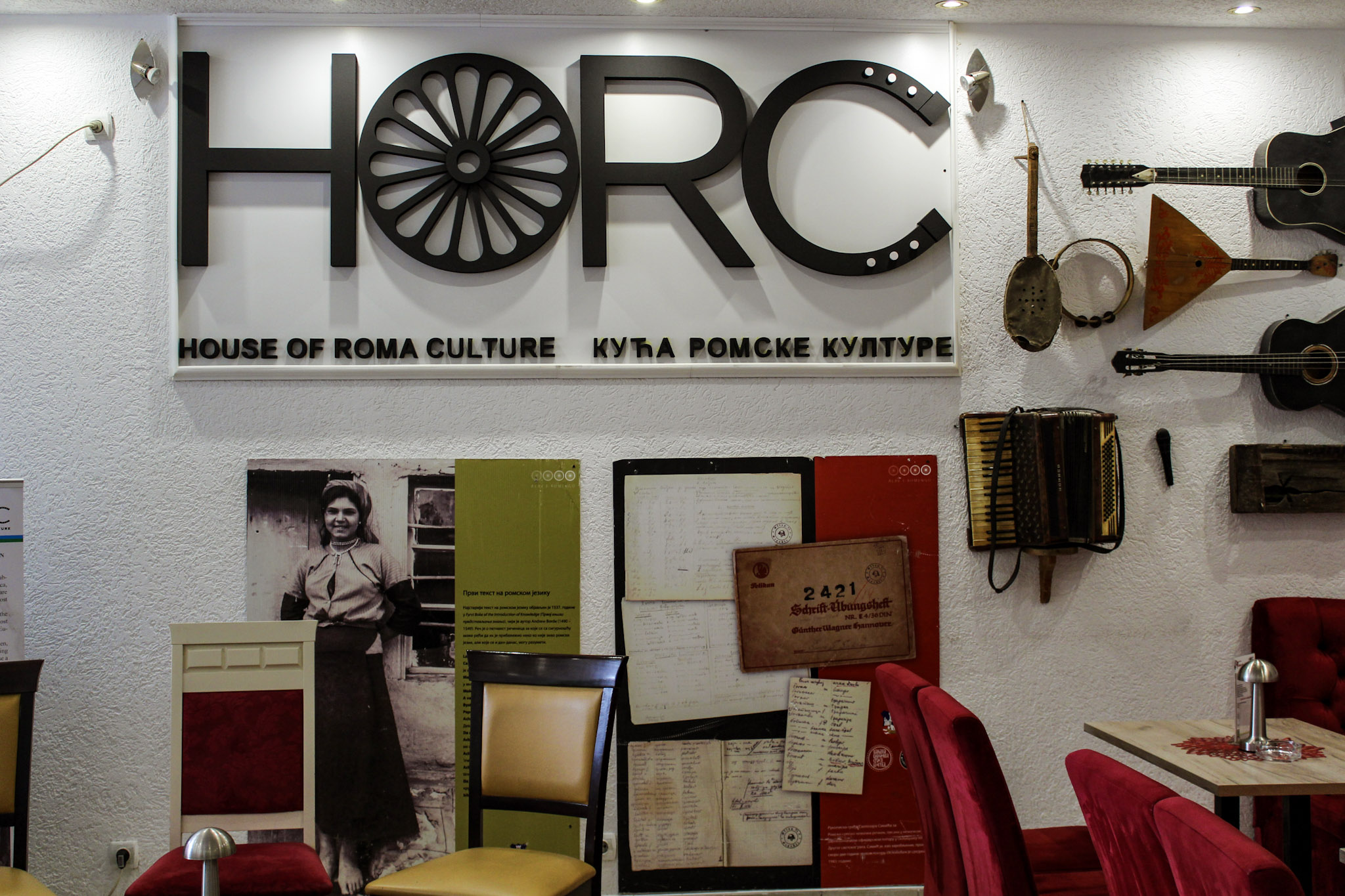
The exhibition space opened on 21 October 2009 with the mission of preserving, researching, and presenting the cultural heritage of the Roma. Its inaugural exhibition, Alav e Romengo (The Word of the Roma), focused on Romani written culture. It featured outstanding examples of Romani literacy, including rare books and publications dating back to the late Middle Ages. Among the collection's most valuable items are editions of the Bible in the Romani language, along with rare books and documents that trace the development of the Romani language, literature, and cultural heritage.
The true significance of the collection lies not only in its exhibits but also in the unique archive that Dragoljub Acković assembled throughout his lifetime. Today, it represents an invaluable resource for the study of Roma history in Serbia.
Over the decades, the collection faced numerous challenges and was repeatedly at risk. One of the most difficult moments came when the premises housing the collection were broken into, resulting in damage to part of the archive and the loss of several items. Despite this, the majority of the collection was preserved and continues to form the core of the House of Roma Culture today.
THE COLLECTION
The exhibition space is modest, covering just over 70 square metres, with room to display only around 300 objects. This represents only a small part of the collection. The House of Roma Culture preserves approximately 3,000 artefacts and documents that tell the story of Roma history and culture. For this reason, plans are underway to create a virtual exhibition that will make a much larger portion of the collection accessible to the public.
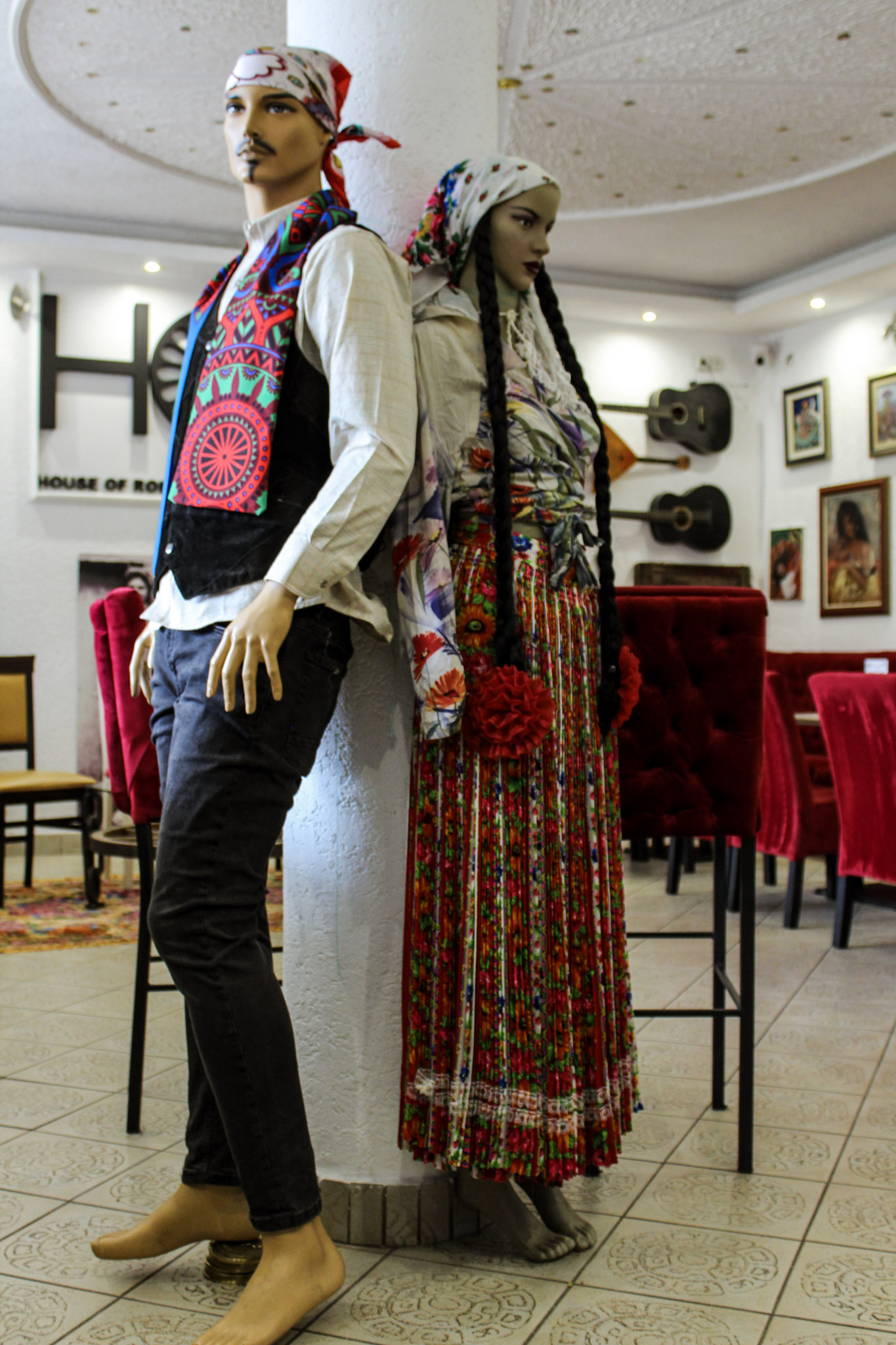
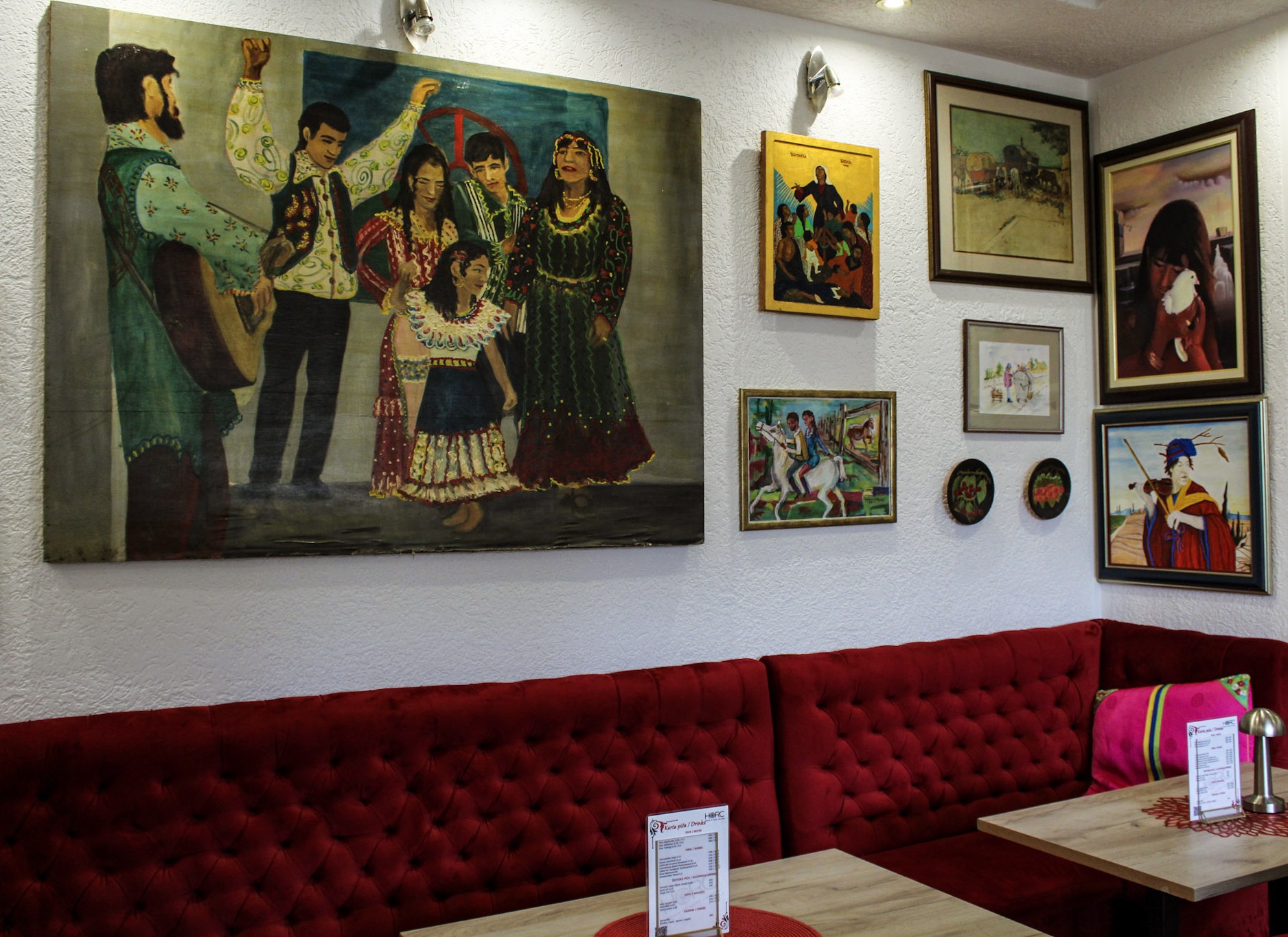
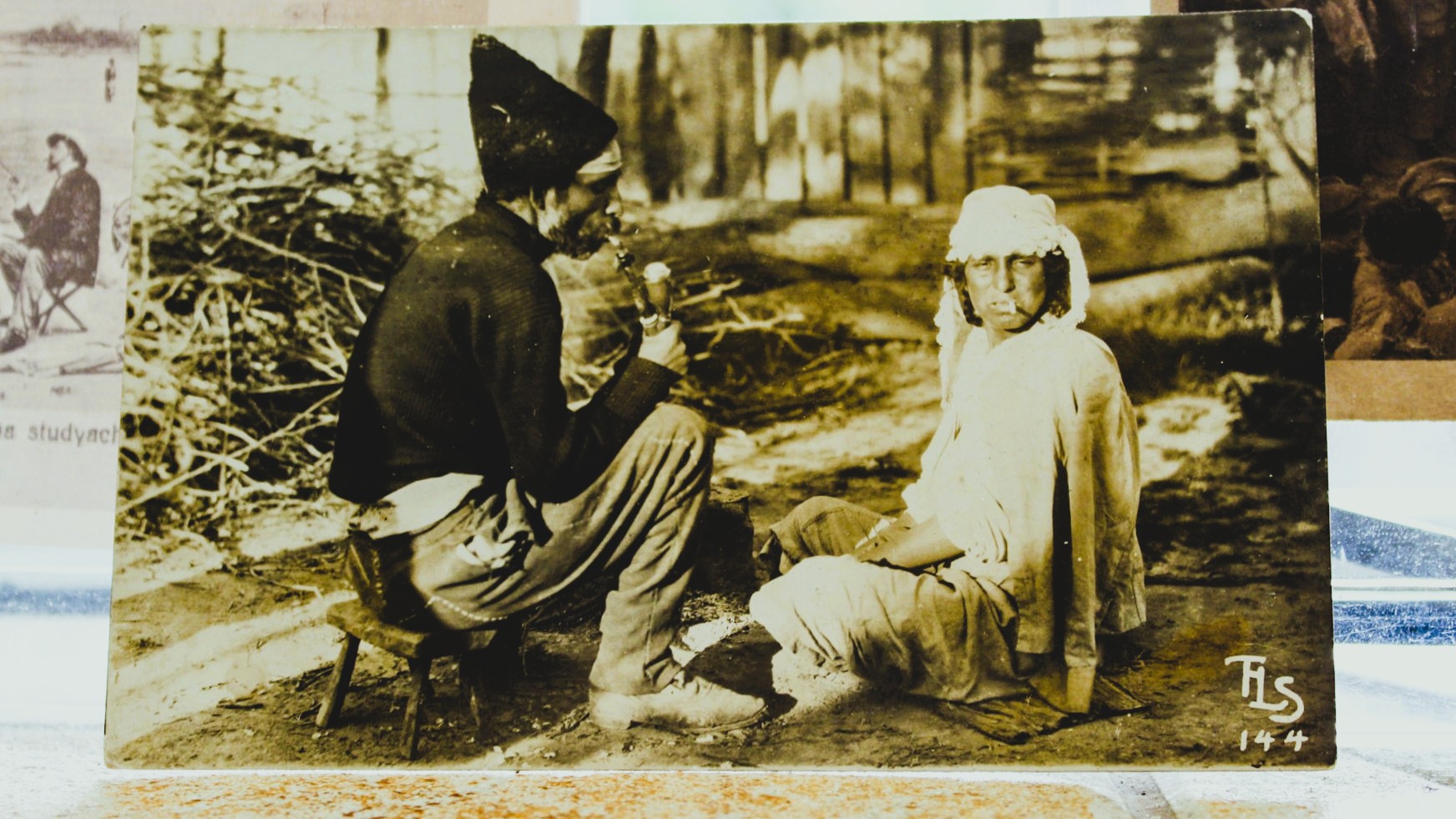
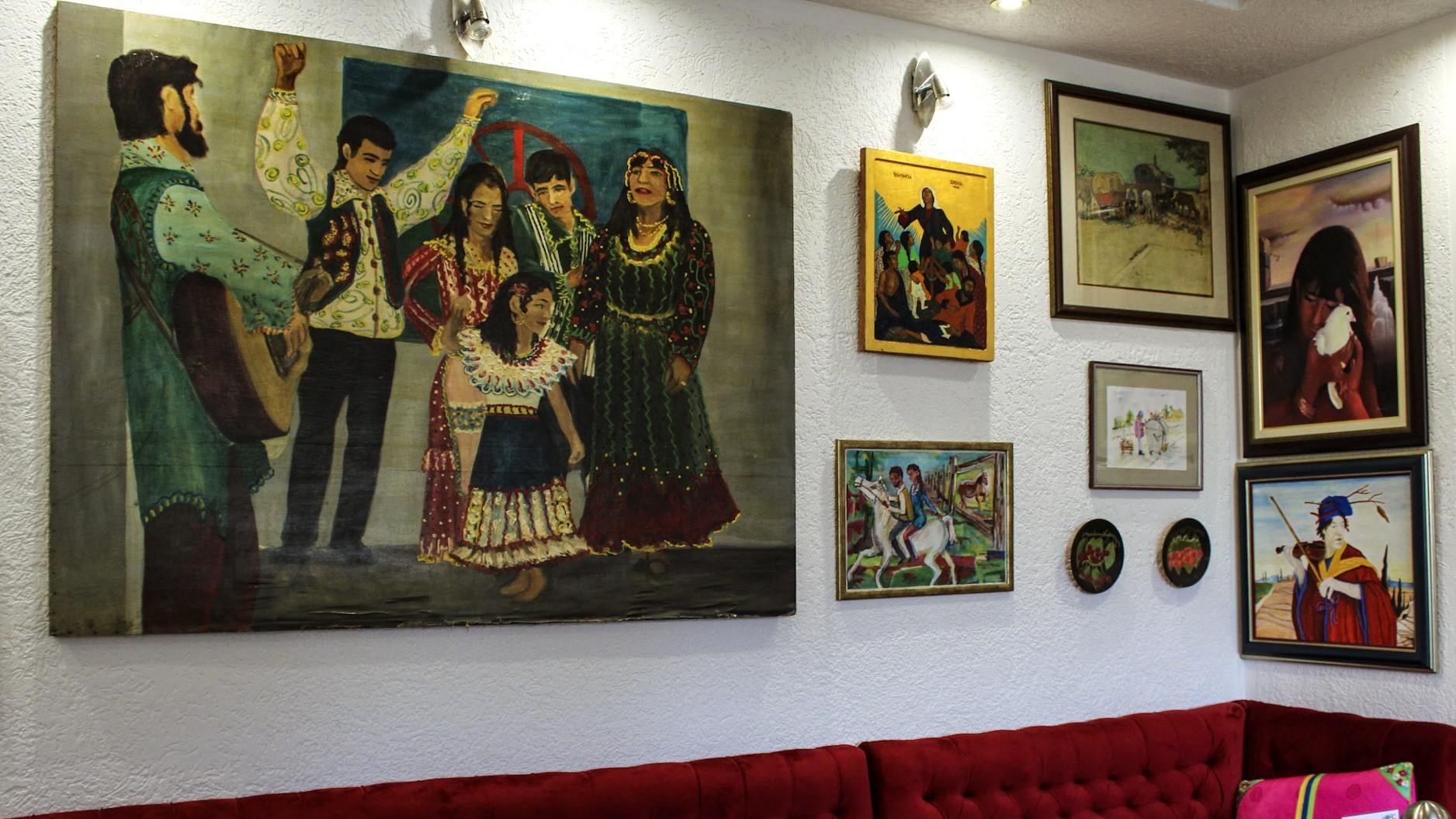
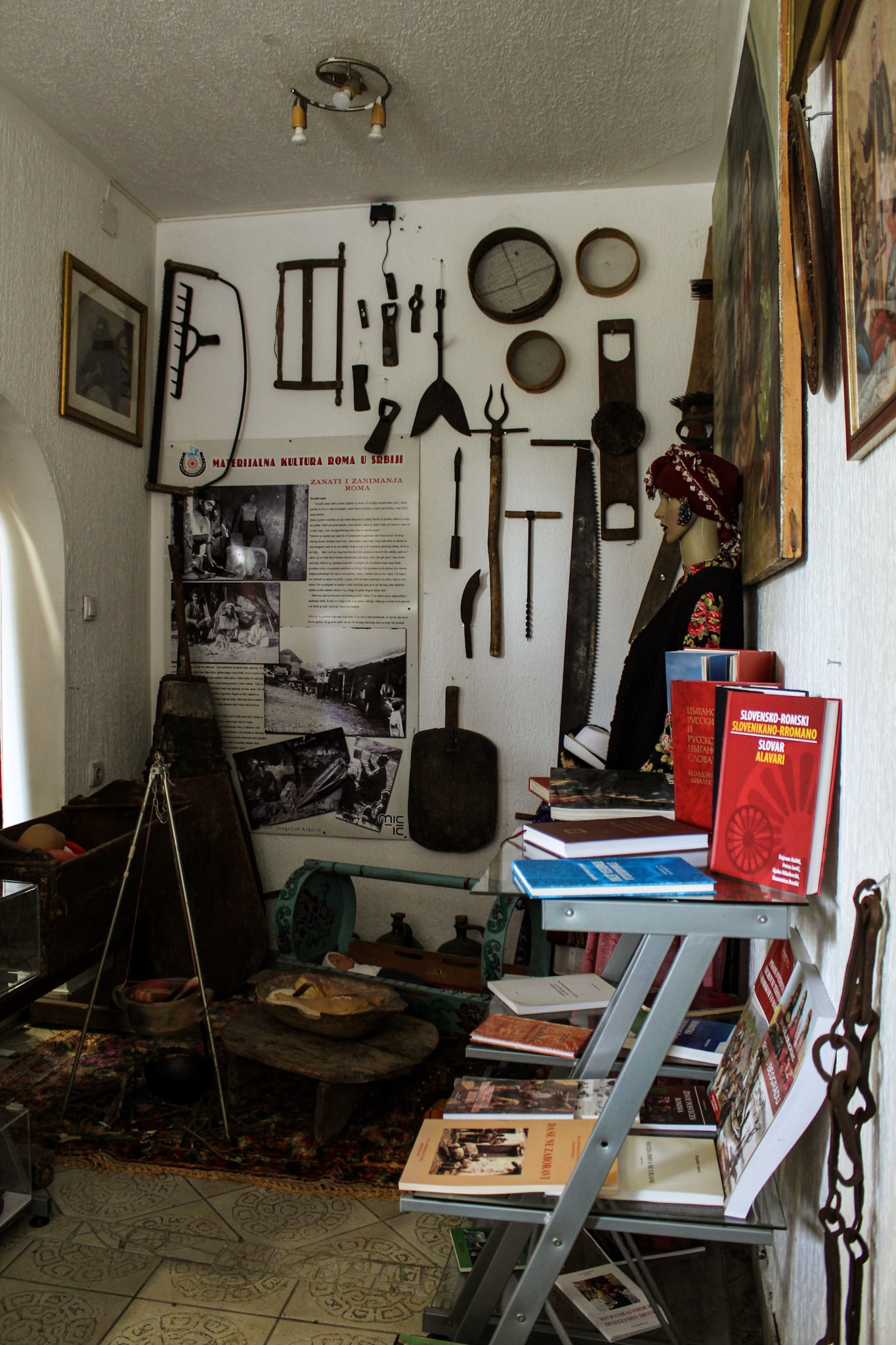
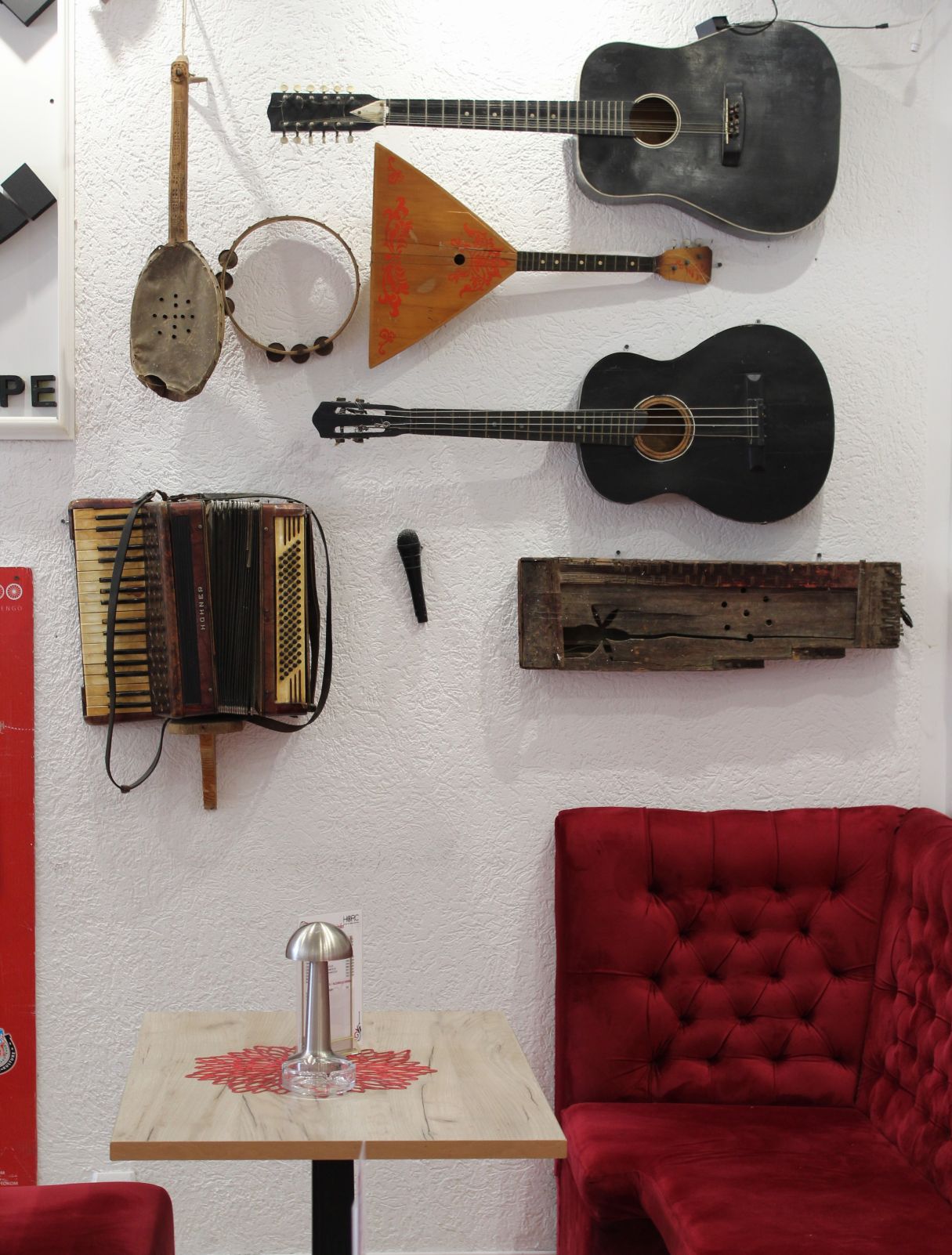
The collection brings together many aspects of Roma history and culture, from everyday life to artistic expression. Visitors can see traditional costumes from different regions, musical instruments, household and craft objects, historic photographs, works of art, archival documents, manuscripts, and rare books. A particularly important section is dedicated to publications in the Romani language, including dictionaries and other works that illustrate the development of Romani literacy. Many of these publications are also available for purchase.
The collection also includes documentation on prominent members of the Roma community and their contributions to culture, the arts, and public life, as well as archival material tracing the history of the Roma in Serbia and across Europe.