THE HISTORY


THE DESIGN
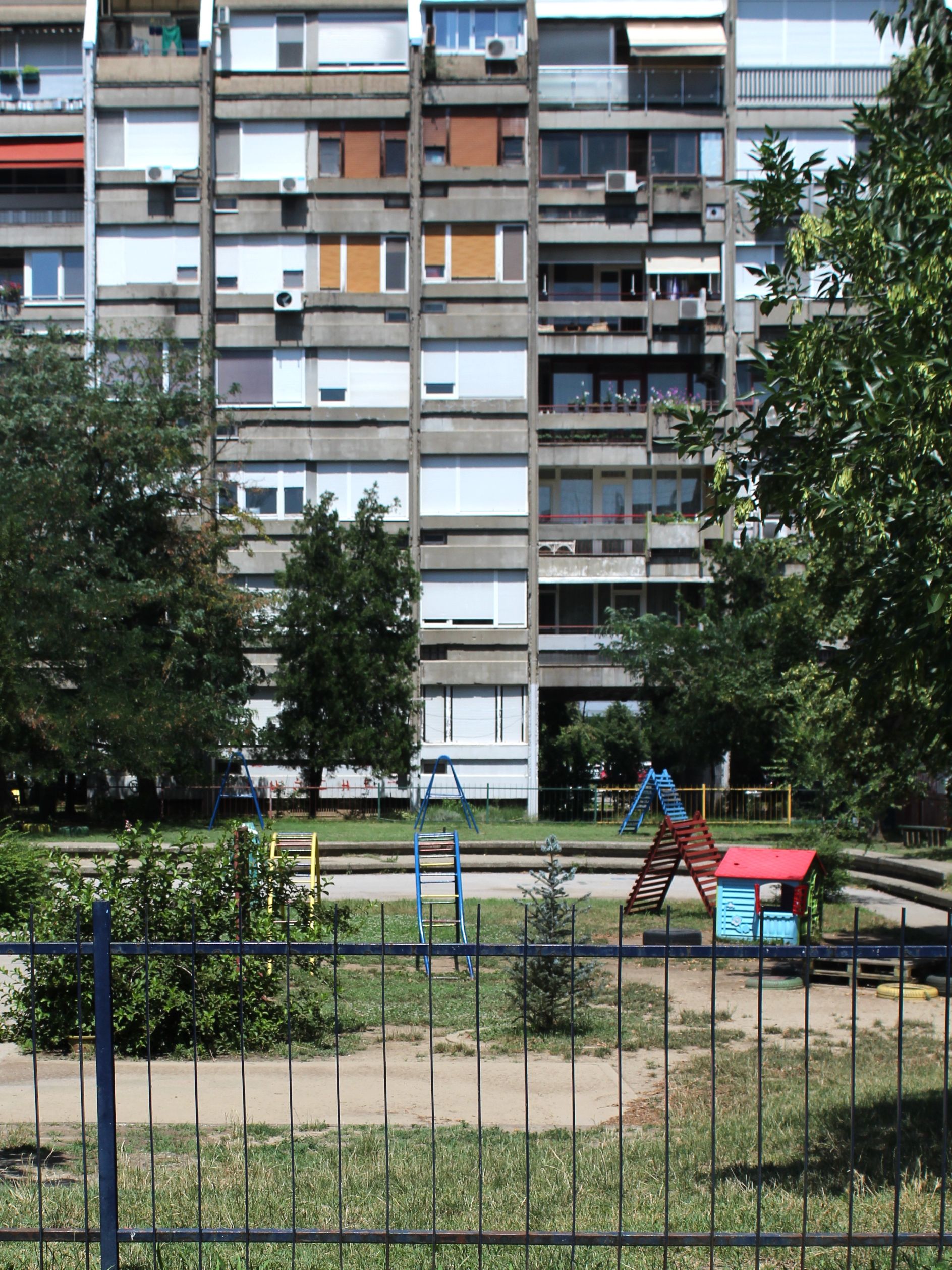
The brutalist aesthetic of the buildings here is beautifully integrated with the green oases, making this block one of the greenest areas of New Belgrade.
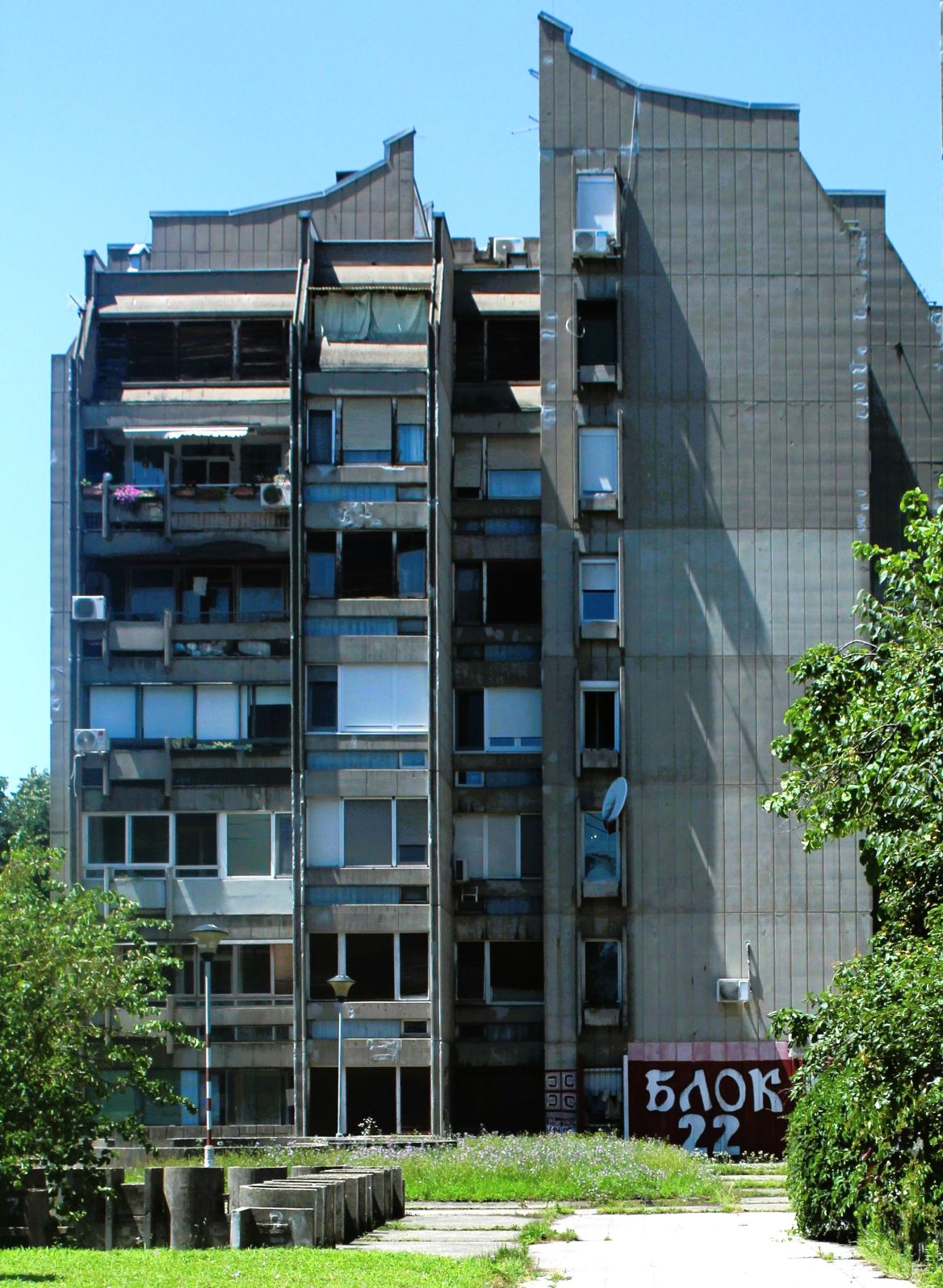
Architectural diversity is reflected in the dynamically designed façades and the varied forms of buildings up to six stories high, while the characteristic broken and asymmetrical roofs further emphasize the expressive volumes.
It is precisely this combination of dynamic concrete masses, human-scale heights, and carefully planned open spaces that ranks Block 22 among the finest brutalist residential complexes in the city.

Block 22 was designed as a functional spatial unit, with a capacity of 1,168 apartments intended for approximately 3,800 residents, as planned in the conceptual design phase.
The block comprises a total of 15 residential buildings: ten six-story high-rises and five six-story horizontal buildings of varying lengths, carefully integrated into the overall layout.
This spatial organization allows for abundant green areas, excellent natural lighting for the apartments, and quality pedestrian connections between buildings, while underground garages and shelters occupy the inter-building spaces.
The apartments in this block were designed in the spirit of the so-called Belgrade School of Architecture, with a focus on functionality and flexible living. Each apartment centers around a centrally positioned kitchen, with the remaining living spaces organized around it. The living room, separated from the dining area by folding doors, creates a fluid, adaptable interior that can accommodate the needs of family life. This spatial arrangement provides both a sense of openness and the possibility of privacy within shared spaces.


The parks and open spaces intended for residents are primarily constructed in concrete but are enhanced with lush greenery. In the older part of the block, dense vegetation dominates, where concrete is harmoniously integrated with conifers and a variety of plant species, creating a pleasant and natural environment. In contrast, the newer part of the block appears more functional but less aesthetically rich.
Red Star football fans have also left their mark here, clearly marking “their territory” with graffiti.