THE HISTORY
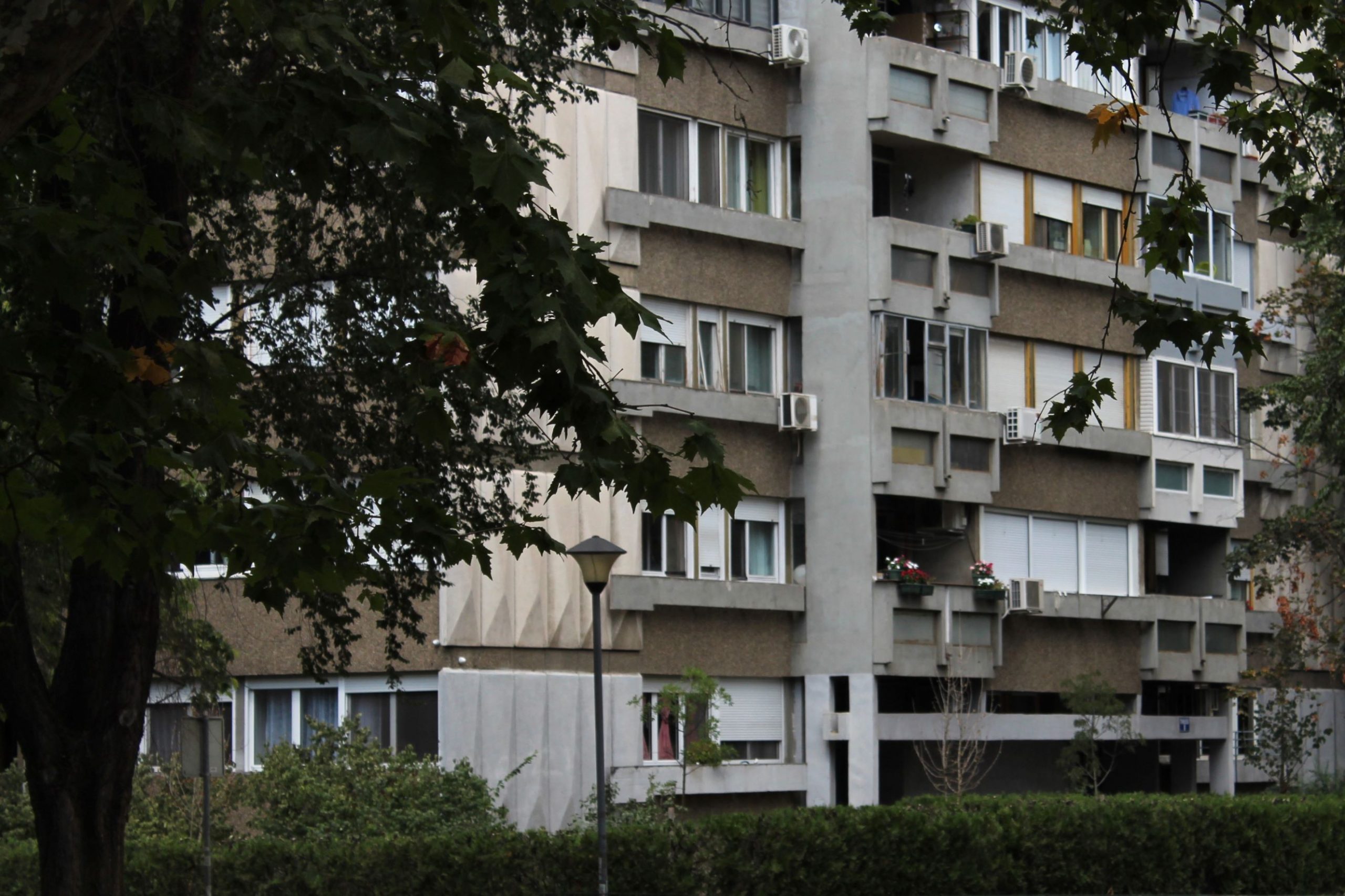
The competition for the construction of the Fourth Regional Center, which included Blocks 9 and 11, was announced in 1965. The conceptual design of the block was created by architect Stojan Maksimović, while the buildings were designed by architects Milan Korolija and Gabor Sivori. This area consists of Blocks 11a, 11b, and 11c. Blocks 11b and 11c are residential, while Block 11a was intended for commercial use as well as for diplomatic offices. Block 11c is divided by Klara Zetkin Street into two parts: the section toward Mihajlo Pupin Boulevard belongs to the municipality of New Belgrade, while the section toward Nikola Tesla Boulevard belongs to the municipality of Zemun.
Construction of Block 11b began first, in 1966, and continued until 1974. Shortly afterward, construction of Block 11c began, continuing into the 1980s in its Zemun portion.
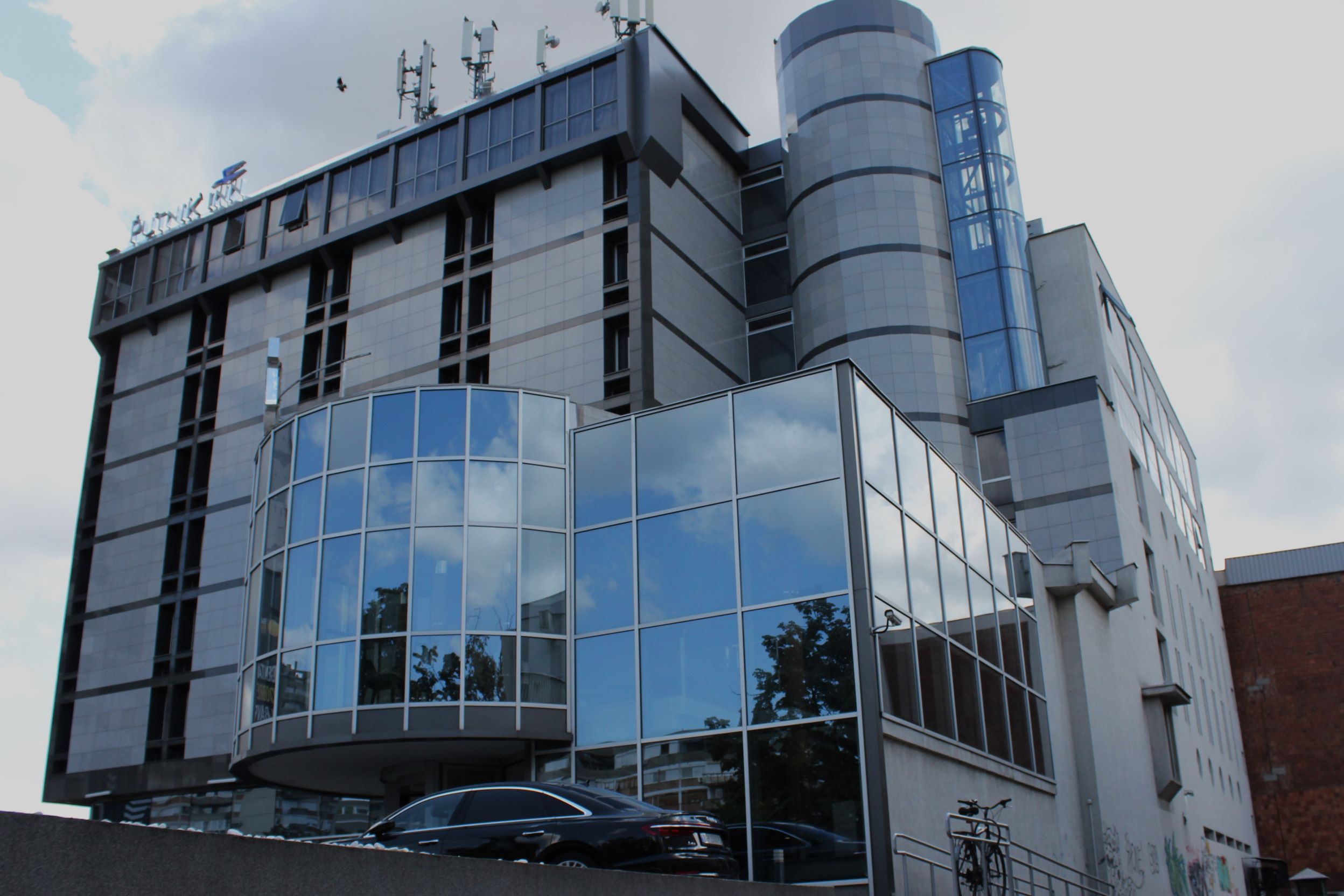
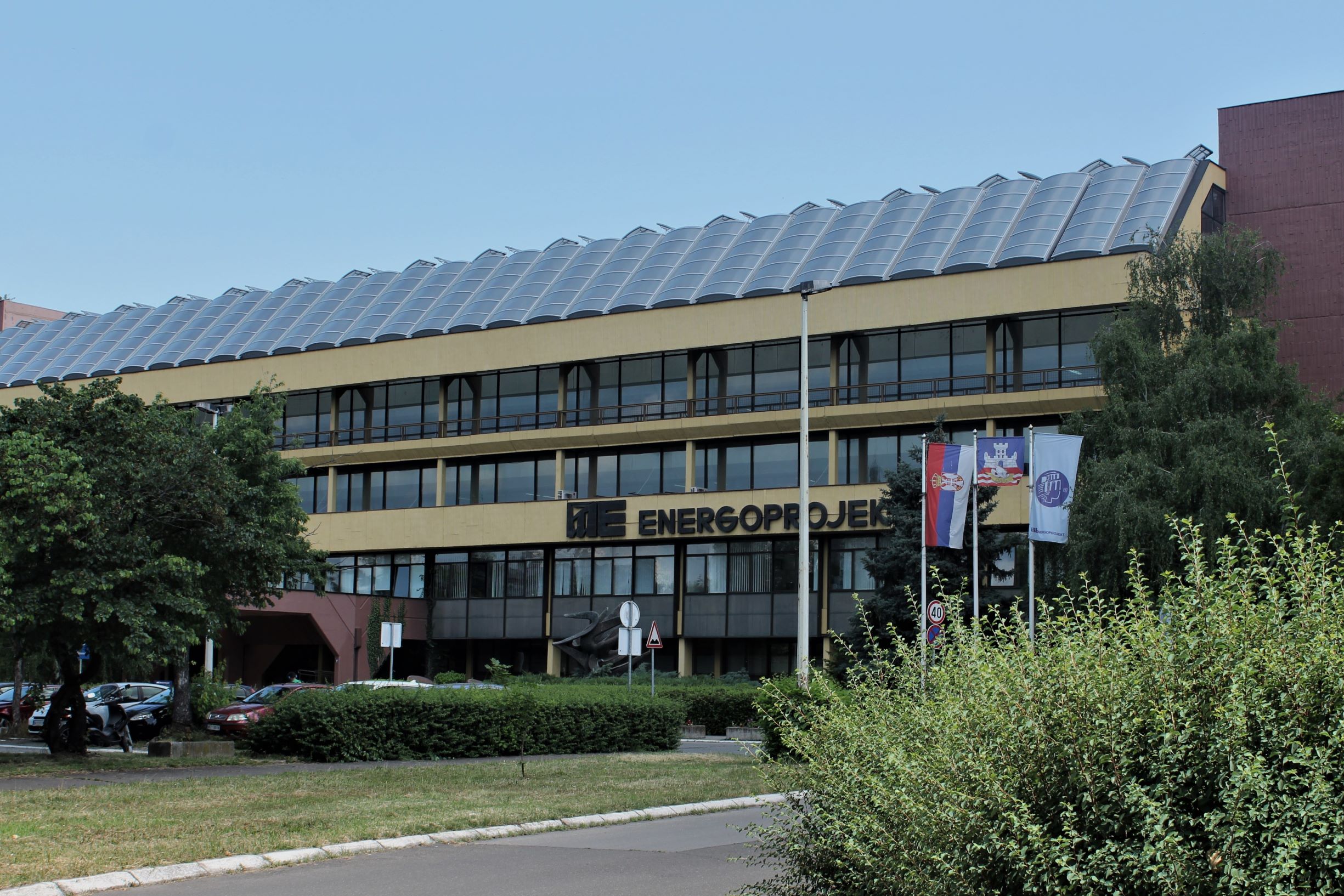
Block 11a received its commercial buildings later, from the 1980s to the present. The Energoprojekt building was the first, built in 1982, designed by architect Aleksandar Keković. The original Chinese Embassy was constructed in 1996 but was destroyed during the 1999 bombing. In its place, the Confucius Chinese Cultural Center was built in 2023. Later, a hotel, office center, and other mixed-use buildings were added. In the same block, a new Japanese Embassy building was opened in 2015, designed by architect Dejan Sokolov.
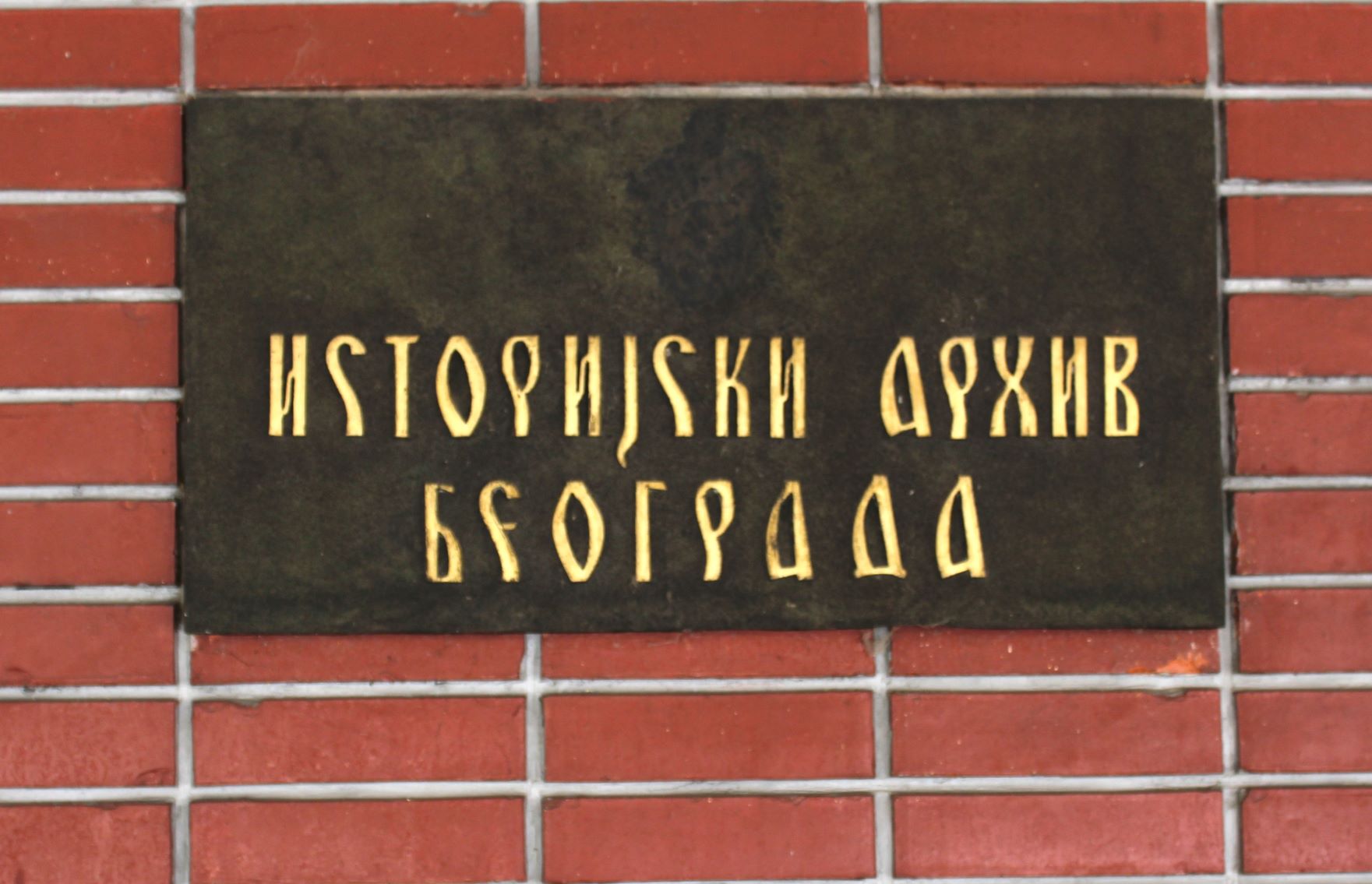
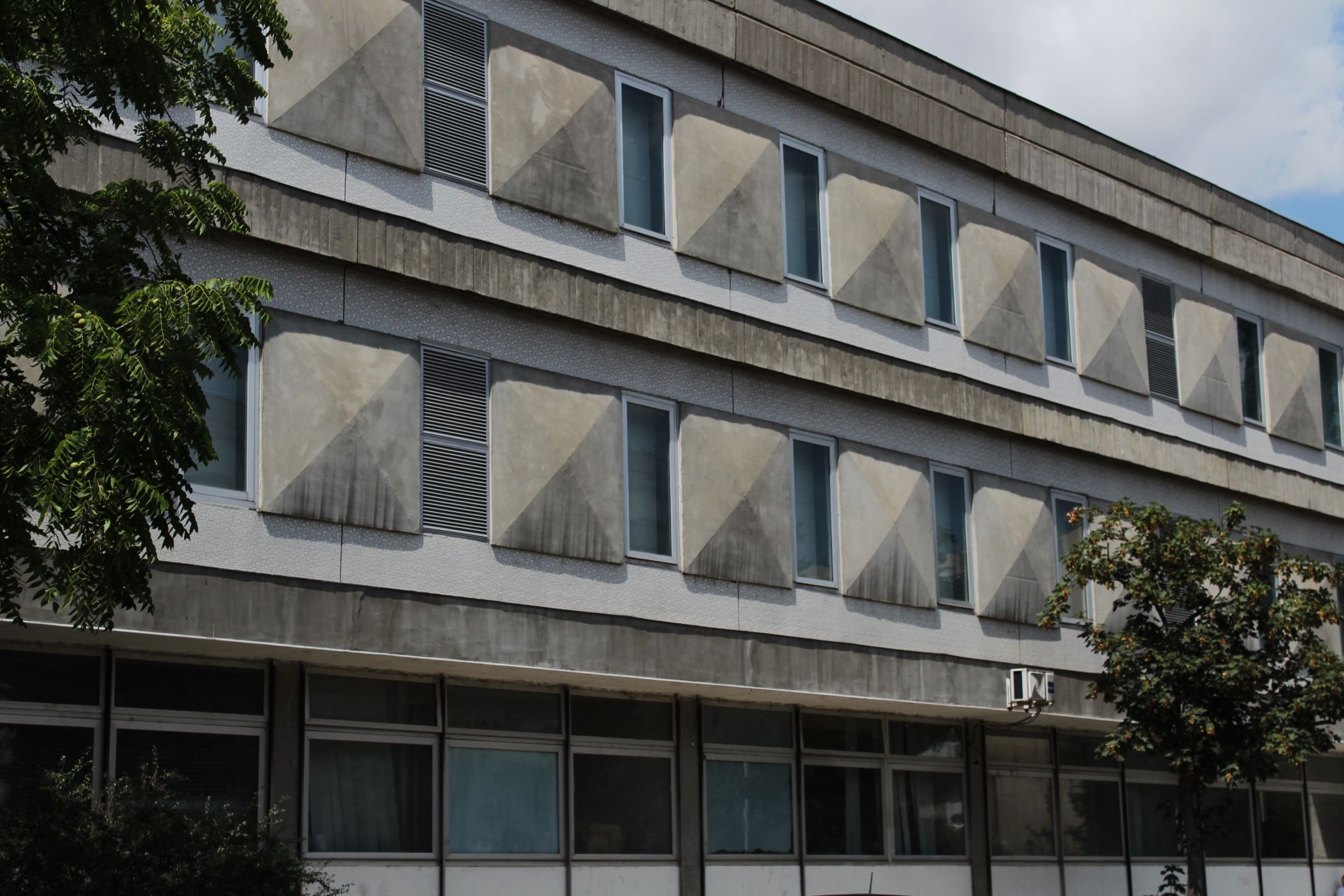
In Block 11b, the Historical Archives of Belgrade was built in 1972, designed by architect Milan Jerković.
In the early 1970s, construction of Block 11c began. In addition to residential buildings, the Sunflower Kindergarten and an elementary school—originally named Žarko Zrenjanin, now King Alexander I Elementary School—were also built.

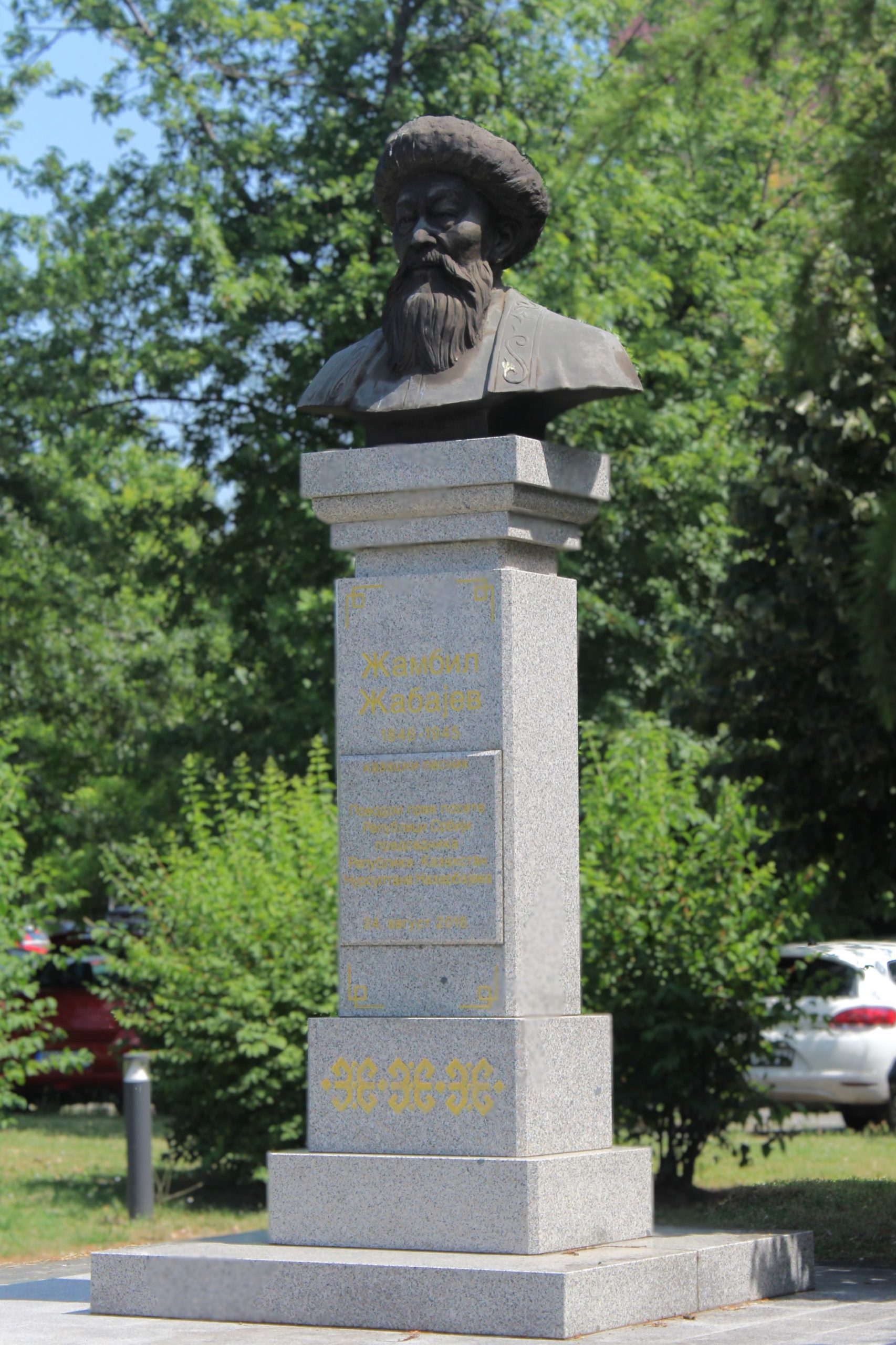
In front of the Energoprojekt building, a bust of the Kazakh poet Zhambyl Zhambayev was installed in 2016, which continues to generate controversy. The bust was a gift from the Kazakh Embassy in Belgrade. Zhambayev is known as a poet who celebrated Kazakh national heroes, but after the October Revolution, his poetic focus underwent a dramatic shift. During that period, he began glorifying leaders of the Soviet Revolution, including Stalin and other Soviet officials, whose actions are deeply troubling from a historical perspective. From today’s viewpoint, this period of his work is considered unacceptable, making the placement of this statue equally controversial and politically questionable.
In the same year, a monument to the Chinese philosopher Confucius was erected in front of the Chinese Cultural Center.
The local community that includes Blocks 11 and 9 is still called Ikarus, as it was during the SFRY period. Local Community Day is celebrated on November 11, marking the founding of the community in 1967

THE DESIGN
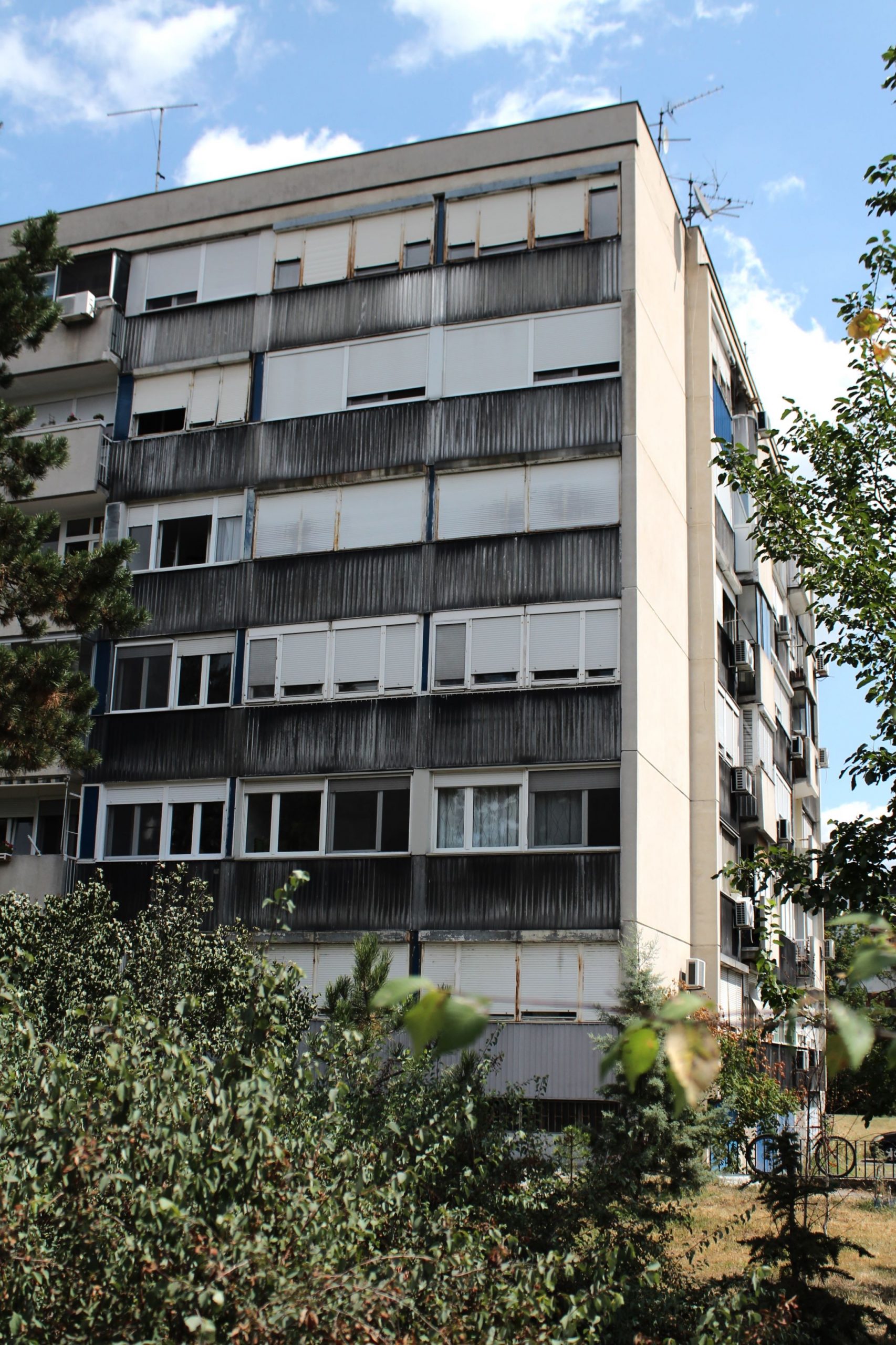
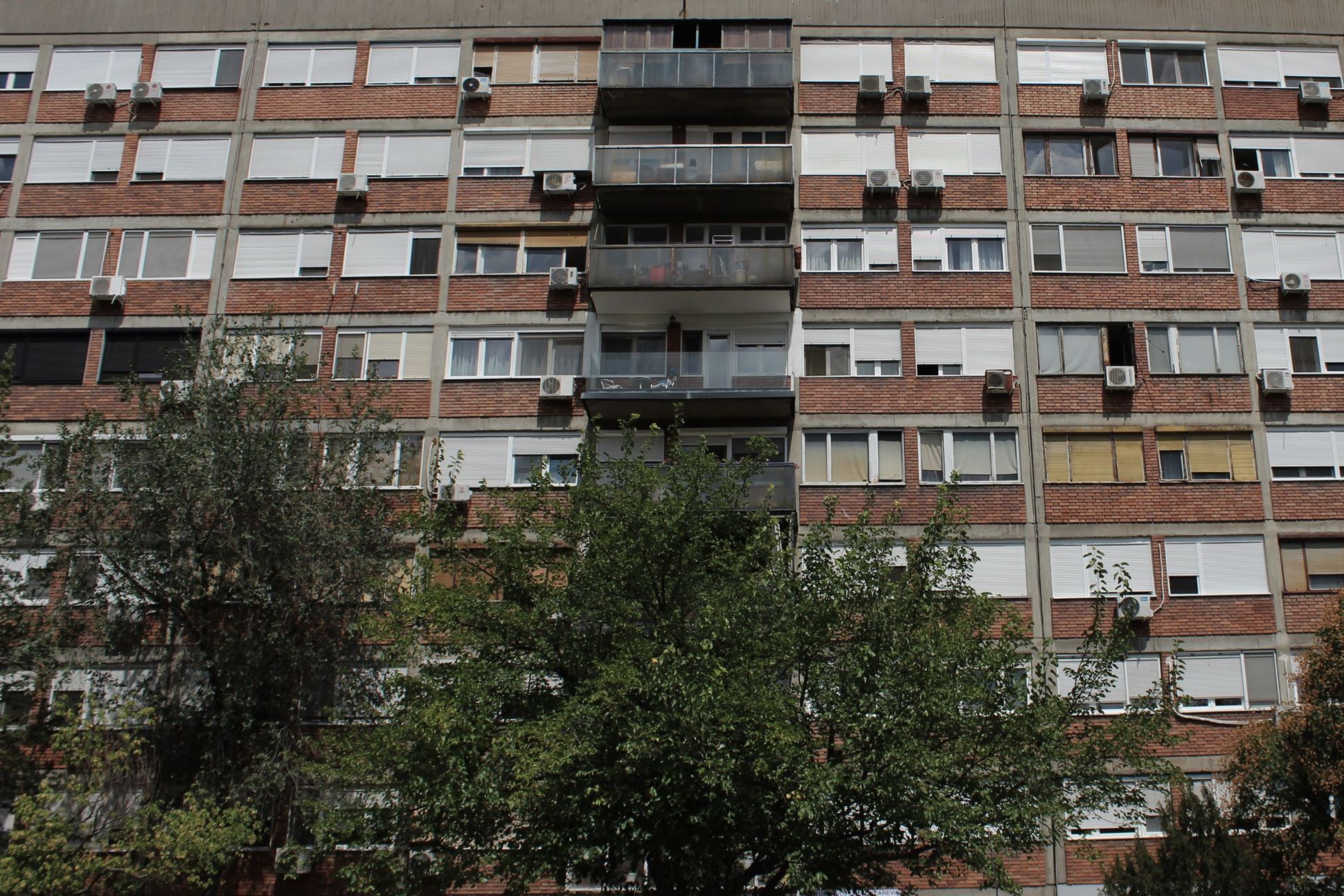
In Block 11b, in addition to the building of the Historical Archives of Belgrade, there are residential buildings designed by architects Milan Korolija and Gabor Sivori in 1965. Block 11b does not have any high-rises. Five long eight-story buildings were designed by Korolija, and nine four-story buildings were designed by Sivori. These buildings feature the typical appearance of industrial modernism.
Block 11c has a similar structure, but in the 1990s, additional residential and commercial buildings were constructed.
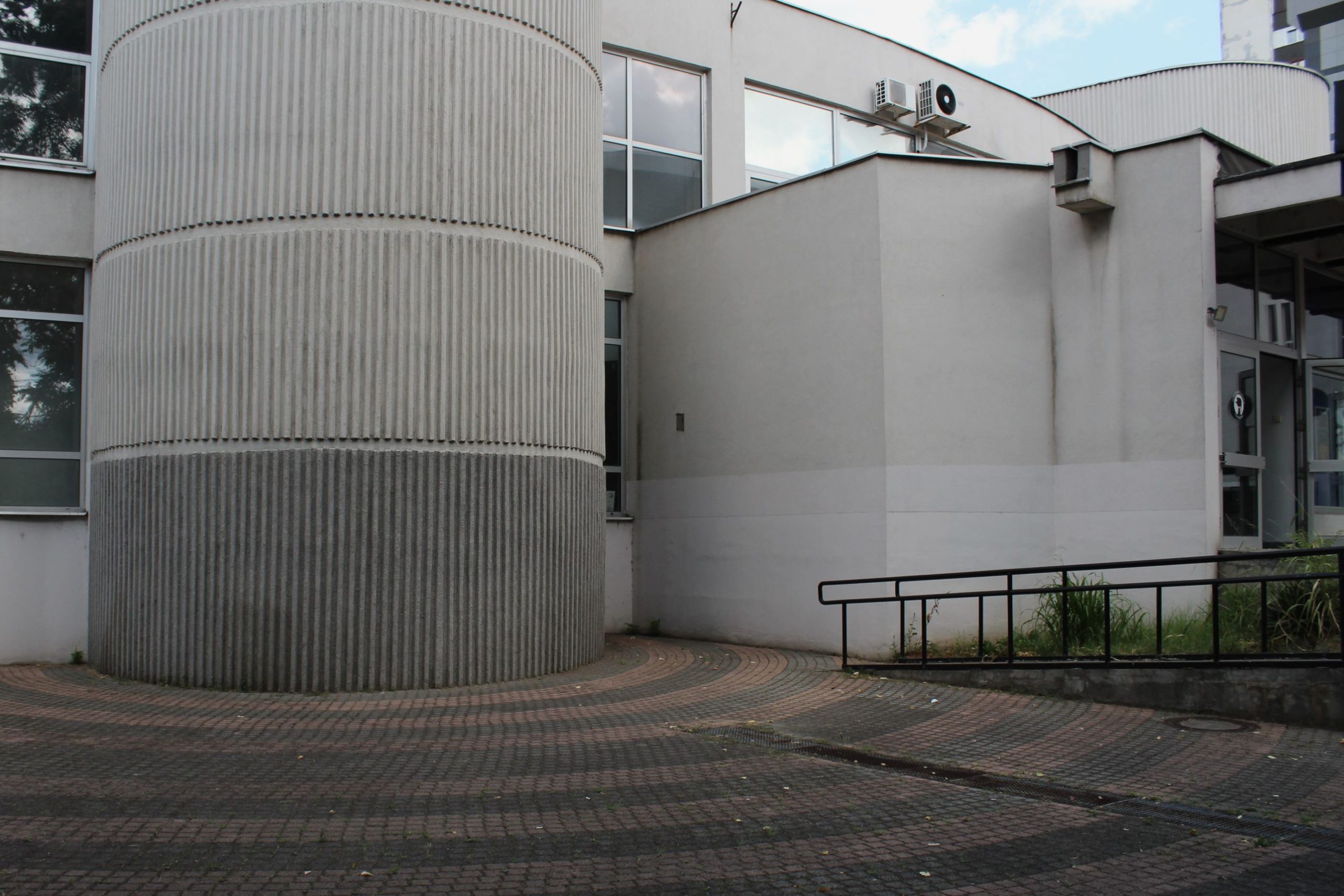
A commercial complex—the Merkator Shopping Center—was built in this block in 1972. The center originally included a cinema, hotel, supermarket, and indoor market, developed by the then-popular Slovenian retail company. The cinema, named Jugoslavija, featured a small stage for visiting theater productions, occasional concerts by well-known groups, and various ceremonies, workshops, and events. Today, it houses the Pinocchio Puppet Theater.
The Putnik Hotel, designed by architect Mihajlo Mitrović, was renovated in 2008, significantly altering its original appearance.