THE HISTORY
Construction of Block 28 began in 1969 and was completed in 1979. The conceptual design of the block was created by architect Milutin Glavički, while the buildings were designed by architect Ilija Arnautović. In the later development phases, architects Ljubica Čabarkapa and Tomislav Drezgić, as well as landscape architects Olga Milićević and Cveta Davičo, also contributed to the project.
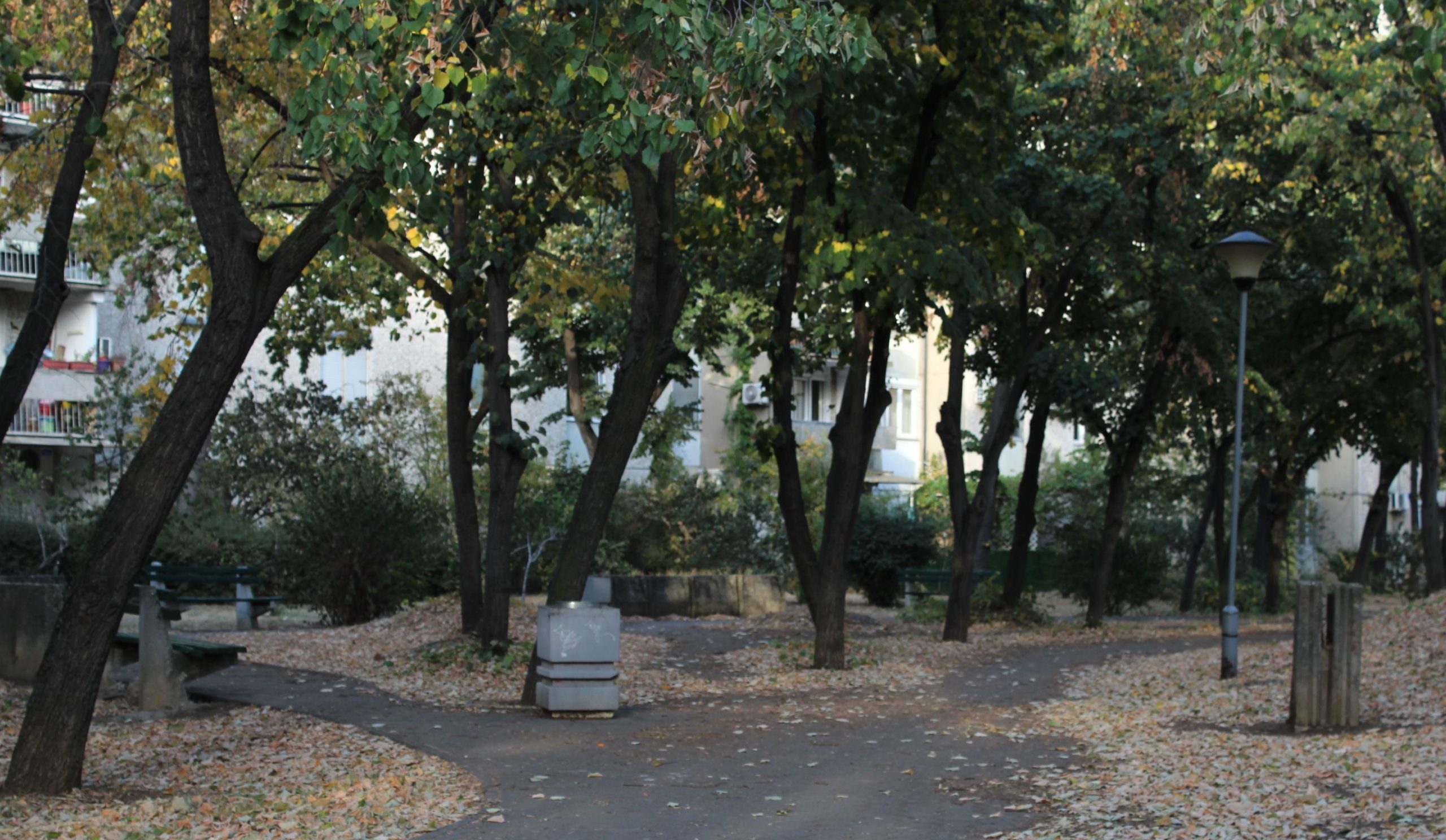
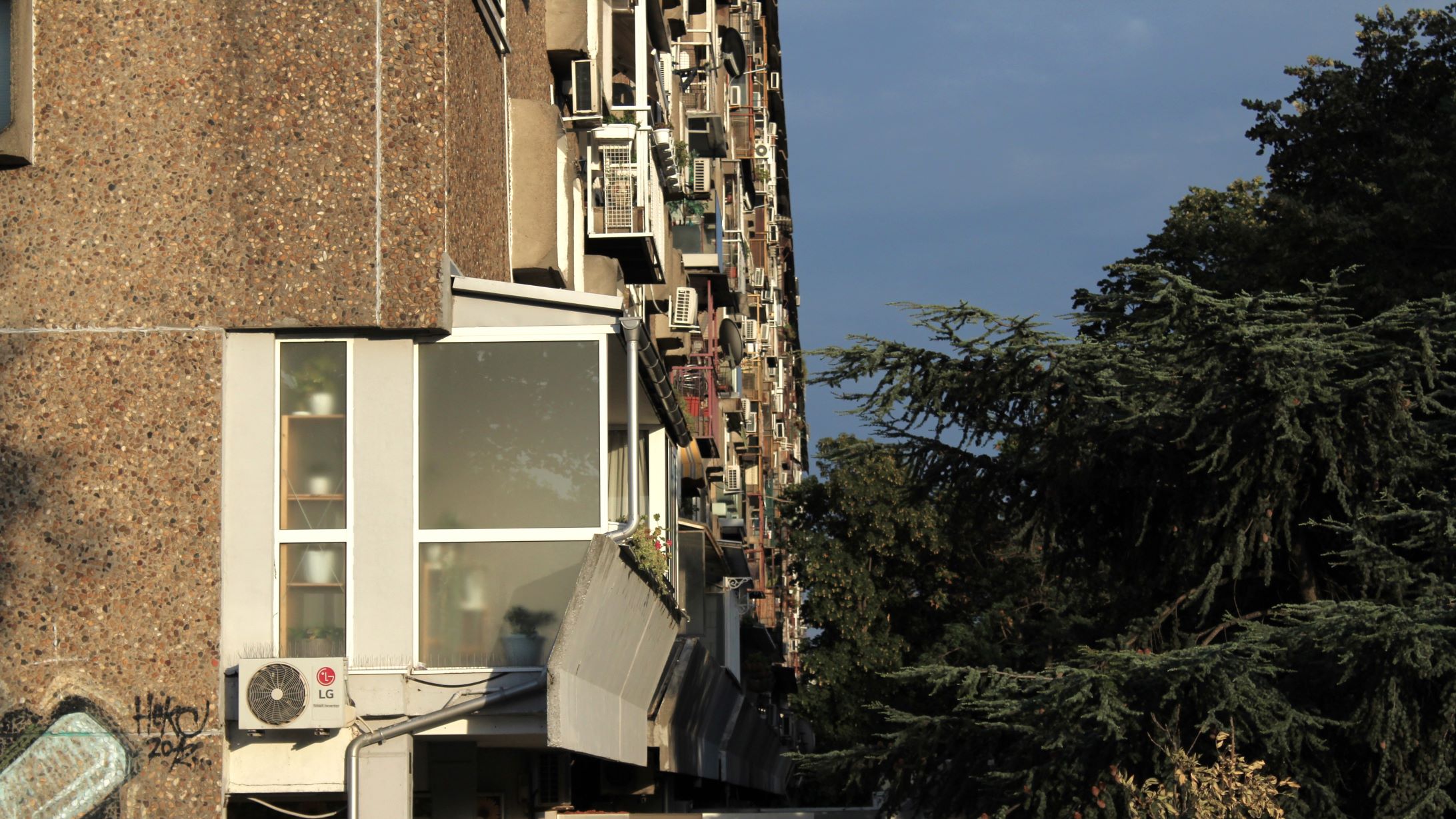
Block 28 consists of 11 residential buildings: four 16-story high-rises, two horizontal buildings popularly known as “Televizorke,” one four-story horseshoe-shaped building, and, later in the 1980s, a complex of six additional four-story buildings. These four-story buildings were constructed on the site originally planned for the community center.
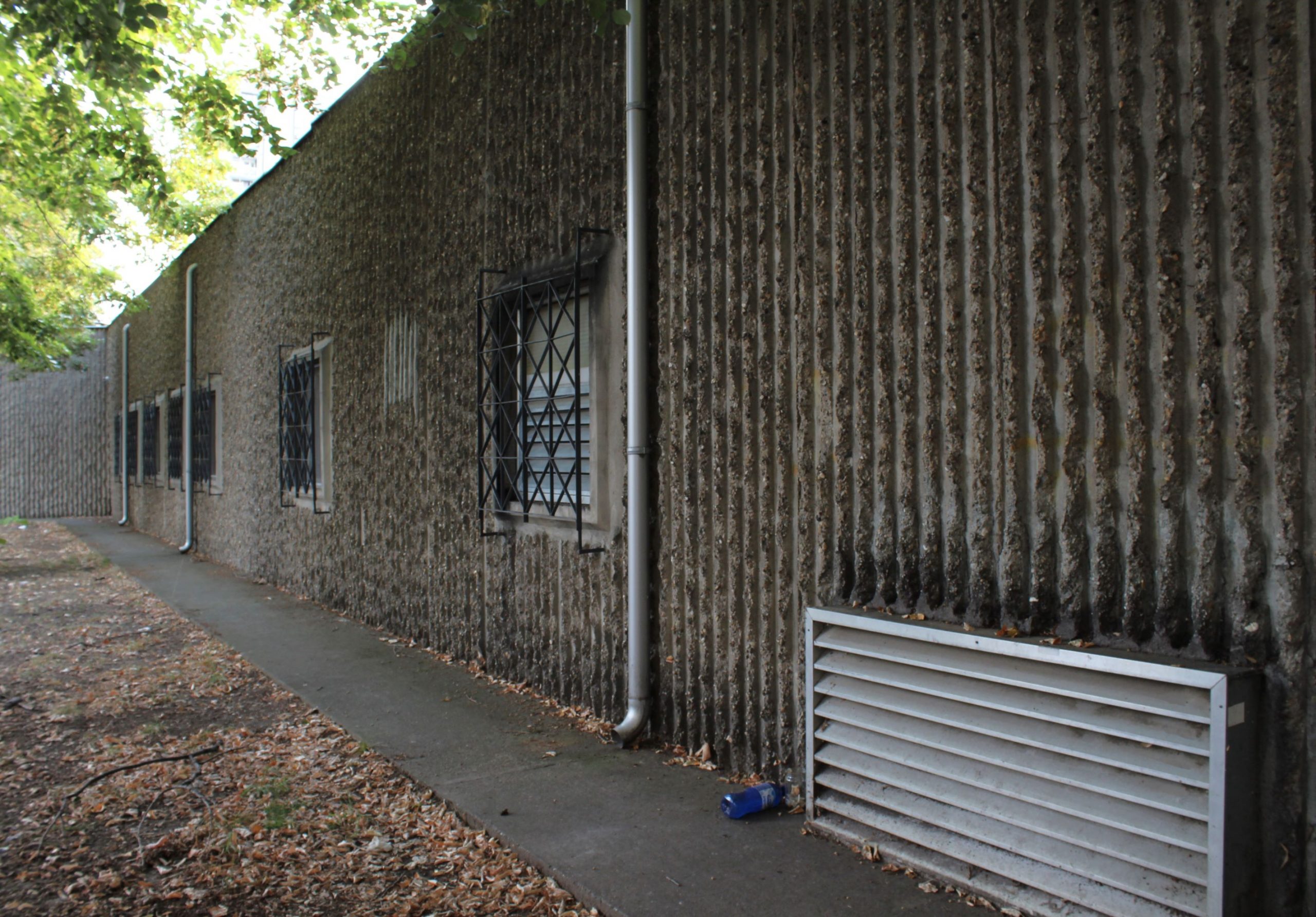
In addition to the residential buildings, the block also includes a kindergarten, an elementary school, a community center (located on the ground floor of a later-built residential building), and service facilities such as a garage and a transformer station. During the 1990s, several other buildings were constructed, and numerous modifications to the existing structures significantly altered the block’s original appearance.
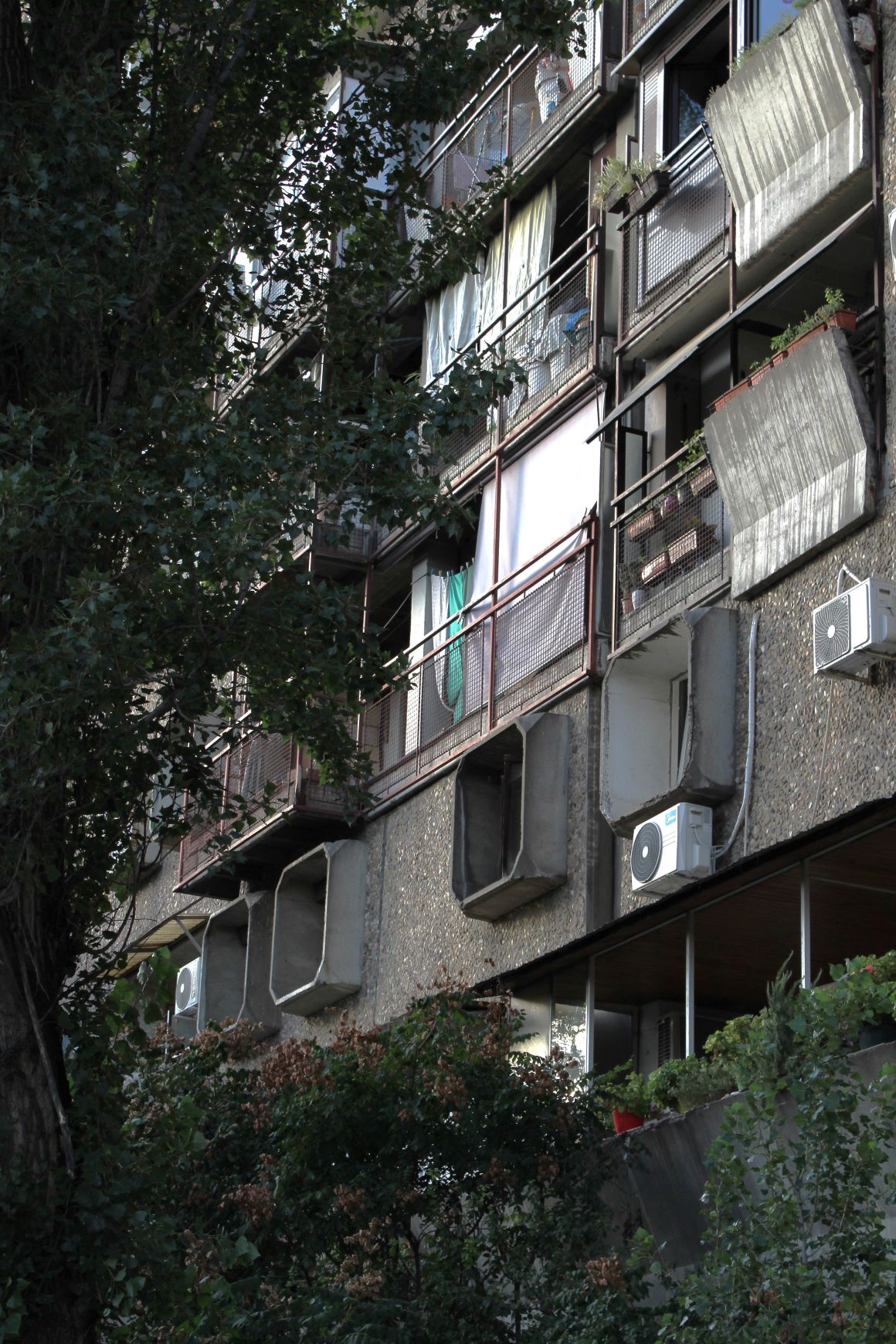
In the northern part of the block, a low-rise building was originally intended to house the “Slovenijales” furniture showroom. Later, starting in the 1990s, it was converted into a commercial facility, changing both its ownership and purpose several times.
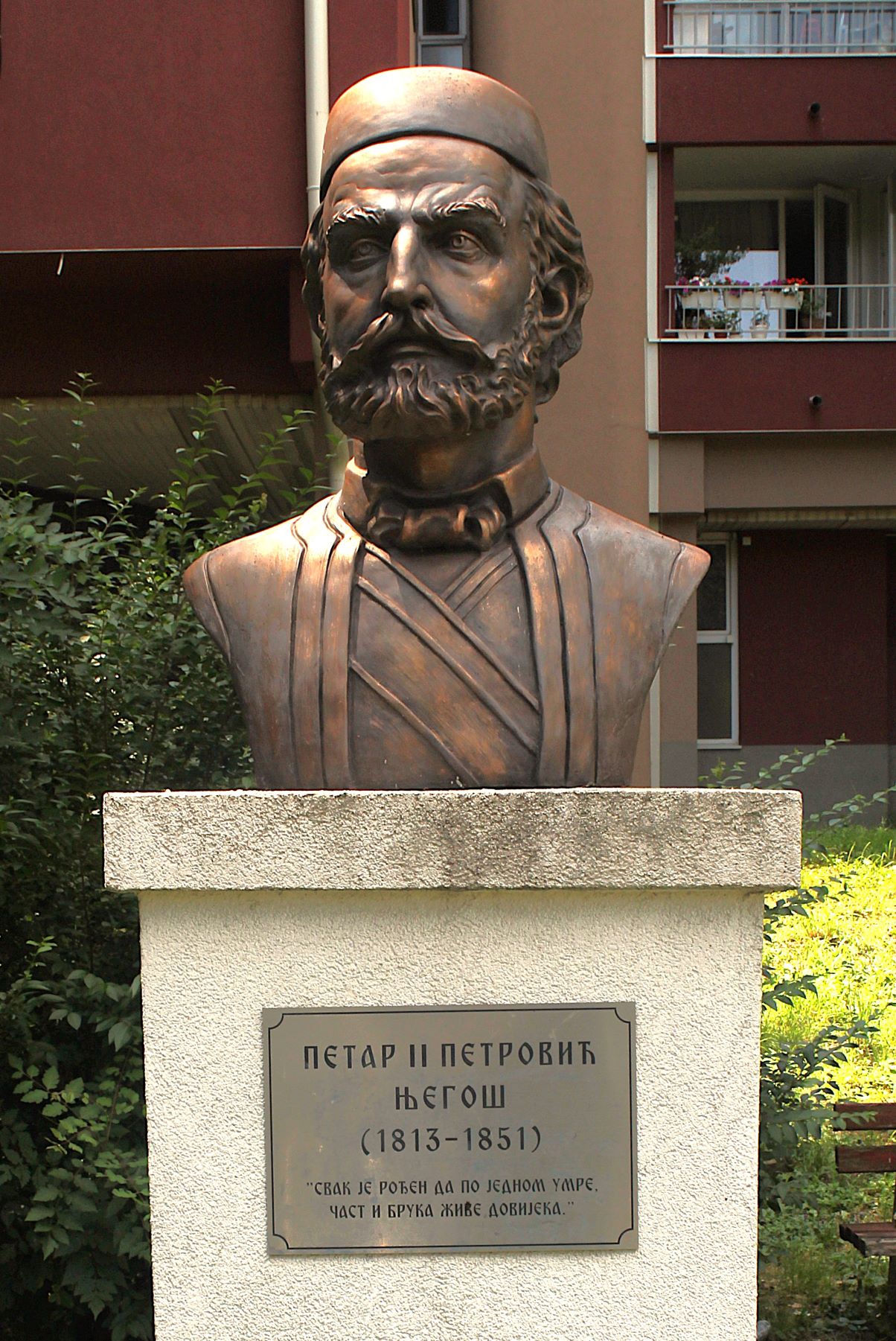
This block was part of the “Njegoš” local community, whose Community Day was celebrated on September 30, marking the establishment of the organization in 1972. At that time, a bust of the Montenegrin statesman and poet Petar II Petrović Njegoš was installed. The bust disappeared during the 1990s but was reinstated in 2018.
The four-story horseshoe-shaped building was expanded in the 1990s, while the ground floors of the “Televizorke” buildings (on Arsenije Čarnojević Boulevard) were converted into commercial spaces by repurposing existing passages. Along the edges of the block, a series of mixed-use residential and commercial buildings were constructed throughout the 1990s and 2000s.
The idea of Belgrade as a meeting point for all nations of the former Yugoslavia is reflected in the fact that architects from various republics contributed to the design of Block 28. A particularly significant contribution came from Slovenian architects Janez Lajovic and Slavko Kristl, whose projects remain recognizable symbols of the neighborhood to this day.
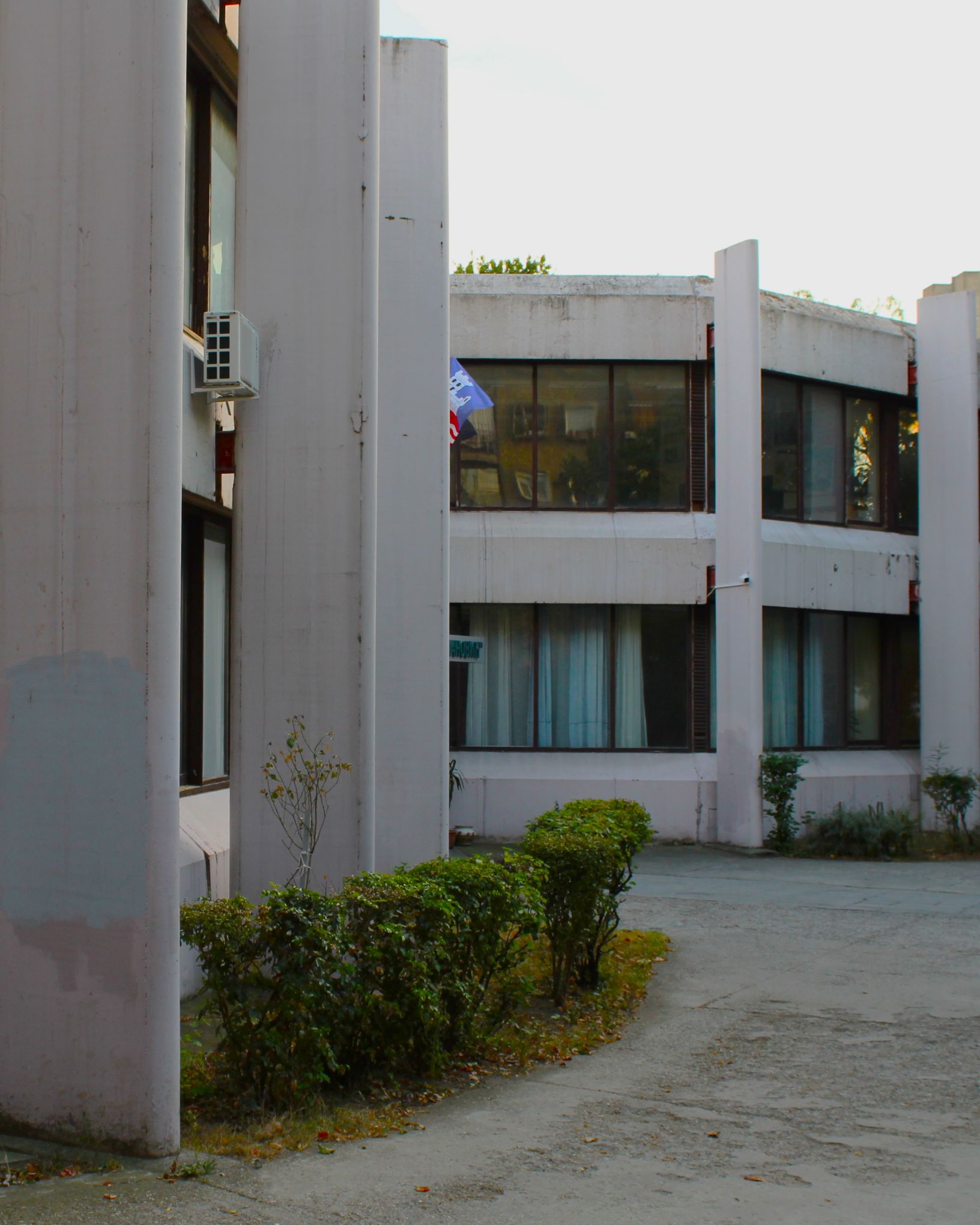
In early 1973, the “Radoje Domanović” Elementary School was built, based on a design by architect Janez Lajovic. Its distinctive three-wing (cloverleaf) layout was considered highly modern at the time and provided space for approximately 1,200 students.
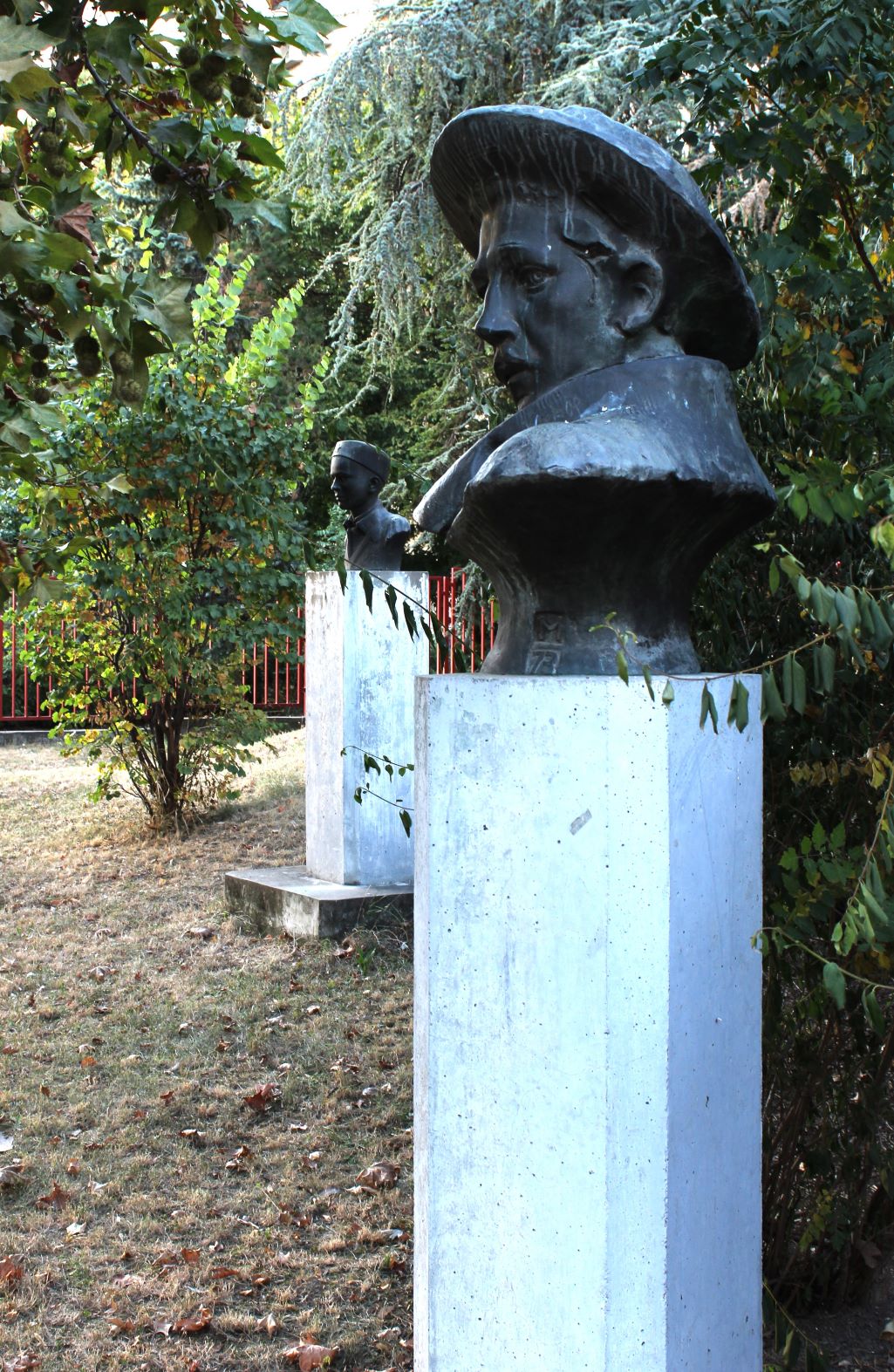
In the schoolyard, there are two busts: one of Radoje Domanović, created by sculptor Nebojša Mitrić, and another of Dragan Kovačević, a national hero and courier, whose author remains unknown.
The “Radoje Domanović” Elementary School was originally founded in 1954 on Šafarikova Street, where a special department for visually impaired children was also opened. This department later evolved into a separate institution, which was named after national hero Dragan Kovačević. That school still operates at the same location today.
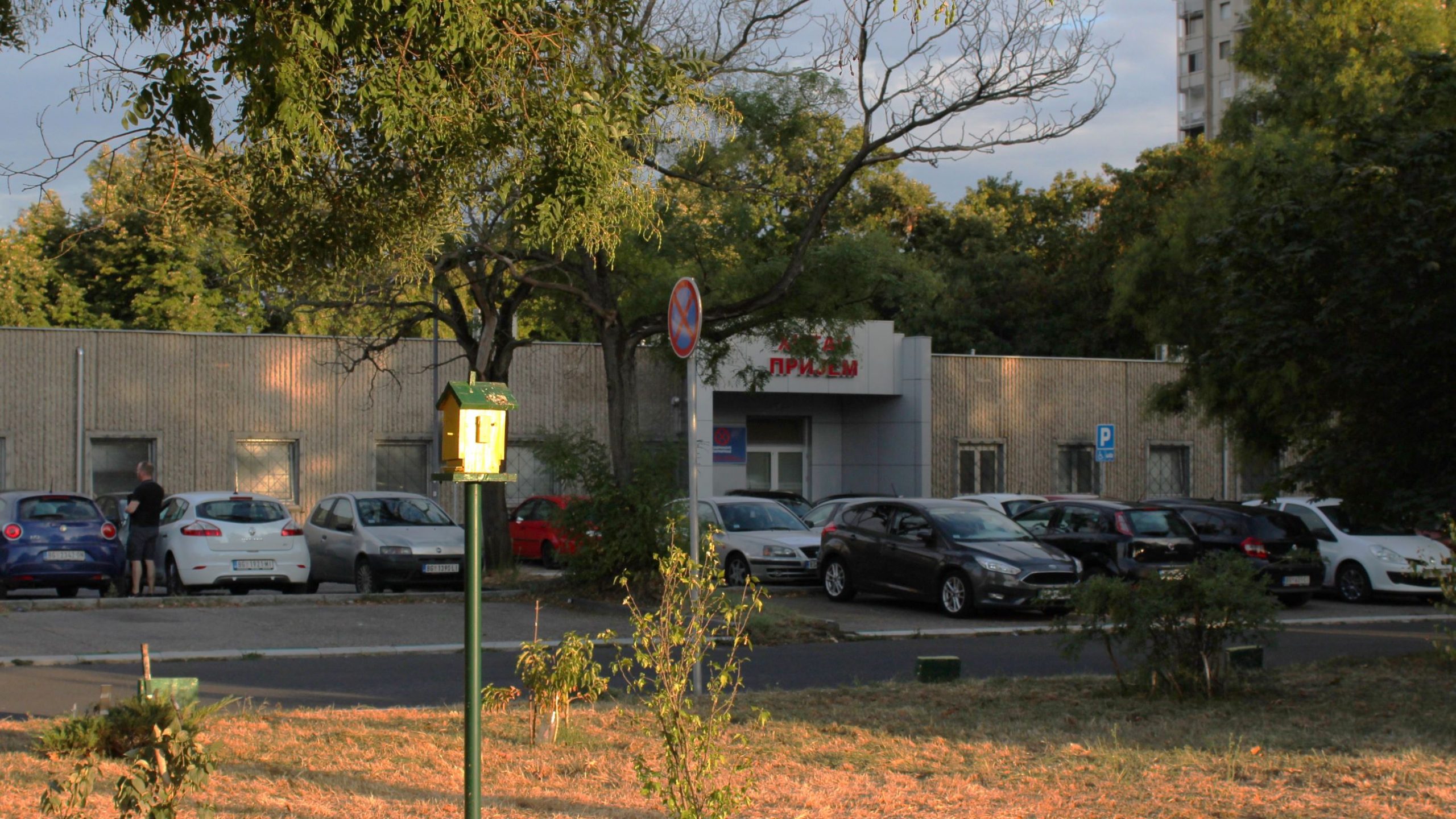
The residents of Block 28 have their own association that carries out various activities related to the management and upkeep of the block. One of their initiatives includes the development and maintenance of the “Sparrow Park,” located along Umetnosti Boulevard.
THE DESIGN
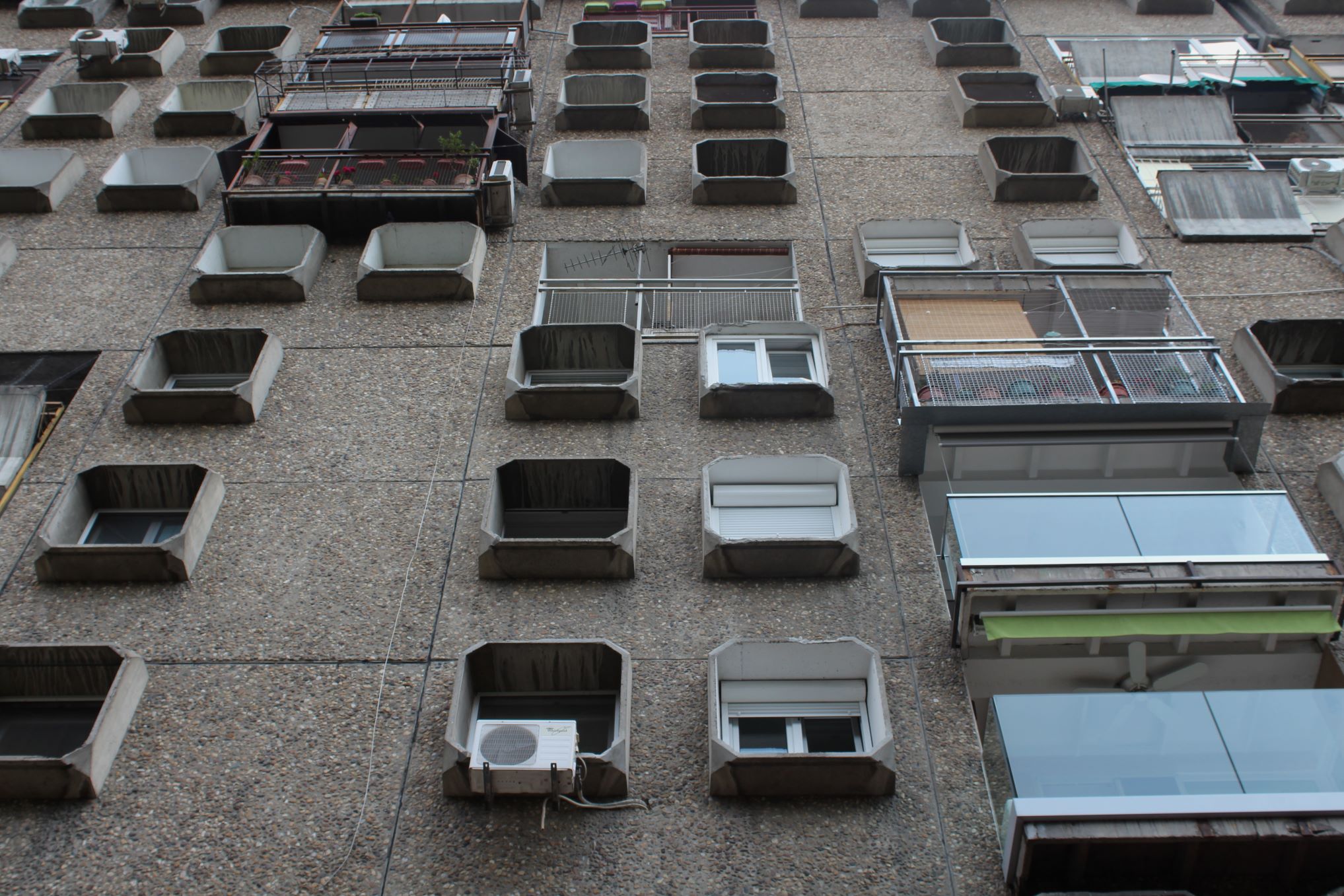
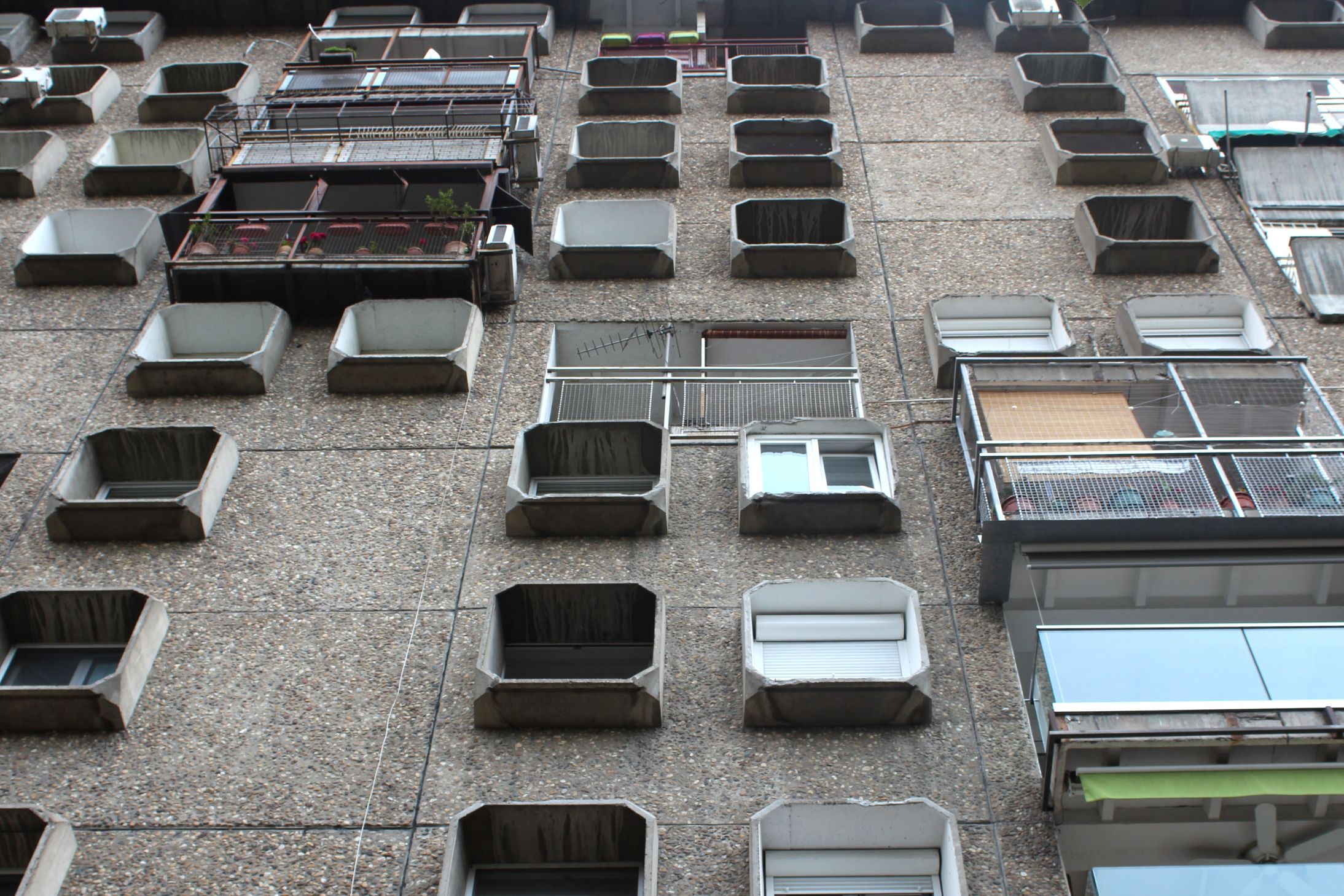
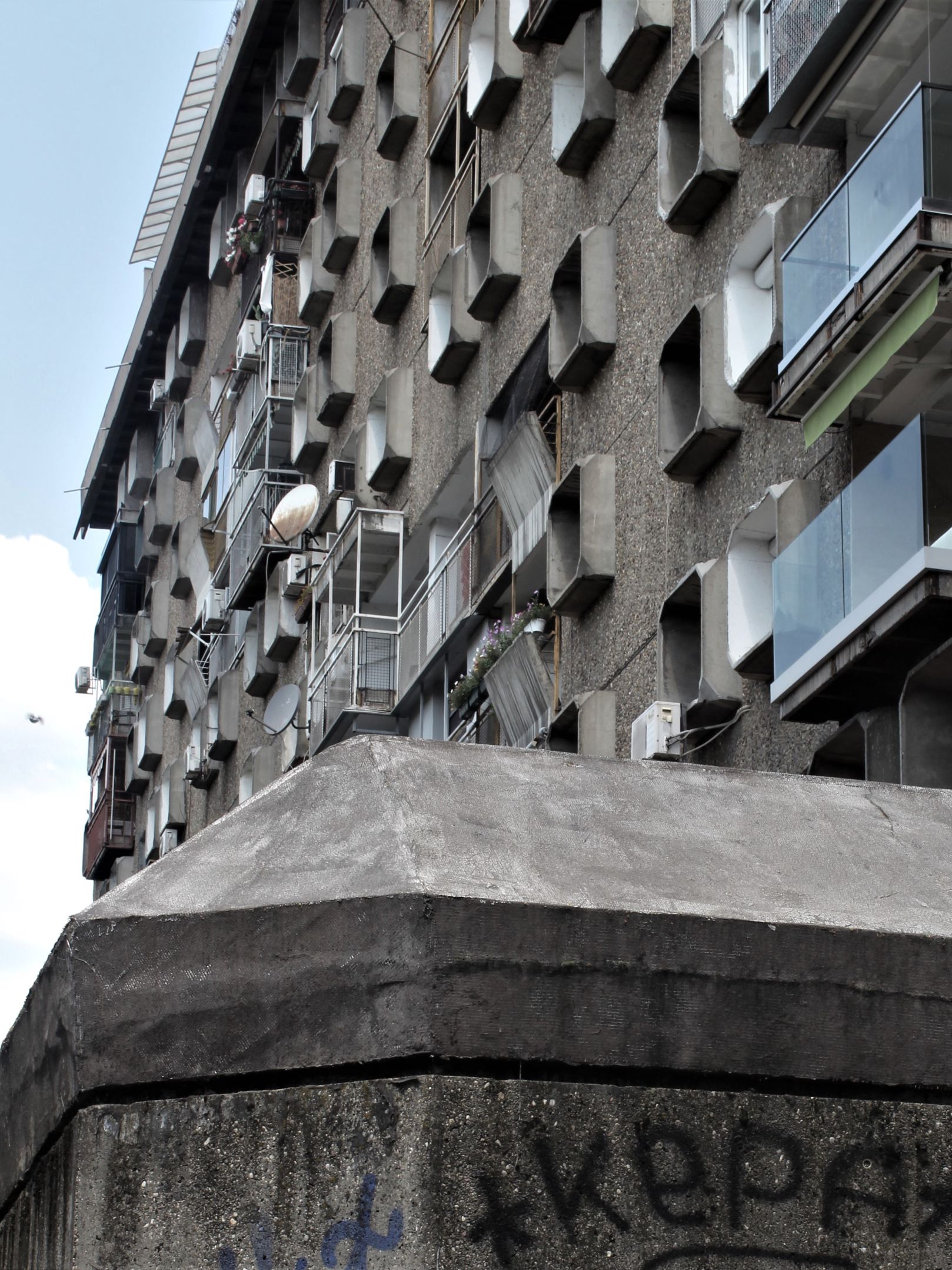
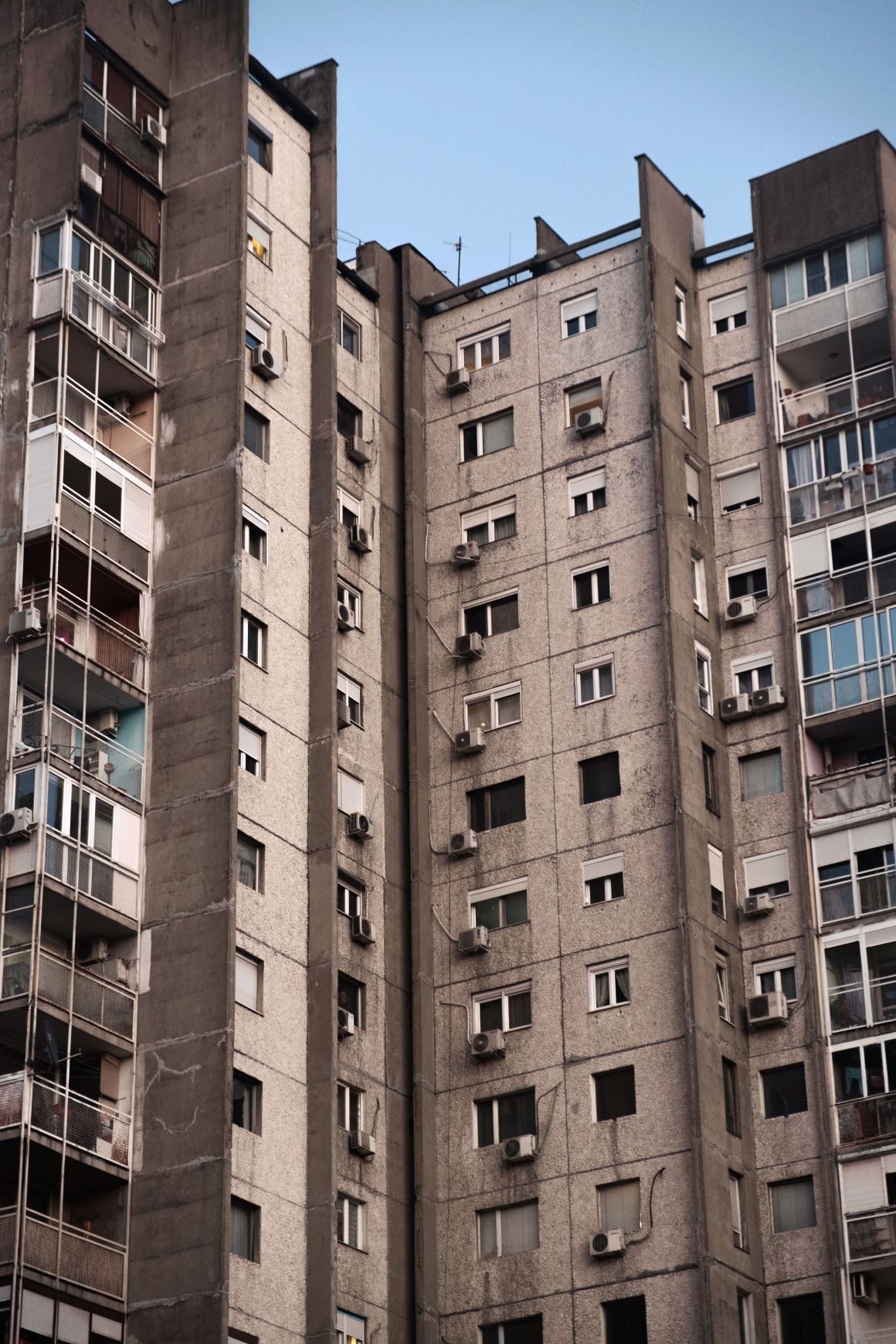
Ceo blok je projektovan u stilu brutalističke arhtekture. Iako je projekat predviđao različite vrste zgrada, dva stambena objekta tzv. Televizorke su postale prepoznatljiv simbol ovog bloka. "Televizorke" se nalaze na dva kraja Bloka 28 a ime su dobile zbog karakterističnog oblika prozorskih otvora koji podsećaju na televizor. Sagrađene su između 1970. do 1974. godine po projektu arh. Ilije Arnautovića. Imaju po 10 spratova i po 13 ulaza. Svaka zgrada ima 487 stanova (najmanji stan je dvoosoban, a najveći petosoban). U suterenu su garaže, a u prizmelju poslovni i prodajni prostor. Sadašnji izgled televizorki odstupa delimično od originalnog izgleda zbog velikog broja prepravki stanara.
Svi javni objekti škola, vrtić i garaža prostorno su povezani. Ovakav prostorni raspored – neprekinutog povezivanja svih objekata u celinu predstavlja osobenost bloka 28. Uređenjem parka bavio se tim arhitekata na čelu sa Olgom Milićević Nikolić.
Zgrada popularano nazvana „Potkovica“ zbog svog polukružnog oblikaje gotovo je cela nadograđena.Ovu zgradu je takođe projetovao arh.Ilija Arnautović. Ona je prepoznatljiva po svom polukružnom obliku, sa prostranim parkom, i zelenim oazama. Nekada je ovde bilo jedno od najlepše uređenih tematskih igrališta na Novom Beogradu, tzv. „indijansko selo“, koje je podsećalo na tradicionalna naselja američkih starosedelaca.
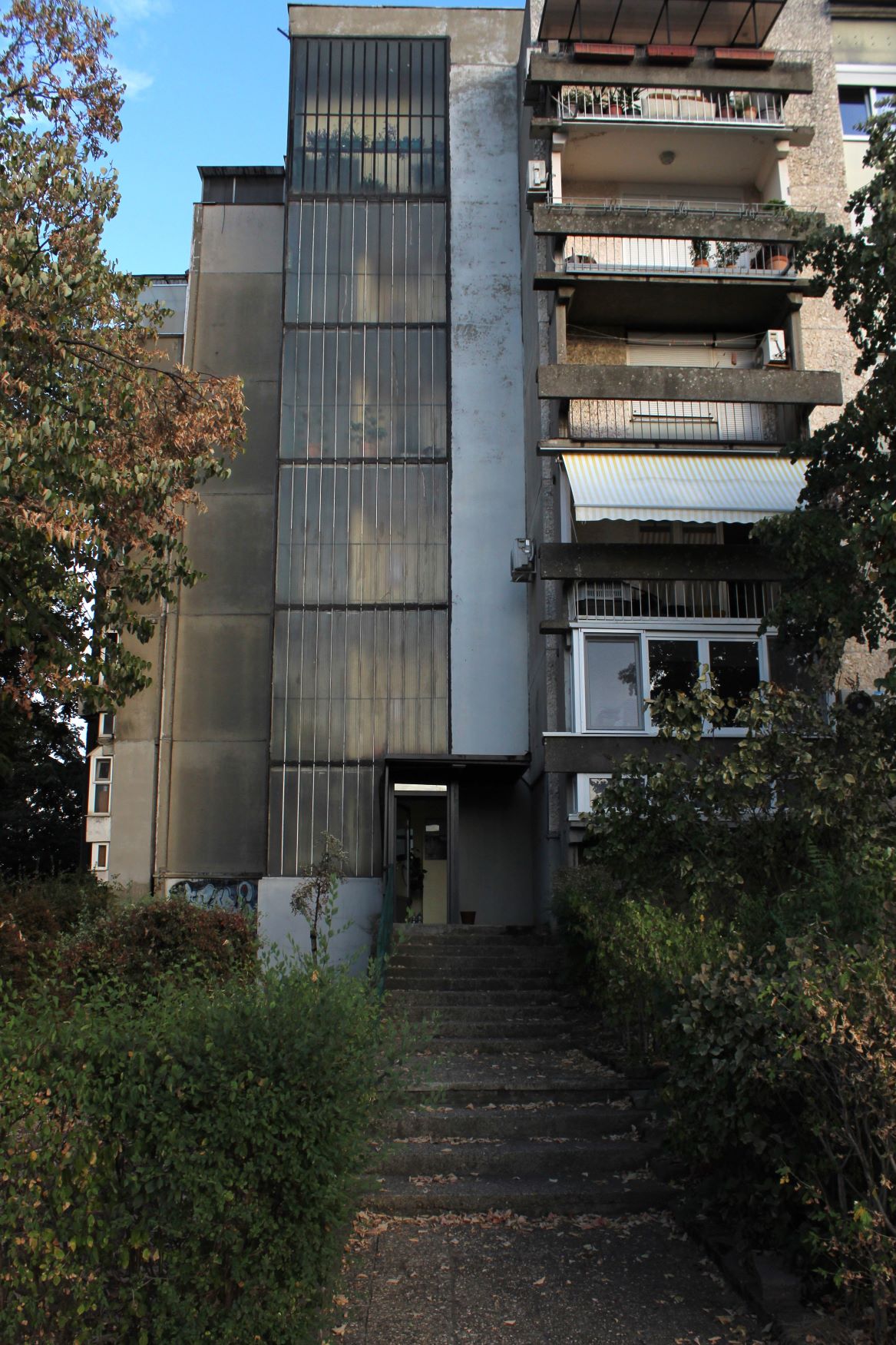
Objekti i javne površine su danas delimično izmenjeni, zbog renoviranja stambenih površina i prenamene zajedničkih prostora.
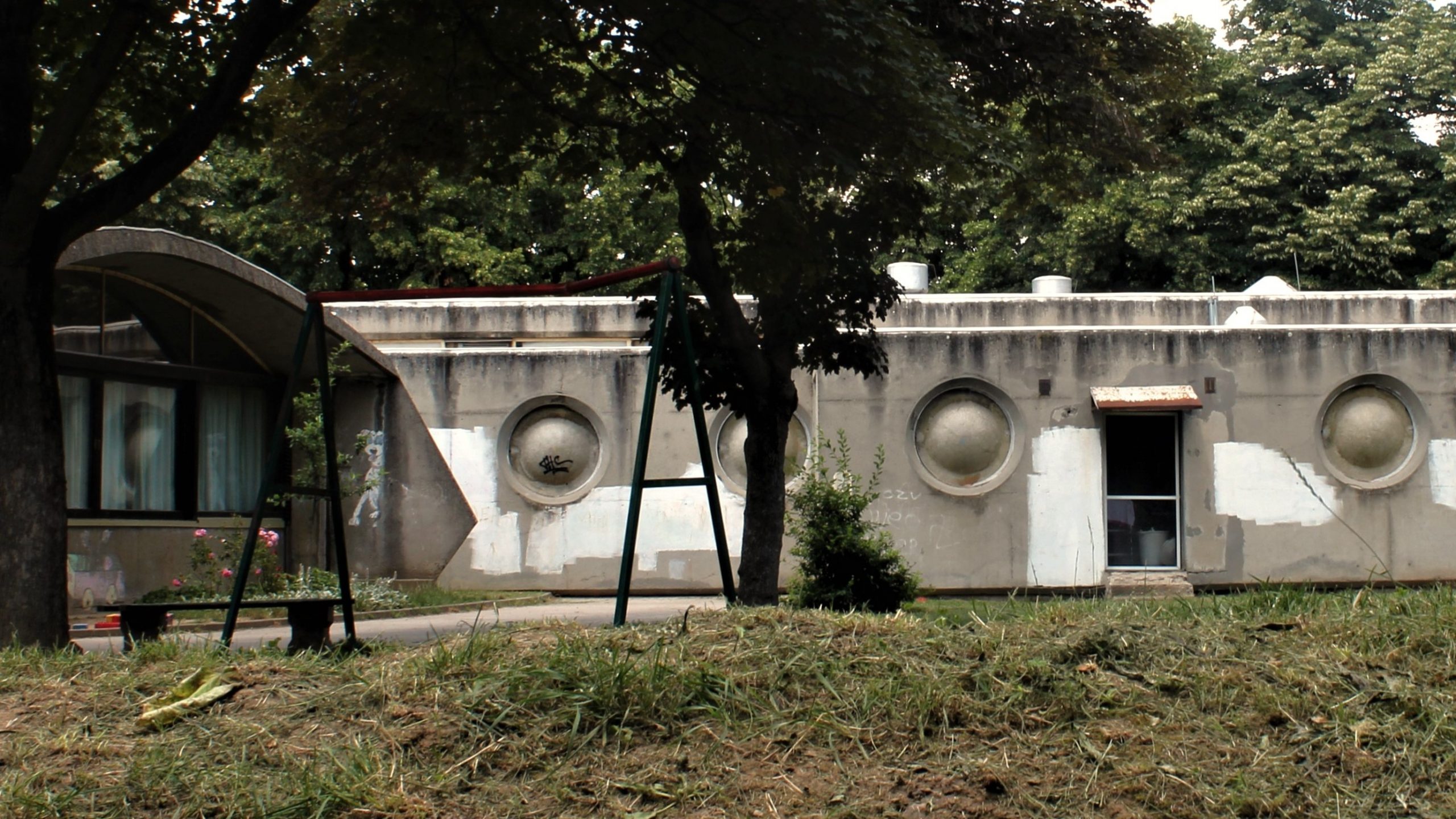
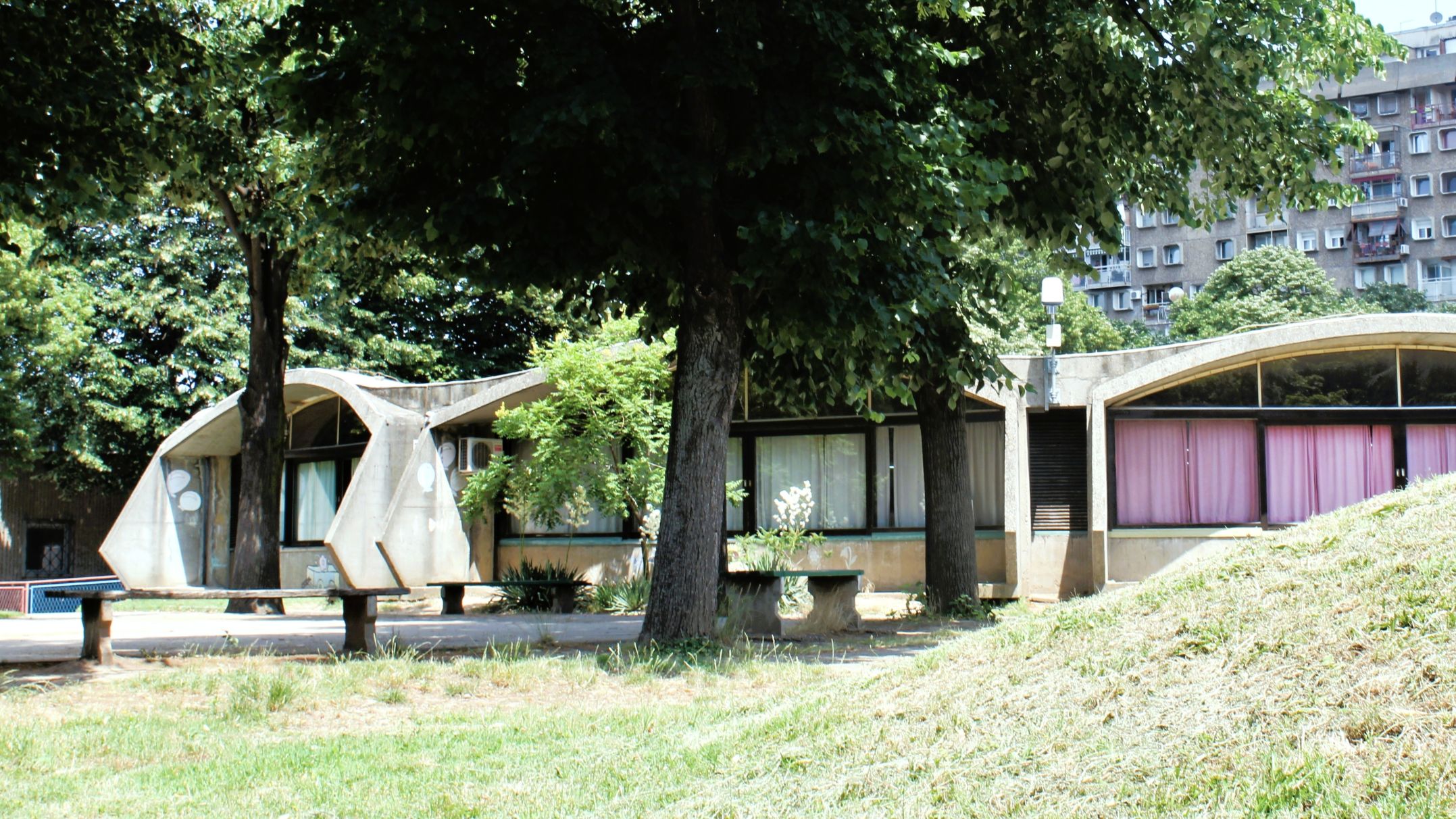
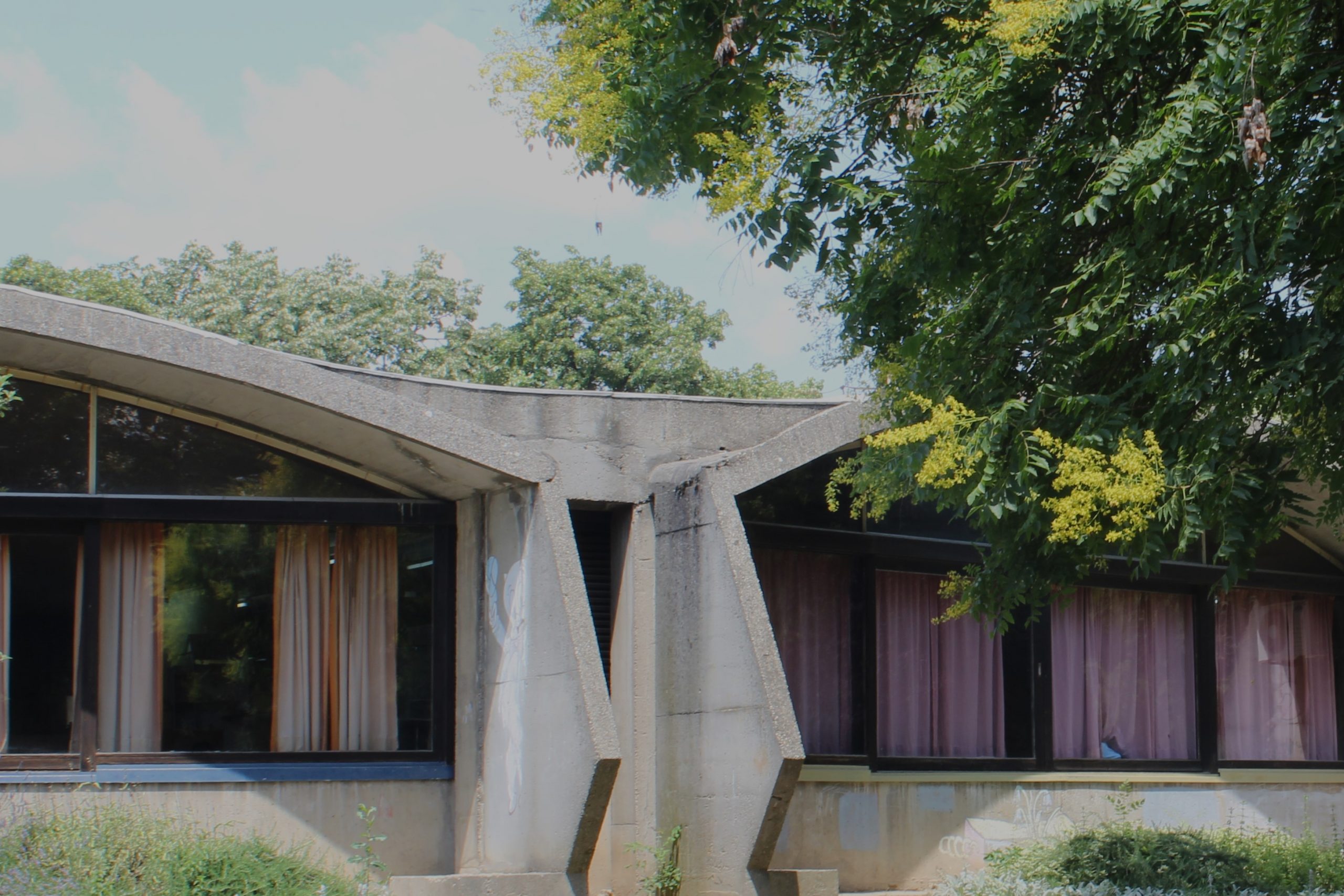
Poseban doprinos brutalizmu u ovom naselju dali su slovenački arhitekti Janez Lajovic ( projekat osnovne škole) i Slavko Kristl (projekat vrtića). Obe zgrade imaju neobične osnove sa pažljivo osmišljenim unutrašnjim prostorom. Dok škola ima trolisnu osnovu, vrtić Slavuj svojim dizajnom odgovara talasastom pejzažu parka i simbolično predstavlja sklonište/igralište za decu.