ABOUT THE ARTIST
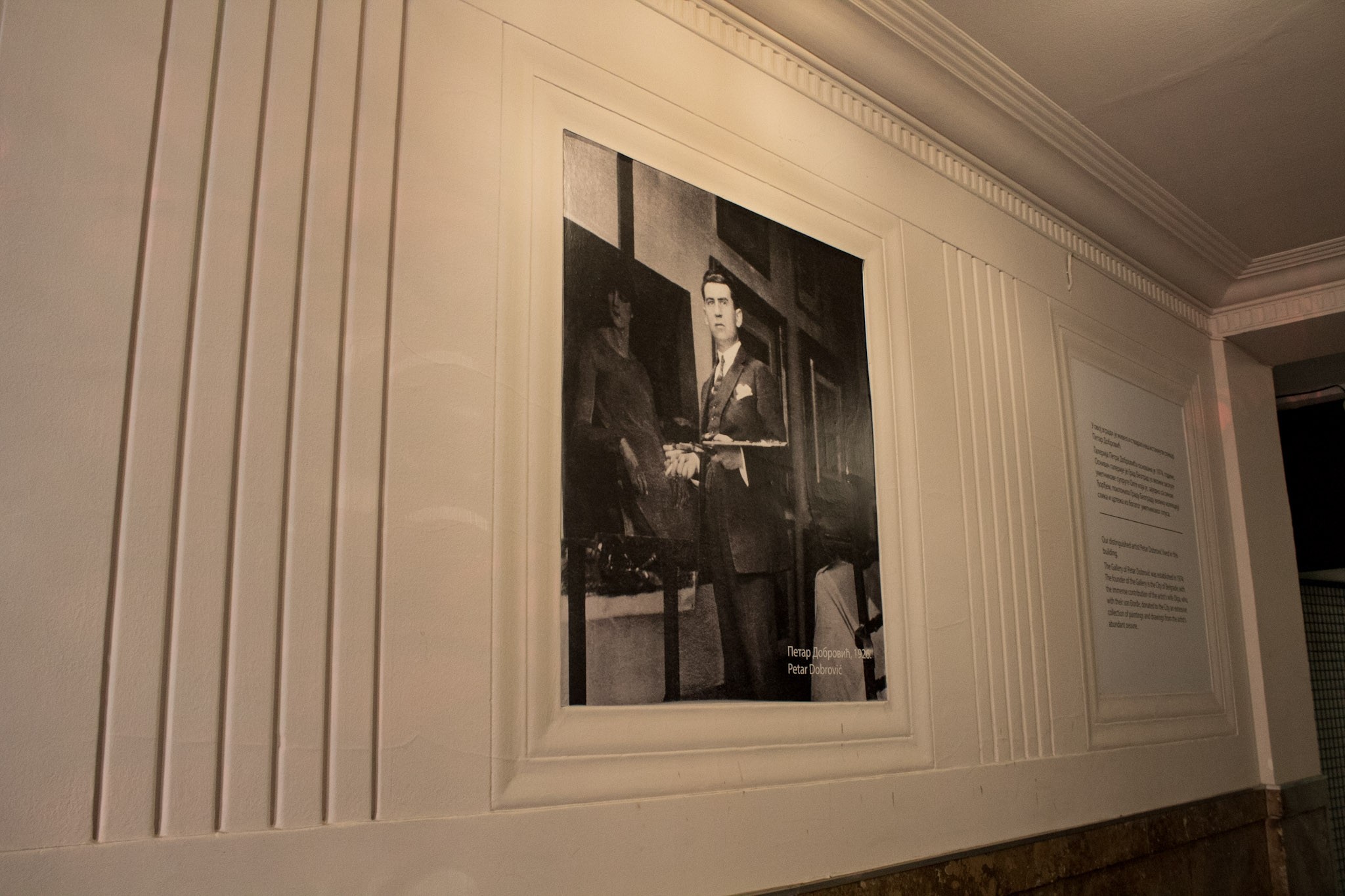
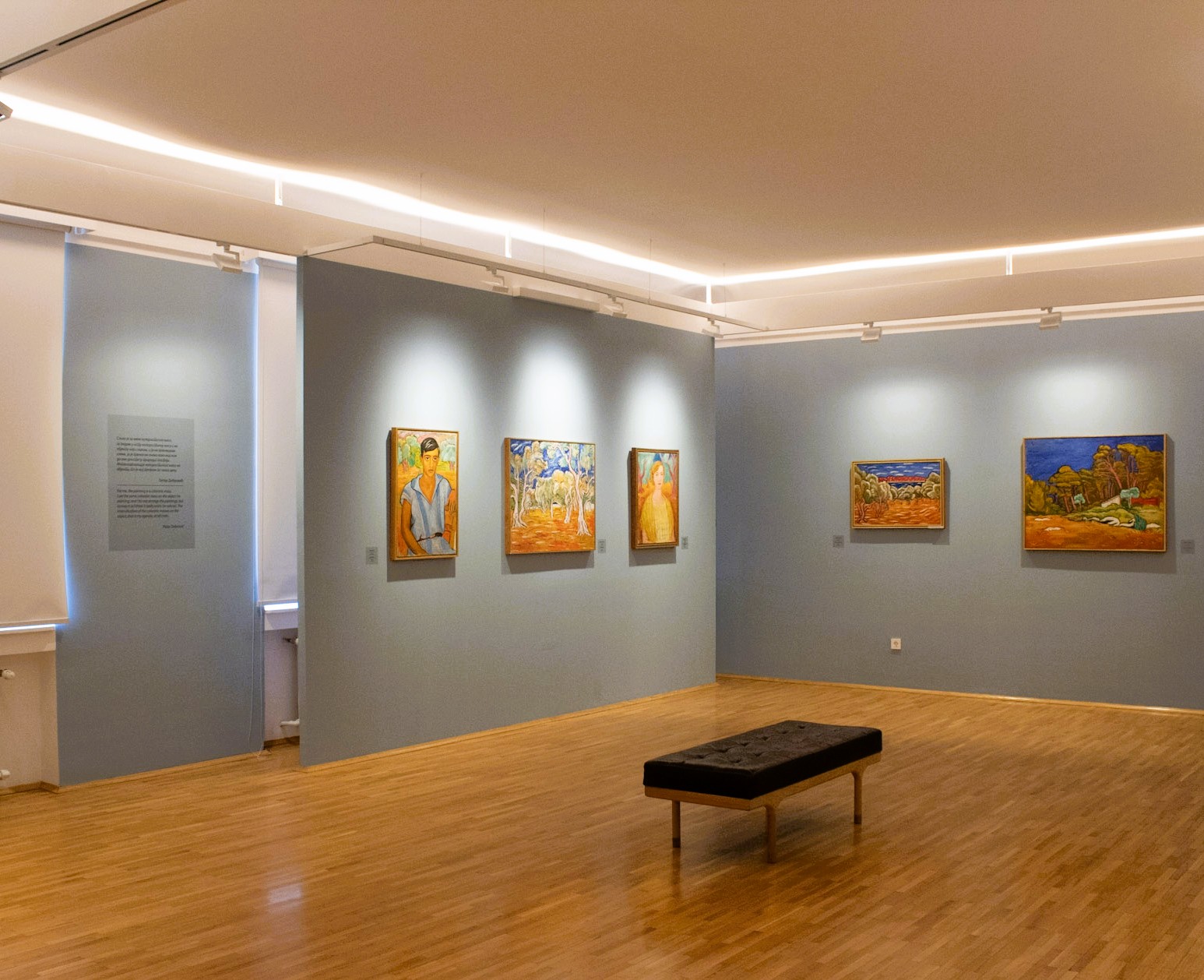
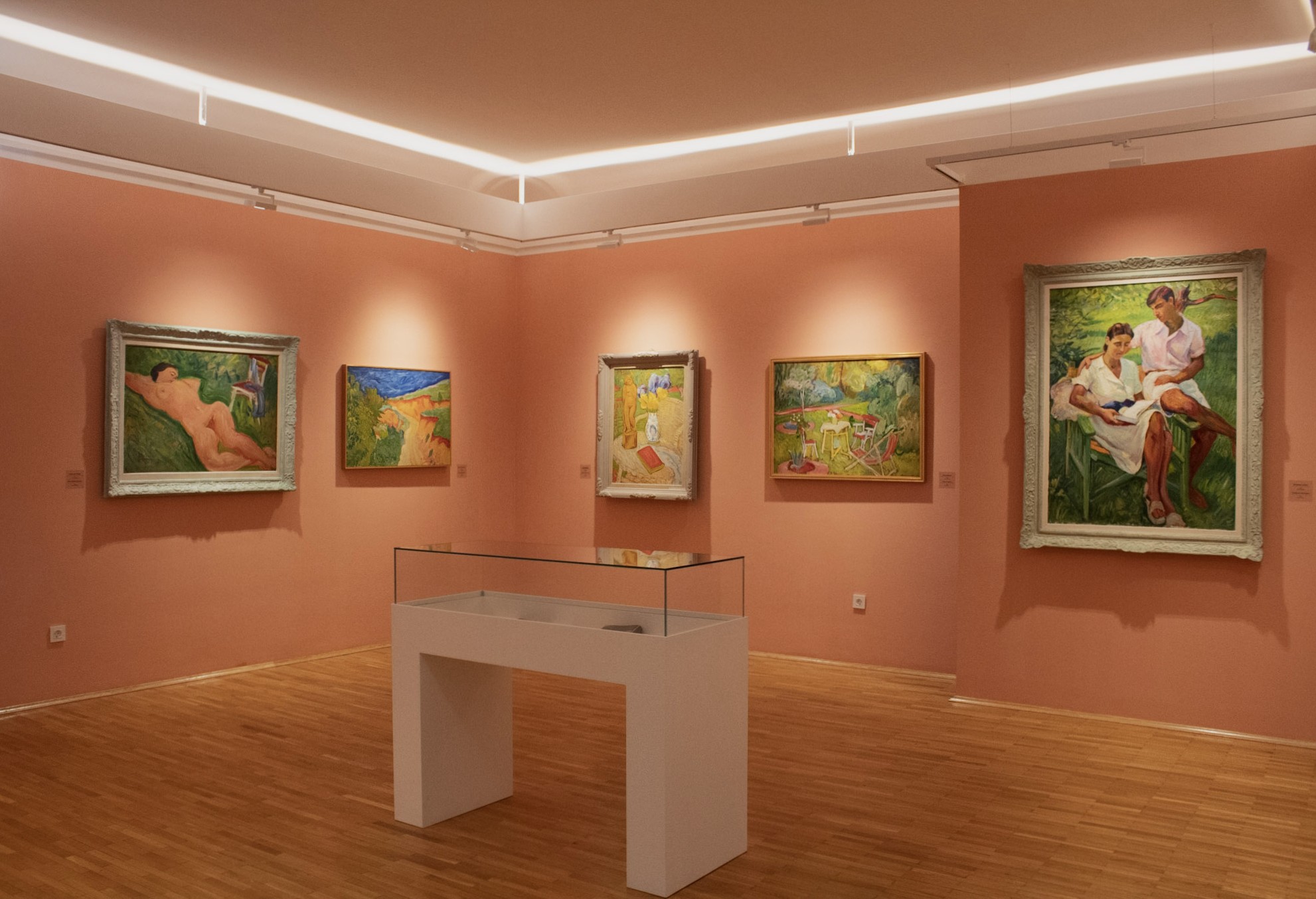
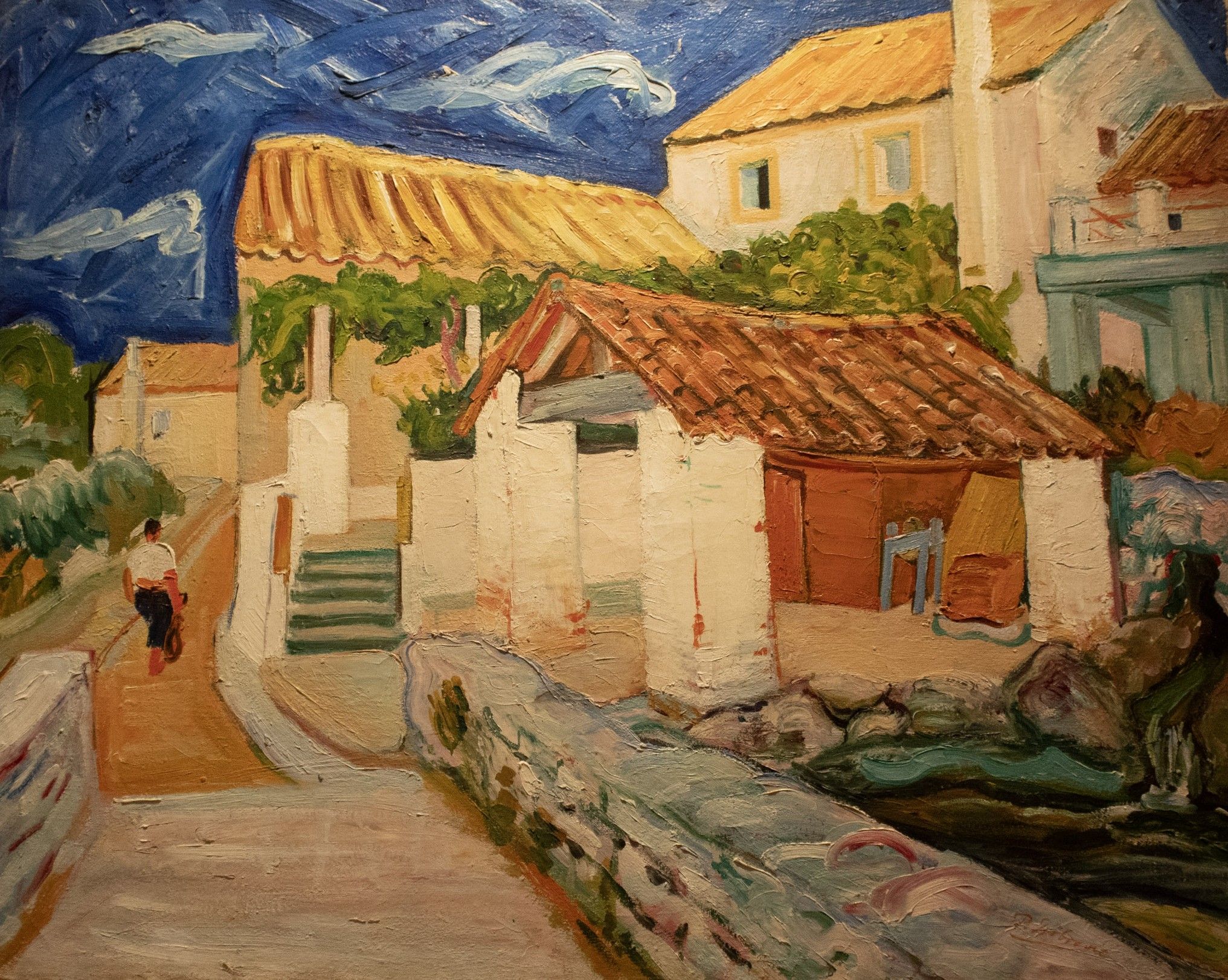
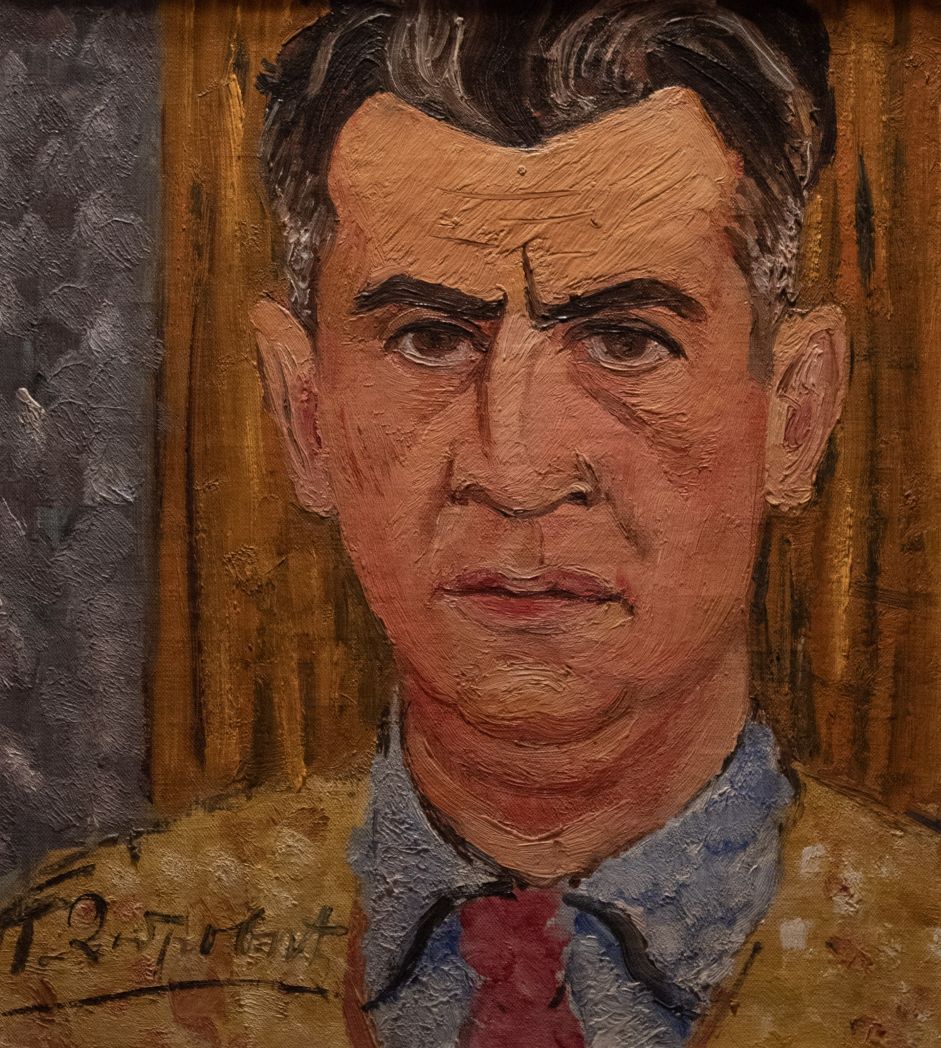
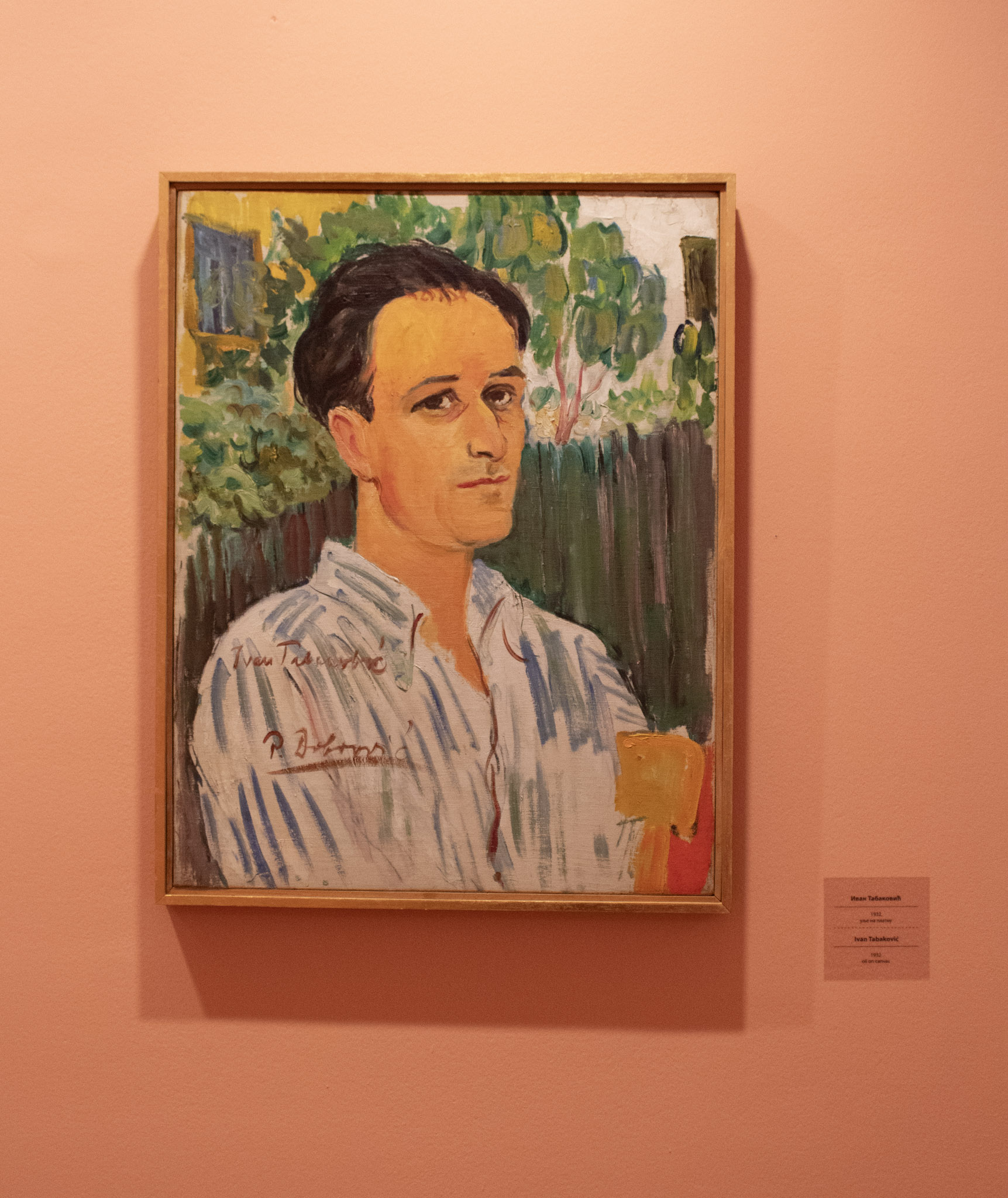
Petar Dobrović (1890–1942) was one of Serbia’s most important painters and a leading figure of modernism in the interwar period. He is particularly renowned for his exceptional use of color, which earned him a place among the foremost representatives of Serbian colorism. His work includes portraits, landscapes, and Mediterranean scenes, while his early paintings reflect the influence of Impressionism and Cubism. In addition to painting, he was also an art critic.
Dobrović was born in Pécs, in present-day Hungary, into a prominent Serbian family with four sons. He was the eldest, while the youngest, Nikola Dobrović, became one of Serbia’s most influential 20th-century architects. His other two brothers served in the military and were killed during the First World War.
He studied in Budapest and continued his artistic training in Paris, where he encountered the leading movements of European modern art. After 1921, he settled in Belgrade, which became the center of his artistic career.
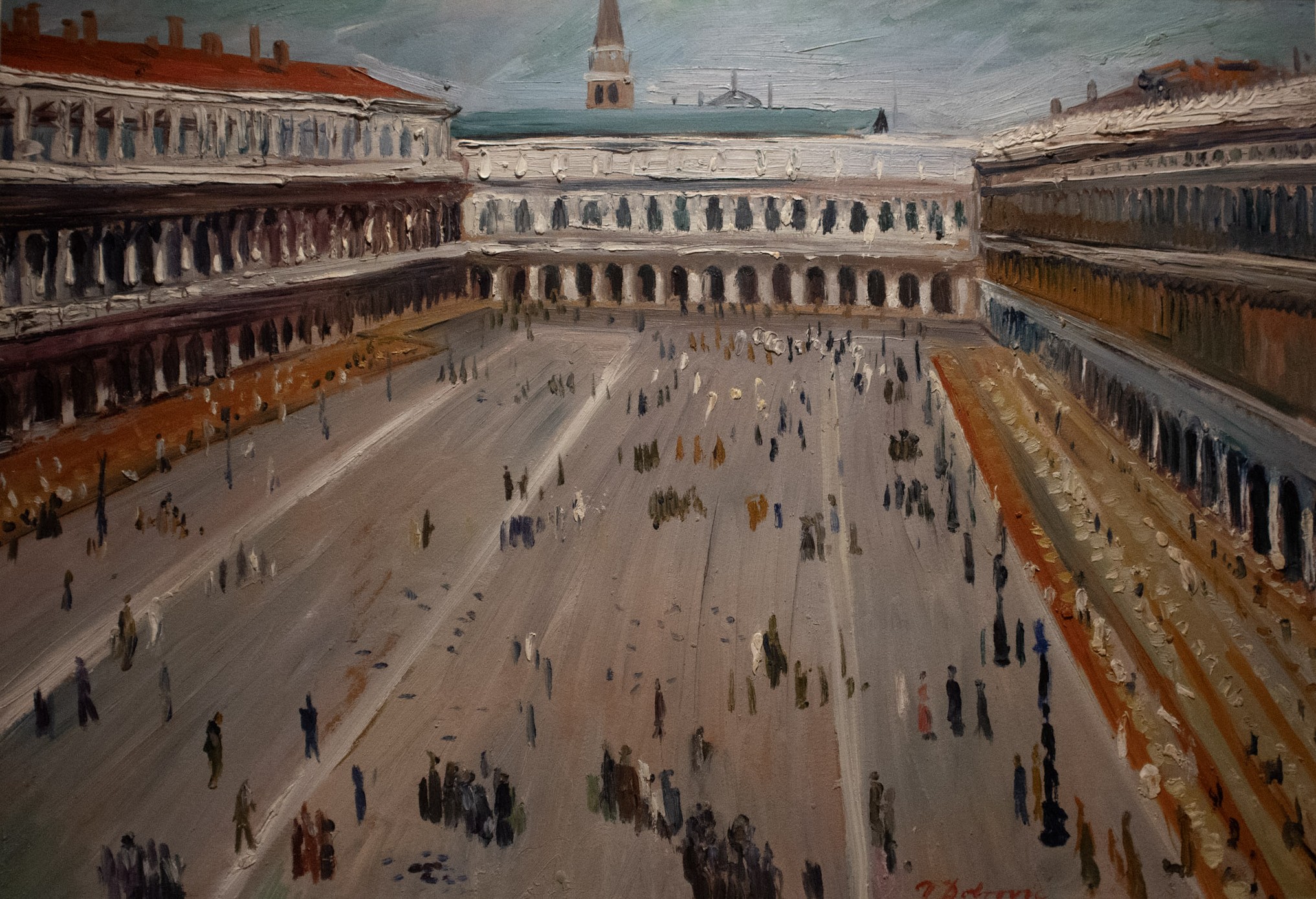
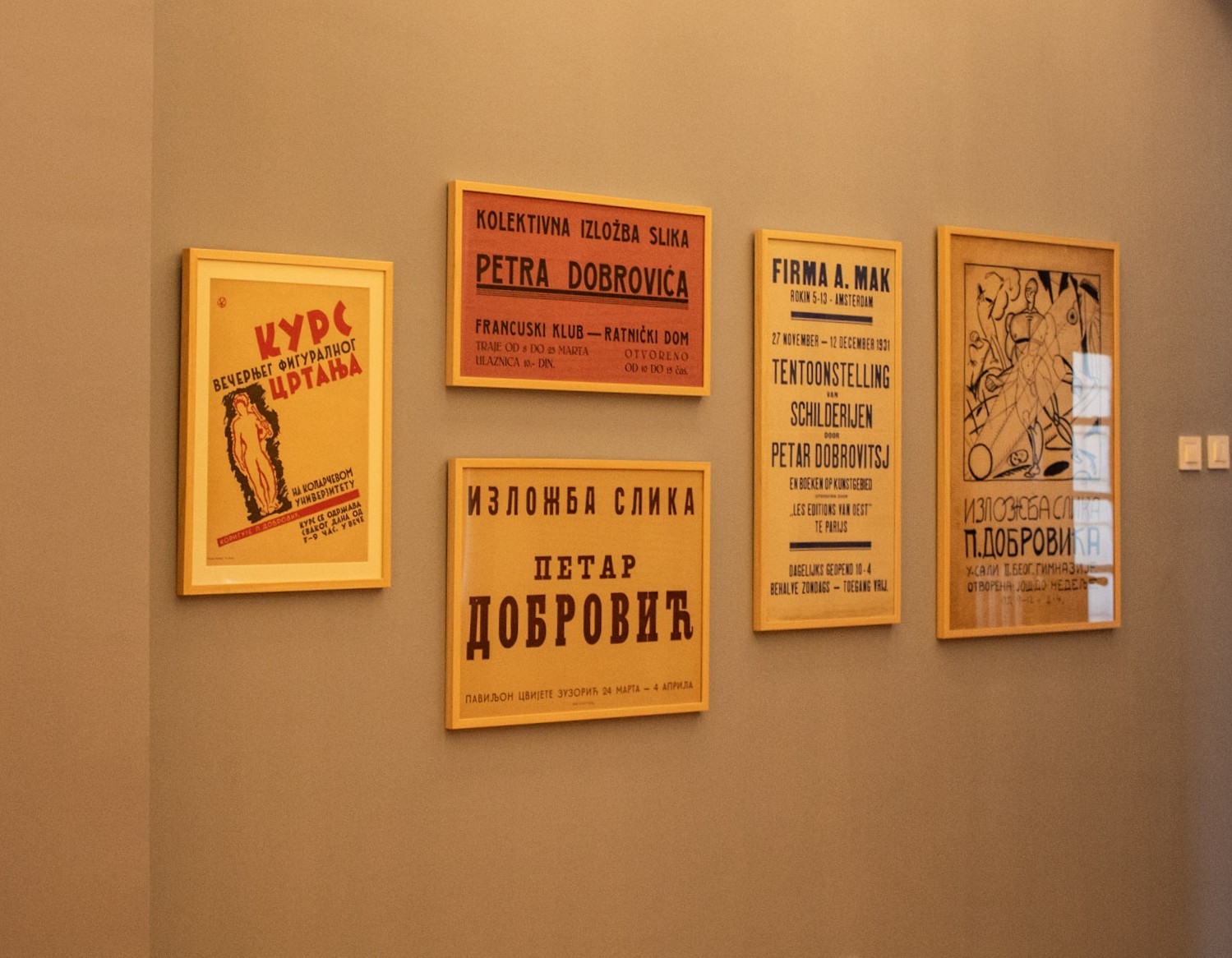
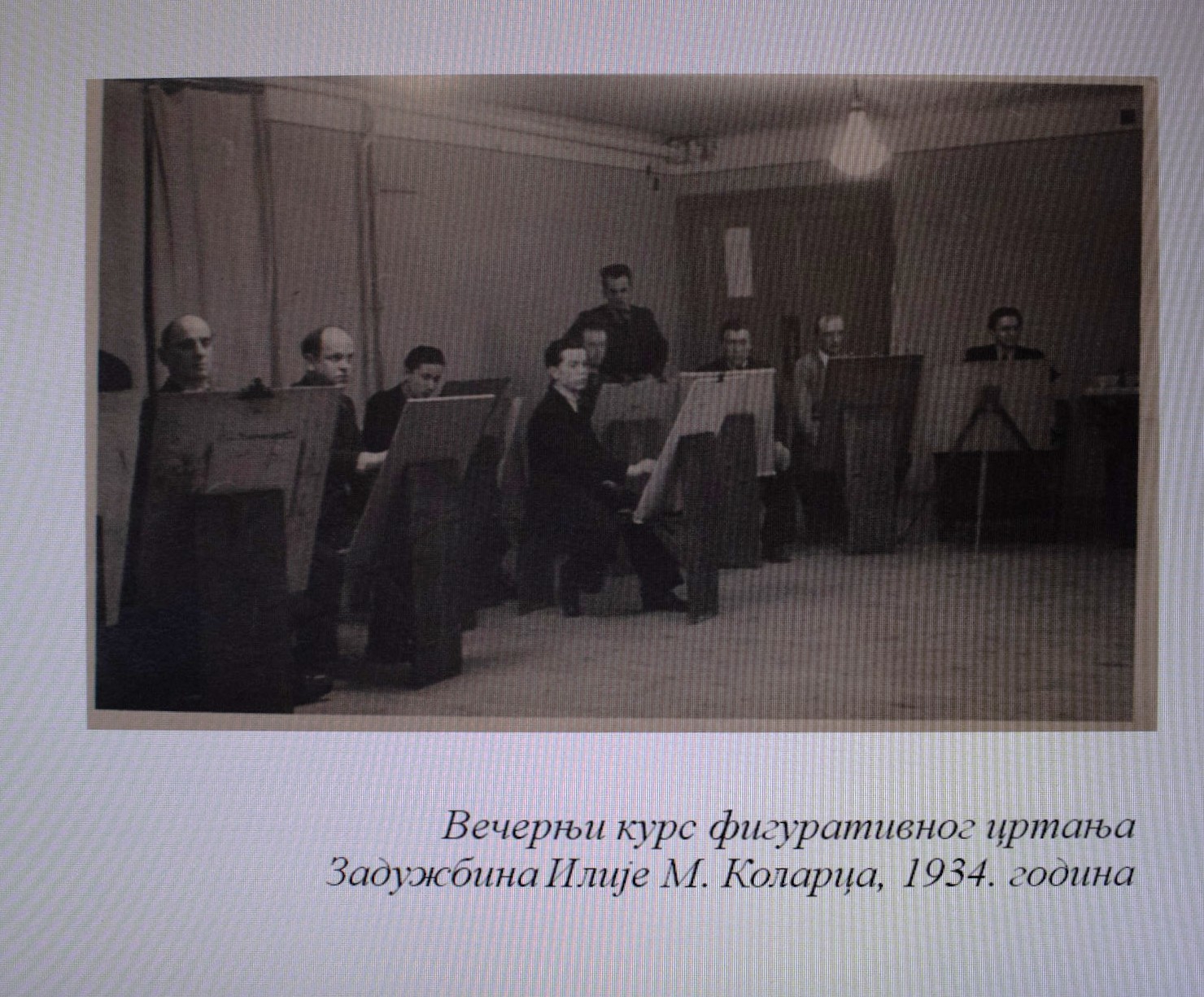
Dobrović was also a professor at the School of Art and one of the founders of the Academy of Fine Arts in Belgrade, where he taught from 1937 onward. He exhibited widely across Europe, including in Paris, Budapest, Prague, Venice, and Belgrade, and was one of the founders of the artistic group Oblik.
In addition to his artistic career, Dobrović was briefly involved in politics. After the First World War, he actively supported efforts by part of the Serbian population in Baranja to unite the region with the Kingdom of Serbs, Croats, and Slovenes. In this context, he was elected president of the short-lived Baranya-Baja Republic in August 1921. After the republic collapsed, he was forced to leave his hometown of Pécs and settle permanently in Belgrade, as returning to Hungary was no longer possible.
His family home in Pécs was demolished during the urban redevelopment of that part of the city in the 1960s. Although Petar Dobrović is regarded as one of Serbia’s most important 20th-century painters and his brother Nikola as one of the country’s leading architects, local authorities in Pécs have never approved the installation of a commemorative plaque at the site of their family home.
Dobrović died in 1942, during the German occupation of Belgrade, after suffering a heart attack in the elevator of the building on Kralja Petra Street where he lived.
GALLERY
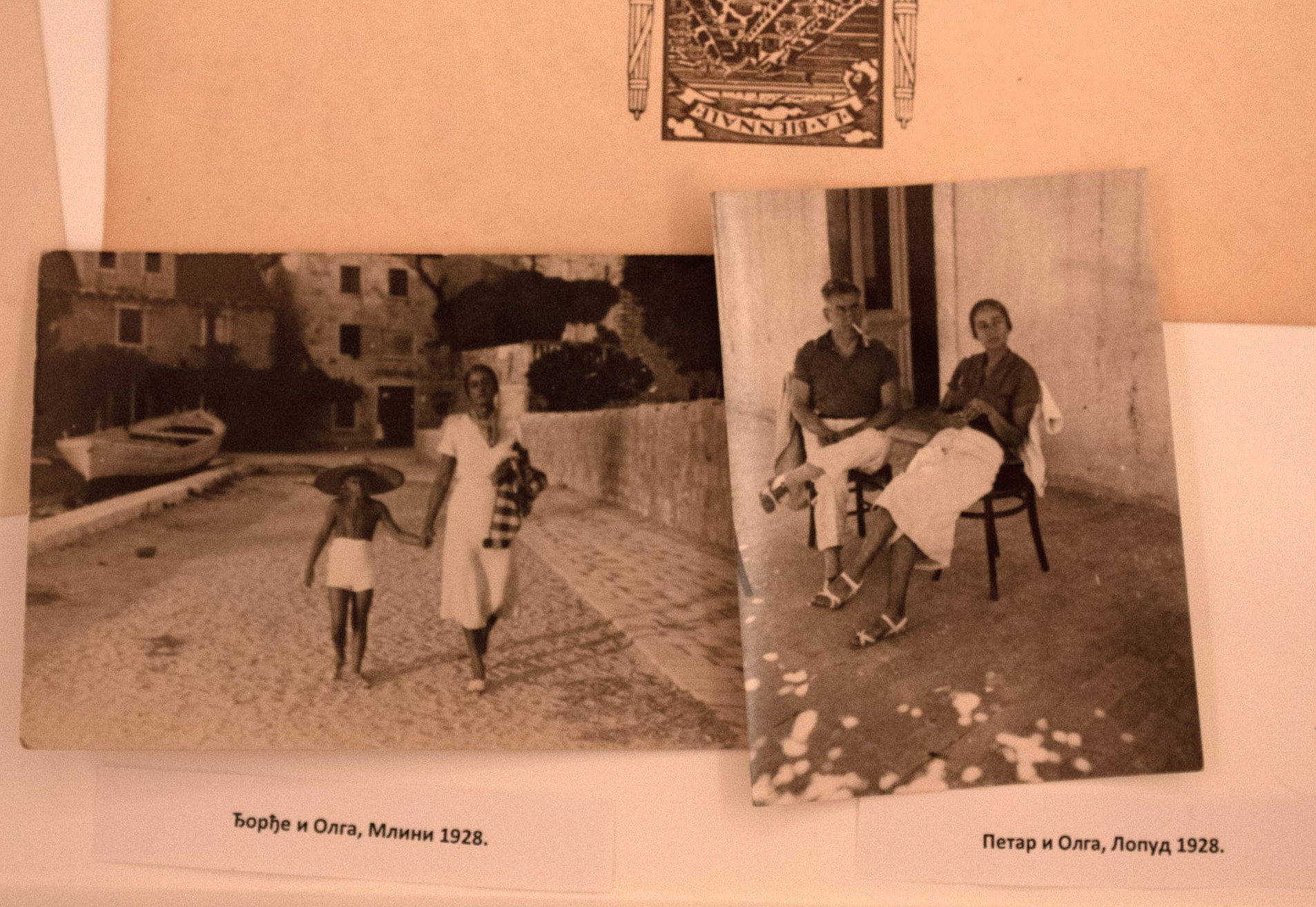
The Petar Dobrović Gallery is located on the fourth floor of the building where the painter lived with his wife, Olga, and their son, Đorđe.
It opened in 1974 in his former apartment, after the artist’s family donated his entire collection to the state.
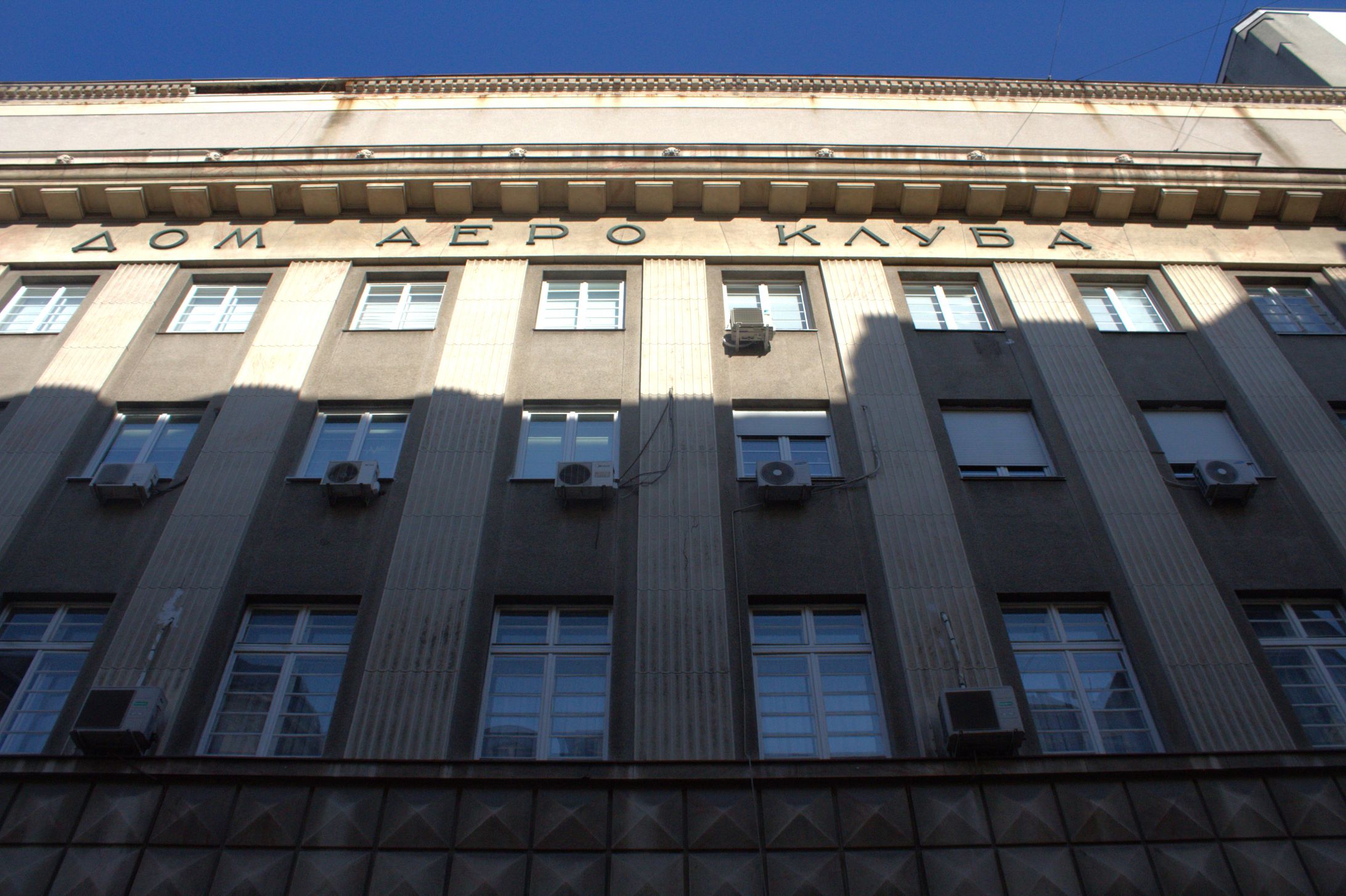
The gallery is housed in the Aero Club Building, one of the finest examples of Art Deco architecture in Belgrade. The building was completed in 1935 for the aviation services of the Kingdom of Yugoslavia and was designed by architect and pilot Vojin Simeonović.
The legacy collection preserves more than 1,400 works of art, along with Petar Dobrović’s extensive personal and professional archive. It offers a unique insight into the work of one of Serbia’s most important painters and one of the leading colorists of modernism.