THE REIS-UL-KUTAB WAQF
The building that now houses the Museum of Vuk and Dositej was built in the mid-18th century as the waqf (charitable endowment) of Reis-ul-Kutab Hadži Mustafa. It is believed to have been constructed between 1739 and 1789, when Belgrade was part of the Ottoman Empire. According to historical sources, it also served for a time as the residence of the Belgrade defterdar, the chief financial official of the Ottoman administration.
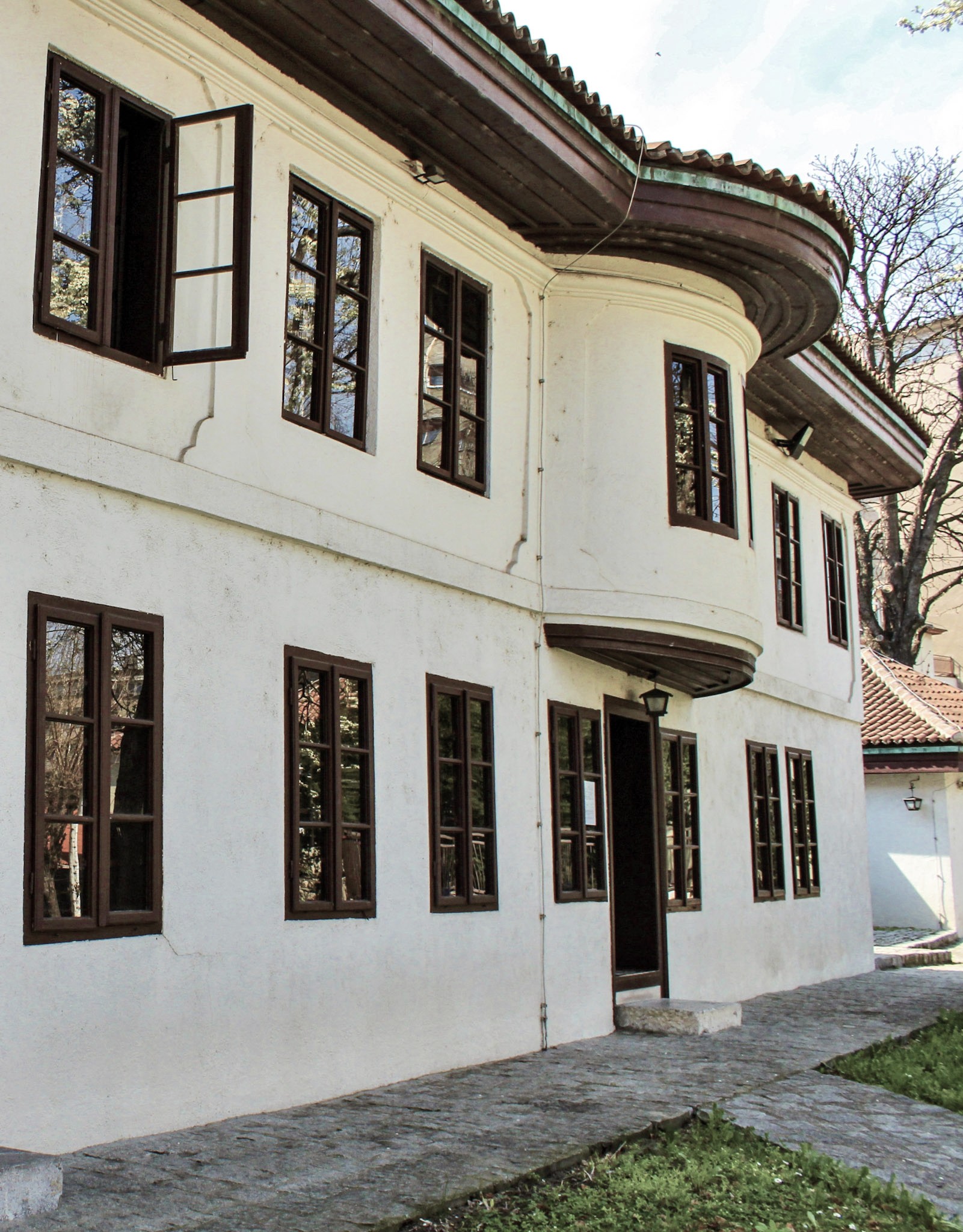
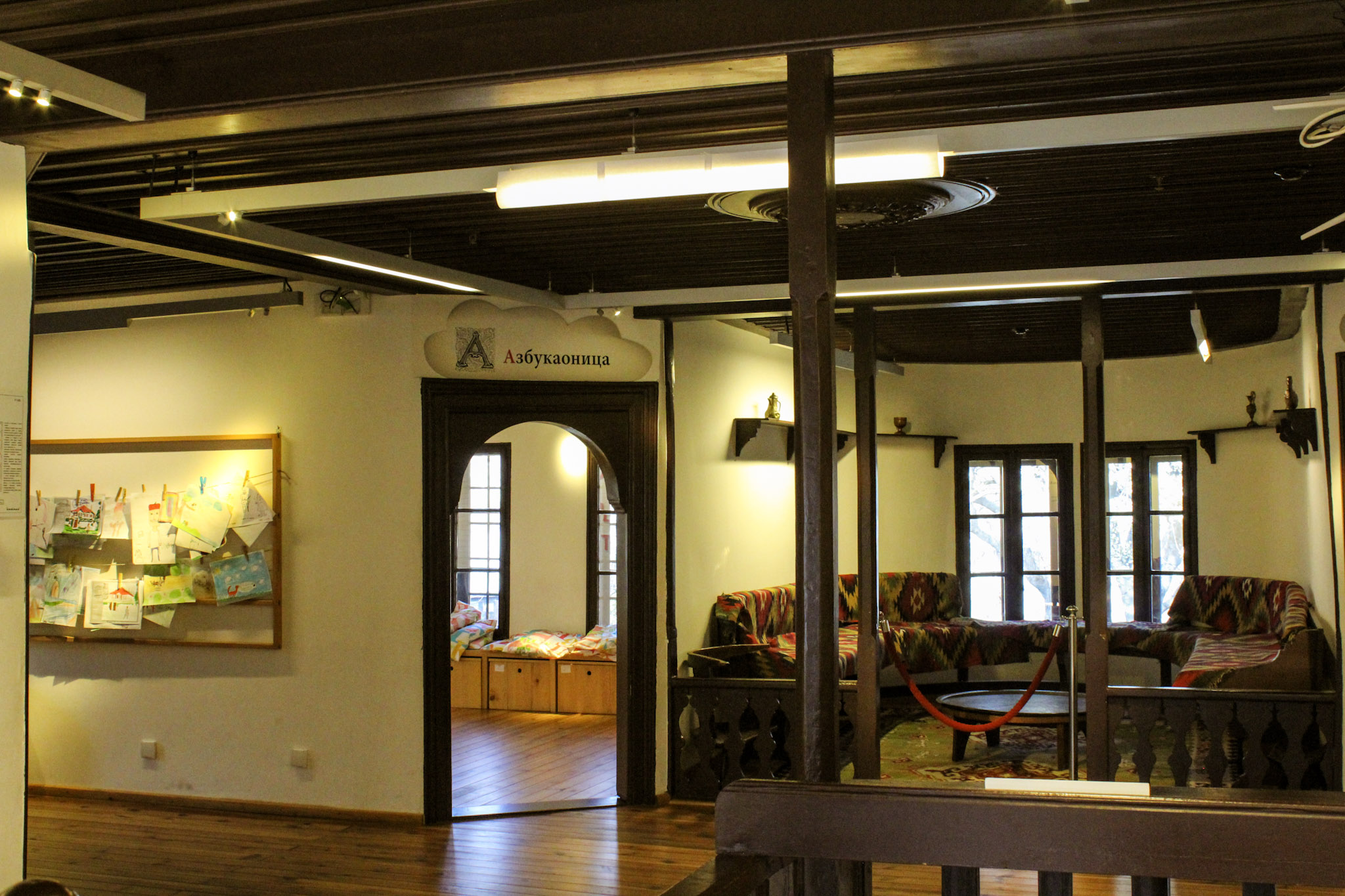
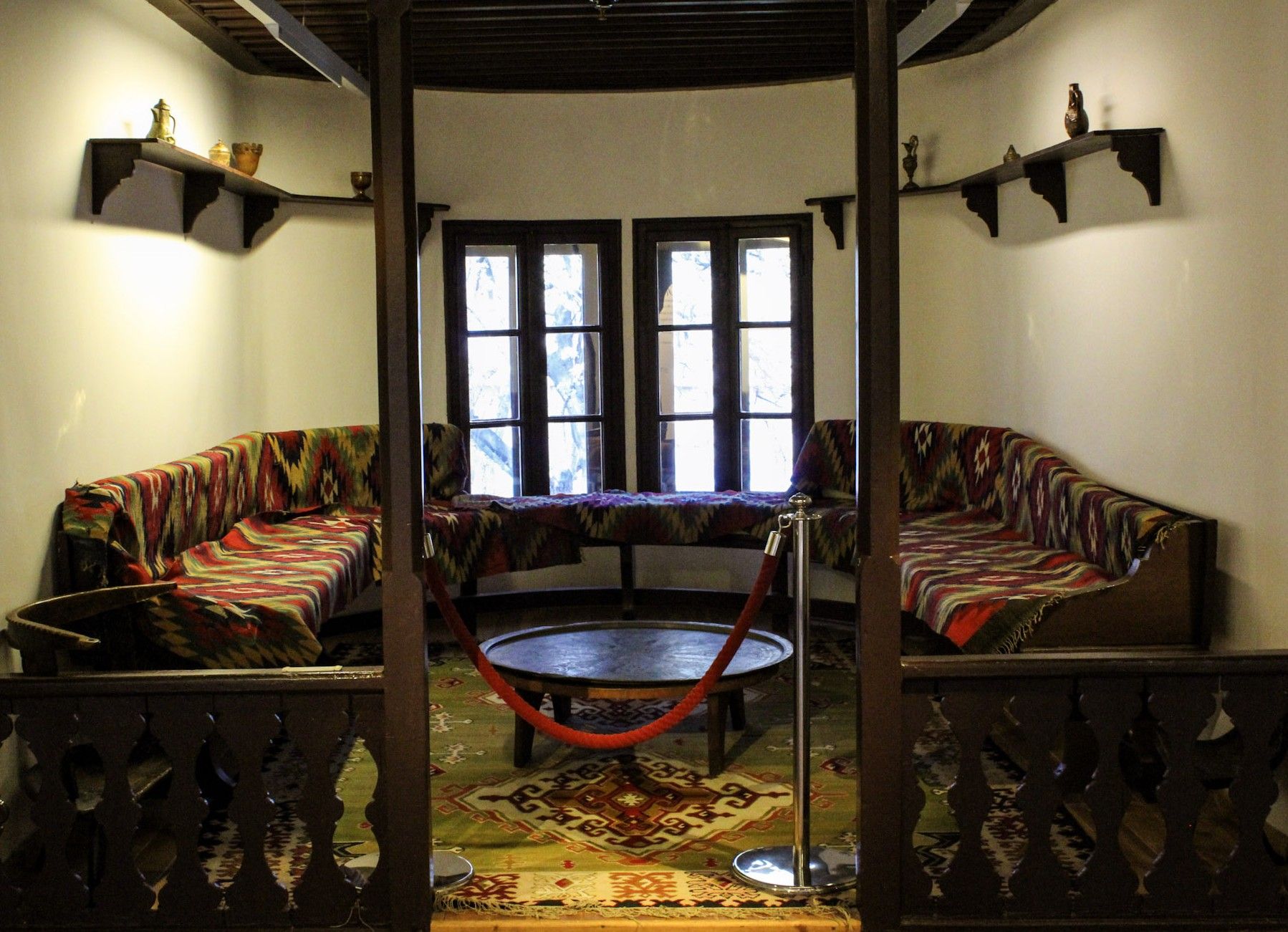
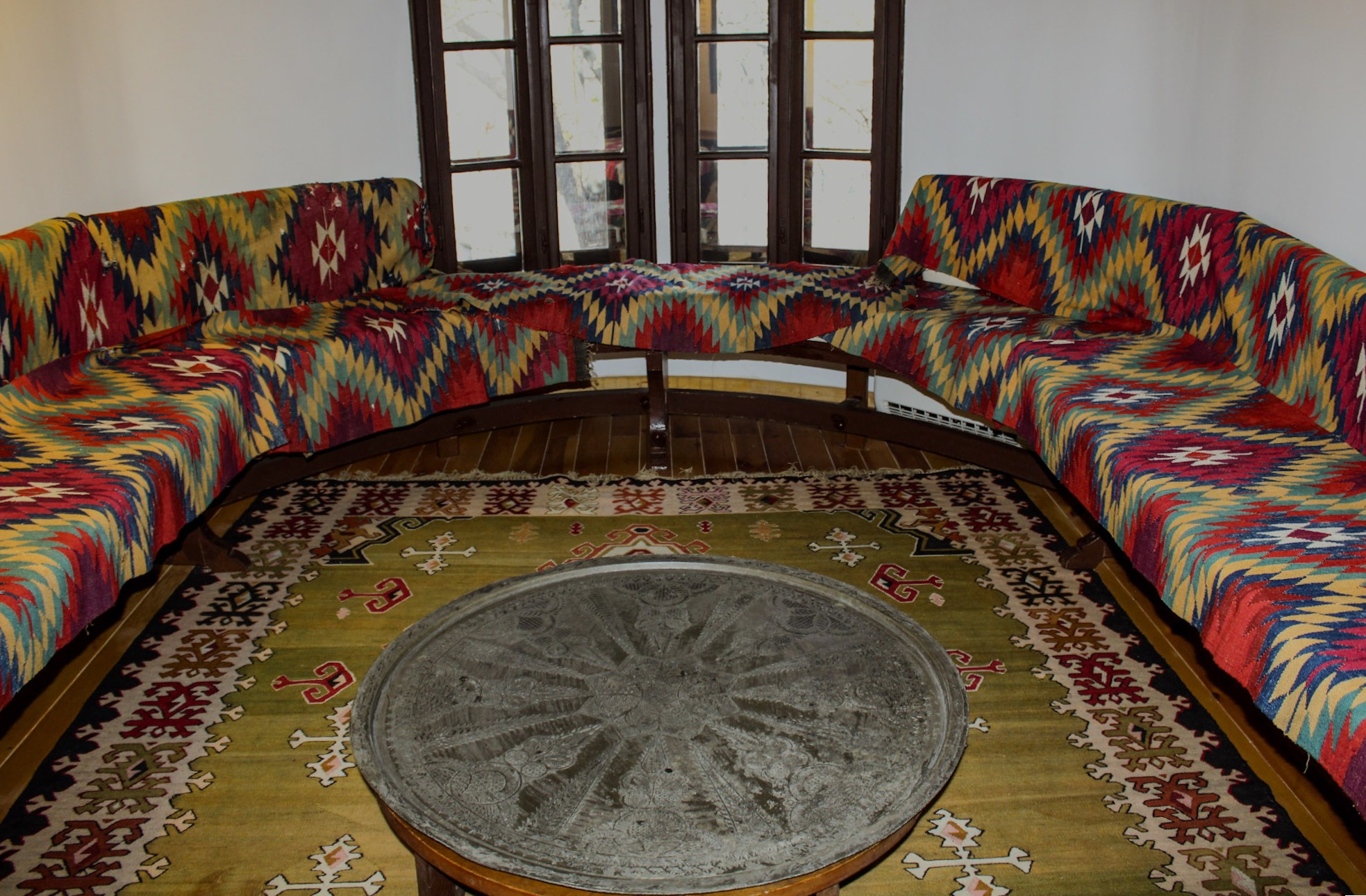
The house is a fine example of Balkan-Ottoman residential architecture. Its layout is organized around a central divanhana, a reception hall used for meetings and social gatherings. The interior was traditionally divided into the selamluk, reserved for male family members and guests, and the haremluk, the private family quarters facing the garden. Although the building has undergone restoration, it still preserves the character of domestic life in Ottoman Belgrade.
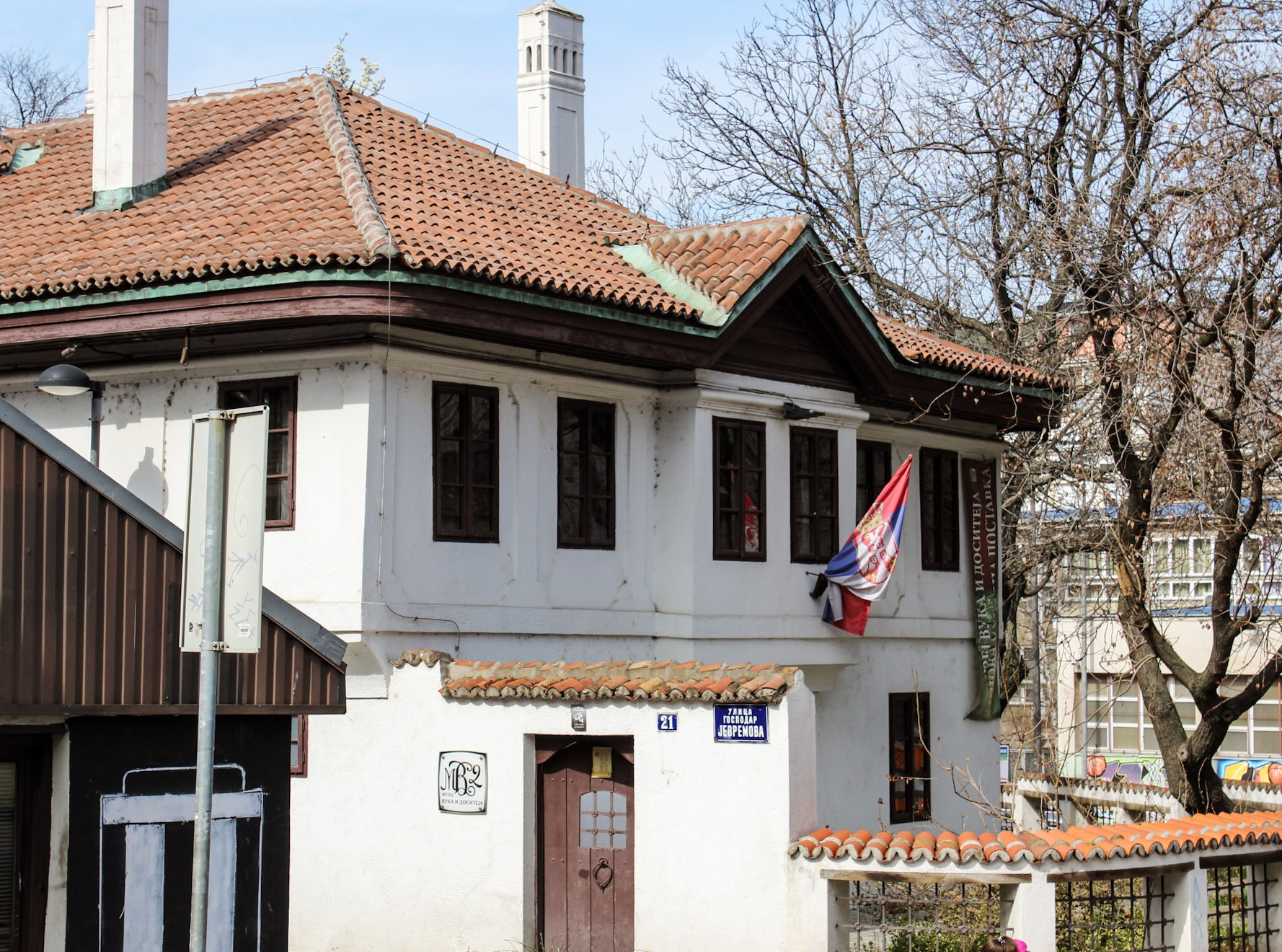
At the beginning of the 19th century, the house took on a new role. In 1809, it became the home of the Great School, the first institution of higher education in modern Serbia, founded by Dositej Obradović. Among its first students was Vuk Karadžić, who would later reform the Serbian language and alphabet. The school closed in 1813 after the collapse of the First Serbian Uprising, but it later evolved into the University of Belgrade.
After the Second World War, the building was restored, and in 1949 it became the Museum of Vuk and Dositej. The museum is housed here because this was the site of the Great School between 1809 and 1813. Dositej Obradović founded the school, and Vuk Karadžić was one of its first twenty students.
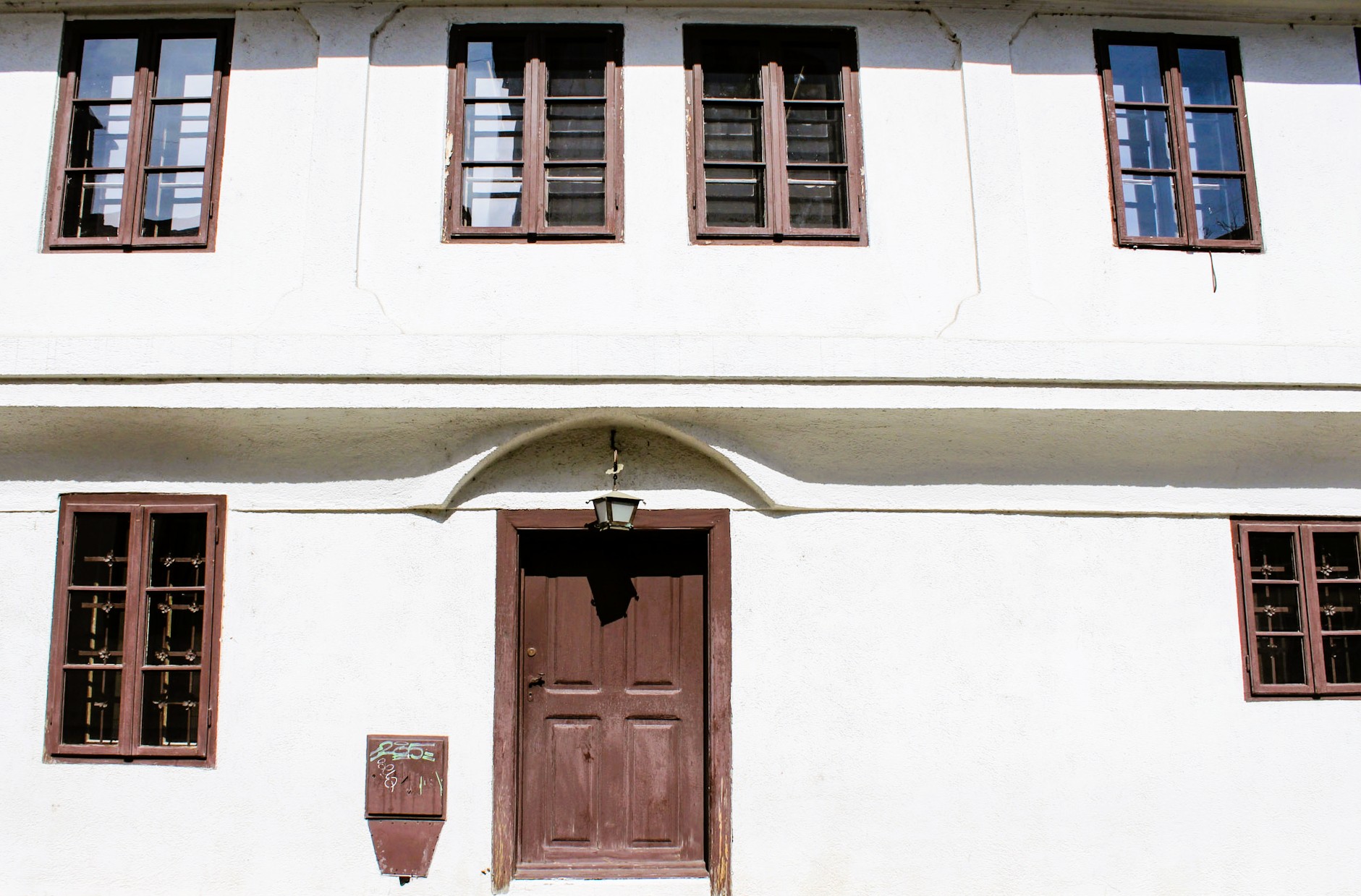
THE GREAT SCHOOL
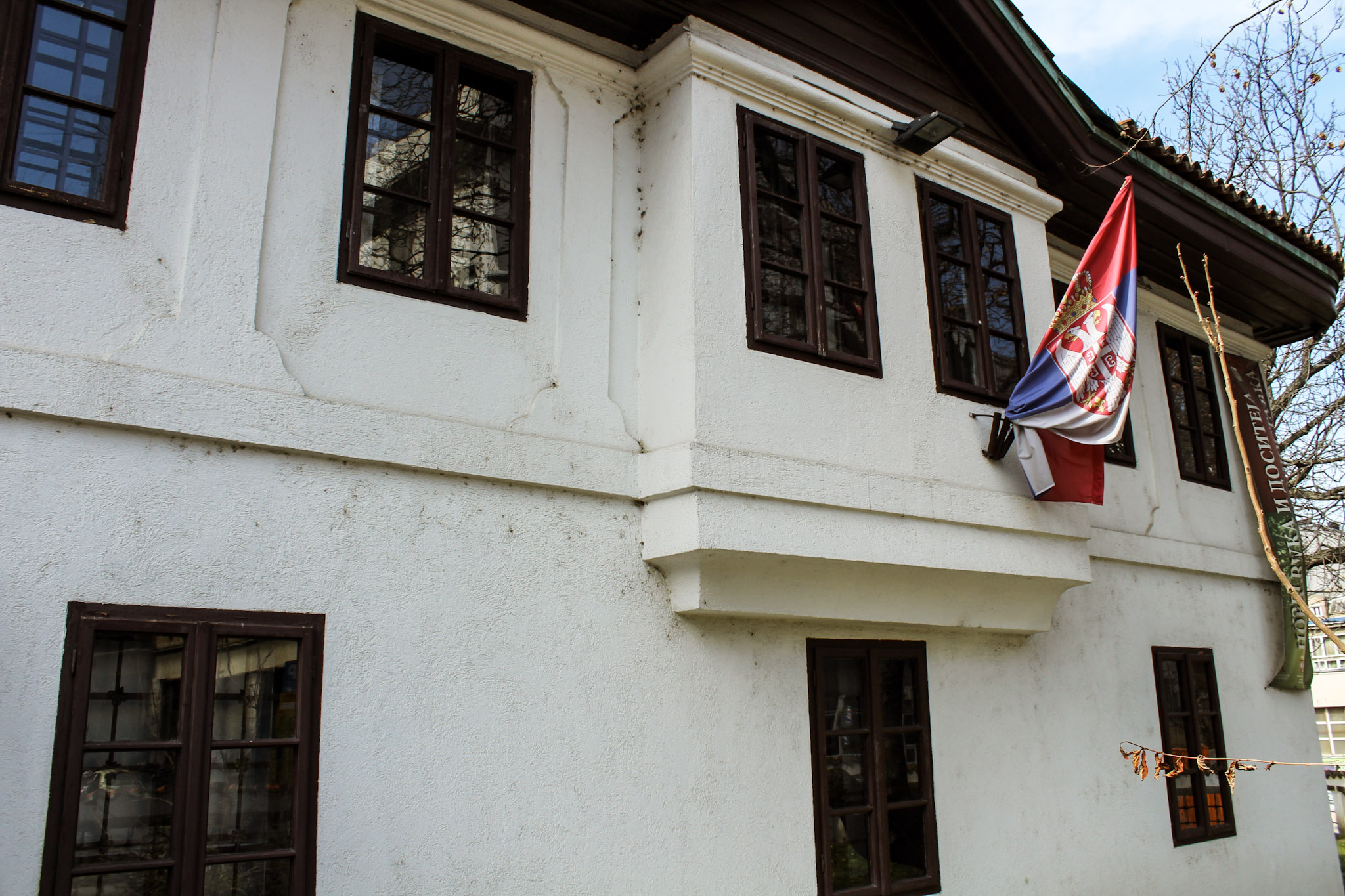
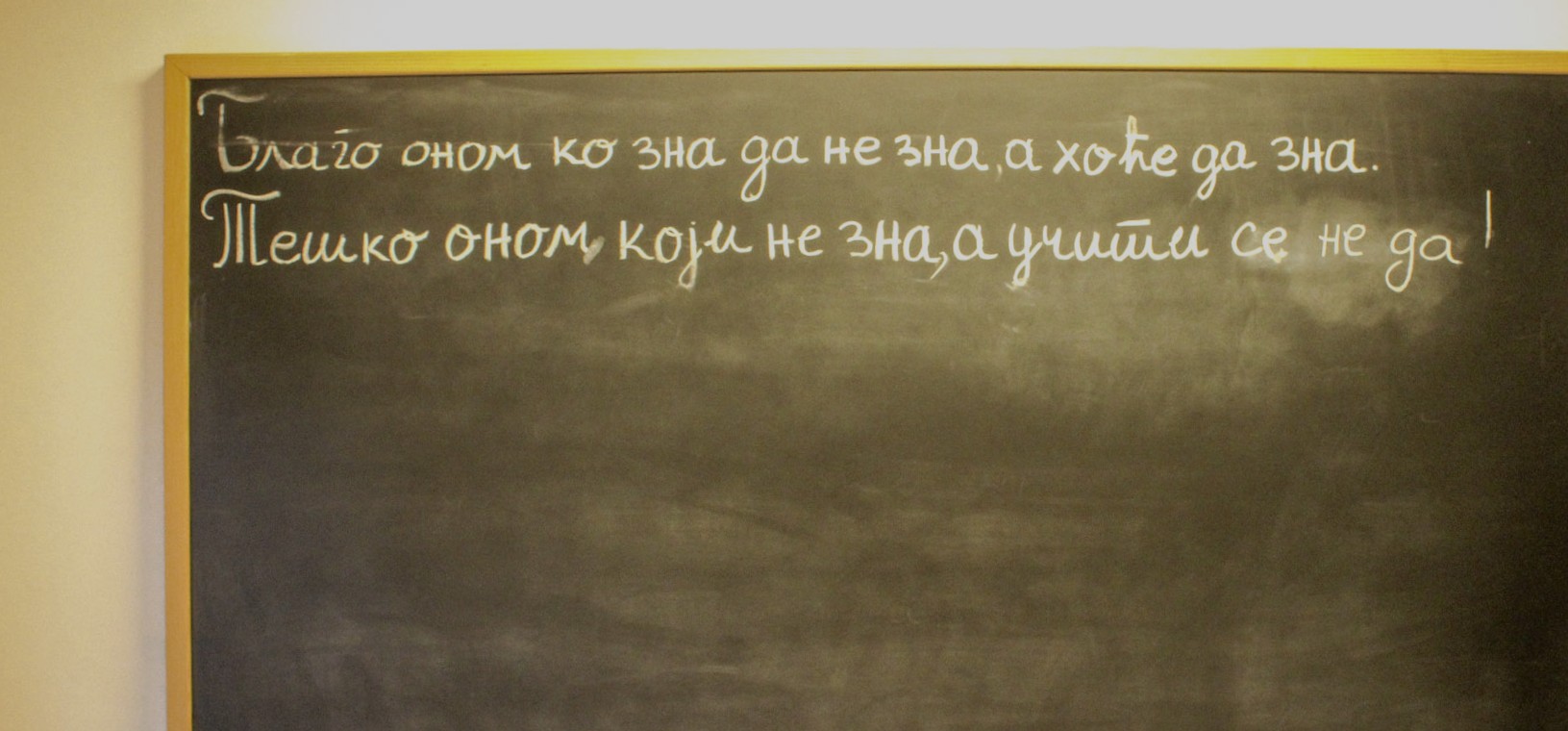
At the beginning of the 19th century, the house took on a new role. In 1809, it became the home of the Great School, the first institution of higher education in modern Serbia. Founded a year earlier during the First Serbian Uprising, the school trained civil servants and other educated professionals needed for the emerging Serbian state. Its founders were Dositej Obradović and Ivan Jugović, who also served as its first headmaster.
There were no textbooks. Students sat on straw chairs and copied their professors' lectures by hand, while the teachers relied on foreign books and maps. The curriculum included history, geography, mathematics, foreign languages, law, moral philosophy and church chanting, as well as fencing and military training with firearms, reflecting the circumstances of Serbia during the uprising.
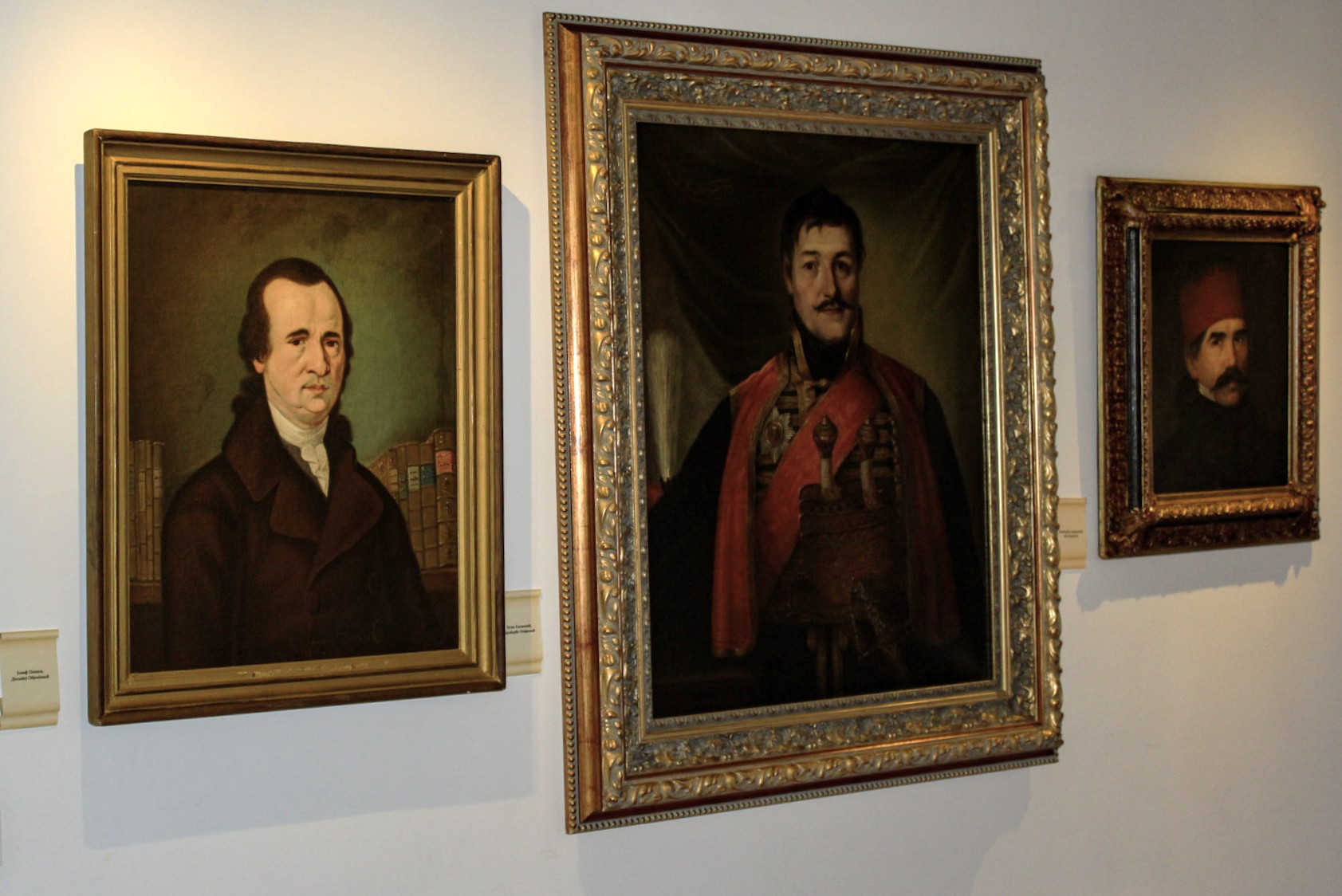
Vuk Karadžić, who would later reform the Serbian language and alphabet, was among the first twenty students enrolled at the school. During its brief existence, the Great School had a total of only thirty-six students. Many of its graduates became civil servants, judges and clerks, helping to build the institutions of the new Serbian state.
The school closed in 1813 after the collapse of the First Serbian Uprising. It is regarded as the foundation of higher education in Serbia and the predecessor of the University of Belgrade.
MUSEUM
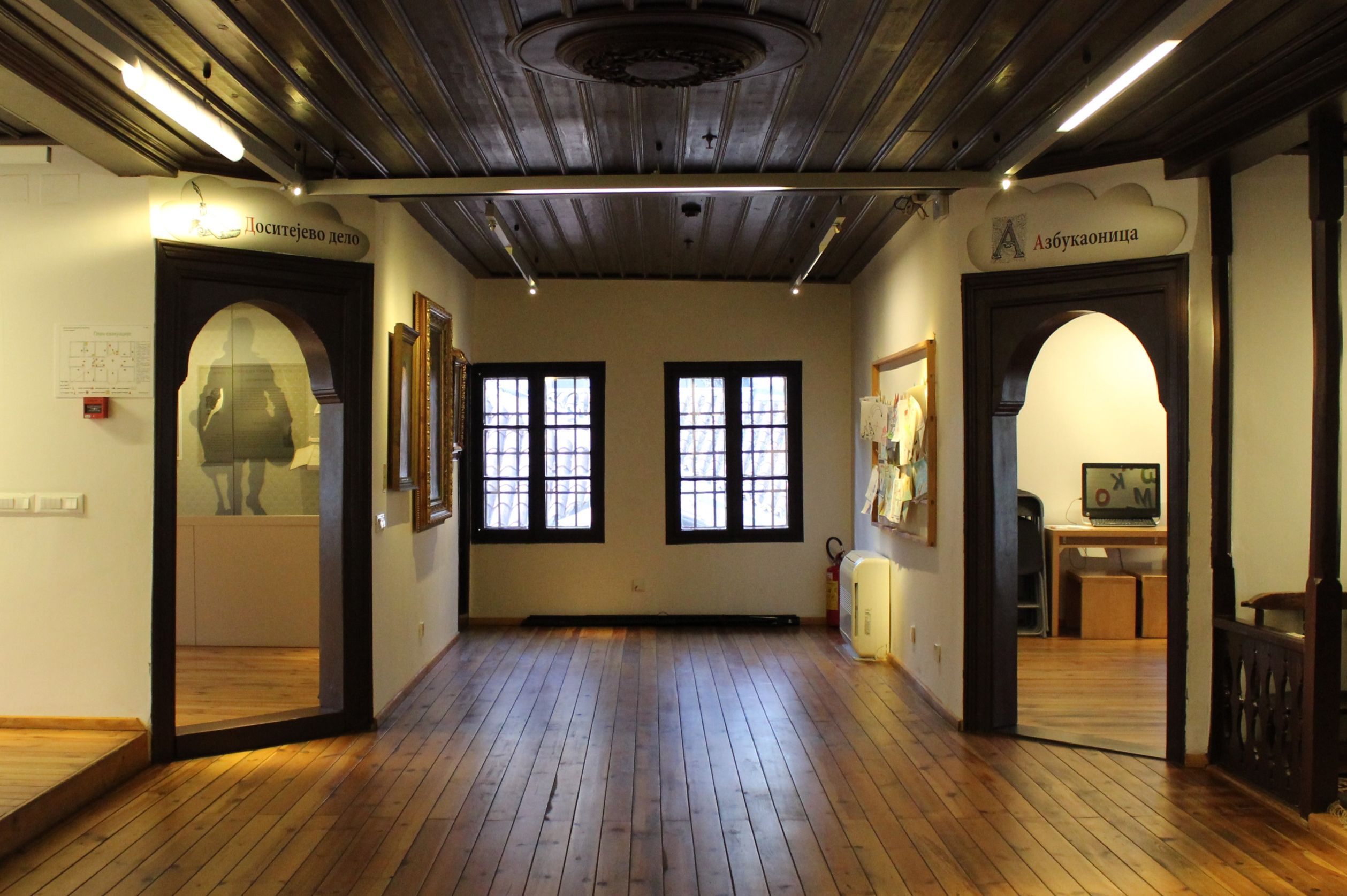
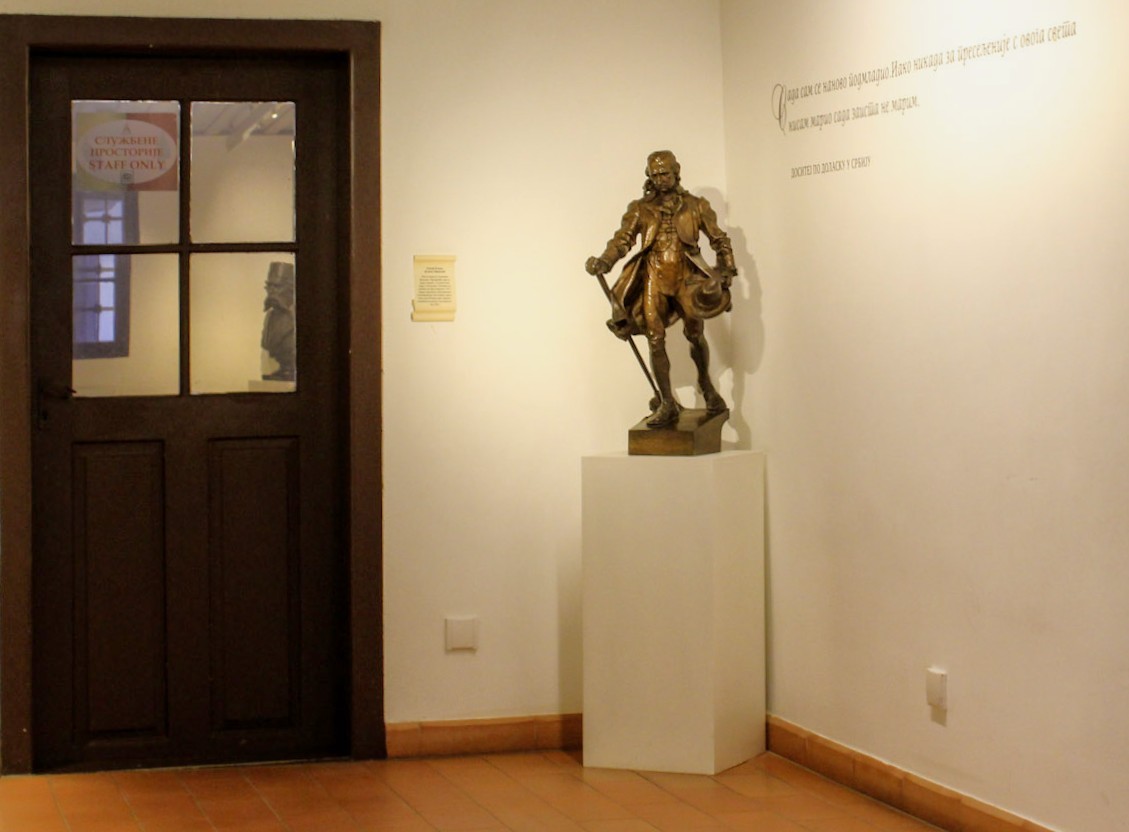
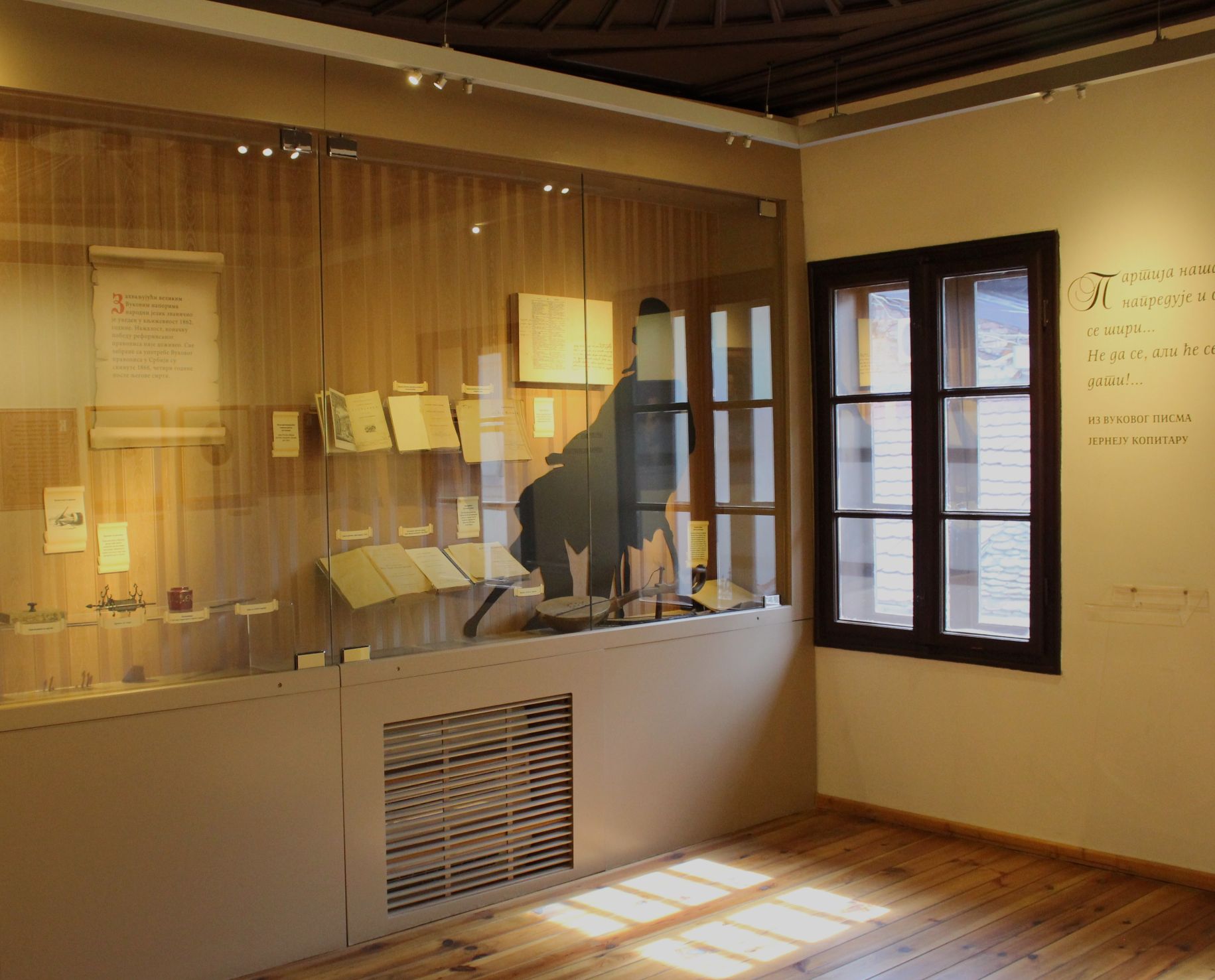
During the 19th century, the building changed owners and served a variety of purposes. After its restoration following the Second World War, it became the home of the Museum of Vuk and Dositej in 1949. The museum occupies the former premises of the Great School, which operated here between 1809 and 1813. The school was founded by Dositej Obradović, while Vuk Karadžić was among its first students.
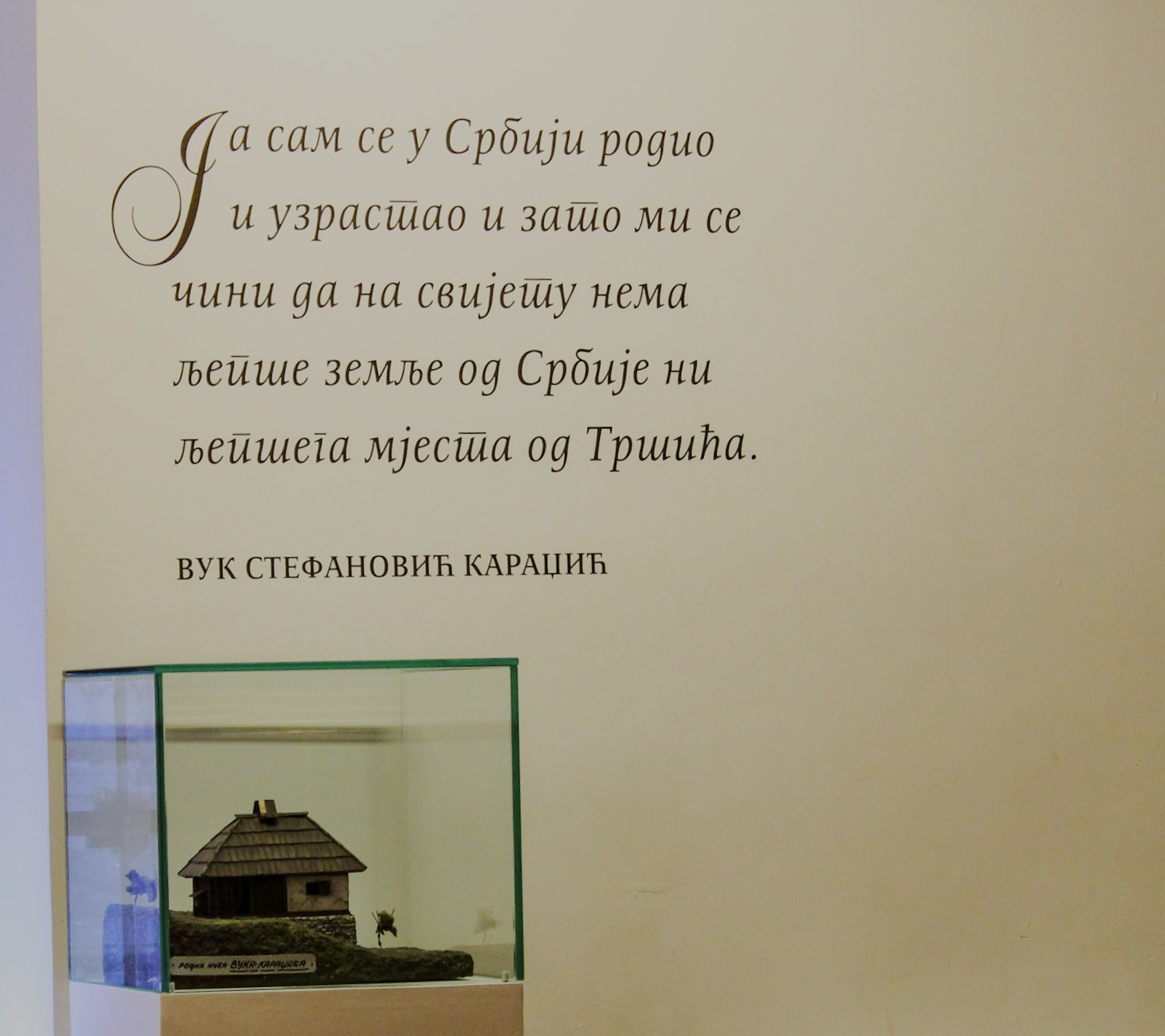
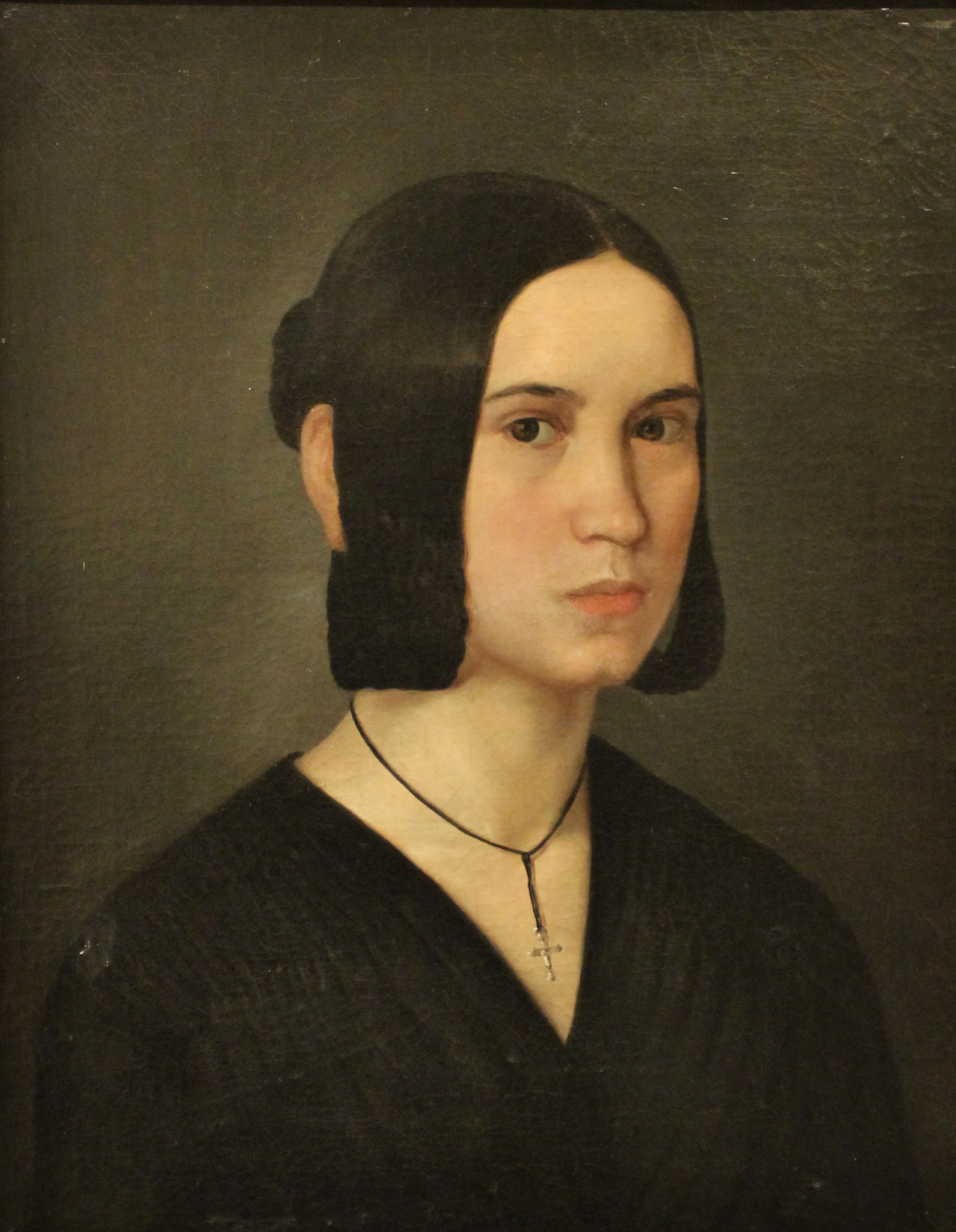
The museum's collection is dedicated to two figures who shaped the development of modern education, literature and culture in Serbia. Its most valuable part is the legacy of Vuk Karadžić, donated to the Kingdom of Serbia at the end of the 19th century by his daughter, Mina Karadžić-Vukomanović, one of the first Serbian women painters. The collection includes his personal and family belongings, manuscripts, portraits, works of art, first editions of his books and an extensive archive.
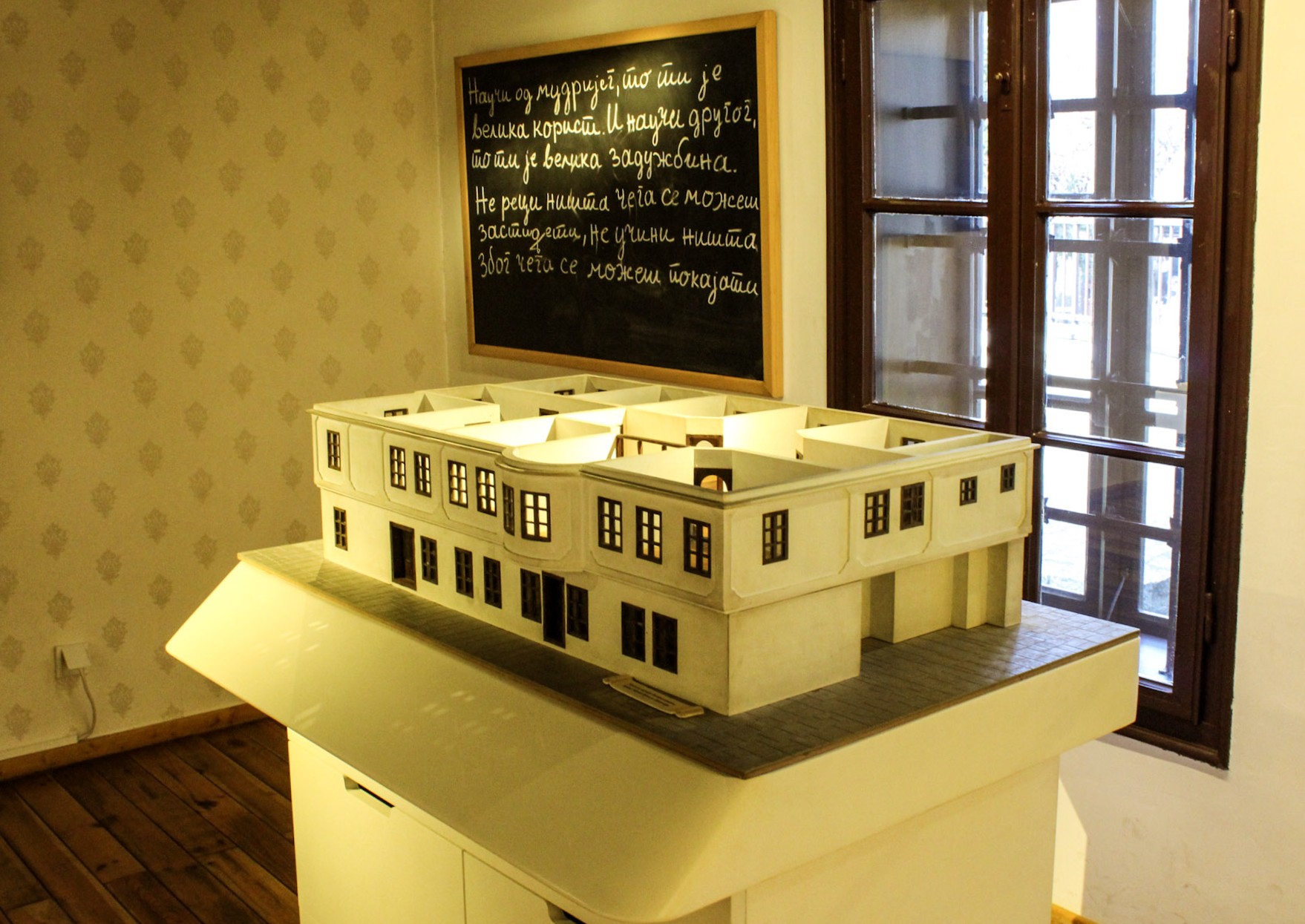
Unlike Vuk's legacy, none of Dositej Obradović's personal belongings survived, as they were destroyed in the fire that swept through Belgrade in 1813. His section of the collection includes correspondence, manuscripts, portraits and first editions of his works, offering insight into the life and work of Serbia's first Minister of Education and one of the country's leading Enlightenment thinkers.