Skip to content

BLOCK 24

WHERE IS IT?

Block 24 is bordered by Arsenija Čarnojevića Boulevard, Antifašističke Borbe Street, Milutin Milanković Boulevard, and Španskih Boraca Street.

THE HISTORY

The political crisis following the death of Josip Broz Tito also affected the development of New Belgrade. In 1981, a decision was made to revise the urban plan for the area. Blocks 24, 25, and 26 had not originally been planned as residential blocks; instead, the space between the SIV building and the New Belgrade railway station was intended for an administrative and business zone.

However, in 1982, a competition was announced for the construction of a residential complex in Block 24, permanently abandoning the idea of a business district in this part of the city. This decision opened the door to market-driven interests and interrupted the modernist vision for New Belgrade.

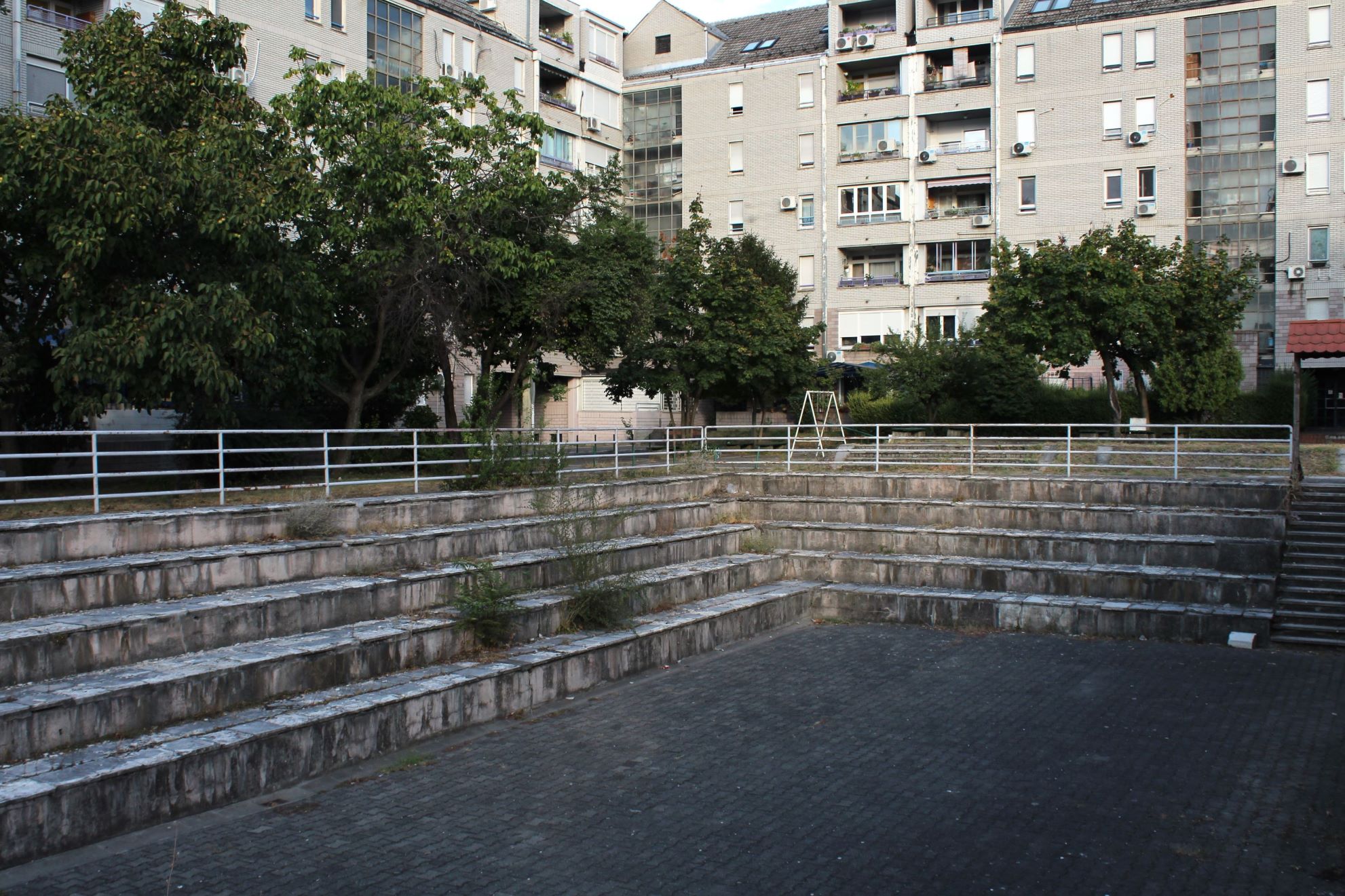
Amfiteatar u bloku 24

The block project was designed by architects Bogdan Slavica and Vladimir Slavica, and construction, which began in 1985, was completed in 1989.
Block 24 is thus the last planned and executed residential block of the Central Zone of New Belgrade, which was declared a cultural heritage site in 2021.

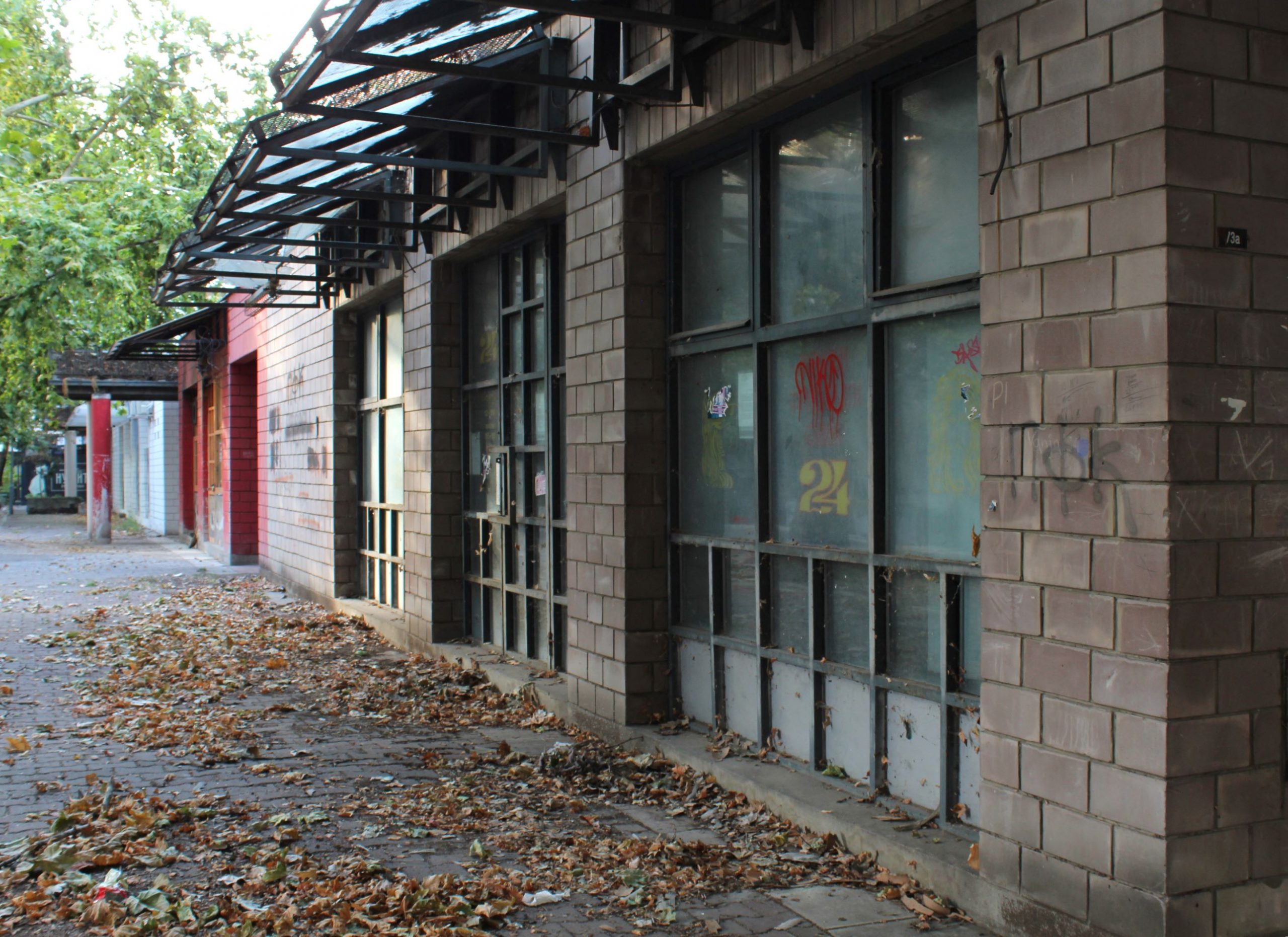
According to the plan, six five-story residential buildings were constructed, housing around 2,000 residents. The original plan also included garages, a kindergarten, a marketplace, a cultural center, as well as a hotel, restaurant, cinema, and other public buildings, but these were never built due to the political and economic crisis.

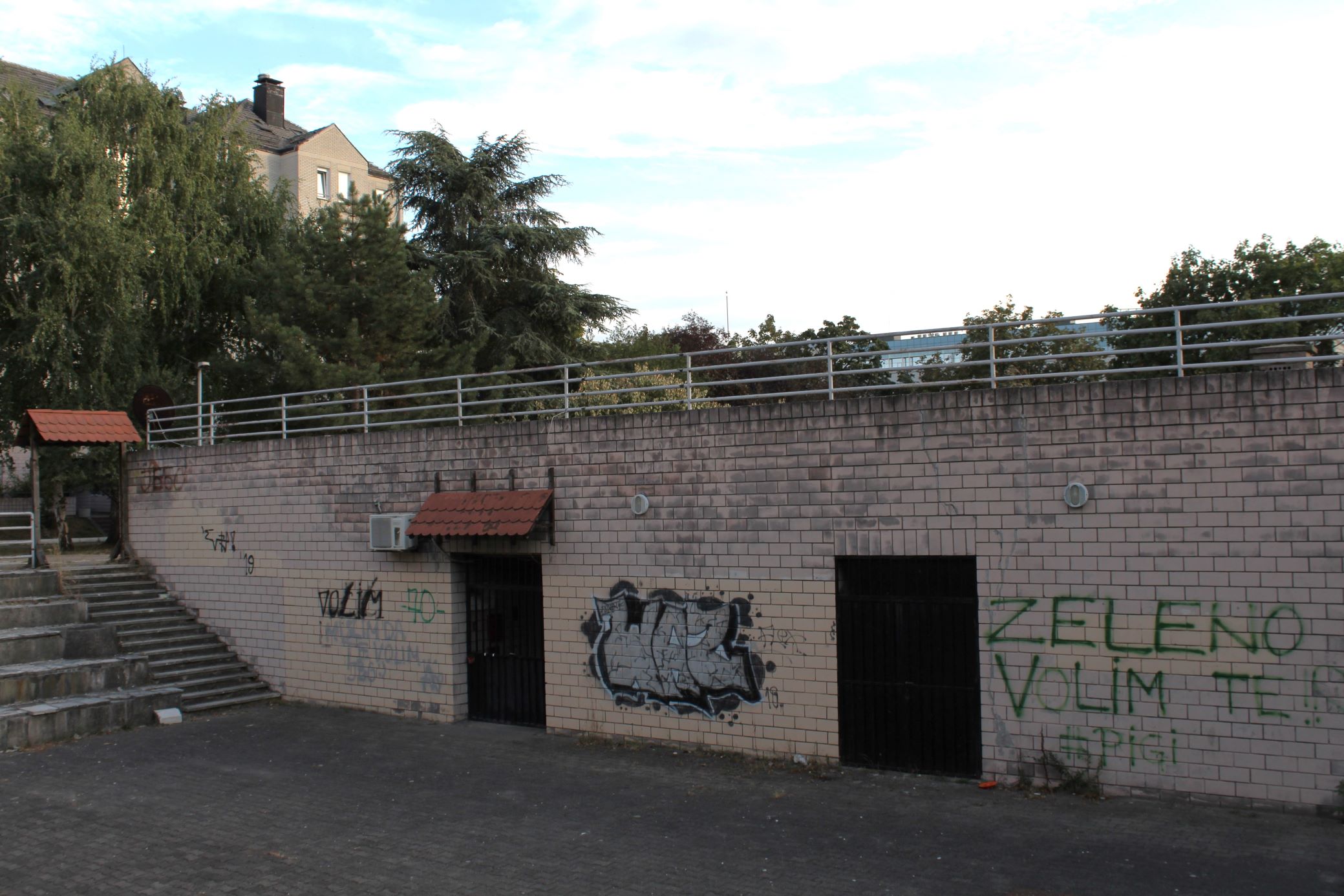
Along Španskih Boraca Street, a small square-based amphitheater/seating area was constructed, which today serves various functions.

It was not until 2002 that the planned commercial building—a supermarket by the company Veropulos—was constructed, designed by architect Žaklina Gligorijević. When completed, Block 24 belonged to the local community “Njegoš,” along with Block 28.

THE DESIGN

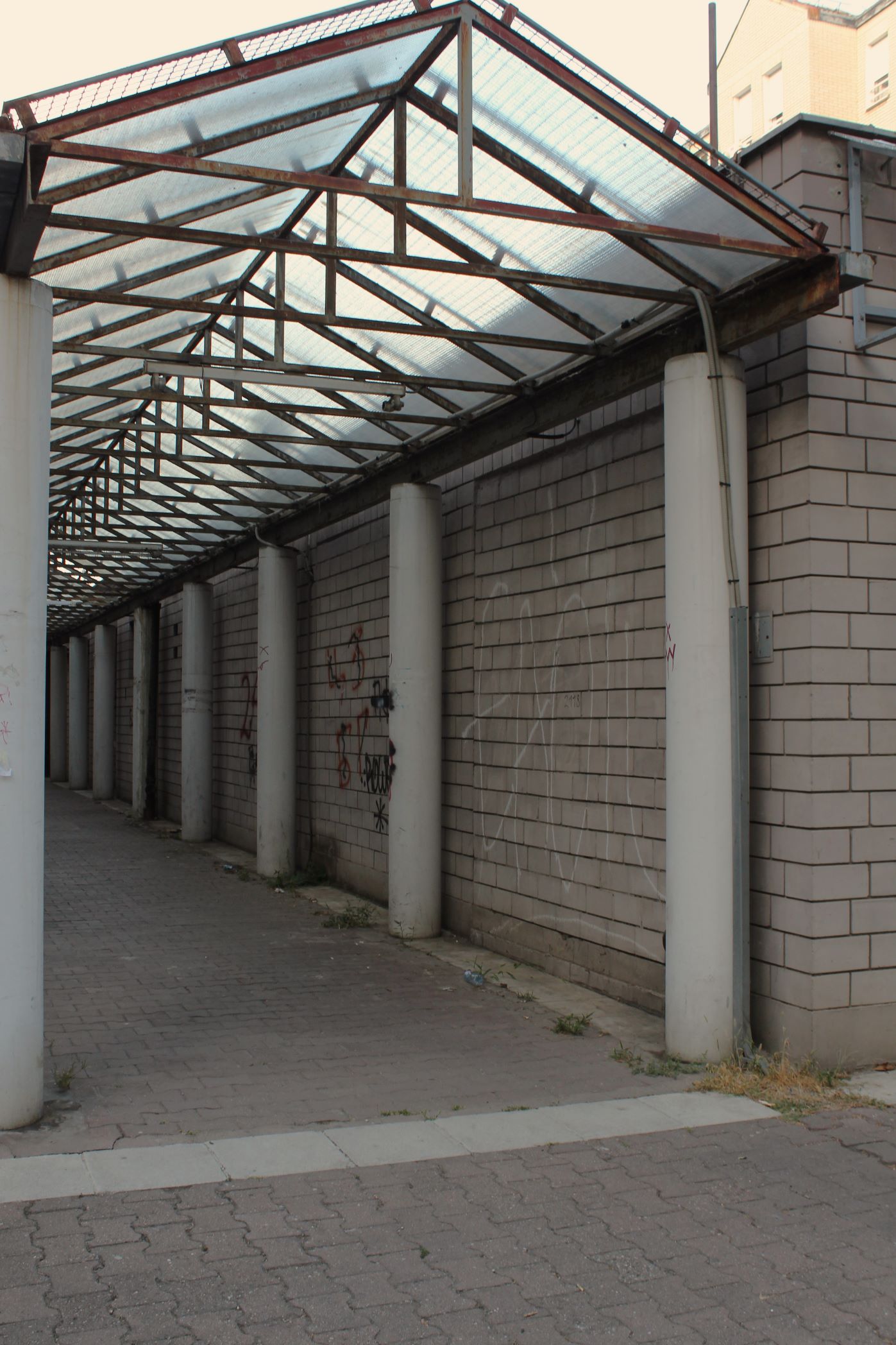
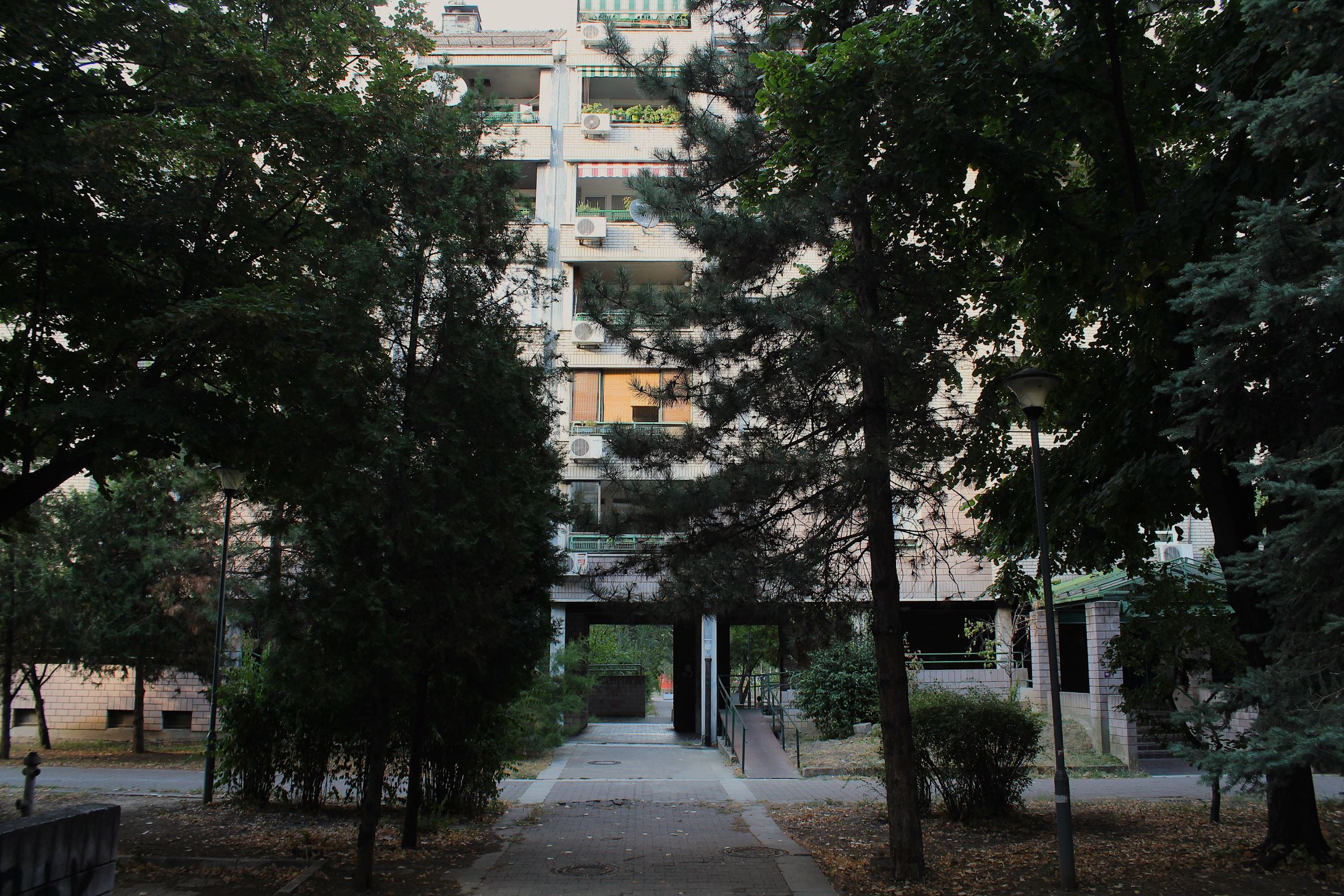
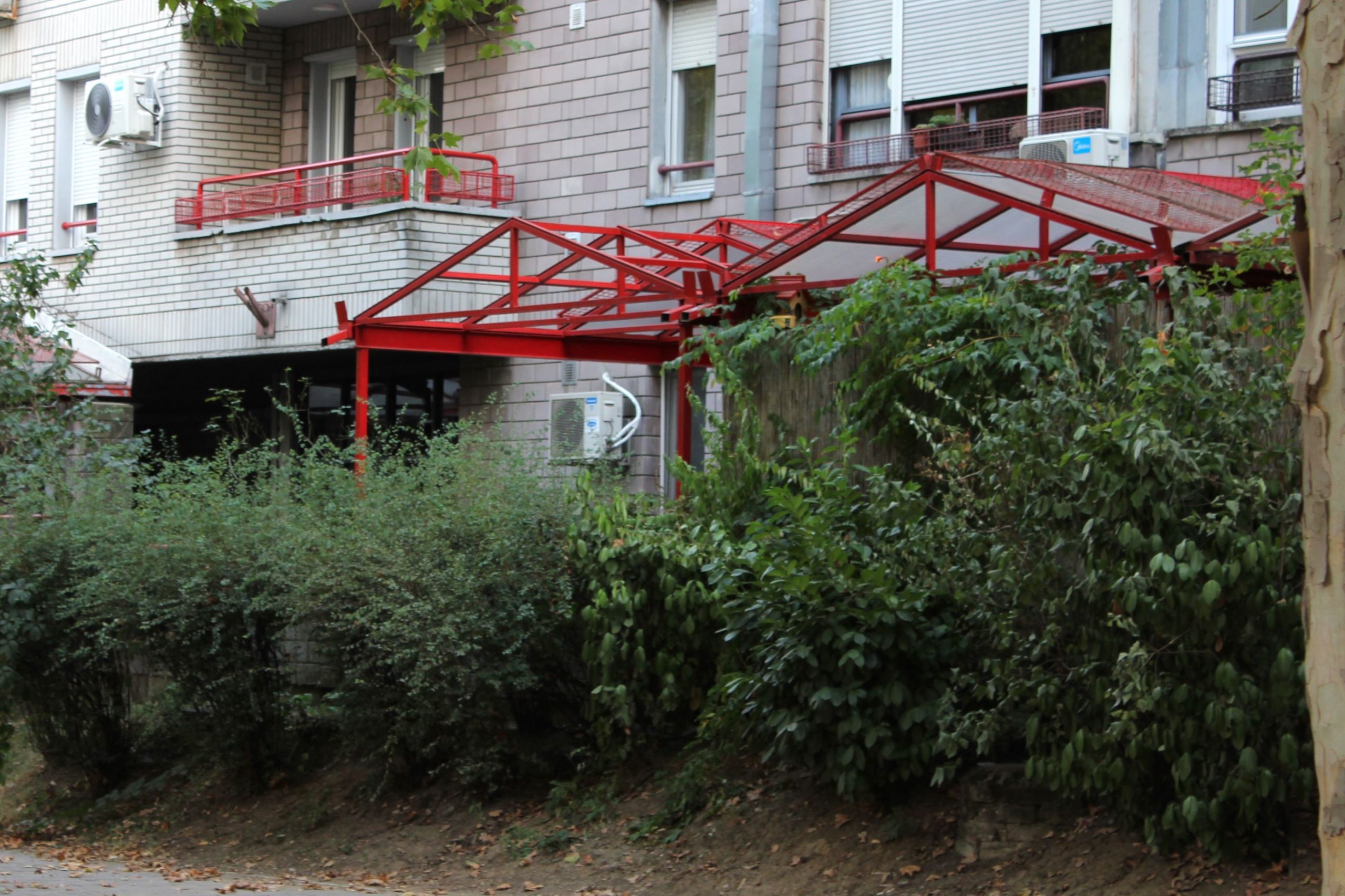
Block 24 was built in the postmodern style. It has the typical square layout, with buildings oriented toward the central area. The block consists of six five-story buildings of varying forms. A dominant design motif is the triangular gable, featured on all the buildings in different applications. White façades, clad in brick, are contrasted by metal structural and decorative elements painted in green, red, and blue.

On the ground floor, each apartment has a fenced garden covered with a glass roof, providing protection from the sun.
Bašta u Bloku 24

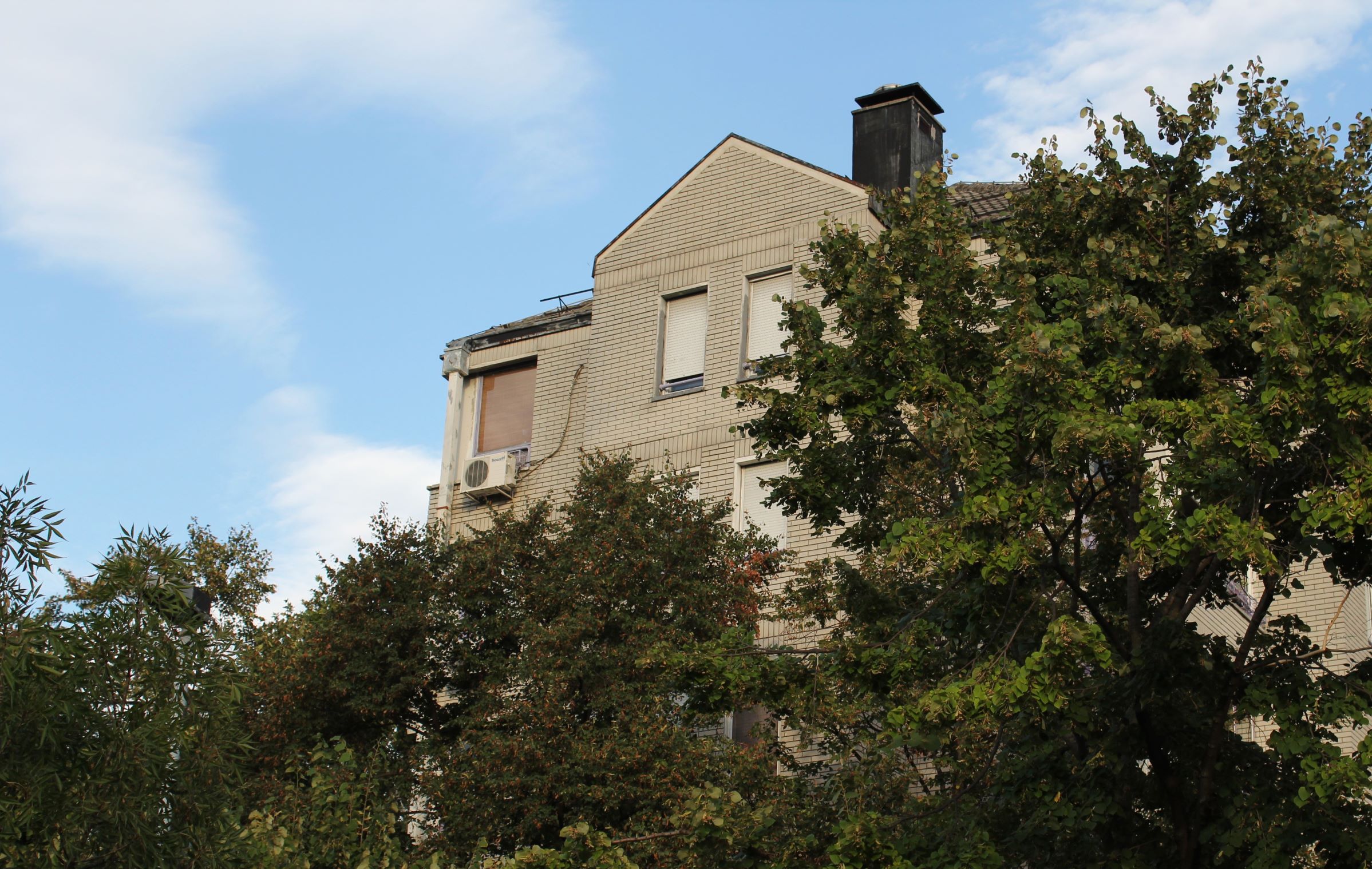
All the building roofs are gabled, creating prominent gables that define the postmodern architecture of the period. In this way, the architects incorporated traditional architectural elements characteristic of the Balkans, where the gabled roof is a recognizable structural feature.

Dvoslivni krovovi zgrada

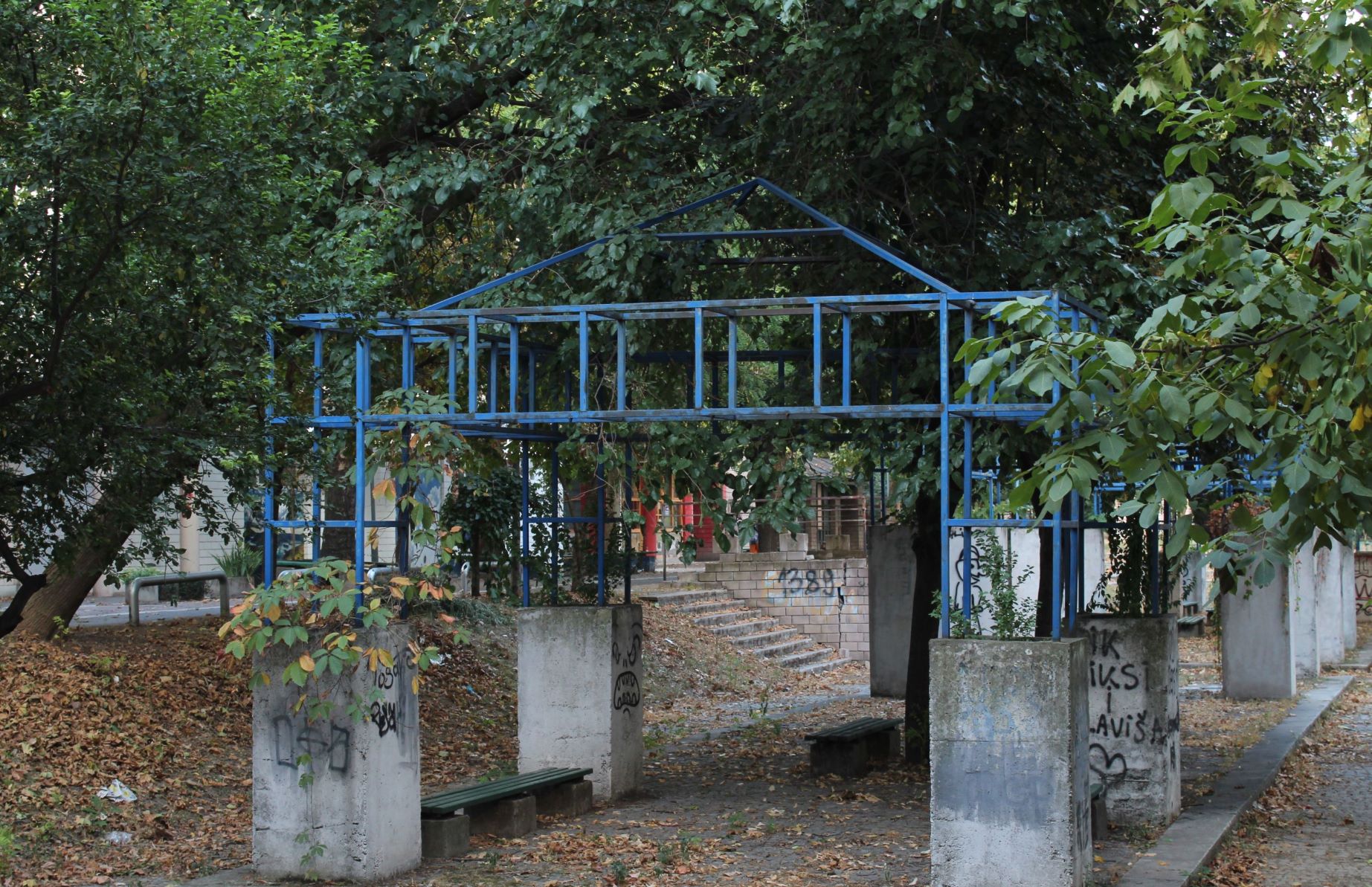
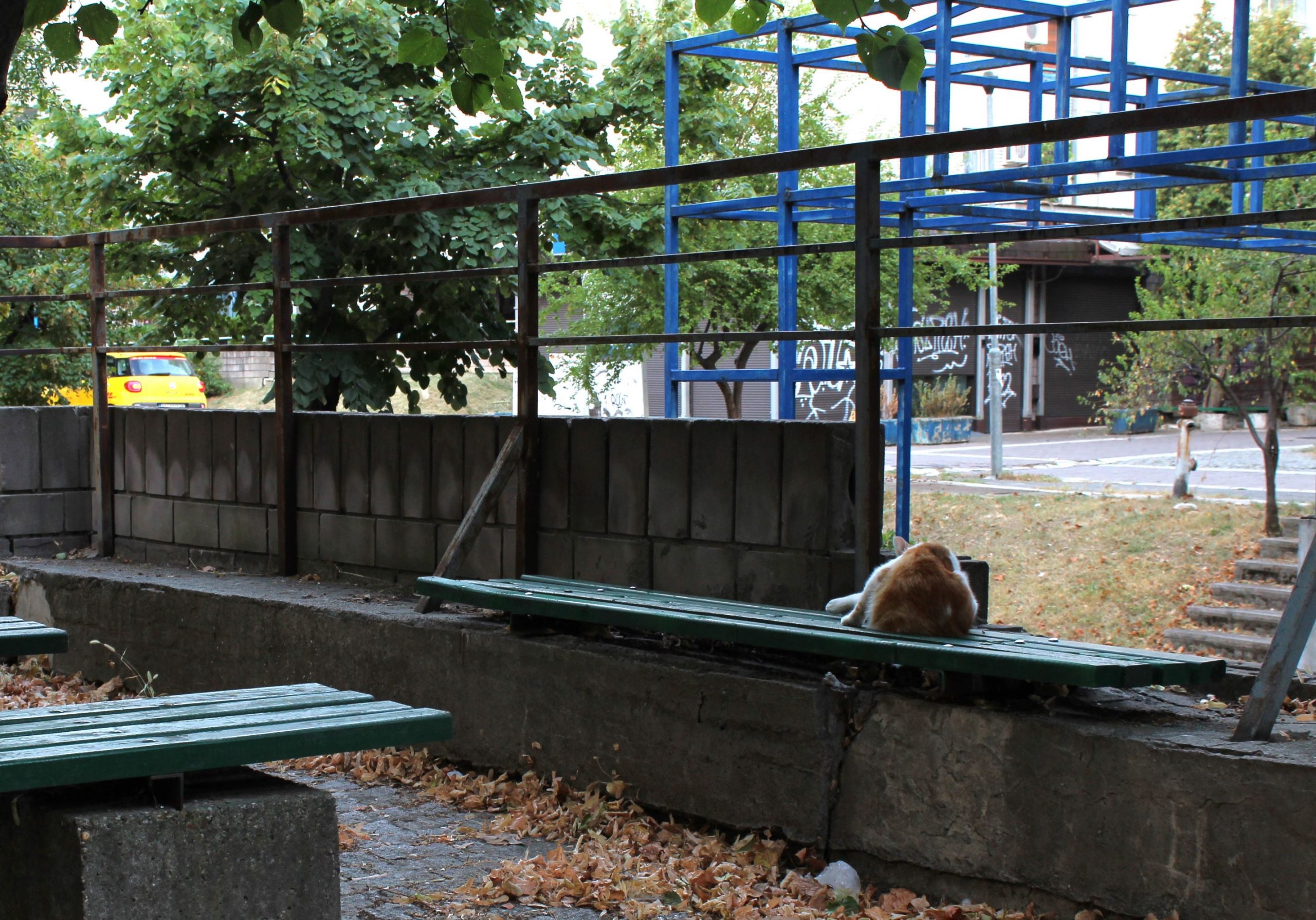
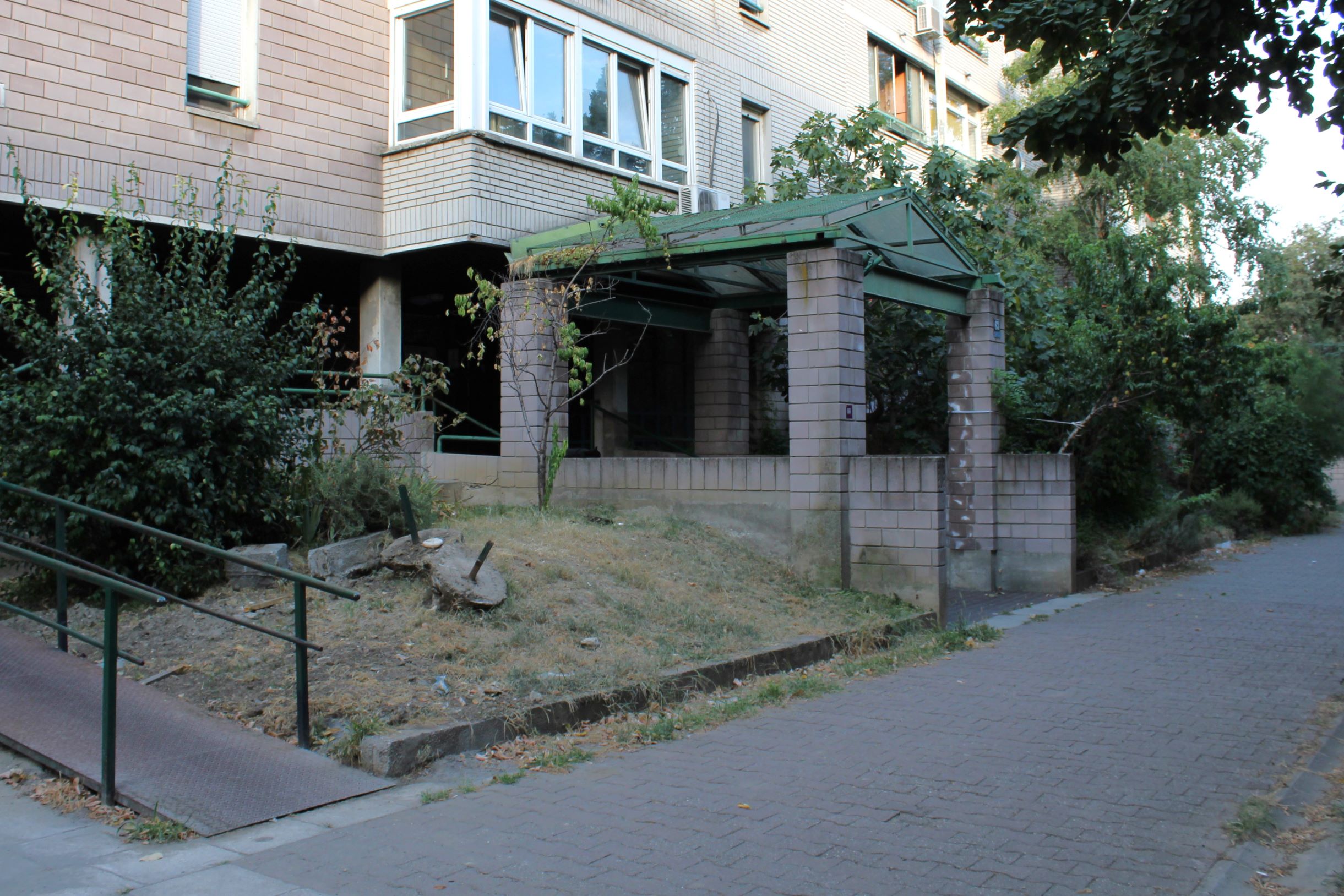
In the center of the block, there is a park with children’s playgrounds and sunken areas designed for relaxation. Metal pergolas, which are currently quite neglected, have the potential to enhance the pleasant atmosphere. Nonetheless, the central part of the block features abundant greenery, in contrast to the peripheral areas dominated by large commercial buildings.
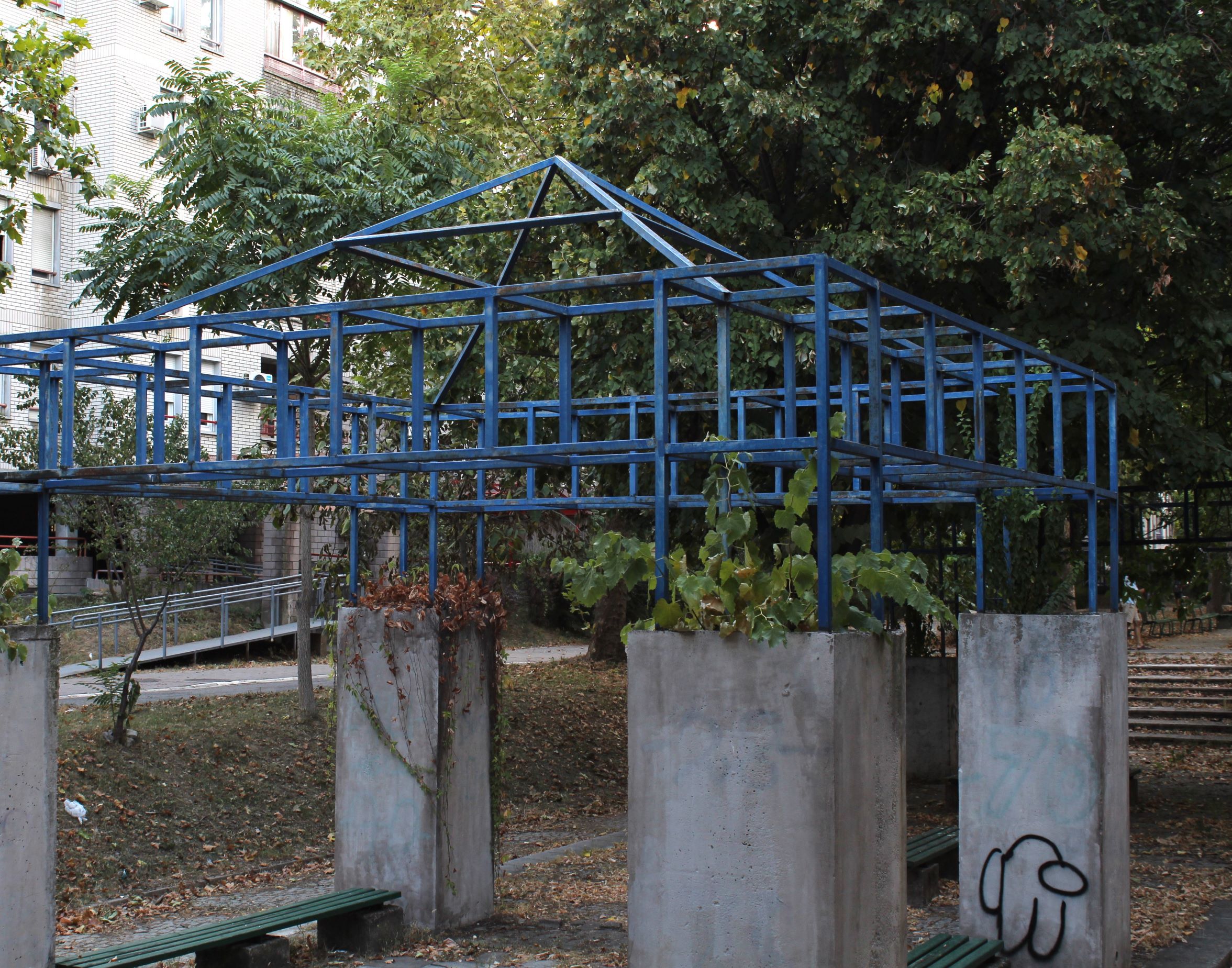
Pergola u centralnom delu bloka

During the 2000s, a series of commercial buildings were constructed along the perimeter of the block, obstructing the view of New Belgrade’s central zone.