THE HISTORY
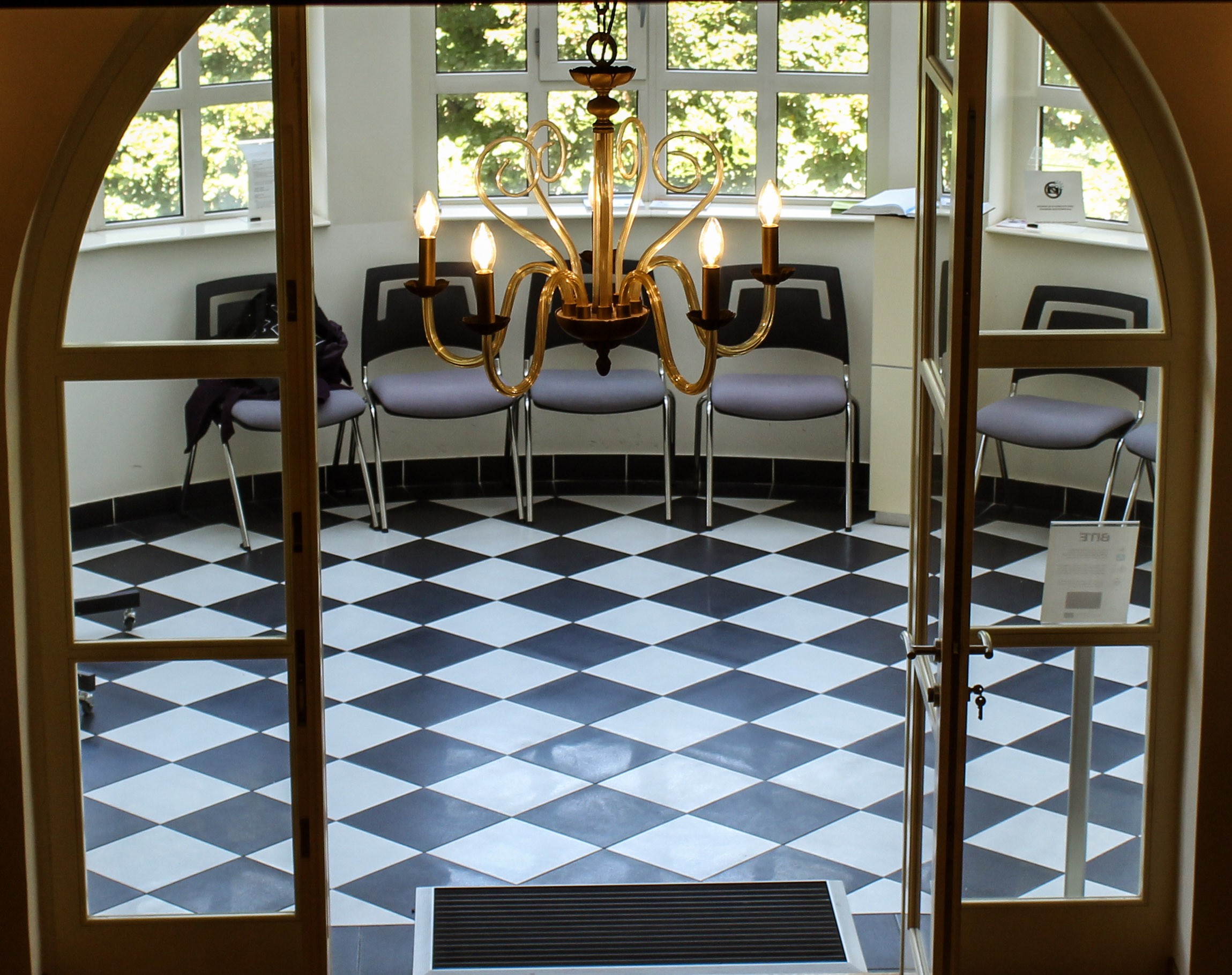
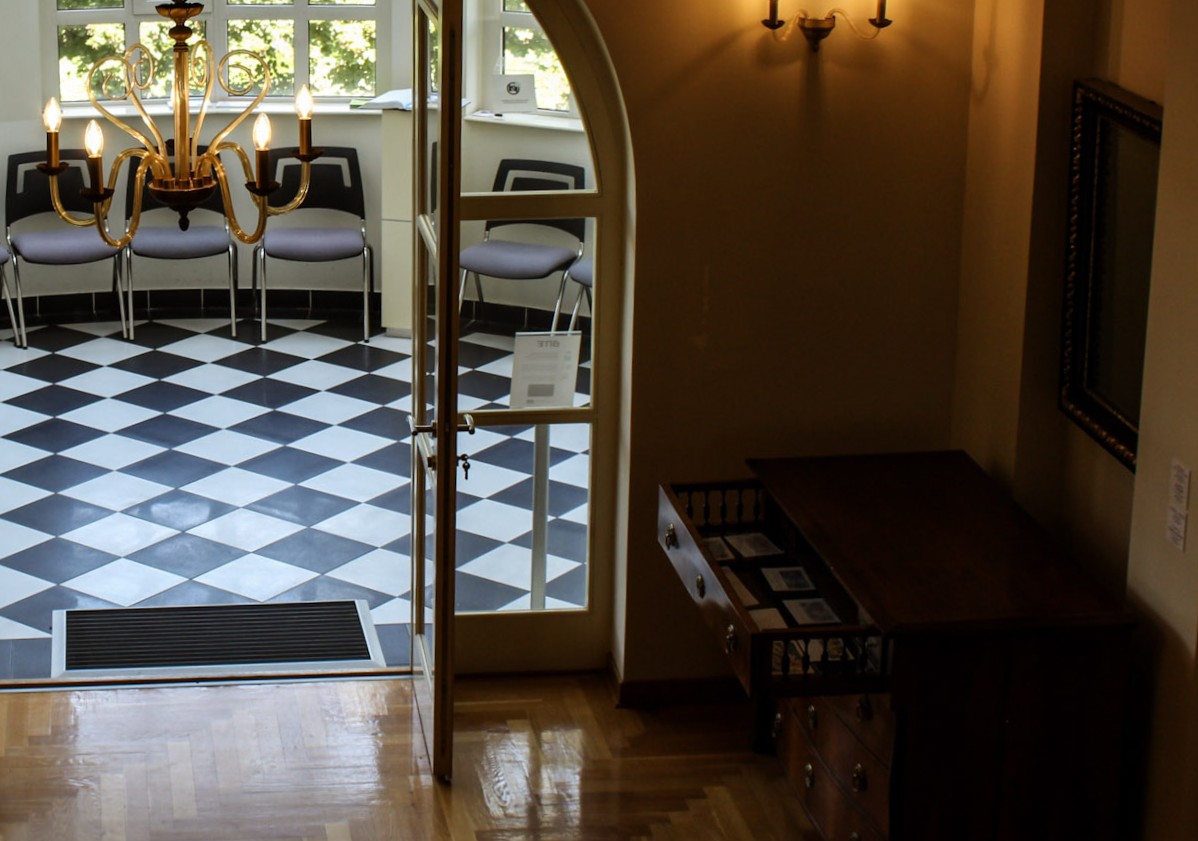
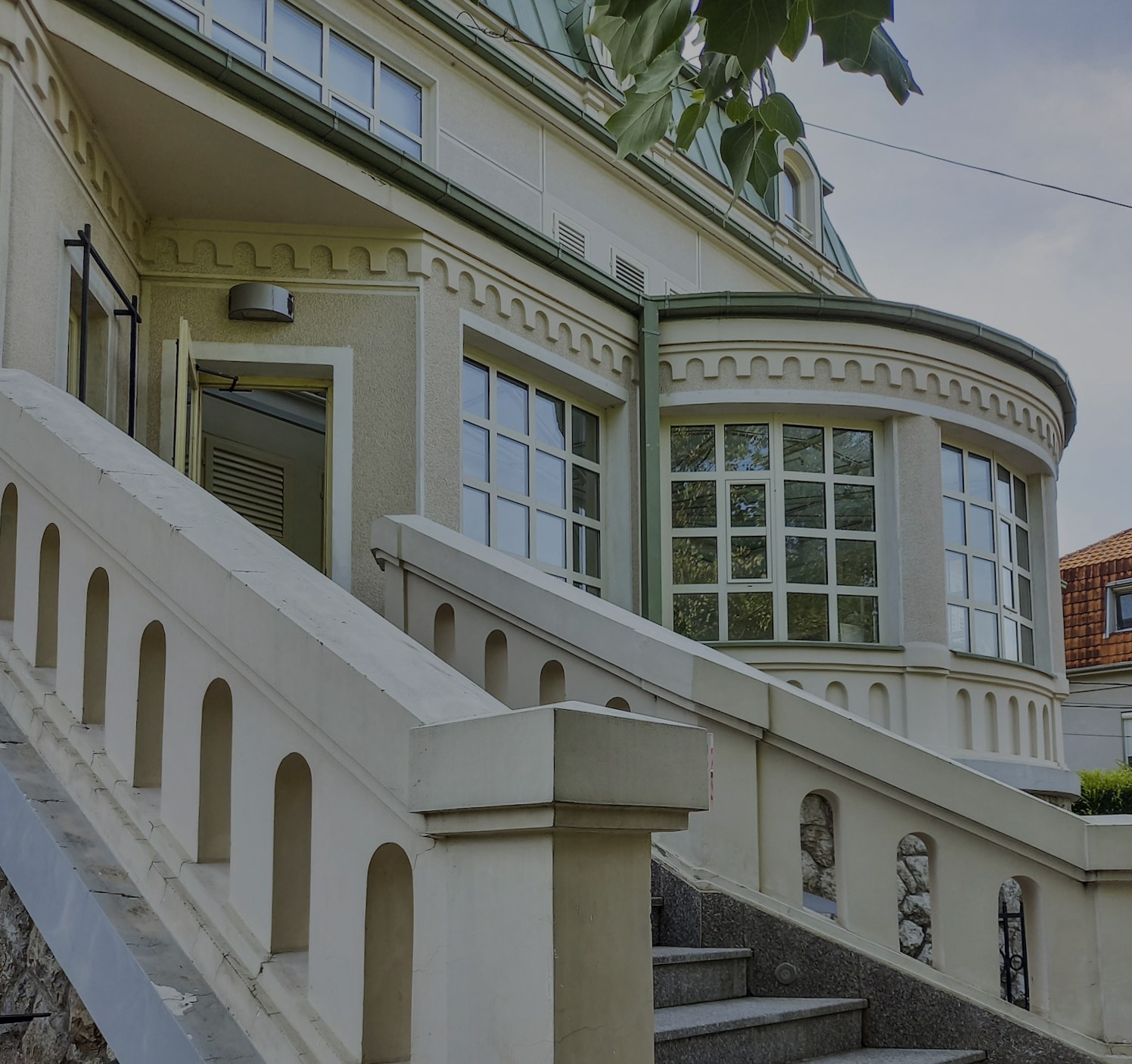
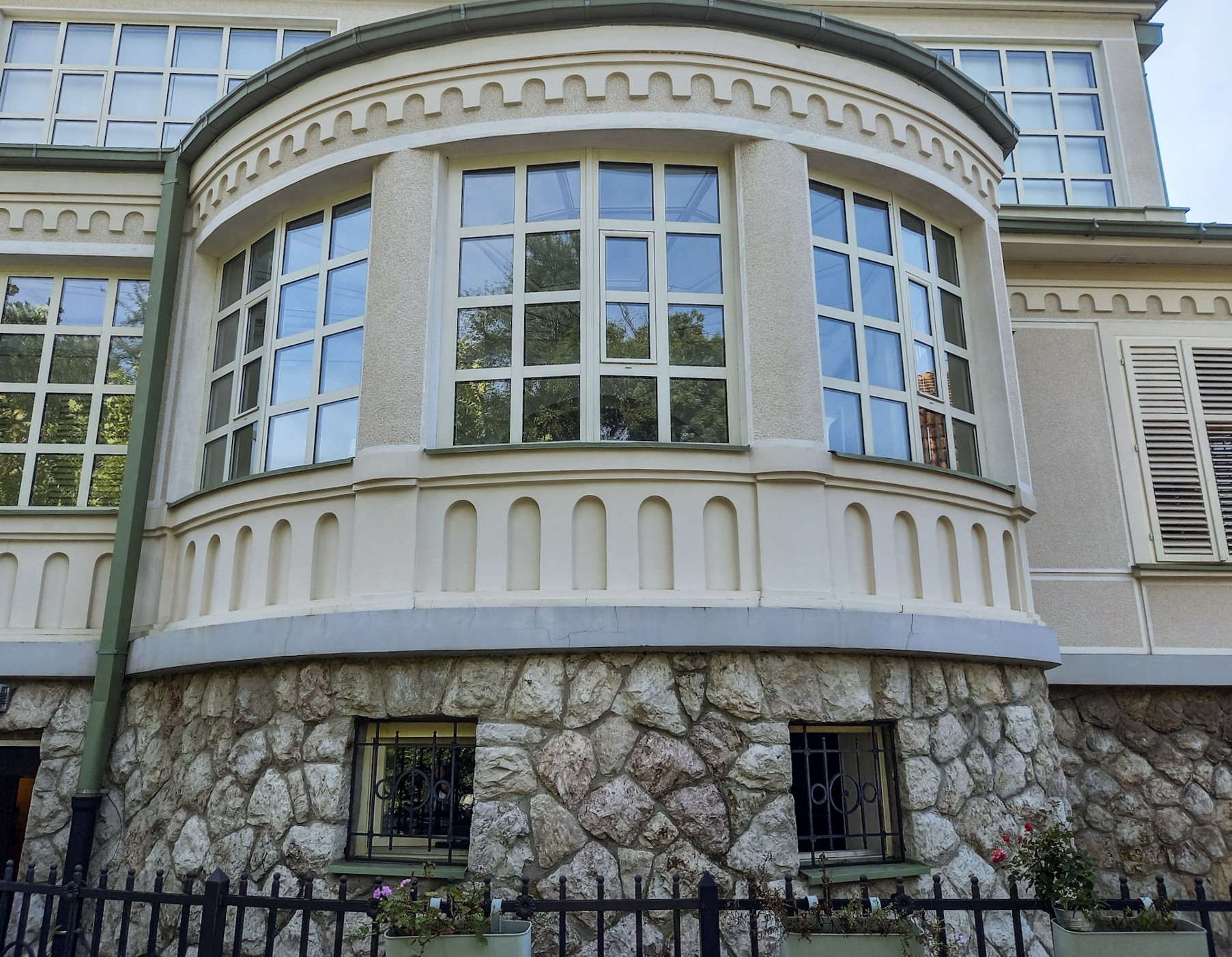
The villa at 1 Iličićeva Street was built in 1927 as a summer residence for the Nikolić family from Belgrade, based on a design by architect Veljko Milošević. It was one of the first family homes built on the northern slope of Topčider Hill.
Petar and Vera Lubarda moved into the villa in 1957. Until then, they had lived in a modest apartment in Draže Pavlovića Street, where Lubarda also had a small studio. According to a recorded account, after Josip Broz Tito learned about the conditions in which the painter lived and worked, arrangements were made for him to move into the villa. The move was completed in a single day, and paint was reportedly splashed around the house to make it appear that Lubarda had already been living and working there for some time.
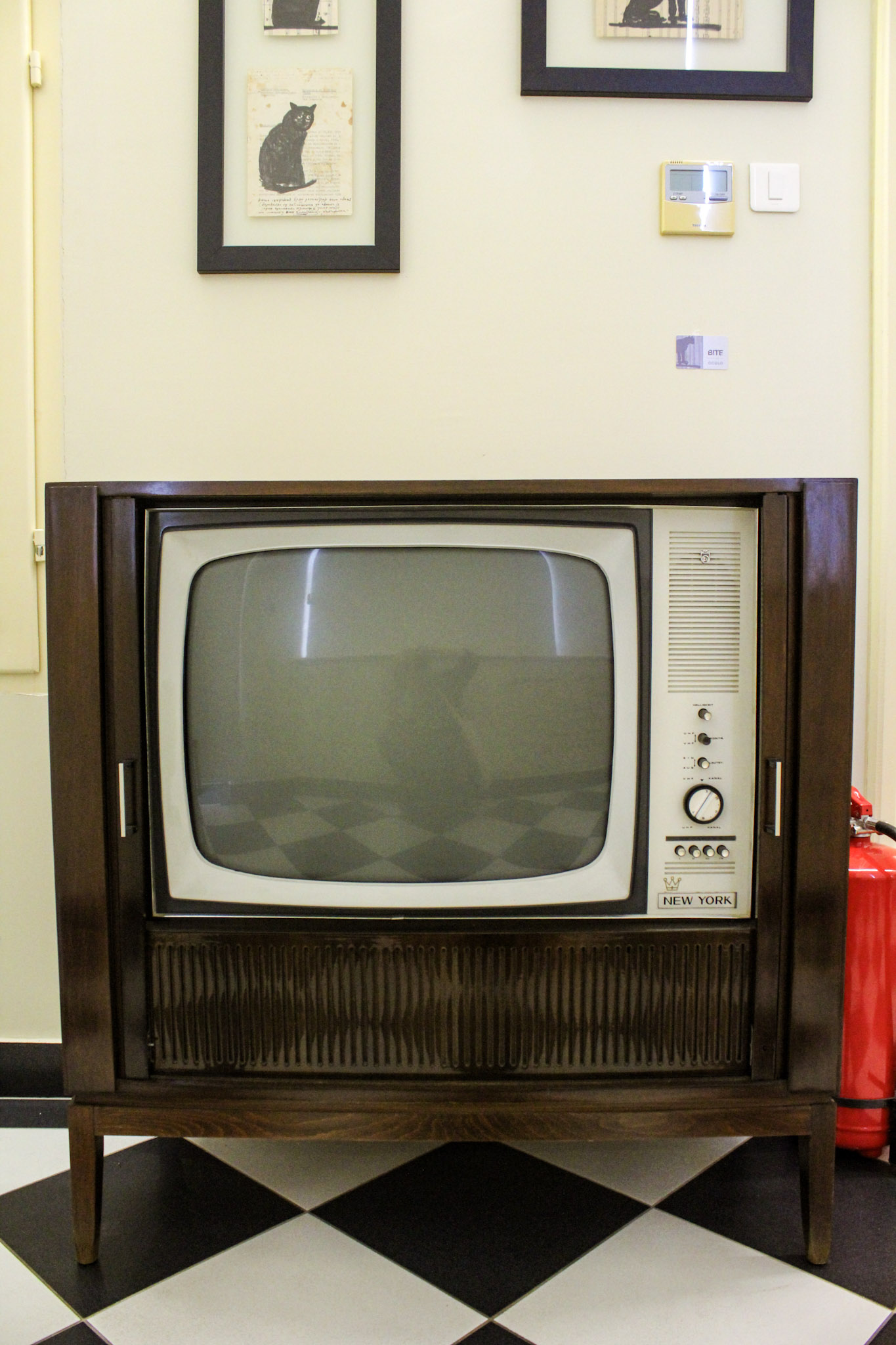
After the Heritage House took over the care of the property, the artworks, drawings, furniture and archival materials were catalogued and conserved. Today, the Petar Lubarda Legacy is part of the Heritage House collection.
ZBIRKA
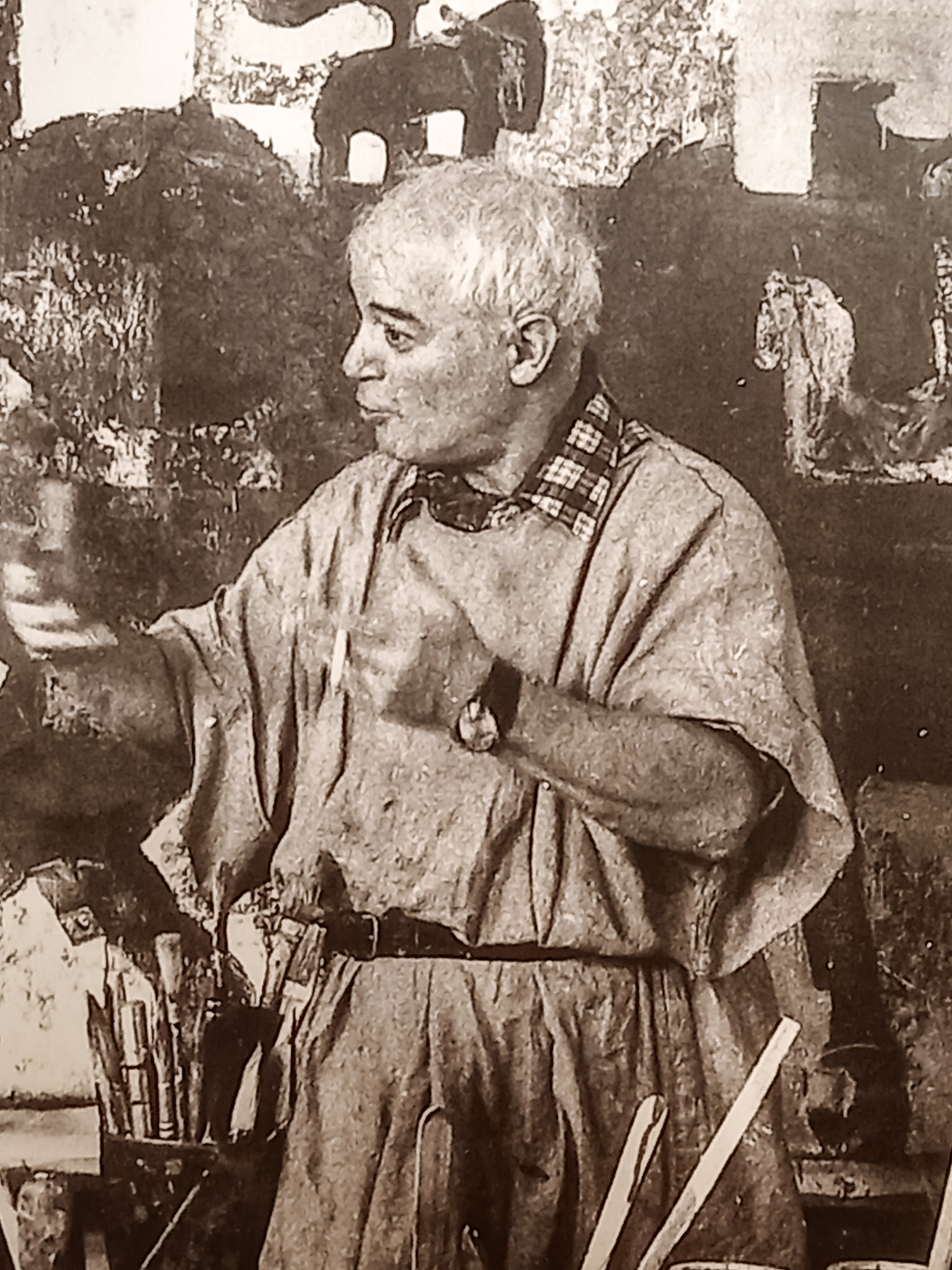
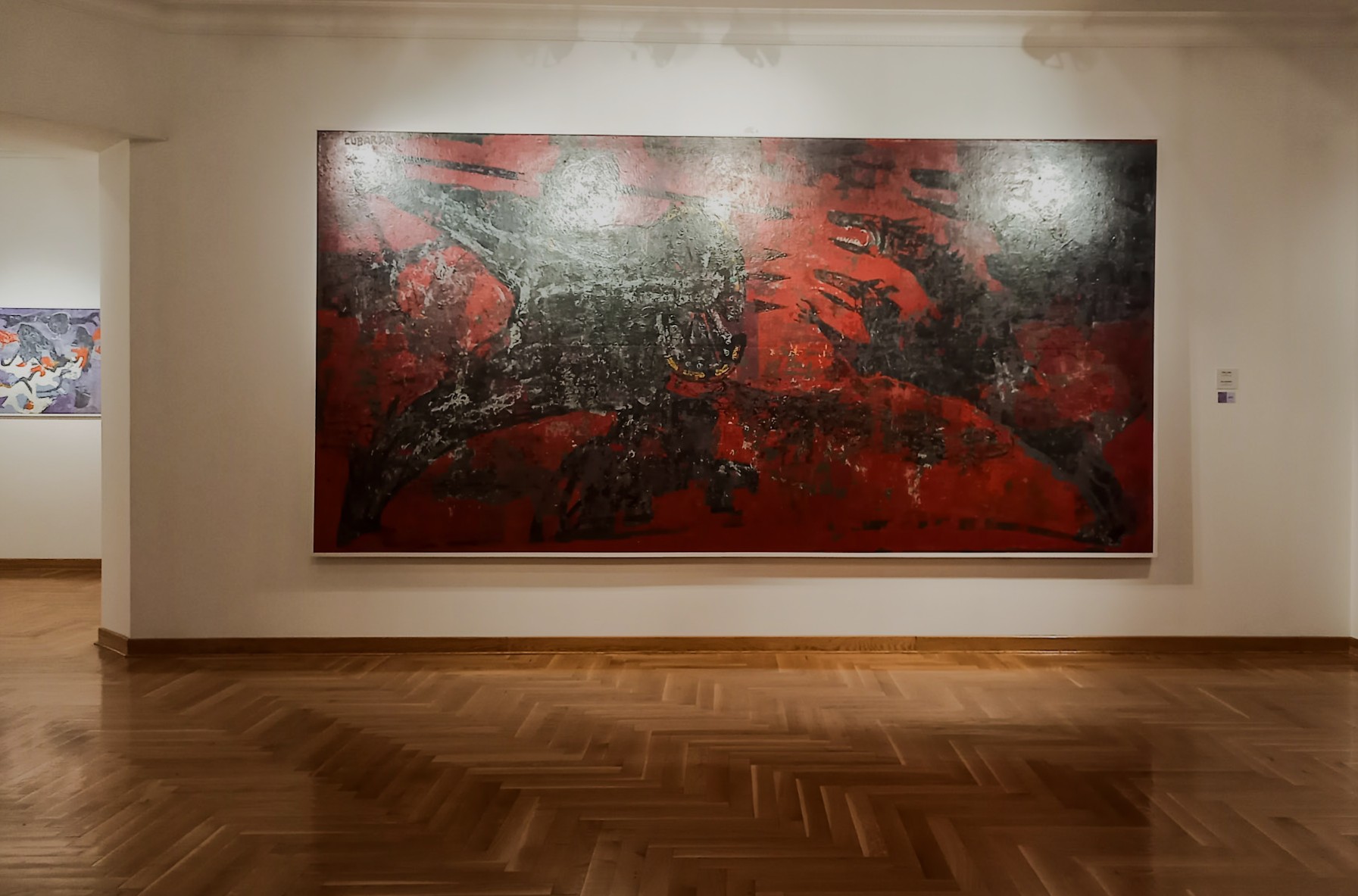
Petar Lubarda (1907–1974) was one of the most important Yugoslav painters of the 20th century. His 1951 exhibition at the ULUS Gallery in Belgrade holds a particularly important place in art history and is regarded as a major turning point in post-war Yugoslav painting. It marked a move away from Socialist Realism and opened the way for a freer, more modern artistic expression closer to contemporary Western European trends. This shift took place in the context of Yugoslavia’s political change following its 1948 split with the Soviet Union and its gradual move away from the Soviet model in culture and the arts.
Lubarda was born in Ljubotinj, near Cetinje. The Montenegrin landscape, its stone and rugged karst terrain, remained a lasting presence in his work. His distinctive style was characterised by powerful colour, expressive brushwork and a gradual move away from realistic representation.
Petar Lubarda wanted to donate part of his work to the City of Belgrade. After his death in 1974, his wife Vera fulfilled his wish, donating 57 paintings, 133 drawings and sketches, as well as furniture and painting materials to the city.
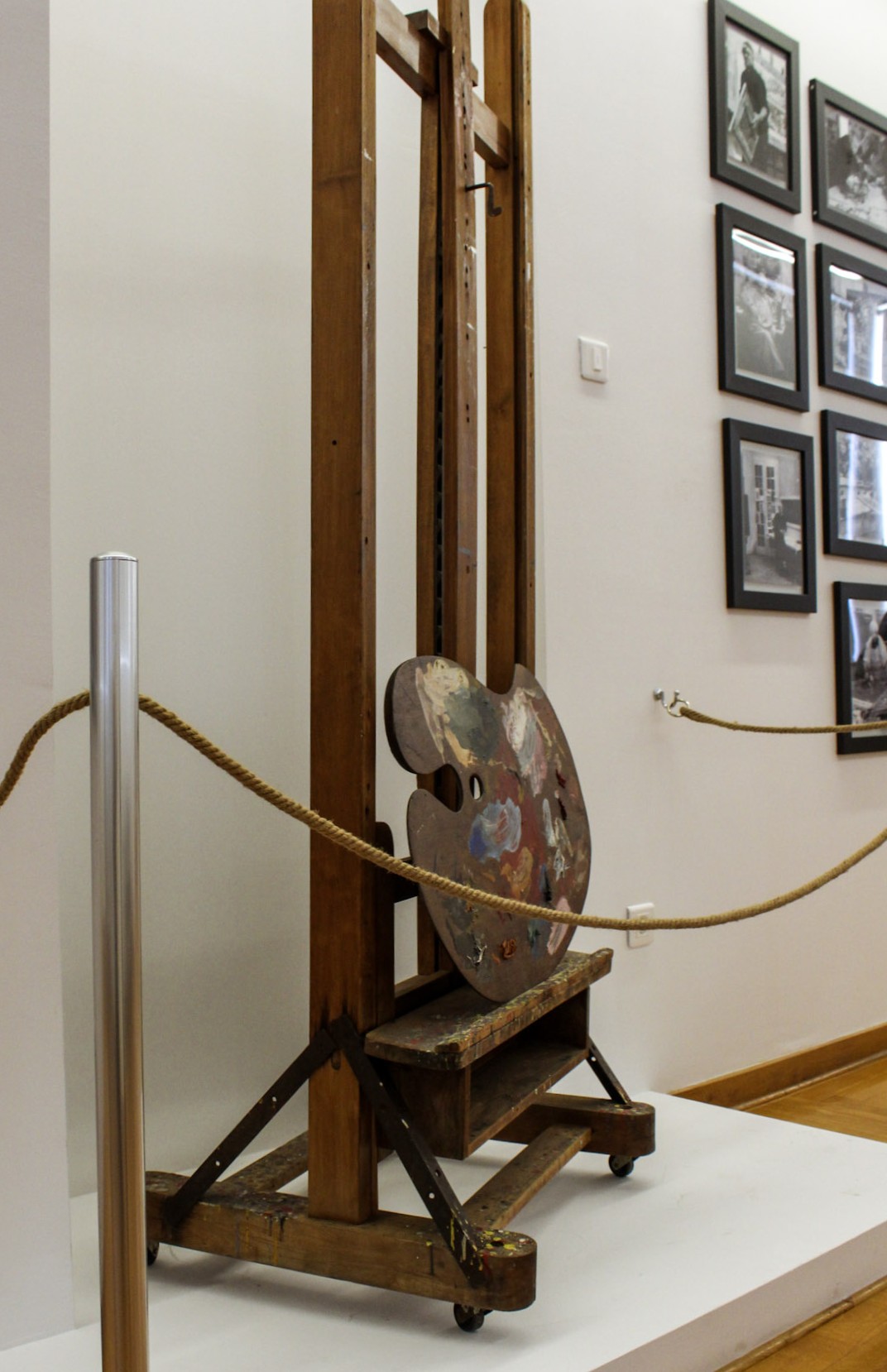
The Legacy collection includes Lubarda’s paintings, drawings and sketches. His easel, palette and paints have also been preserved, along with sketchbooks, letters, telegrams, invitations and exhibition posters, offering an insight into his work and professional life.