Skip to content

SPOMENICI ZA DEBATE

Monuments in public space raise questions about the time in which they were created, the values they represent, and the messages they convey today. Why were they erected? What did their original concepts look like? What do they symbolize, and how were they intended to be understood? Have they become widely accepted over time, or do they still provoke debate, differing interpretations, and divided opinions?

These monuments open space for reflecting on changing social values and on how collective memory is shaped in public space. Viewed from a contemporary perspective, they become places for dialogue and critical reflection on the relationship between past and present, as well as on the different interpretations that exist in society today.

DIPLOMACY AND POLITICS

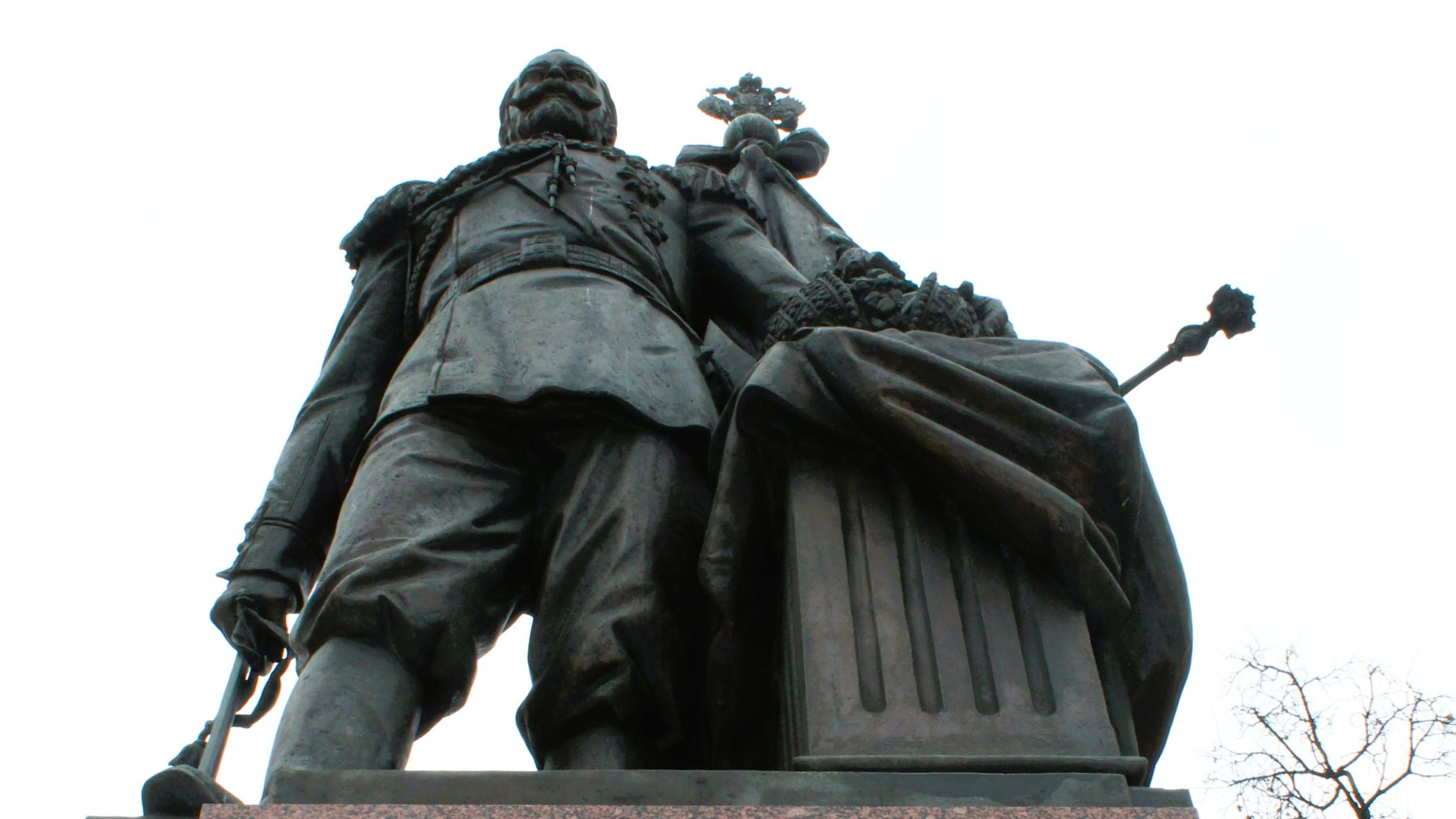
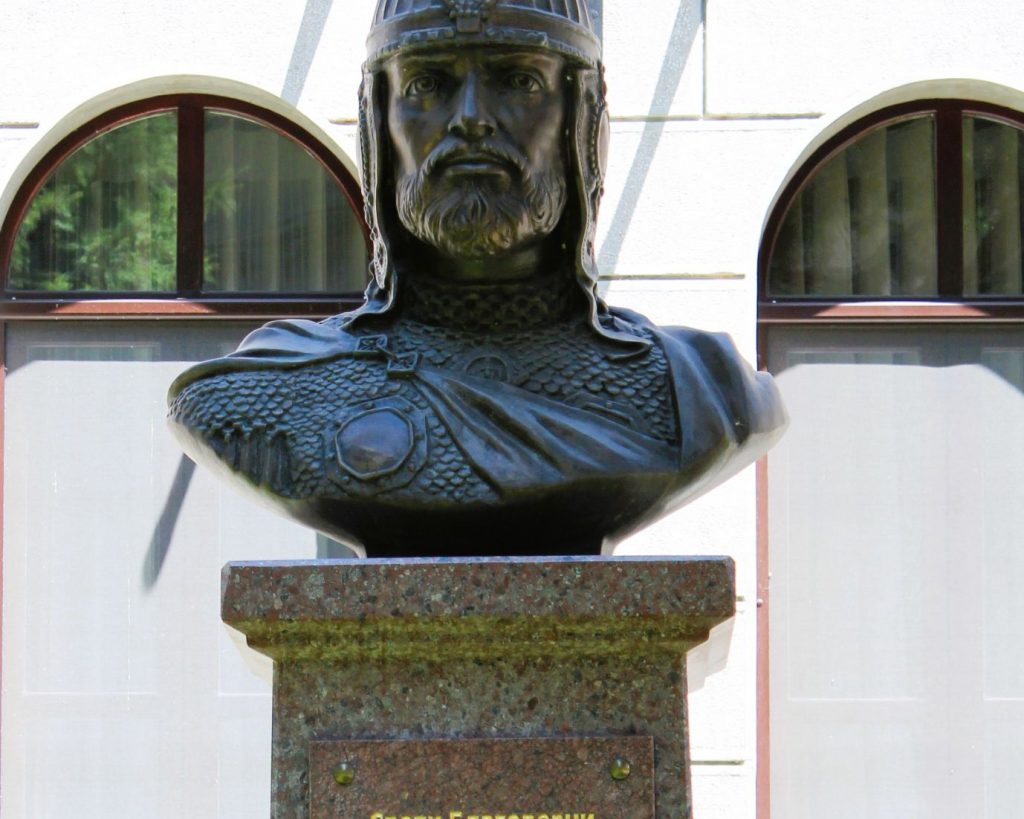
Monuments to foreign rulers are often erected as expressions of diplomatic relations, political alliances, or historical ties between states. However, they can carry broader meanings, raising questions about which figures and events a society chooses to highlight in its public space. Because of differing interpretations of the past and changing political contexts, such monuments often become subjects of debate and divided opinions.

MEDIEVAL RULERS AND MEMORY

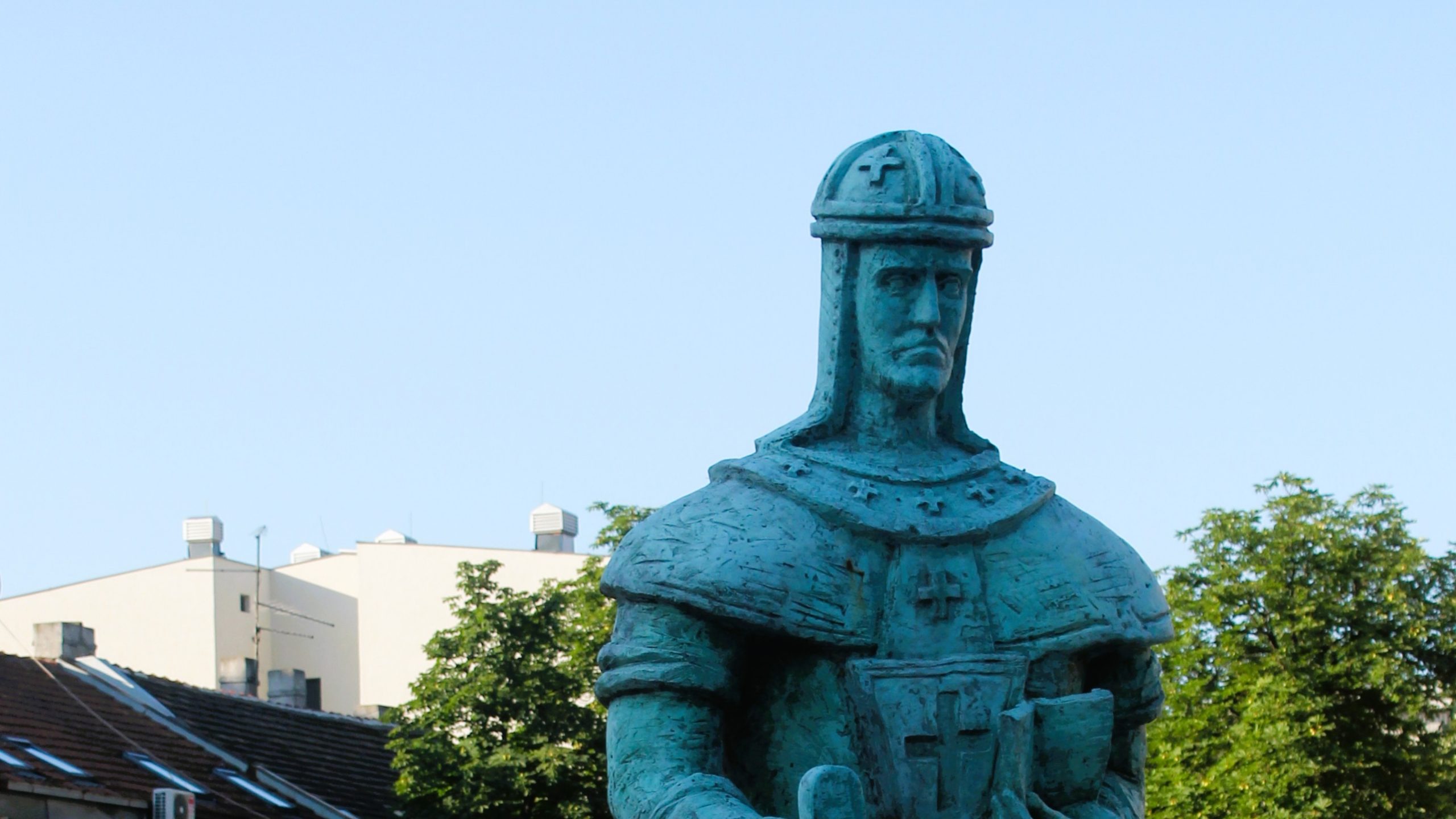
Representations of medieval rulers emphasize certain values, but they also become spaces where history, politics, and contemporary interpretations of identity intersect. By observing these monuments, we are encouraged to question the values they promote, why these particular rulers were chosen, and what messages they convey today. In this way, monuments to medieval rulers serve as a starting point for understanding the values of society in the present.

OBSCURE FIGURES

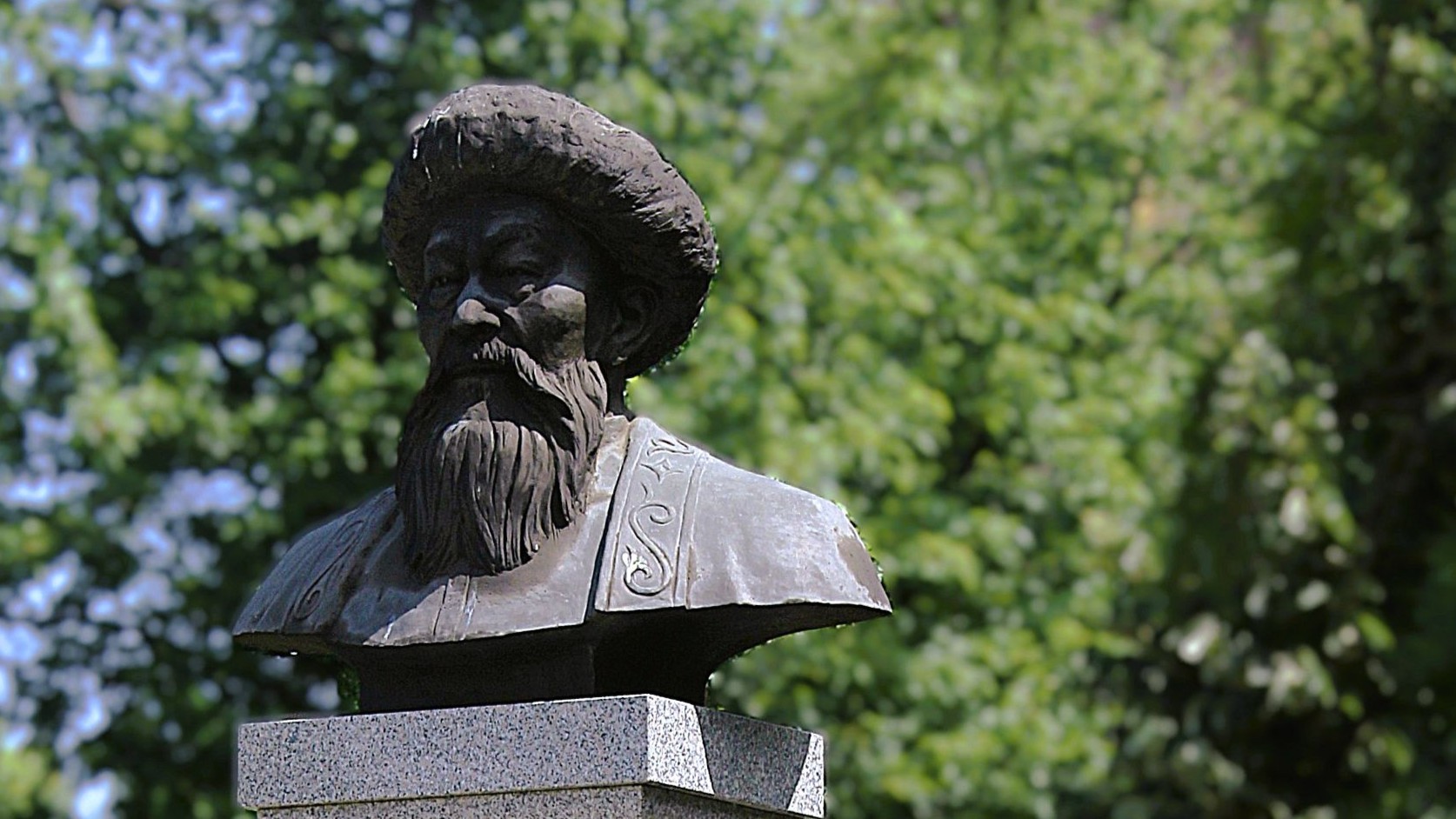
This group of monuments is dedicated to figures who are often less familiar to the wider public. Their presence in public space raises questions about who these individuals are, what their historical role was, and why they were commemorated in this particular place. Such monuments often reflect specific political, cultural, or international connections, while also prompting debate about the criteria for public remembrance and about which figures a society chooses to highlight.

MONUMENT TO ALEXANDER NEVSKY
MONUMENT TO TSAR NICHOLAS II
MONUMENT TO ZHAMBYL ZHABAYEV