THE HISTORY
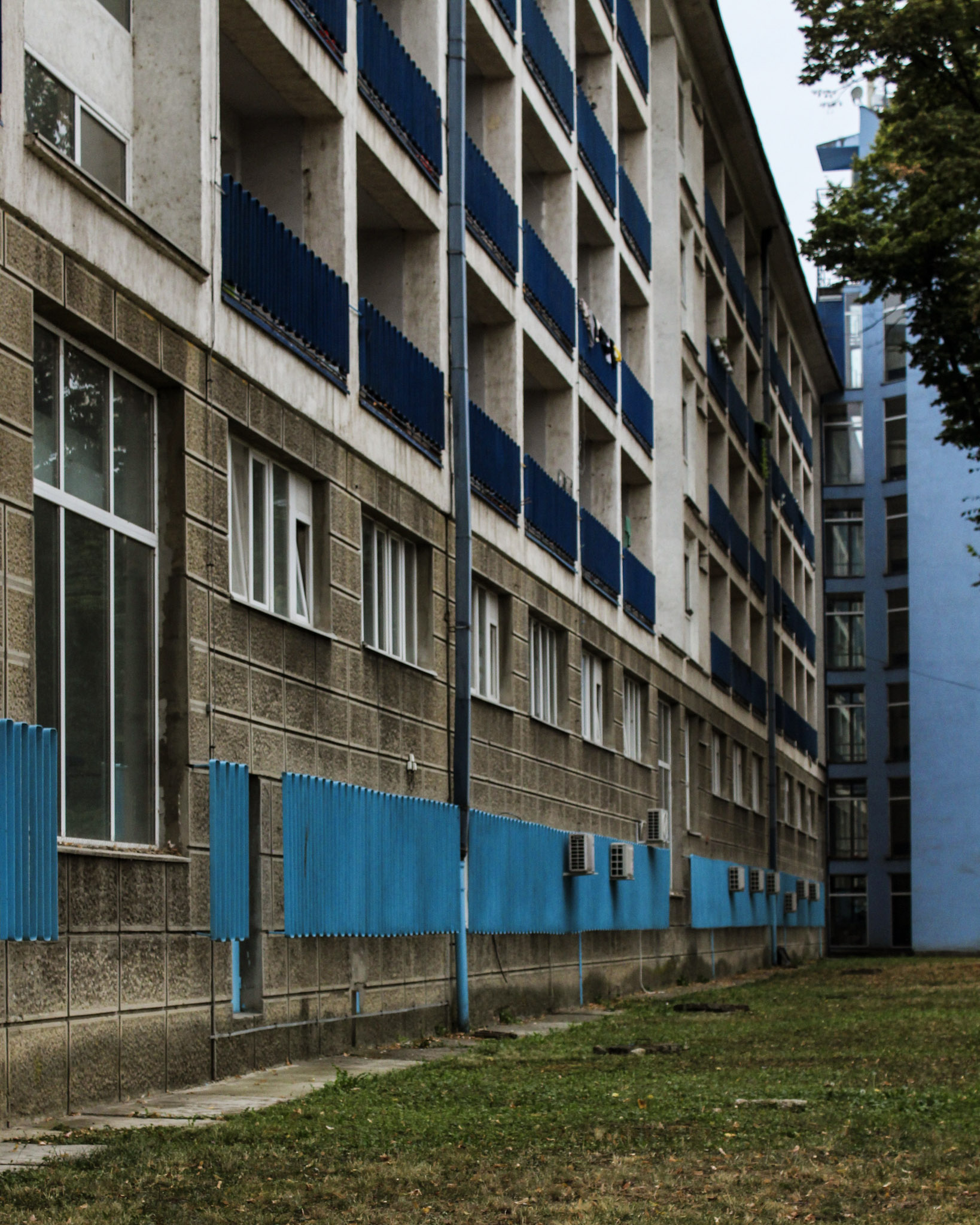
Block 34 represents an early and atypical example of the urban development of New Belgrade, as its structure unites different phases of construction within this part of the city. It brings together residential pavilions, the buildings of the Students’ City complex, and residential units erected during the 1980s.
The block is divided by Studentska Street into two sections: the student and the residential part.

The construction of the Students’ City began on April 11, 1948, as part of a youth labor campaign, with the first four pavilions built by young volunteers. The complex was completed in 1955, when the final dormitories were finished.
At the same time, the construction of residential buildings and public facilities was also planned, but some of these projects were never realized due to a lack of space.
At the corner of Zoran Đinđić Boulevard and Narodnih Heroja Street stands the Customs Administration building, marking the transition from late modernism to brutalism.

Block 34 belonged to the Third District, established after 1961, but its construction began immediately after World War II, which influenced its unique structure. Built in multiple phases, it features a mix of architectural styles and building types.
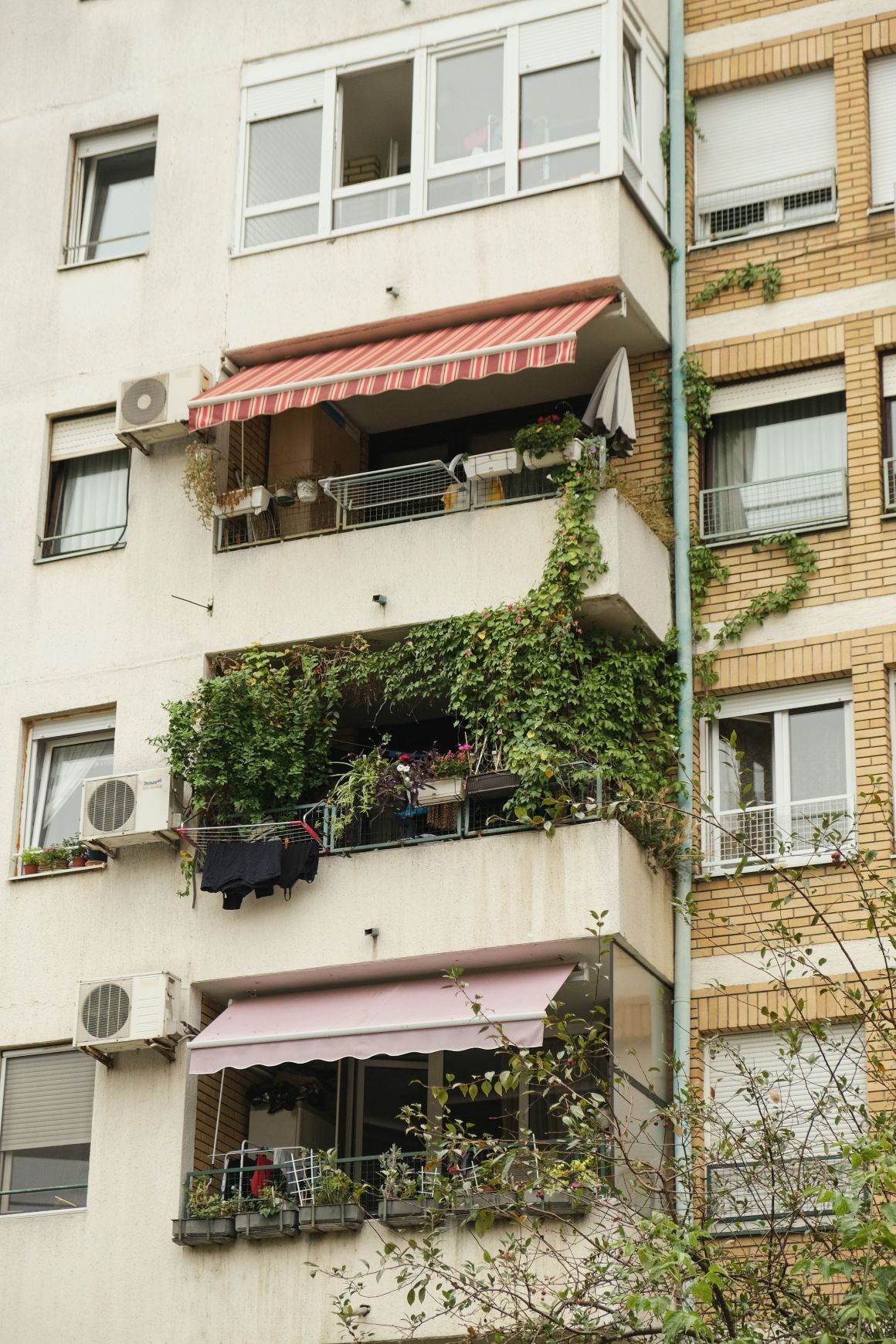
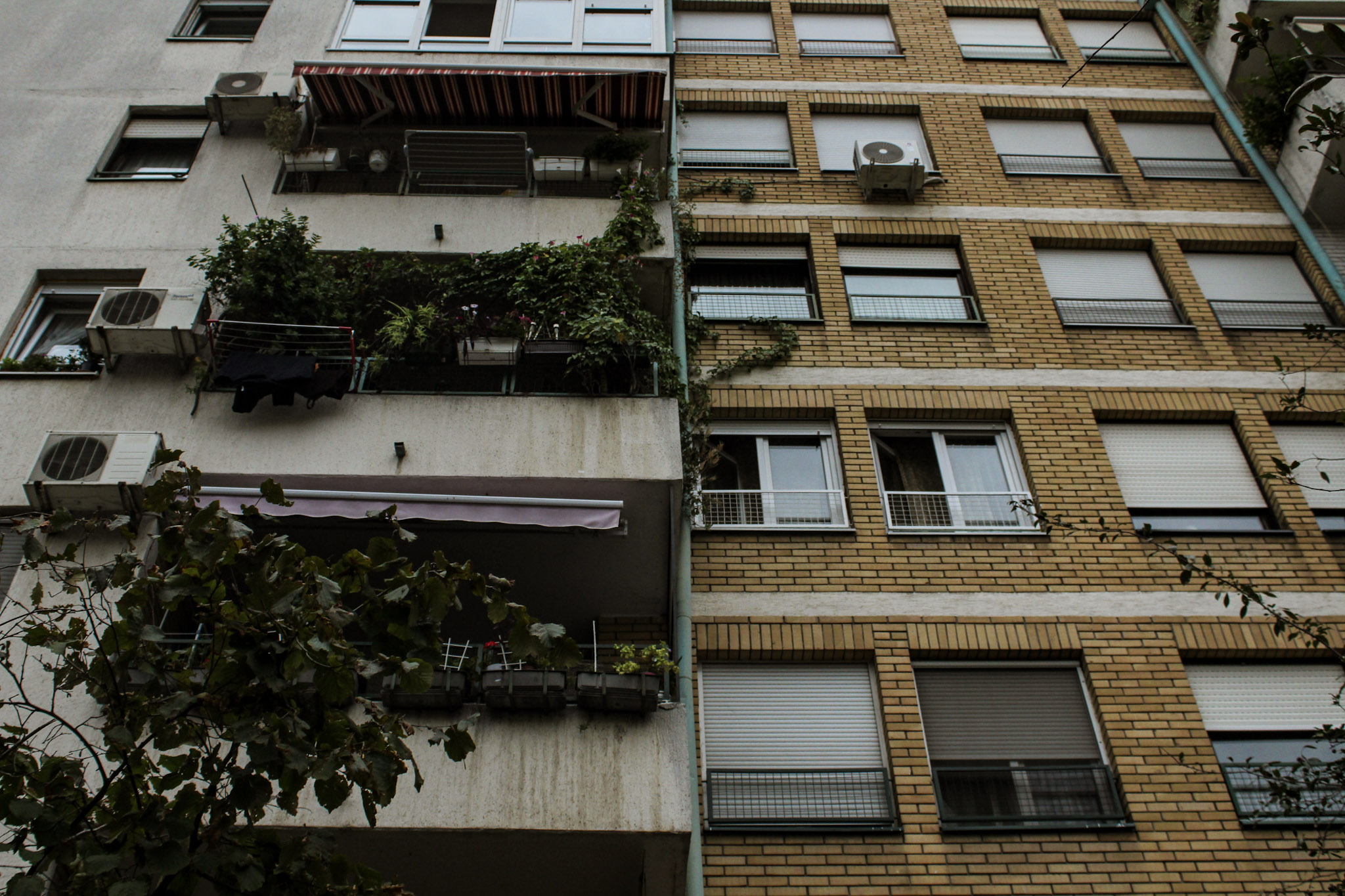
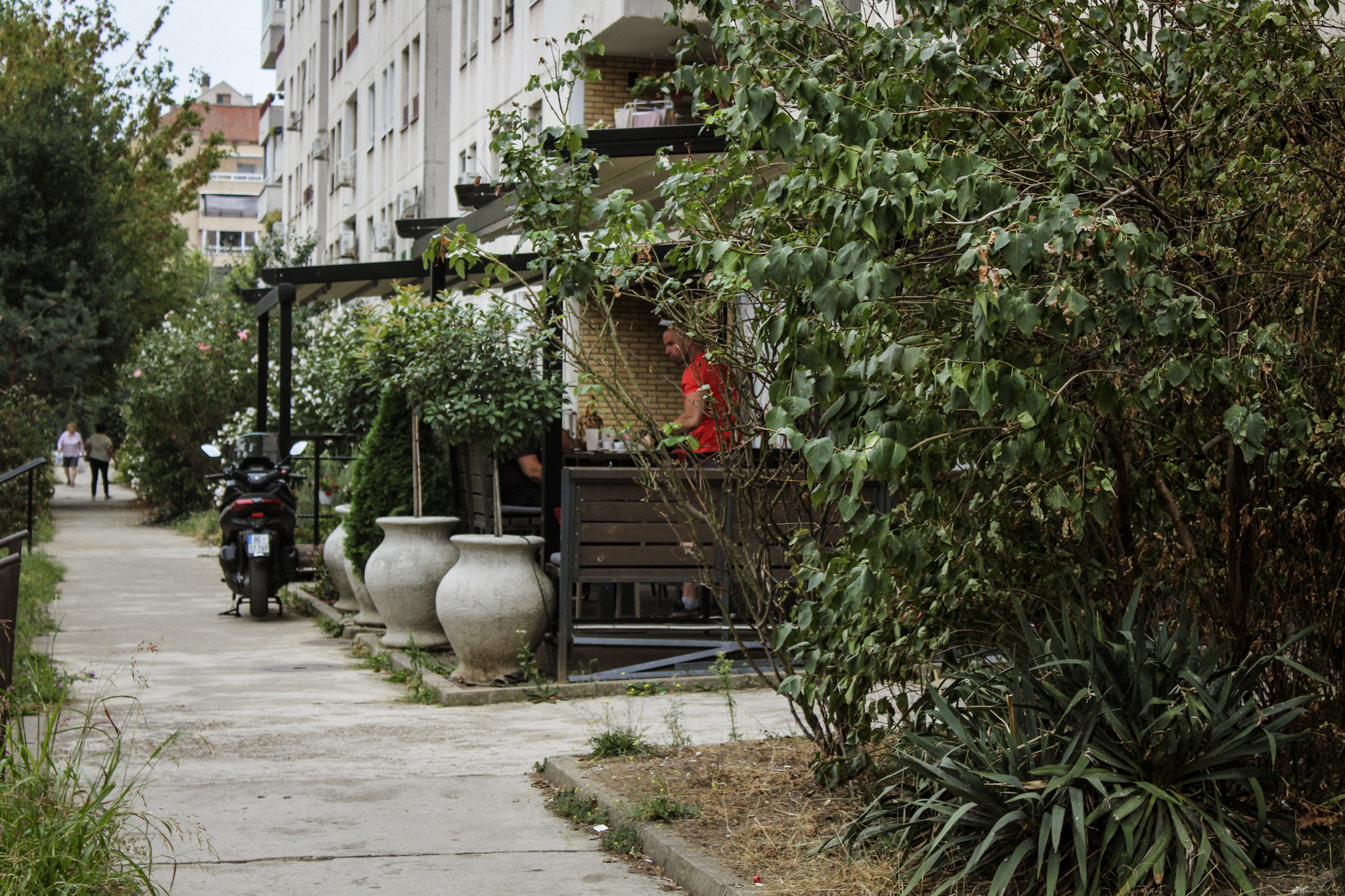
The residential part of the block contains 11 buildings: two pavilion-style buildings, characteristic of the 1950s and 1960s, and nine buildings constructed during the 1980s, creating an interesting blend of styles, from socialist modernism to postmodernism.

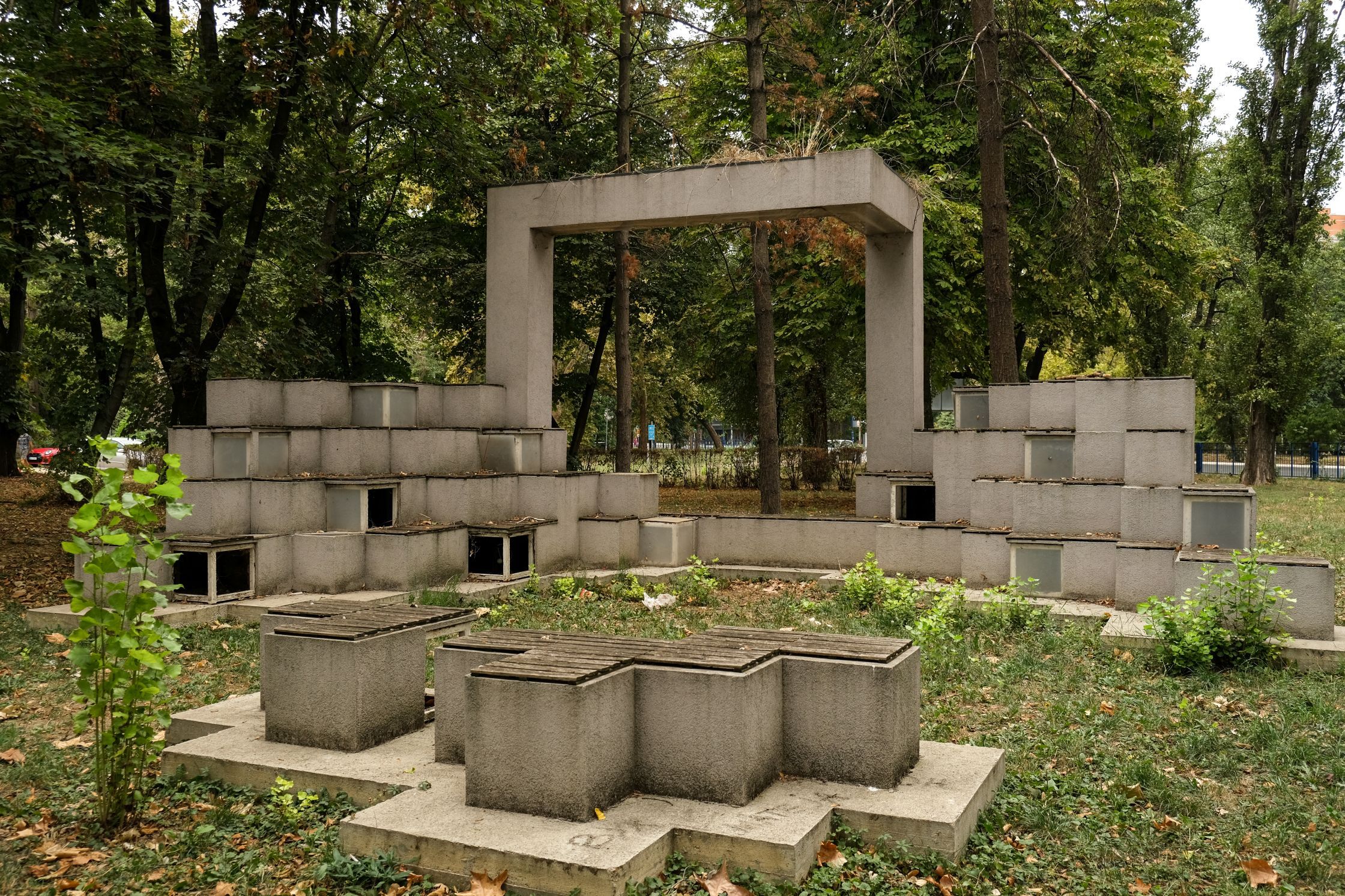
IZGLED
Students’ City is known as one of the largest construction undertakings of the University of Belgrade and a symbol of postwar youth enthusiasm. Its eight student residential buildings are arranged in four pairs, with five and six floors, and were designed in the style of postwar socialist modernism.

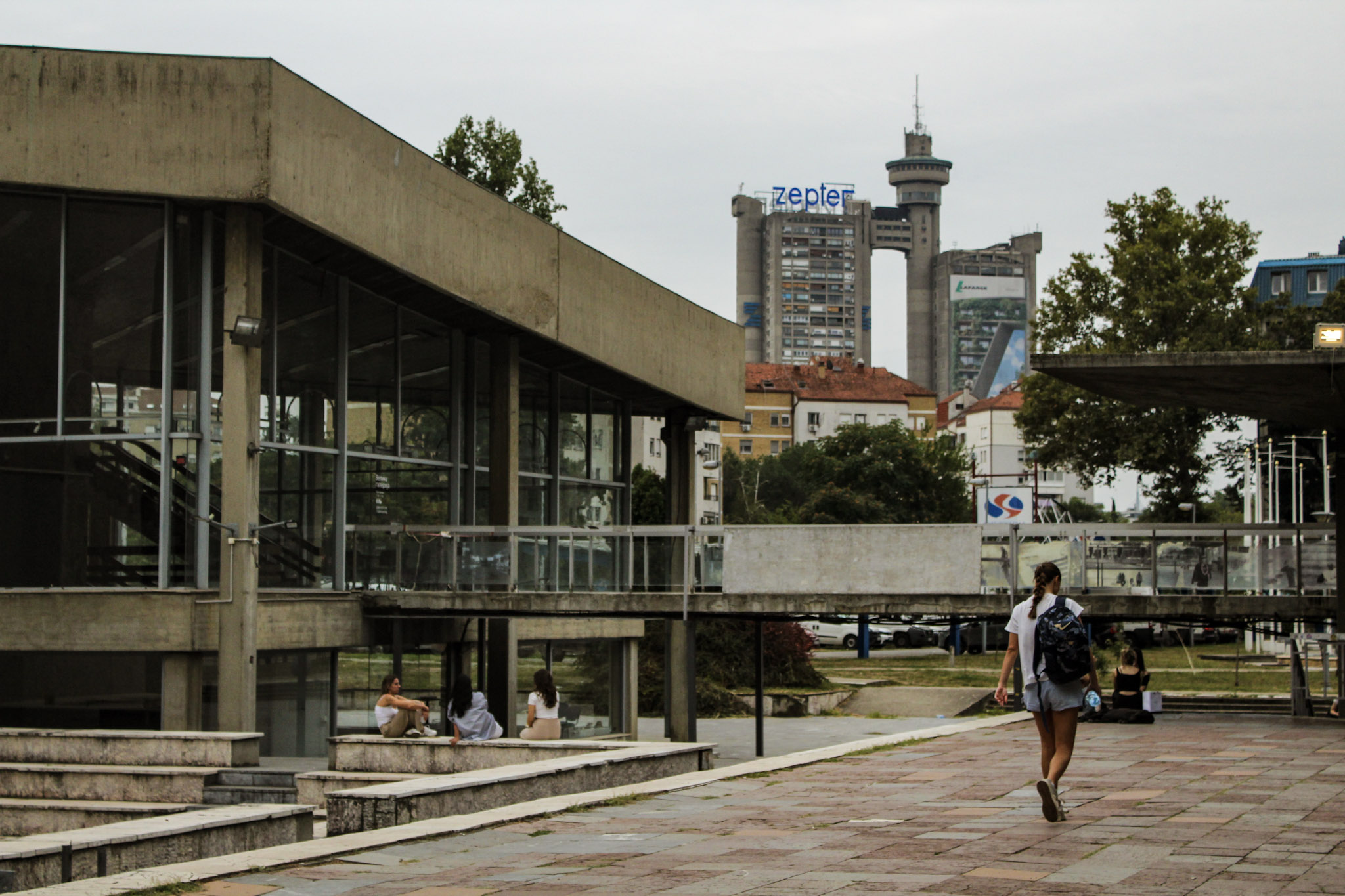
Following the major student demonstrations of 1968, it was decided to build the Cultural Center to enhance student life in the existing dormitory facilities. The Cultural Center reflects the characteristics of the International Style with elements of early brutalism. The project was designed by Prof. Dr. Milan Mitrović .

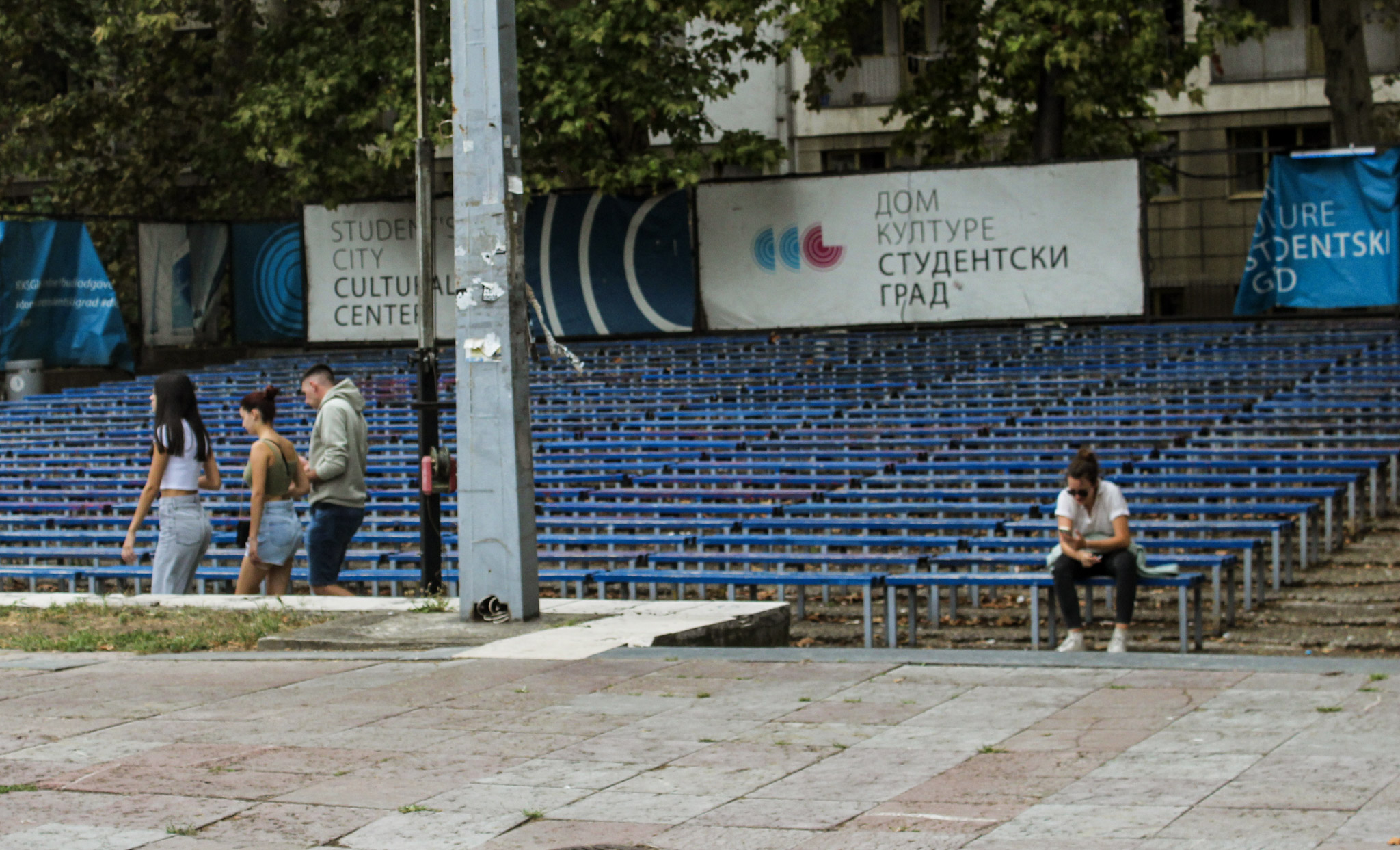
The building covers an area of approximately 5,000 m² and represents a modern and functional structure within Studentski Grad. It includes an administrative building with a small hall, studios, and a bistro; a large hall with 396 seats; a library with reading rooms and a gallery; two exhibition galleries; a summer stage with 800 seats; and an amphitheater with 200 seats.
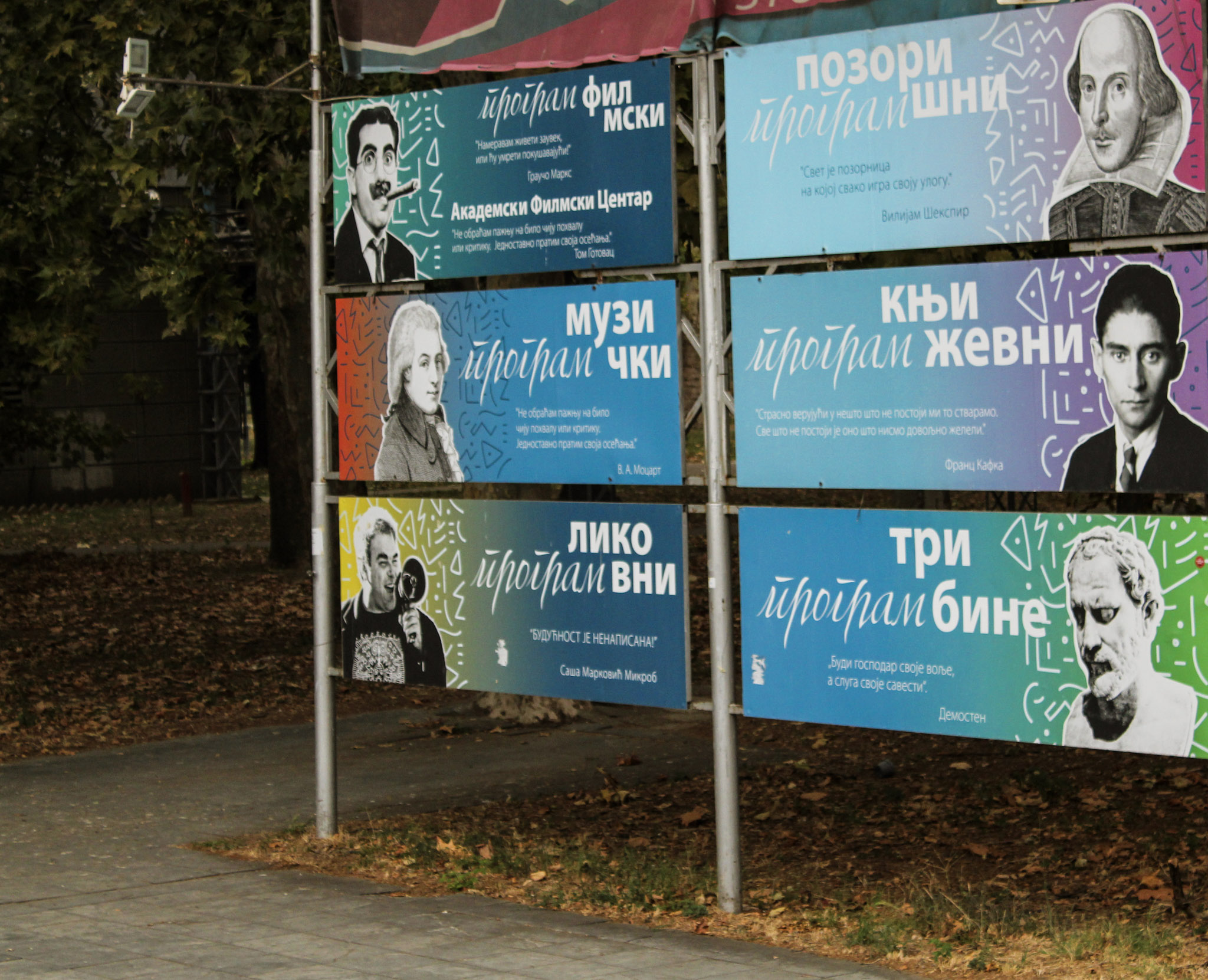
Thanks to its diverse spaces, the Cultural Center hosts numerous cultural and artistic programs throughout the year.