THE HISTORY
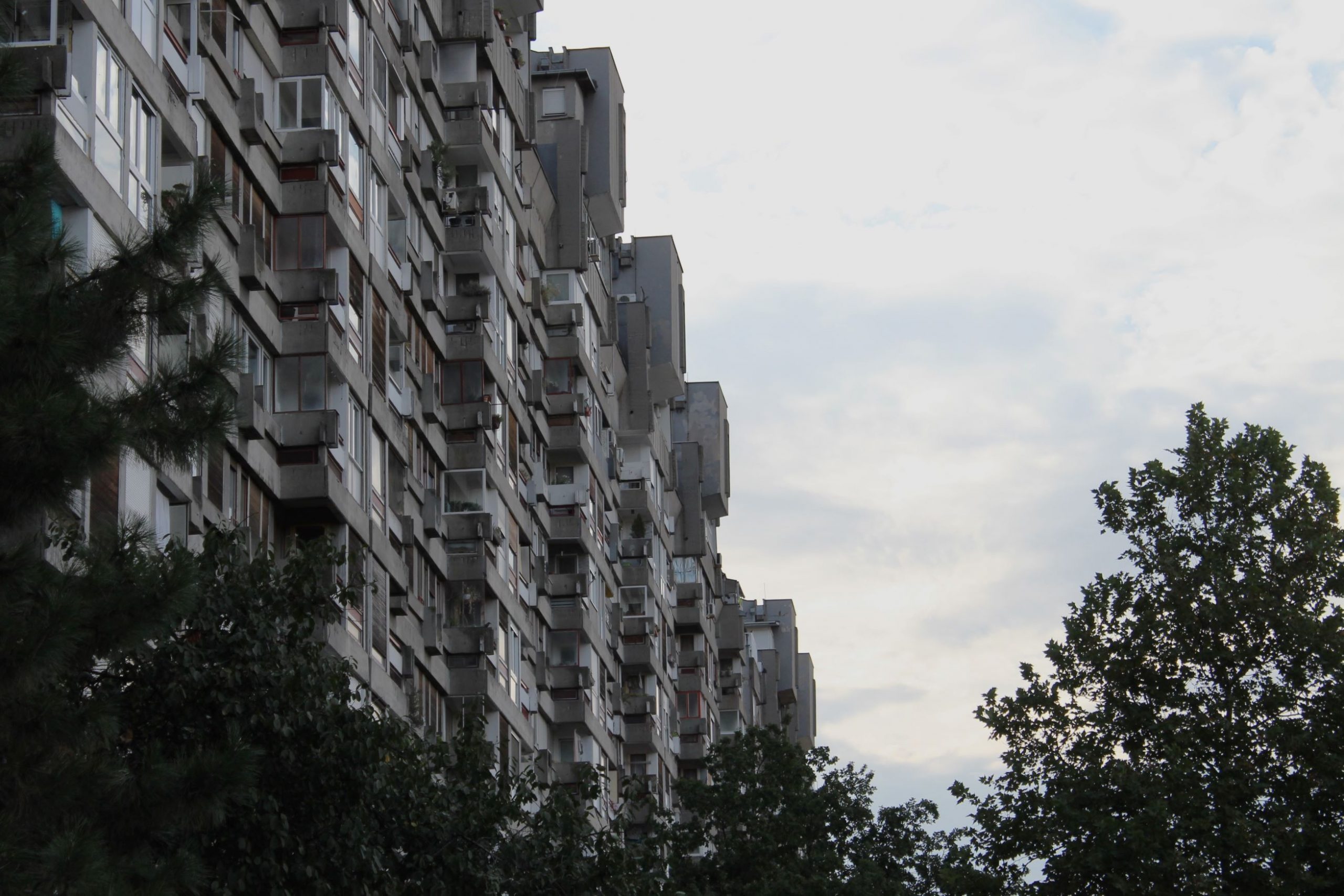
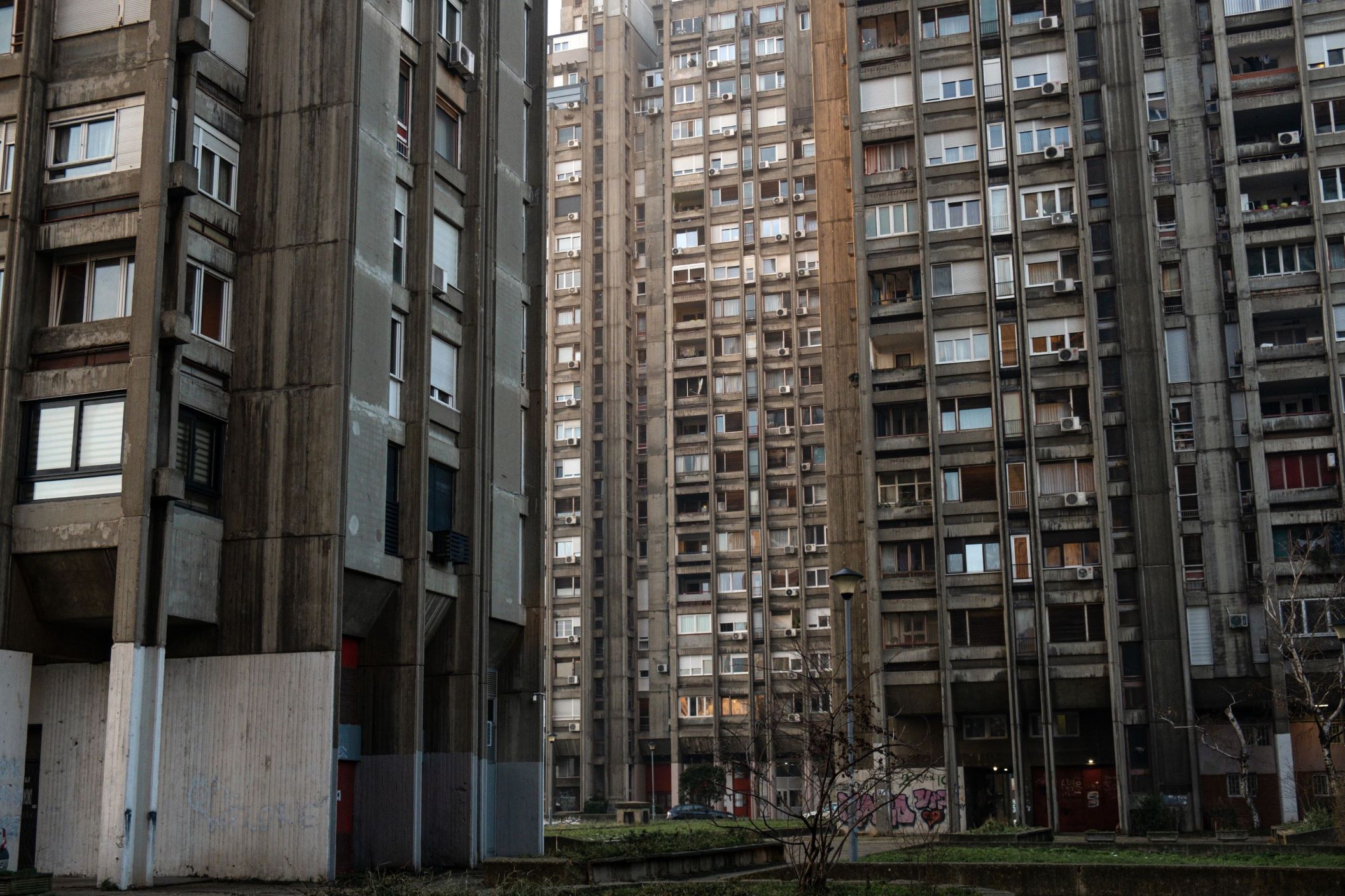
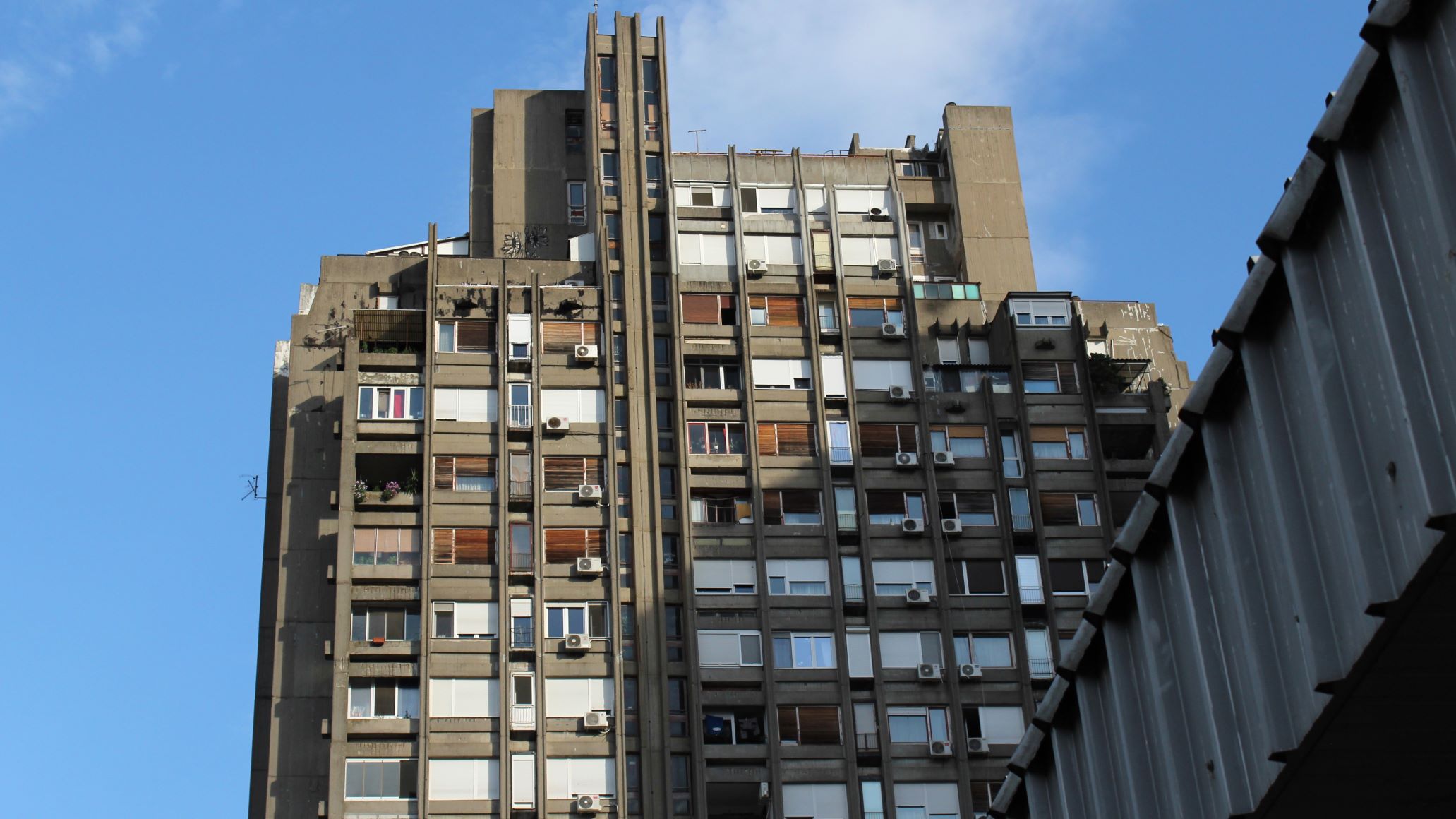
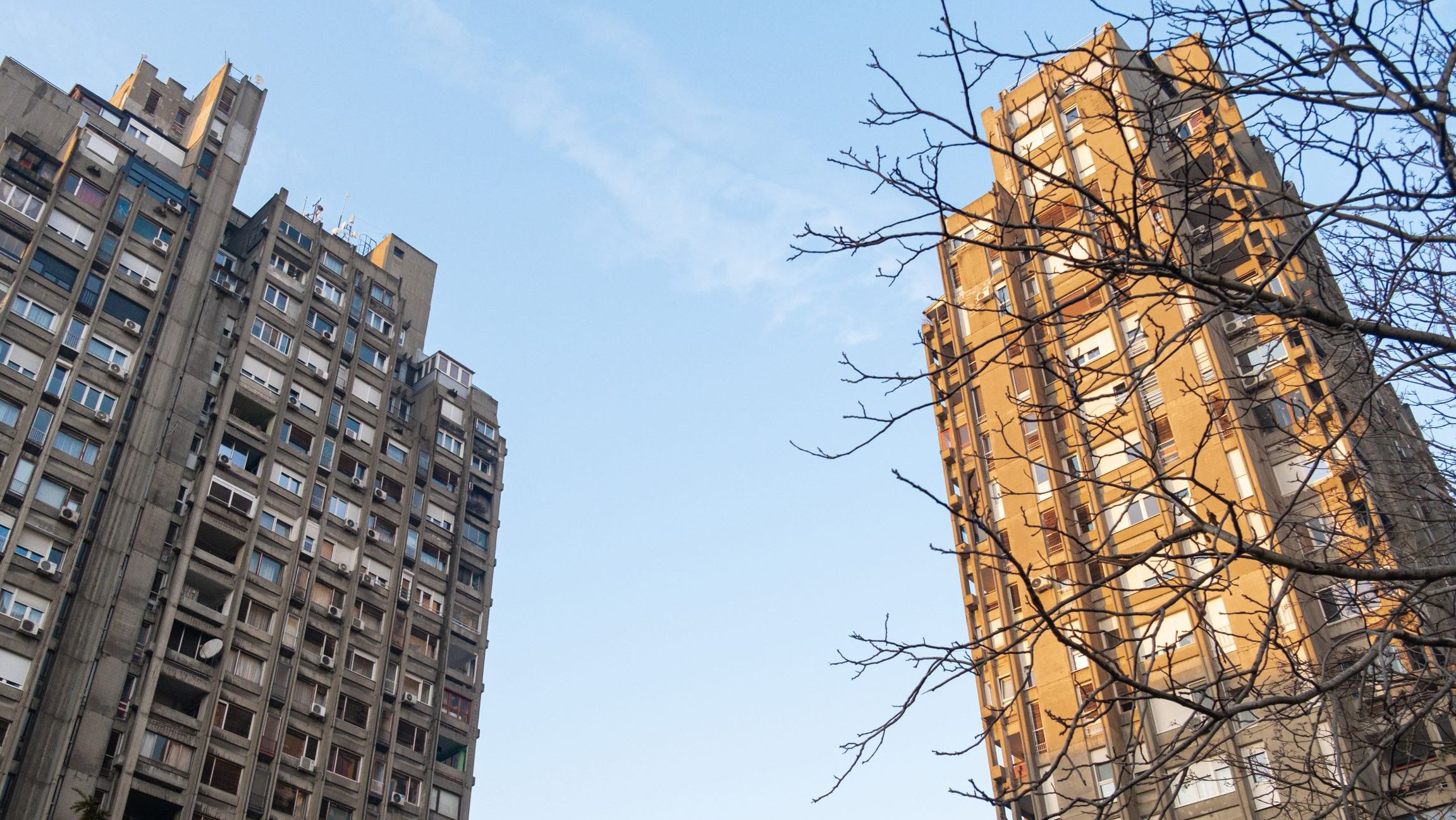
Construction of Block 23 began in 1969 and was completed in 1976. It is a corner block with a rectangular layout (similar to Block 21), featuring four 21-story high-rises and two elongated 10-story buildings. Two additional four-story buildings in a meandering form are located in the middle of the block.
The conceptual design of the block was created by architect Jovan Mišković, while the architects for the buildings were Aleksandar Stjepanović, Branislav Karadžić, and Božidar Janković. For their work on Block 21, they received the Architecture Salon Award in 1975.
The block contains 2,100 apartments, planned for 7,560 residents. It was commissioned by the Yugoslav People’s Army (JNA), but the apartments were intended not only for JNA employees but also for other citizens.
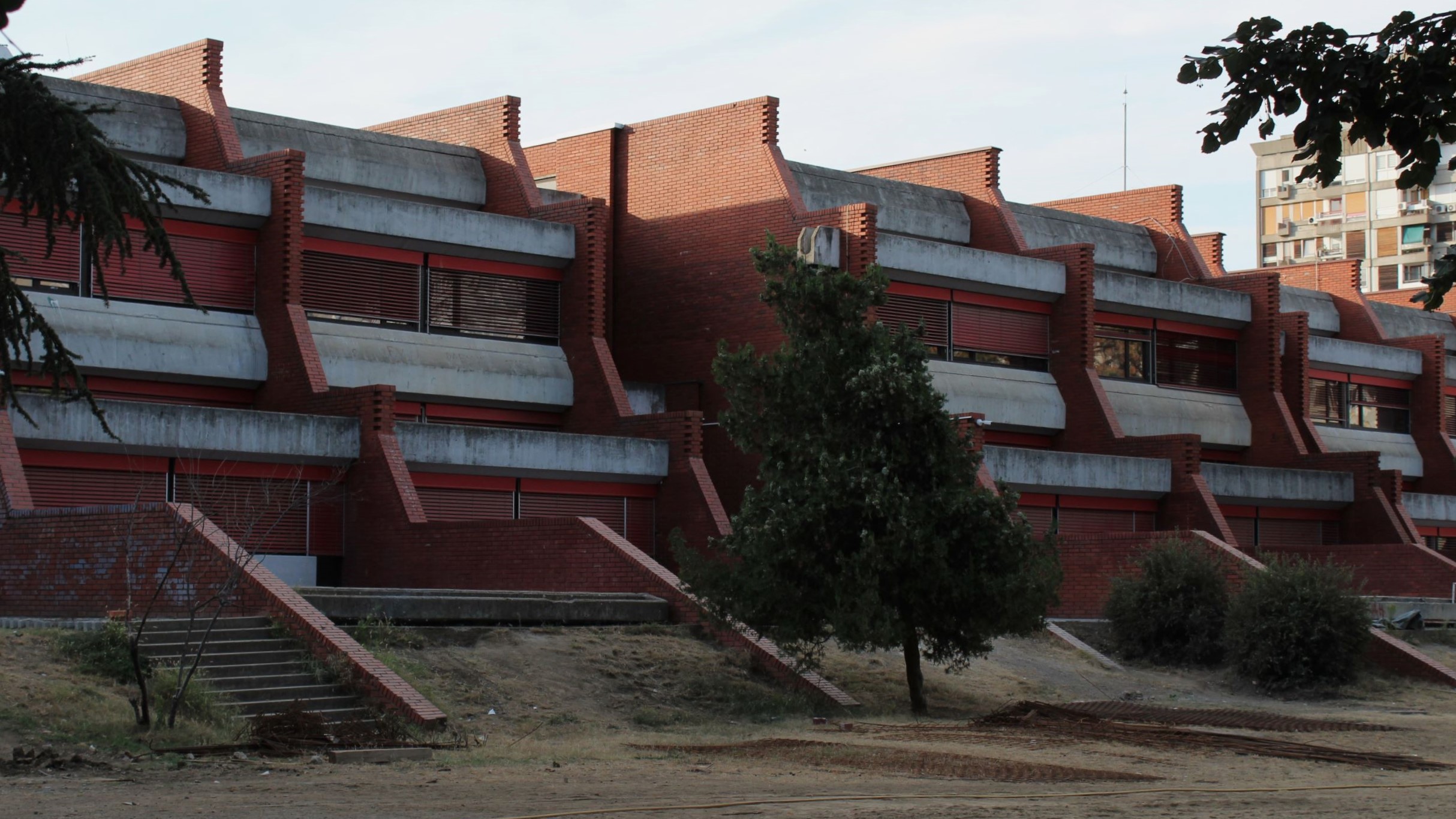
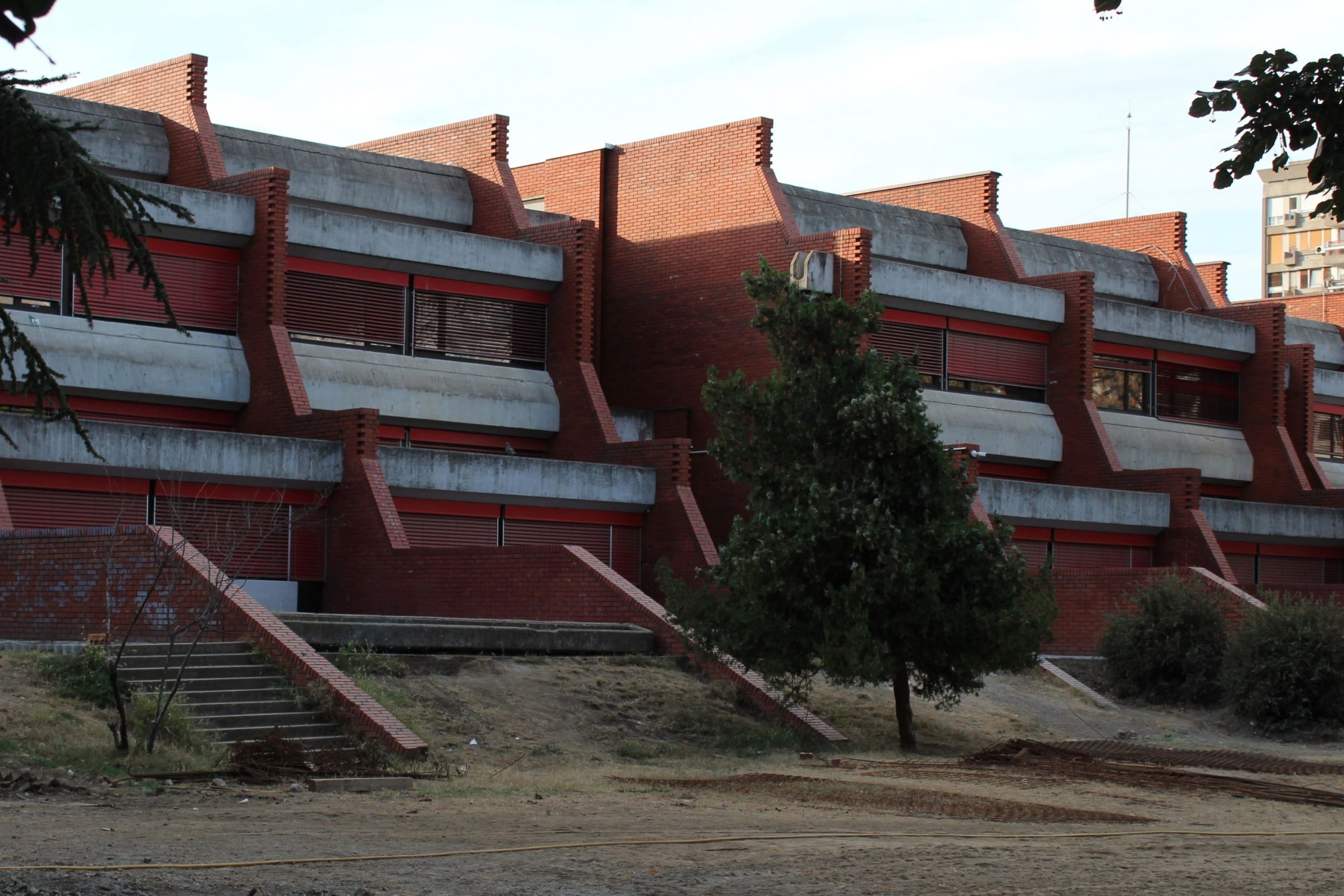
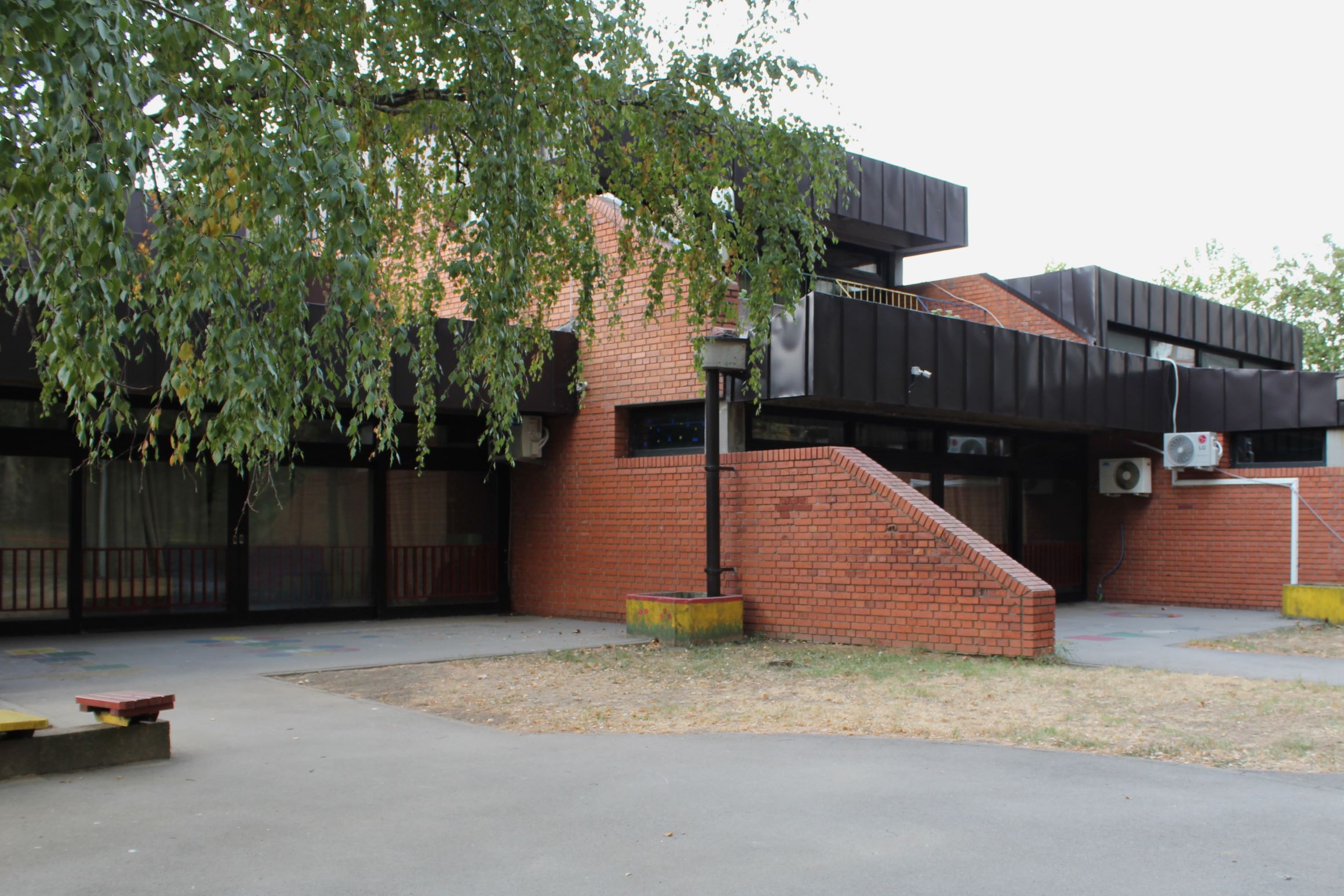
Of the planned social-purpose buildings, the following were constructed: two kindergartens (formerly “Vesna”), the elementary school Laza Kostić (formerly “Seven Secretaries of SKOJ”), and the local community center Milentije Popović, built in 1973. Local Community Day was celebrated on December 18, marking the founding of this community in 1973.
In 1978, architects Božidar Janković, Branislav Karadžić, and Aleksandar Stjepanović received the City of Belgrade Award for the design of the school “Seven Secretaries of SKOJ.” Notably, the interior design was carefully planned, and the popular Slovenian furniture company Lesnina furnished the school’s rooms.
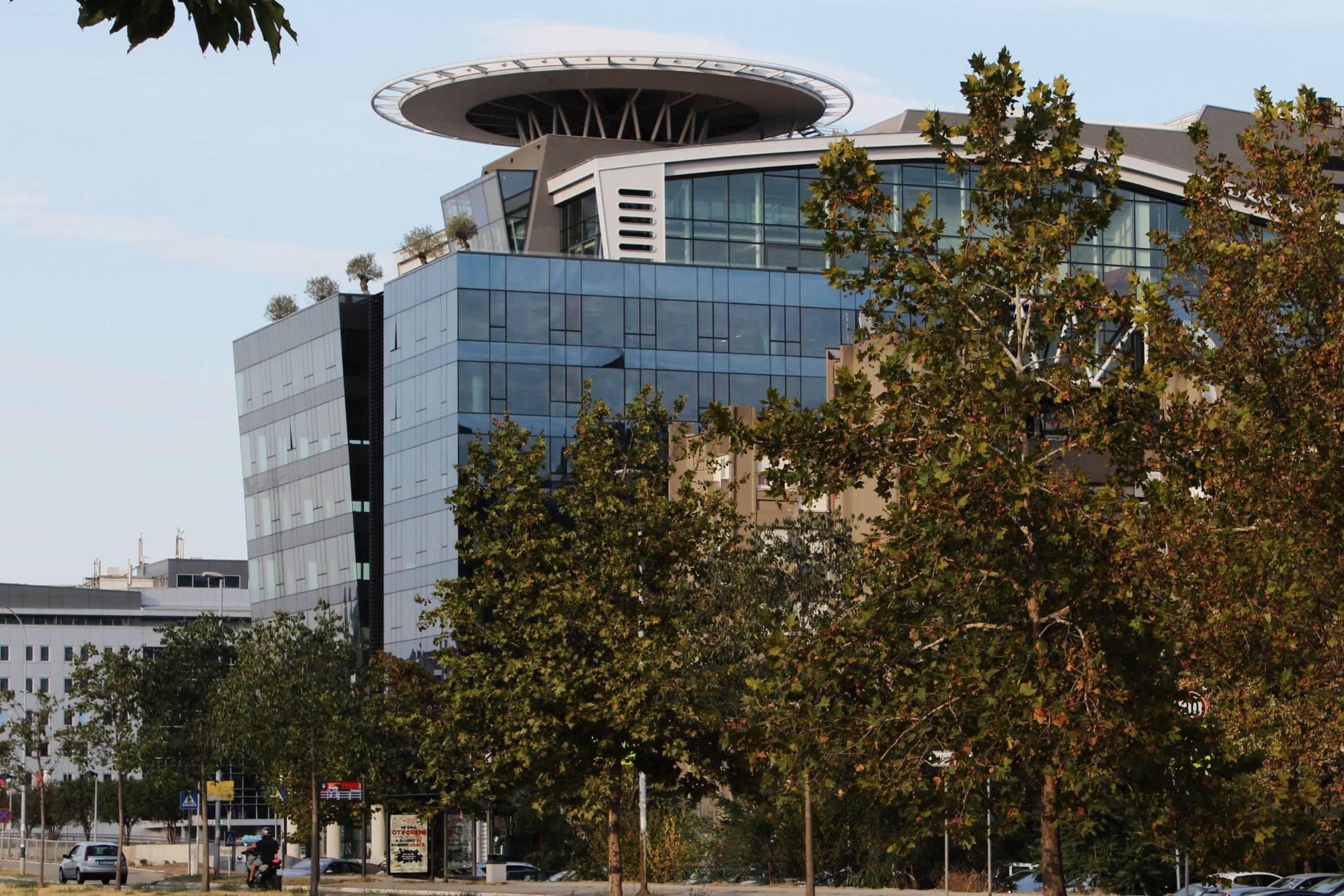
According to the original plan, a single-person hotel was also to be built, but it was never constructed. In its place, a commercial building began construction during the 2000s.
THE DESIGN
The apartments were designed with flexible layouts (open-plan living areas plus separate sleeping zones). On the ground floors, spaces were planned for the residents’ council and children’s common rooms, while the roof terraces include at least one painting studio per building. Between the towers, a semi-submerged underground garage was constructed.
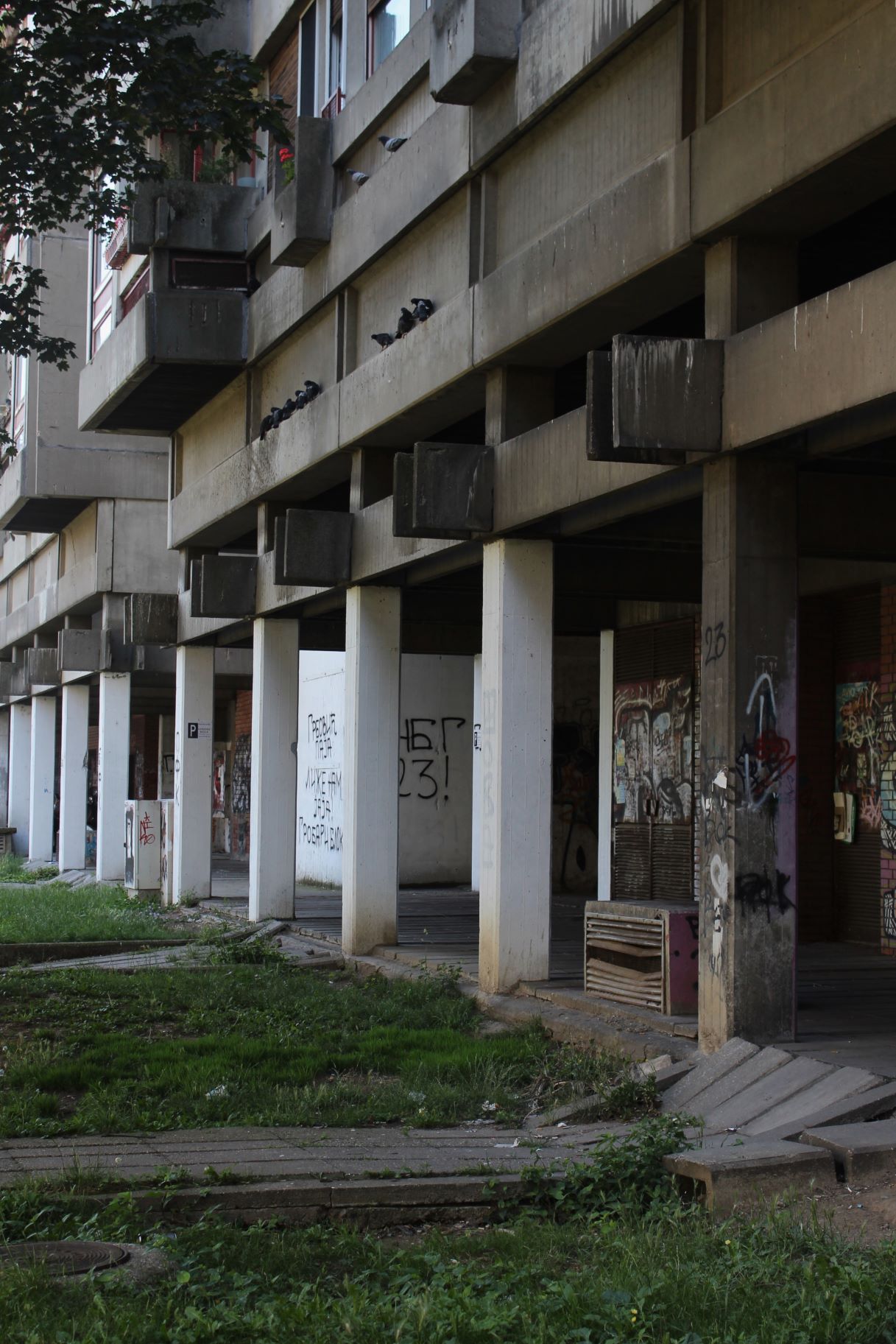
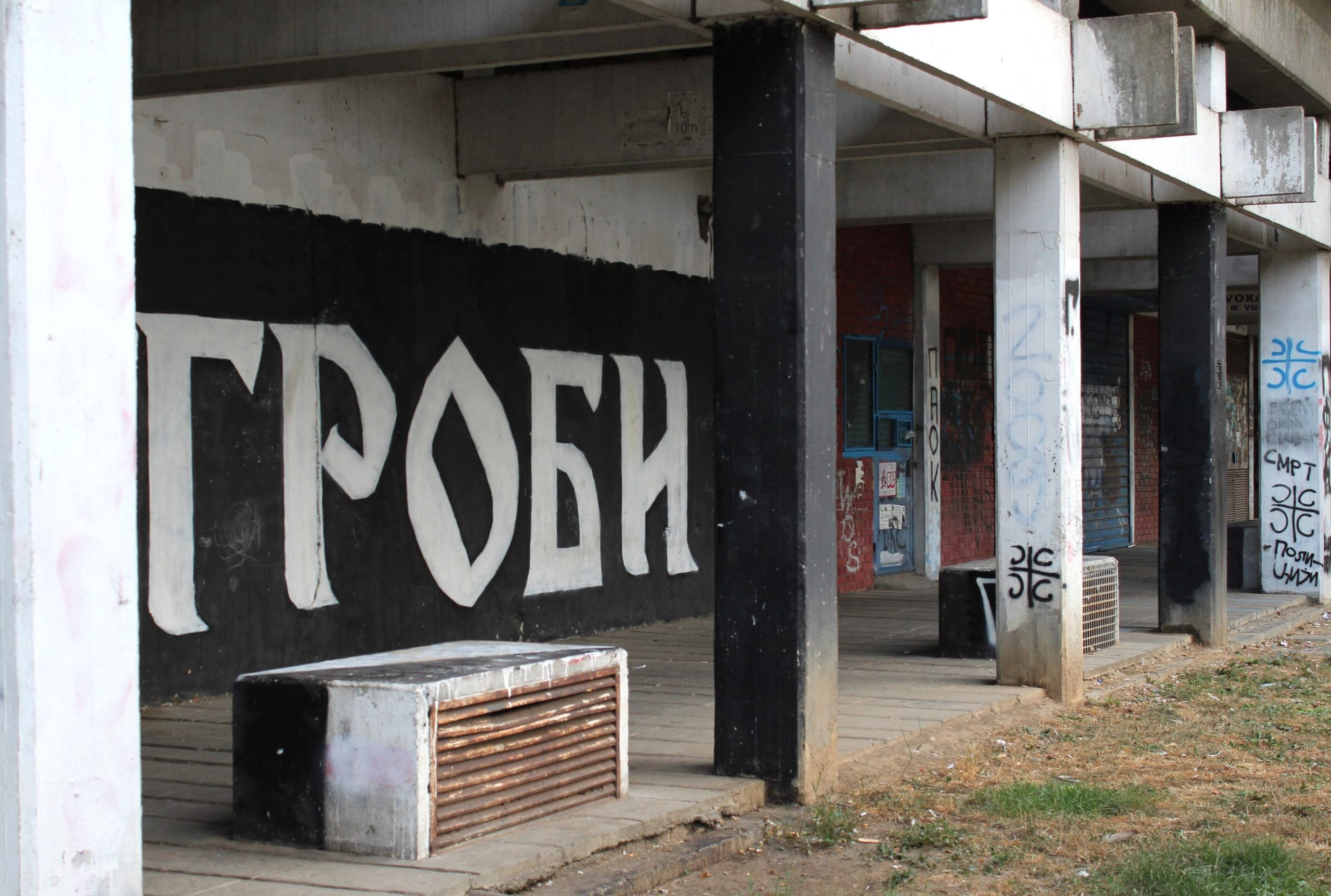
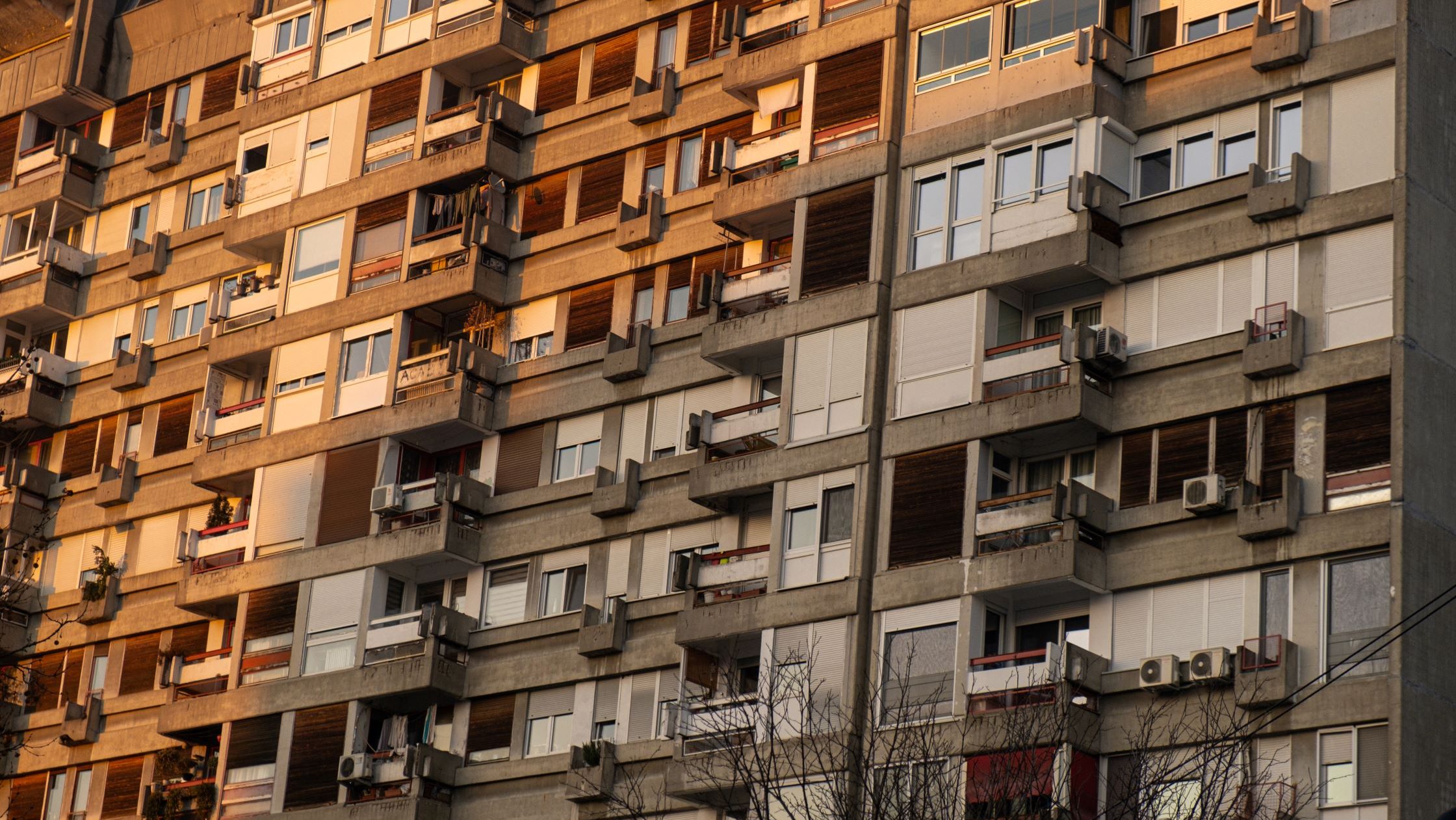
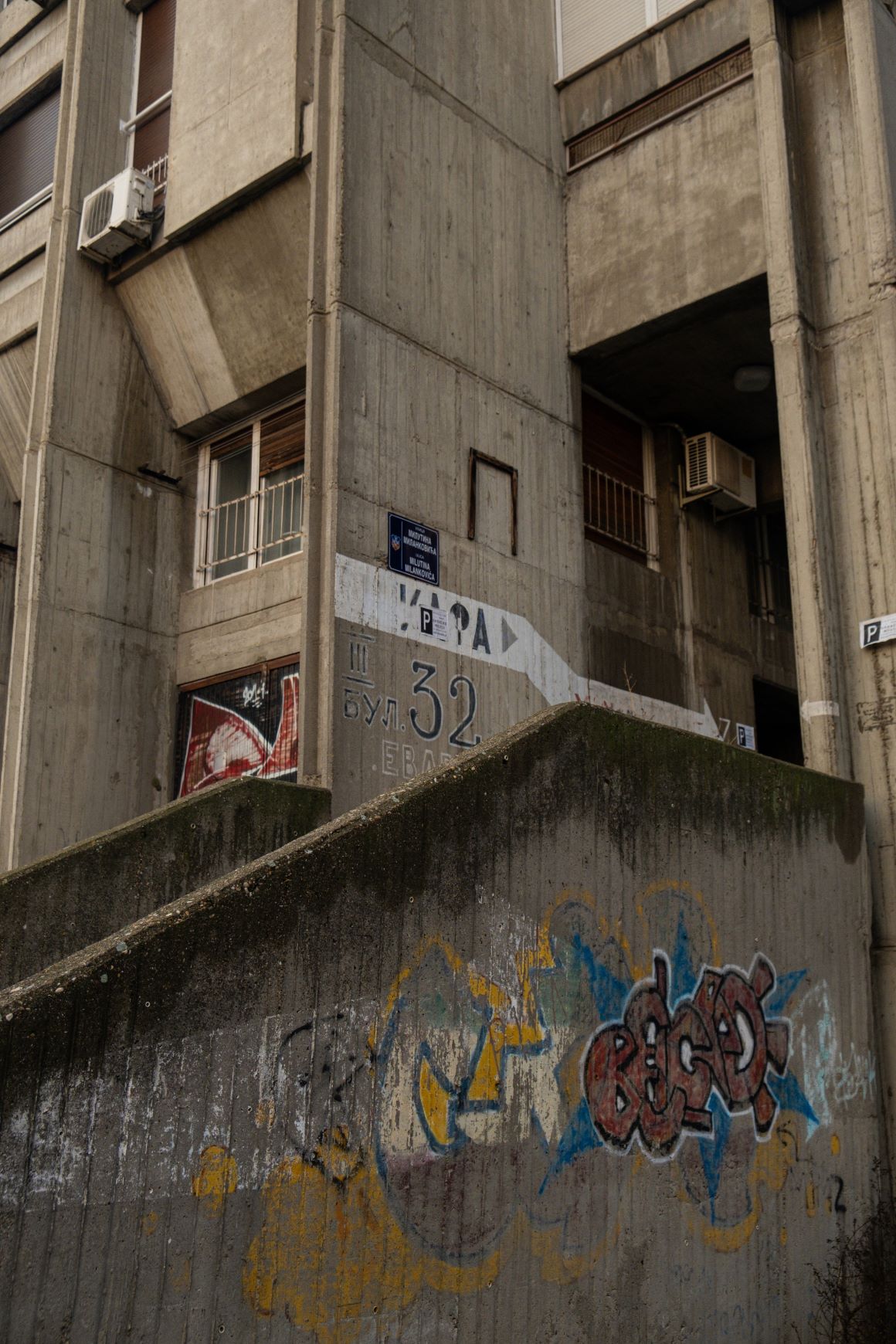
Block 23 has become celebrated as a prime example of brutalism due to its massive concrete structures. In professional circles, it is also referred to as “concrete baroque” because of the abundance of concrete elements on the façades, which create a dynamic visual effect.
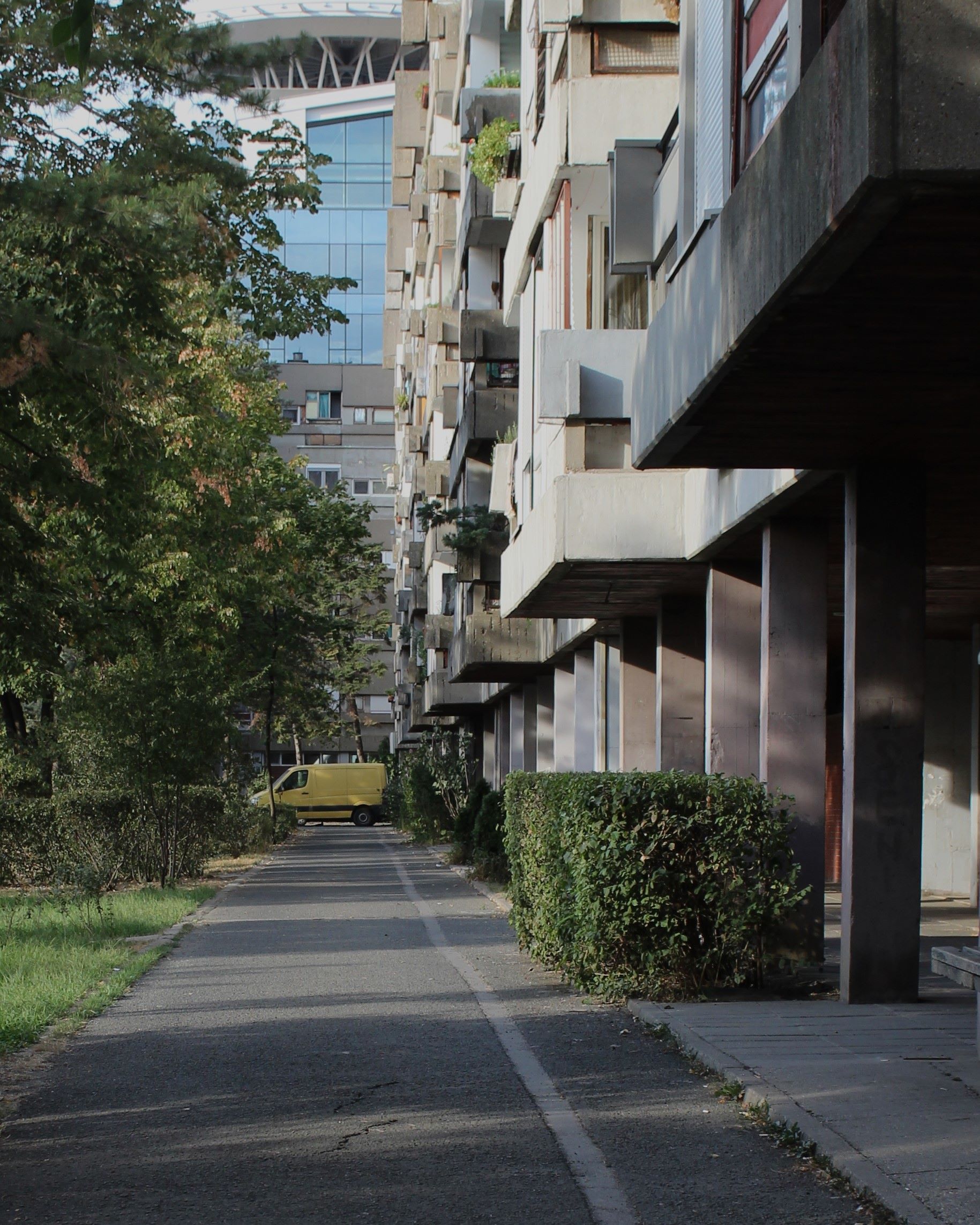
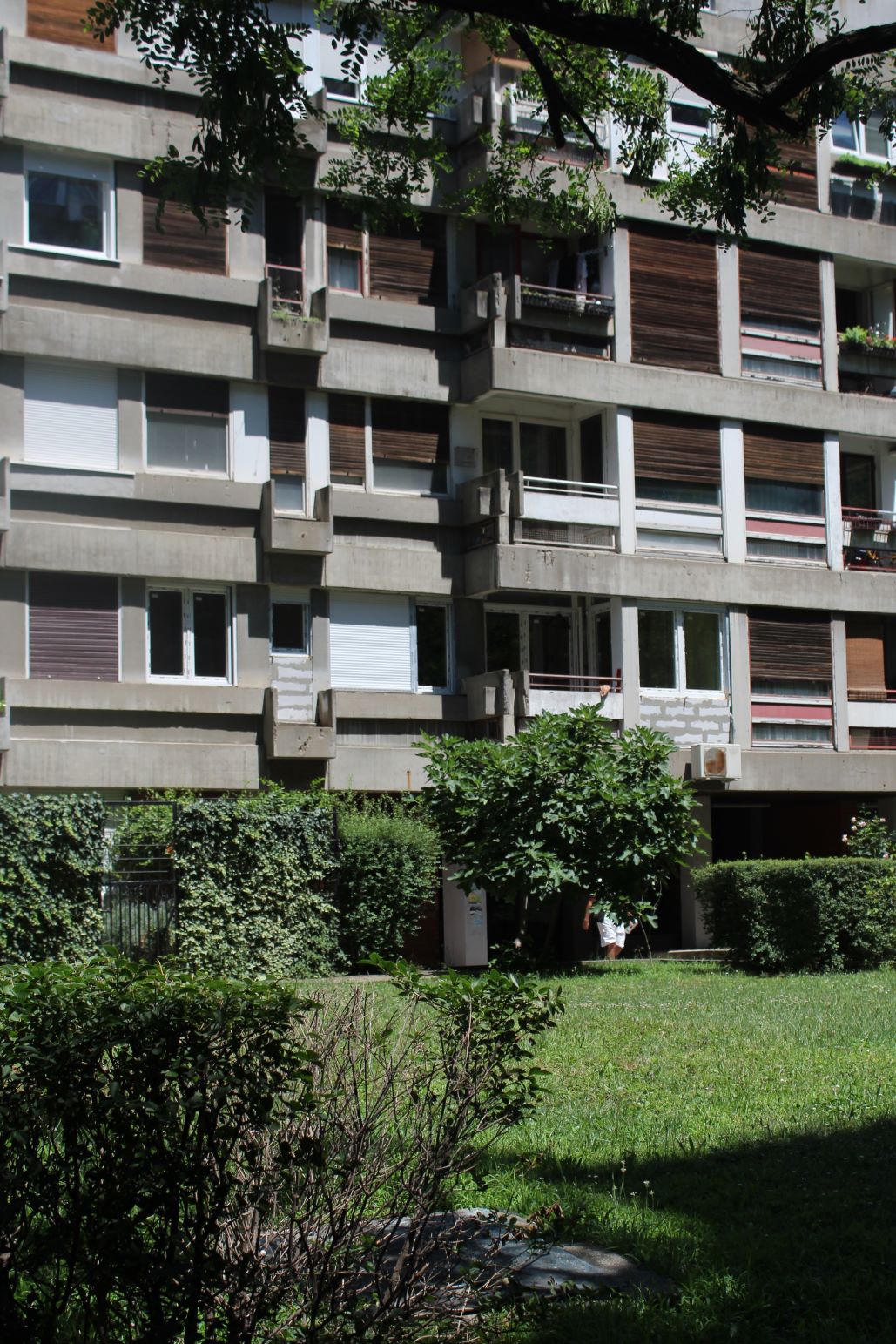
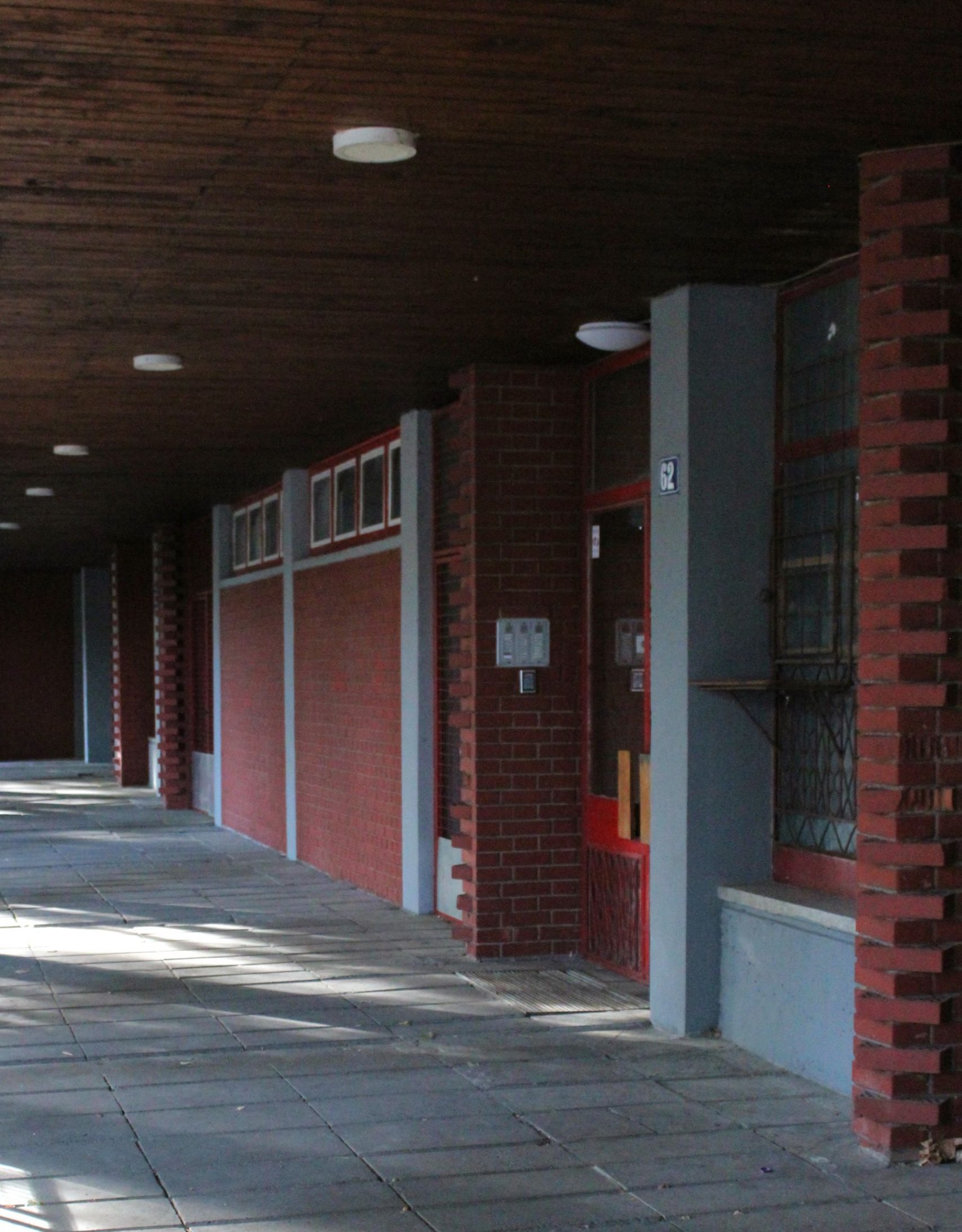
Although the buildings predominantly feature exposed concrete, the designers introduced color into the concrete structures through detailed joinery.
The apartments in Block 23 are considered exemplary representations of the so-called Belgrade School of Housing, characterized by circular movement and adaptable room layouts. Numerous modifications are visible on the façades and roofs, including extensions, changes in joinery, and the glazing of terraces.