THE HISTORY
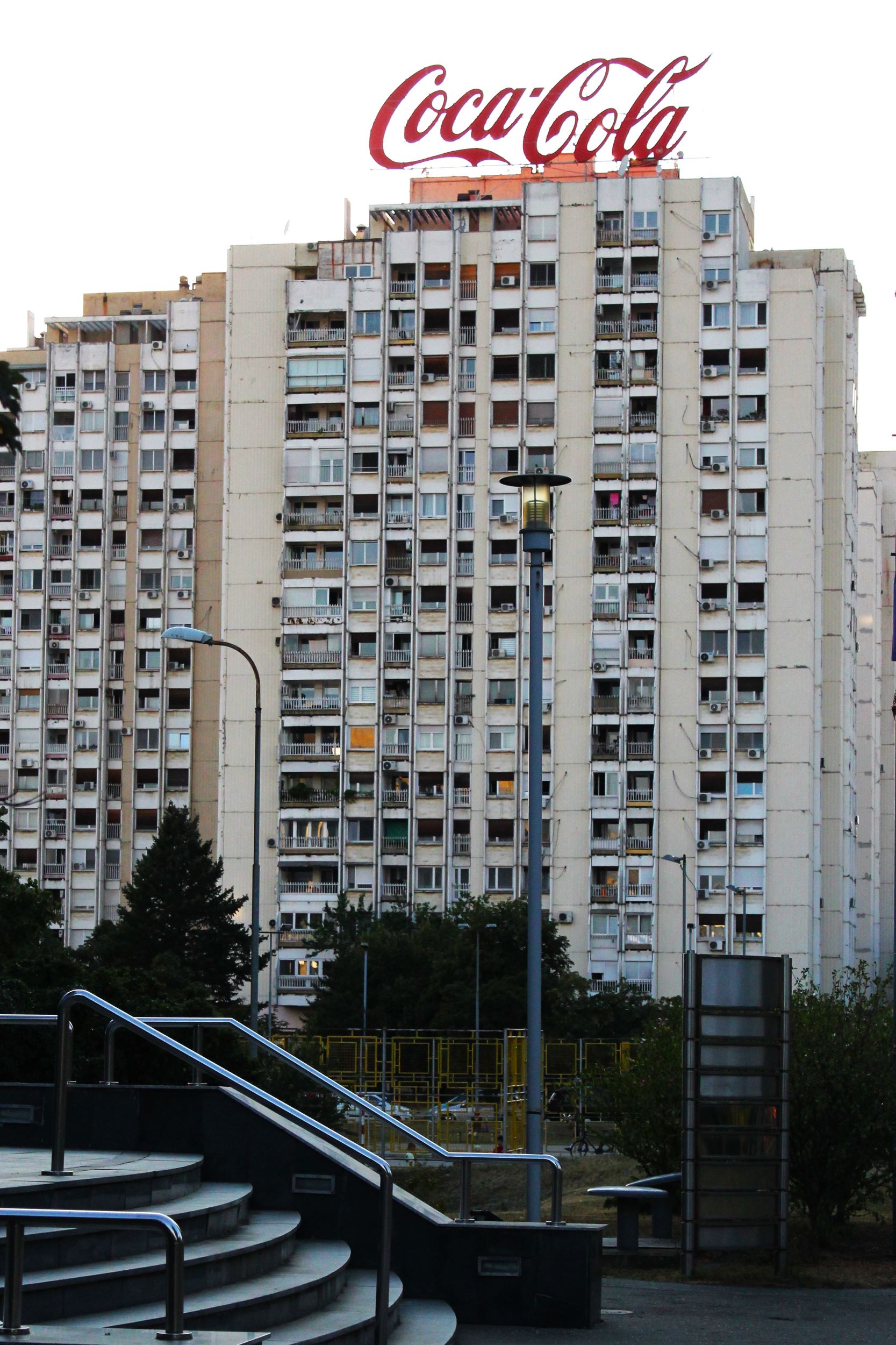
According to the original 1967 plan, this block—situated across from the former Federal Executive Council building, with views of Kalemegdan and the confluence of the Sava and Danube rivers—was intended to become a diplomatic residential area. The idea was to sell the apartments to foreign diplomatic missions, but the sale never took place.The architect of Block 30 was Uroš Martinović, together with associates Darko Marušić, Milenija Marušić, Petar Gajčanin, Borislav Stojkov, and Nadežda Martinović. A detailed plan was made for larger apartments meant to house 6,000 residents, but since this concept was not realized, the plan was revised in 1973, and construction began two years later. The block was completed in 1979. The apartments were then offered to the Yugoslav People’s Army (JNA) and other state-owned companies.
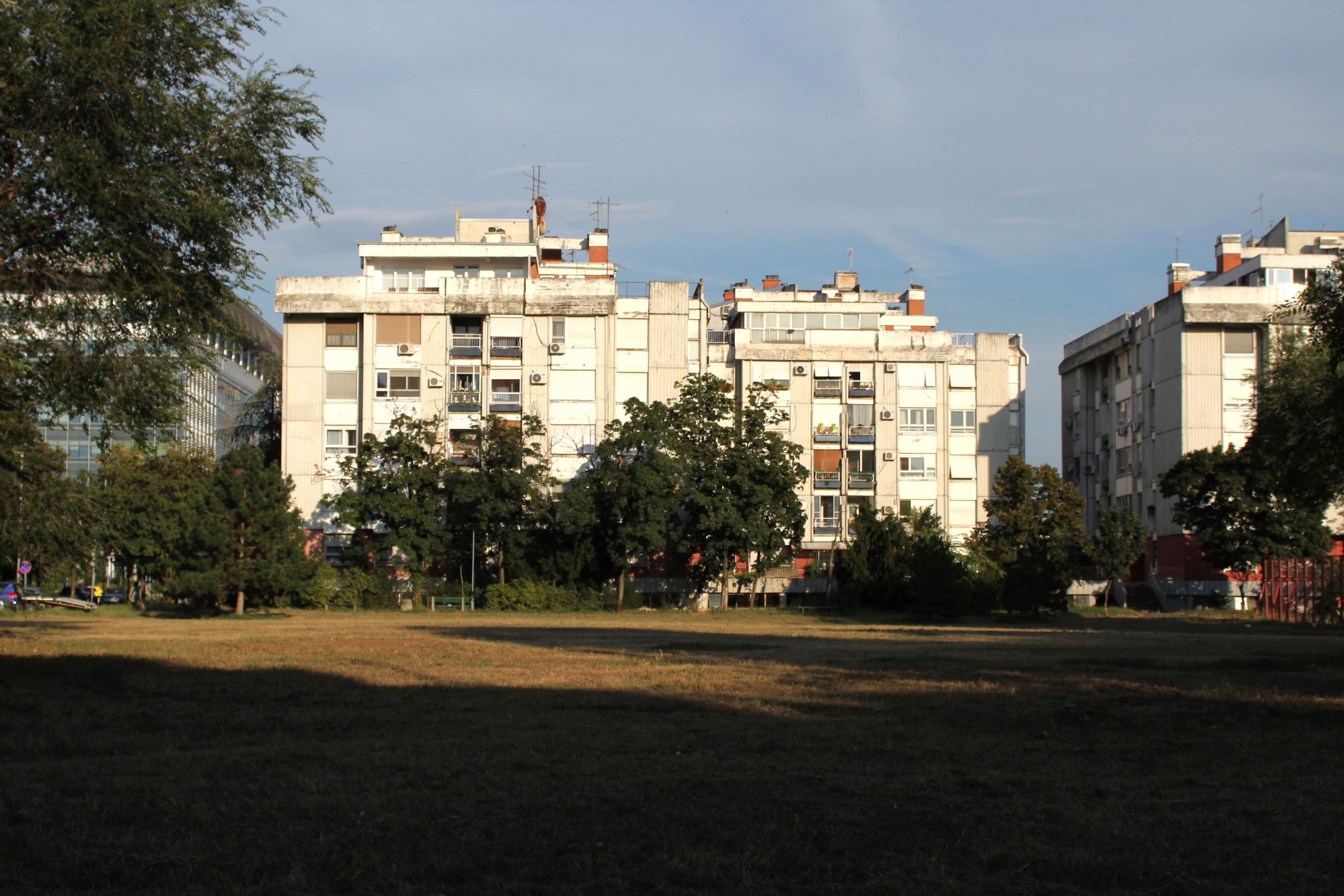
Block 30 was part of the Kadinjača local community, whose community day was celebrated on November 28, marking its founding in 1977. The plan envisioned free areas dedicated to parks and playgrounds, and even included rooftop swimming pools, greenery, and other amenities—none of which were ever built. Two schools, two kindergartens, and a community center were planned as well.
The project also originally included exclusive four-, five-, and six-room apartments featuring high-quality materials, built-in kitchens, and closets. After the plan was revised, the luxury apartment concept was abandoned.
THE DESIGN
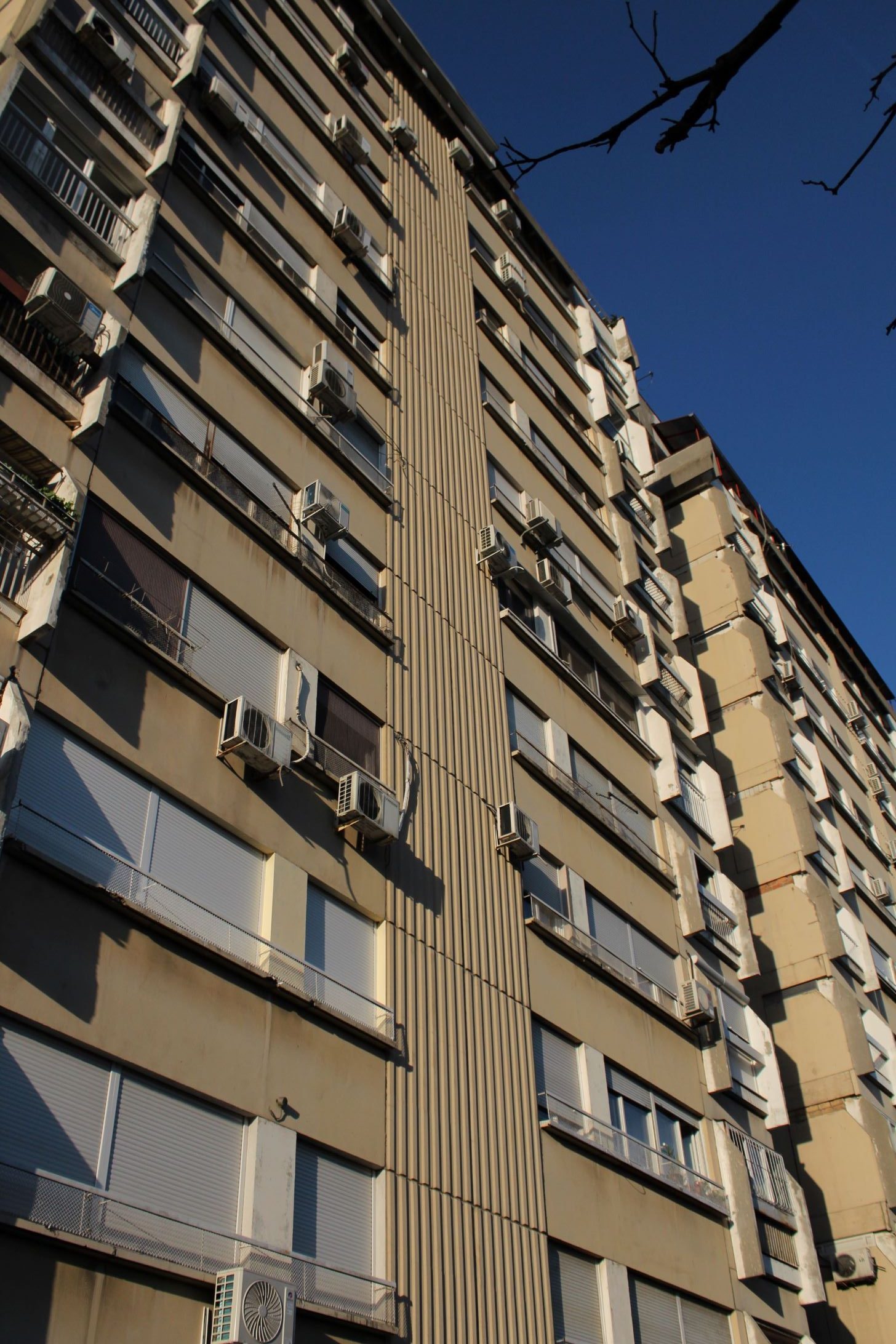
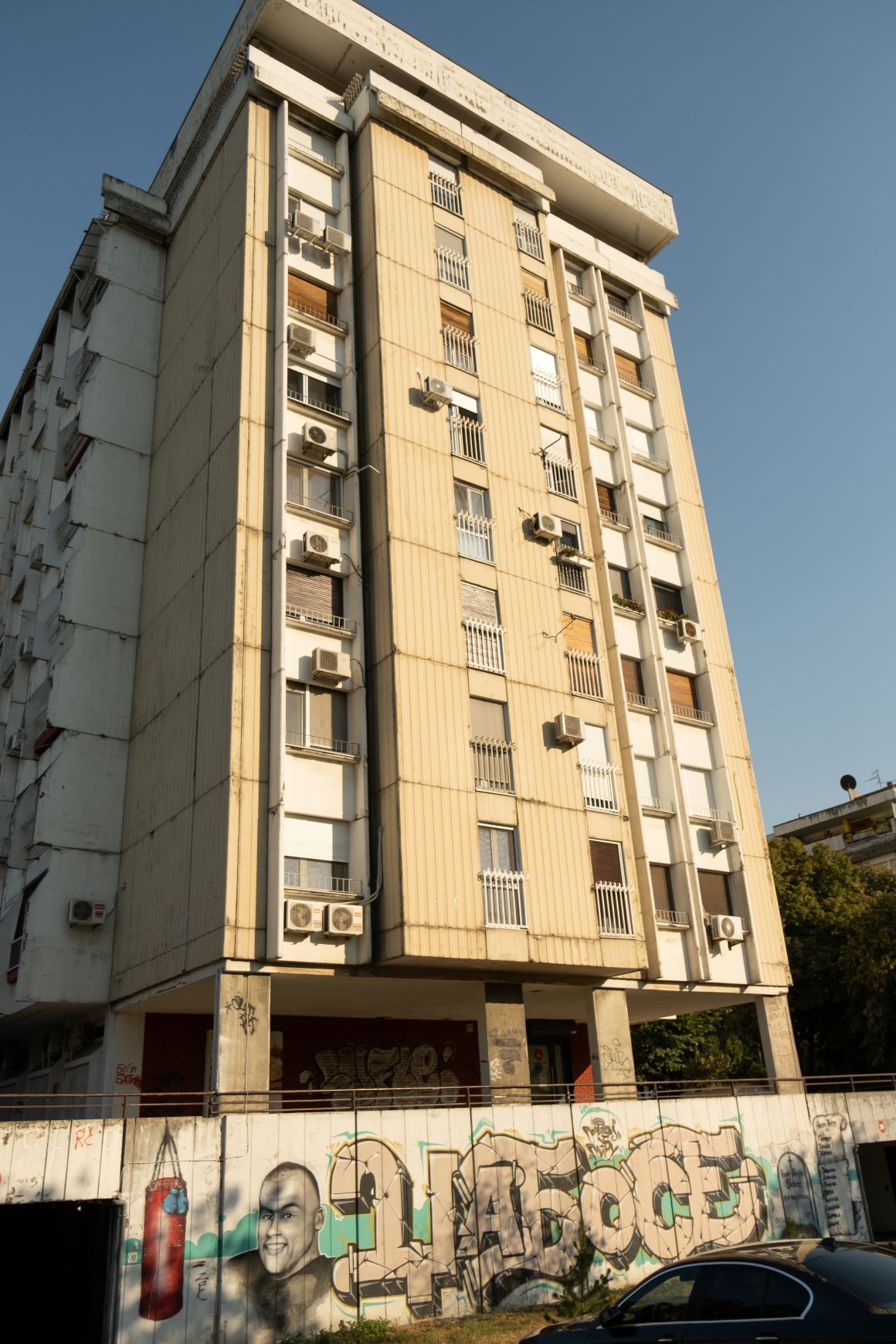
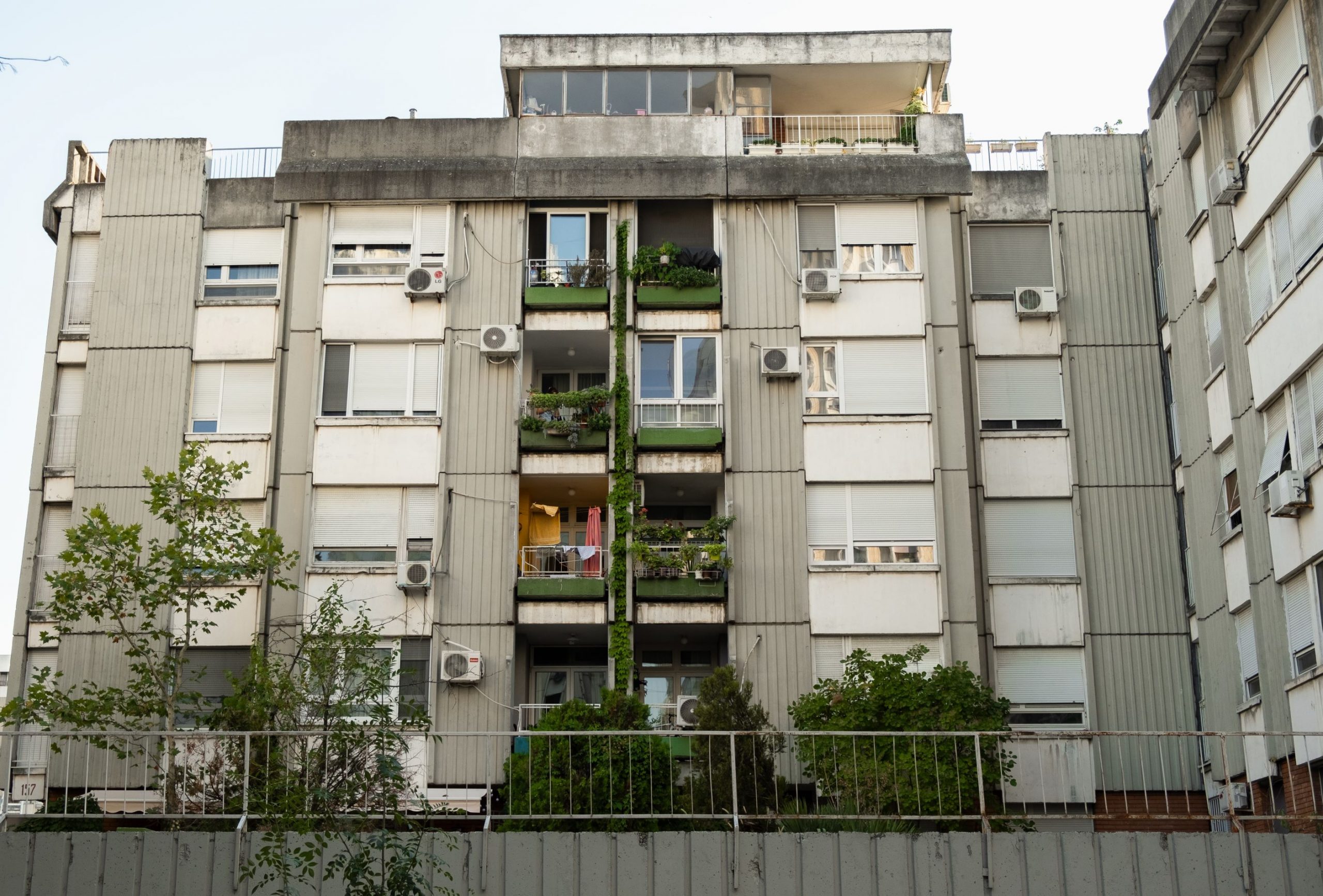
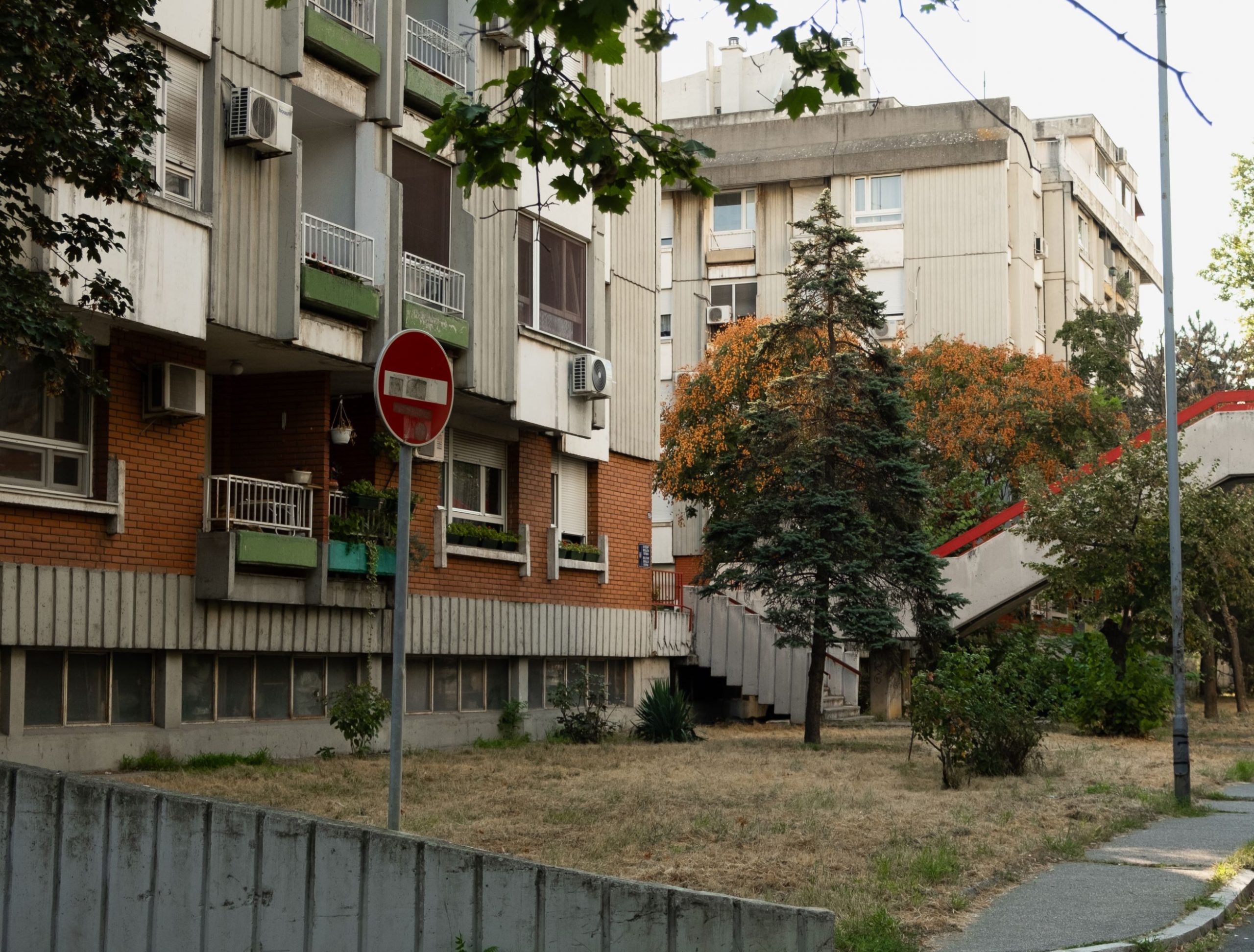
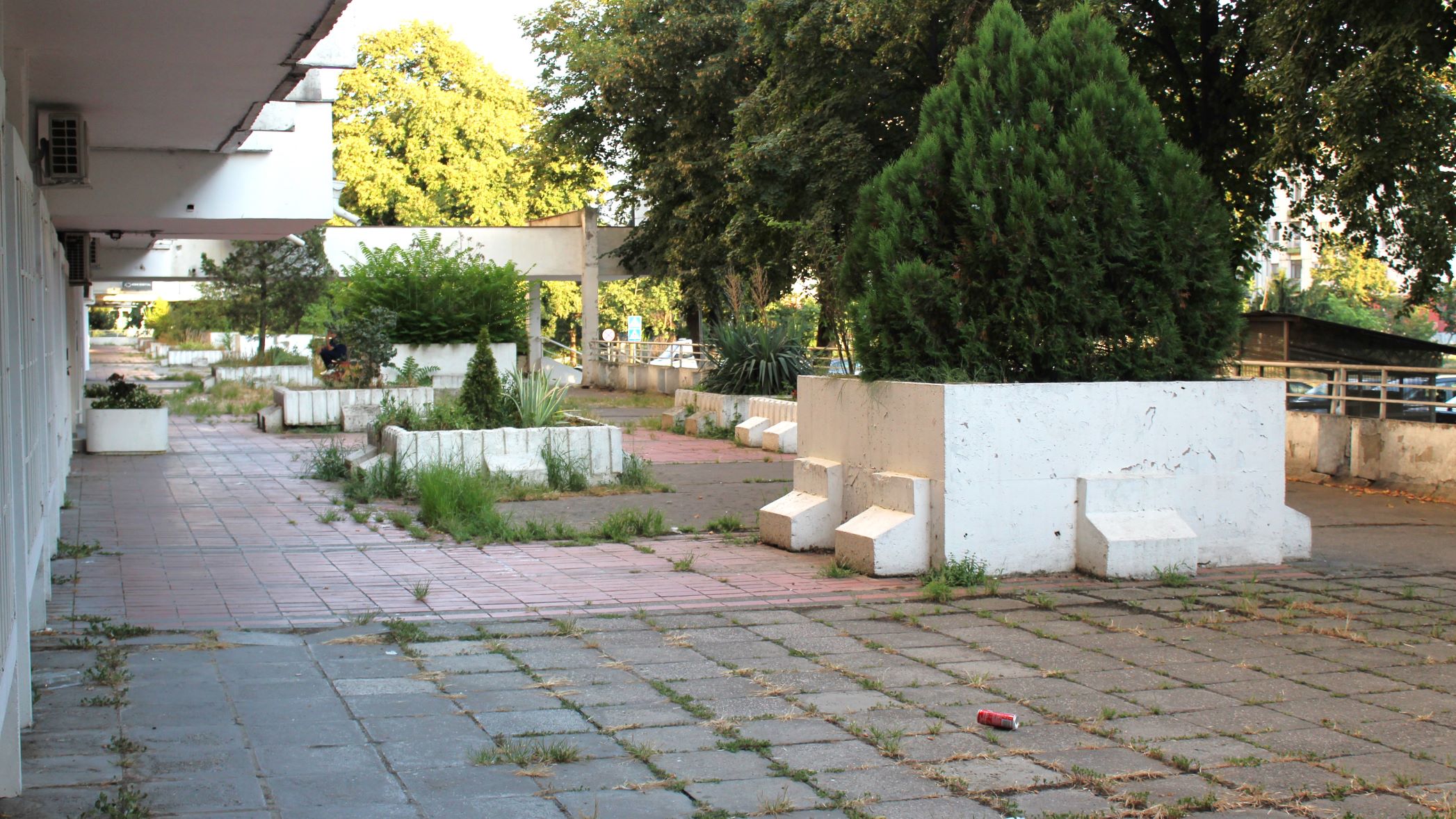
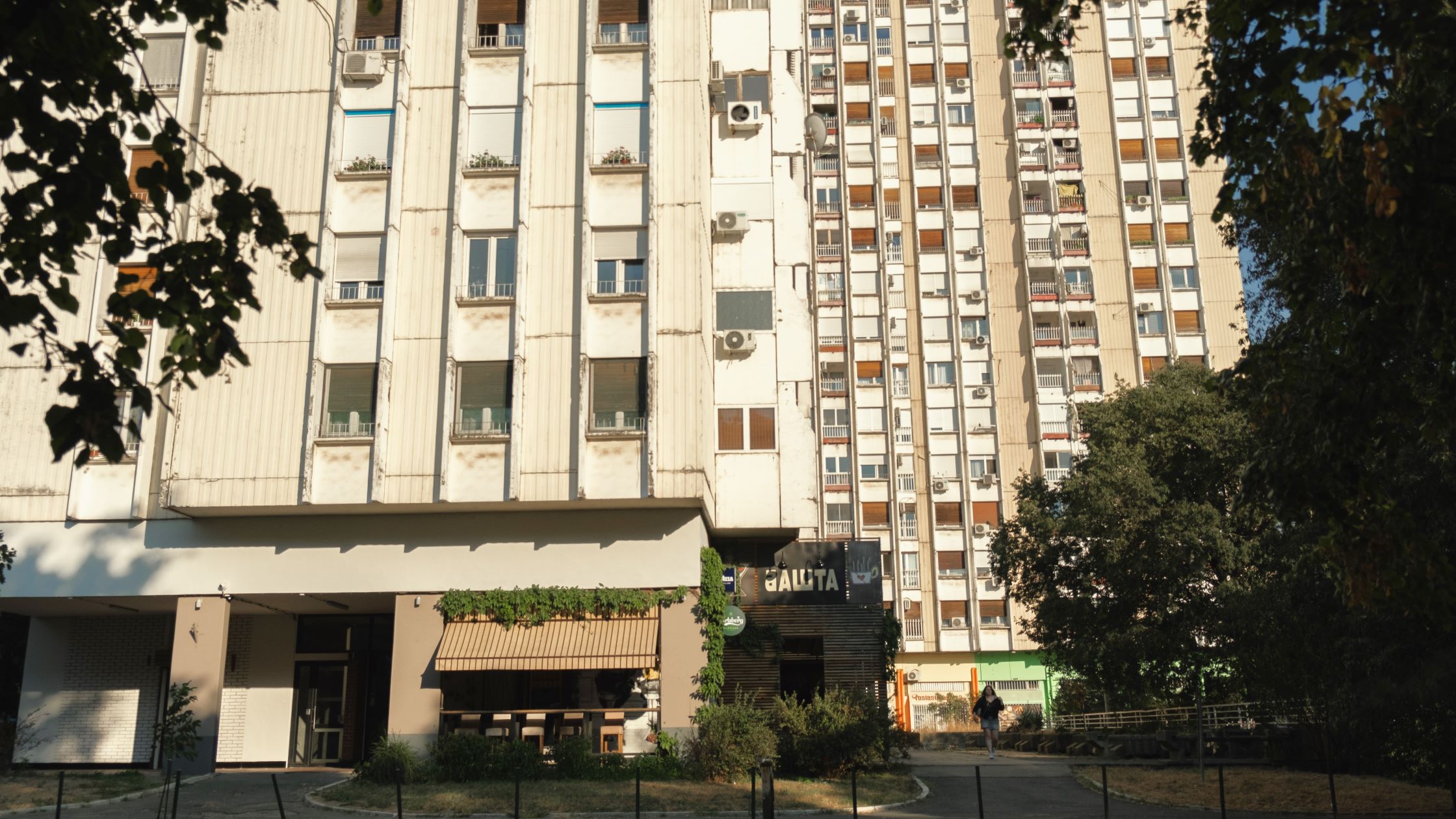
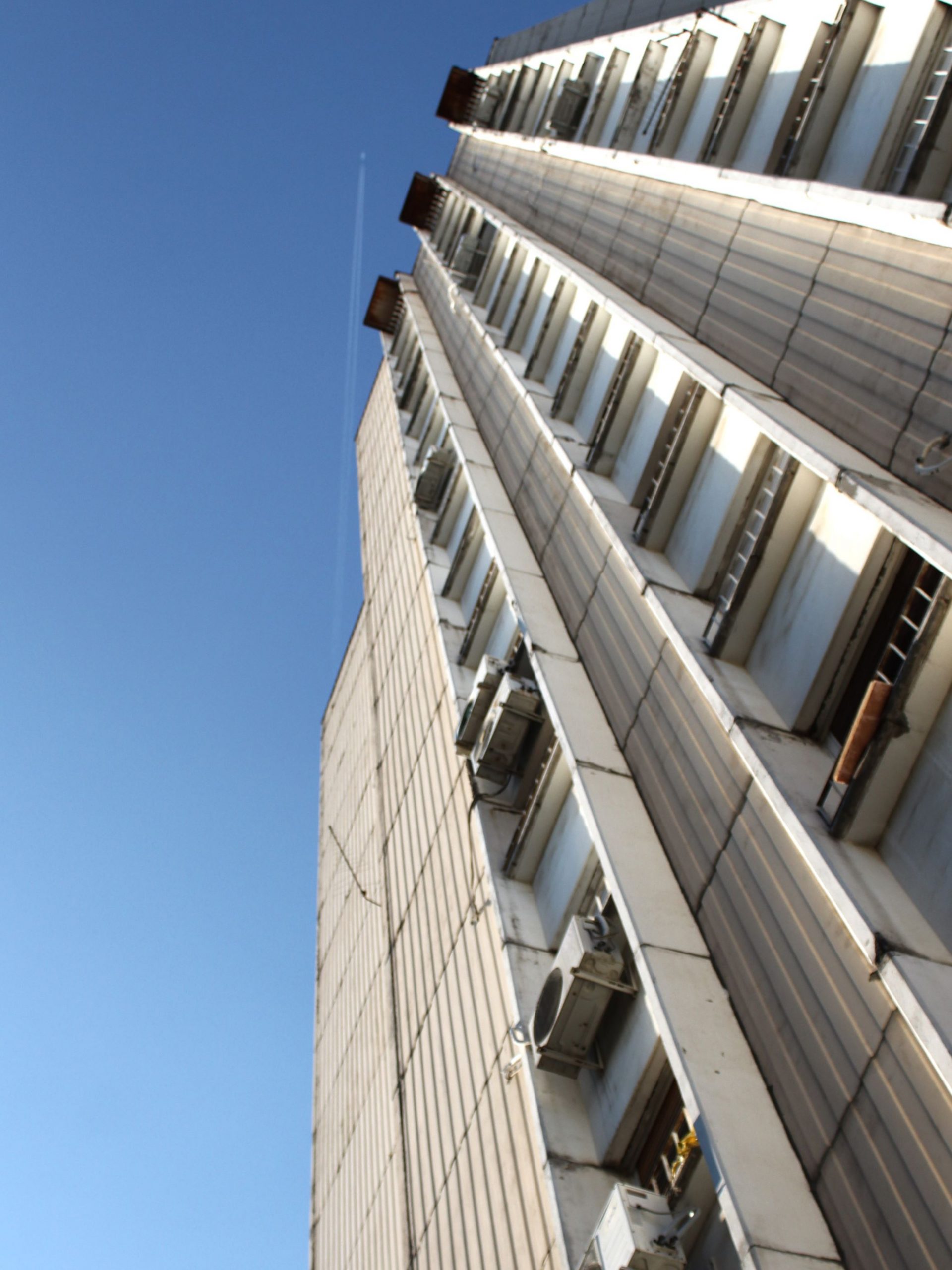
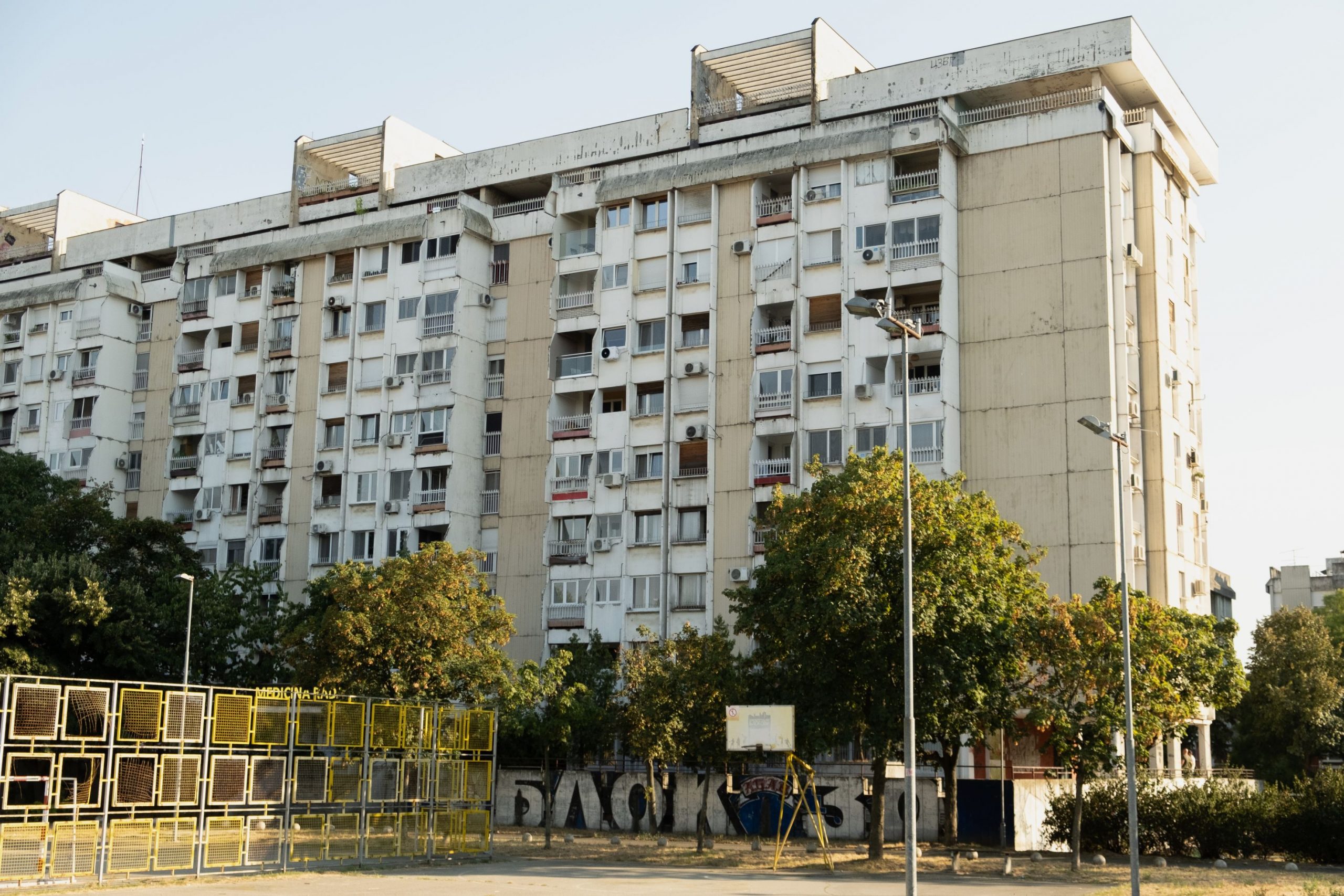
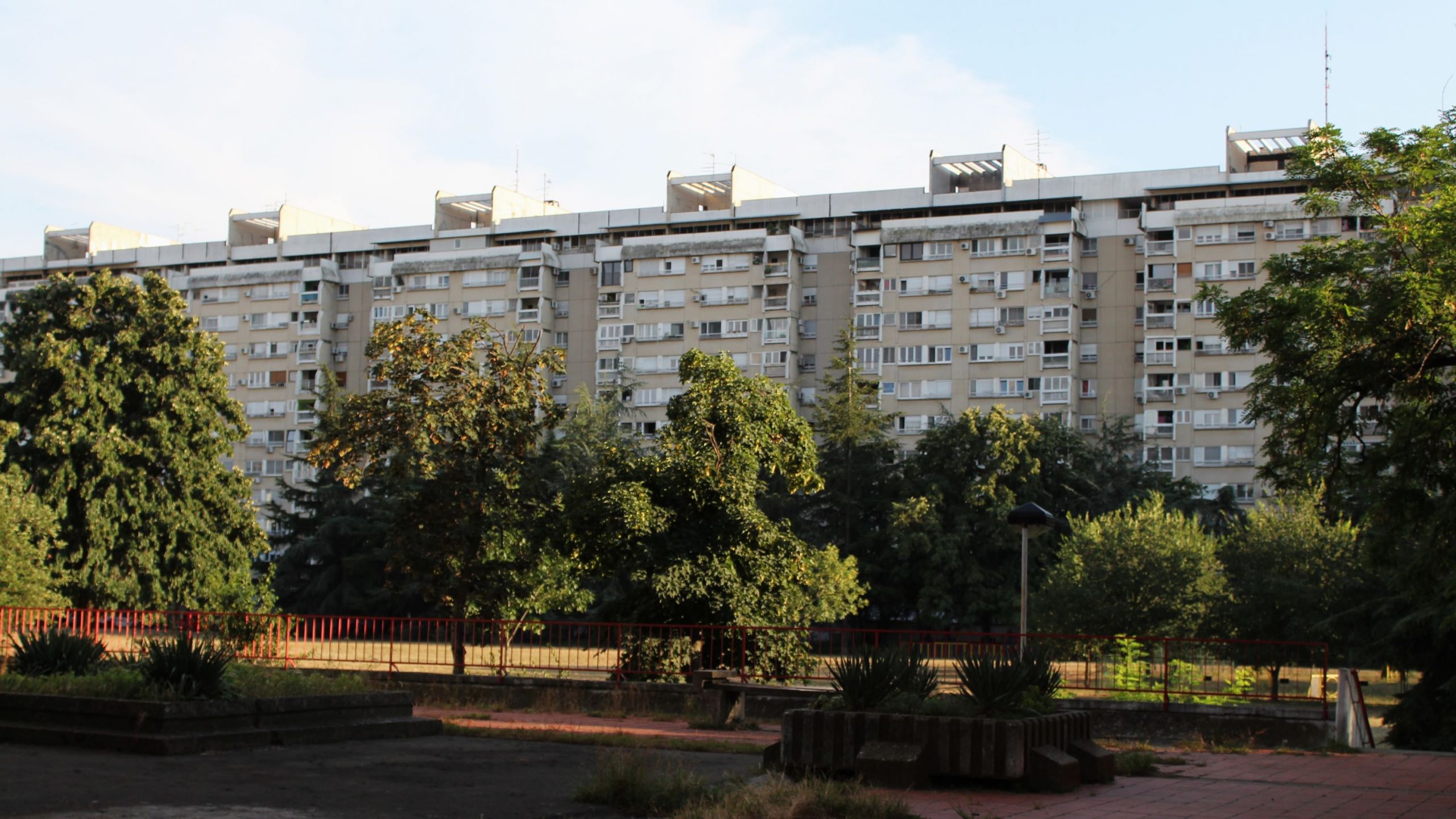
Although the dominant architectural style in this block is Brutalism, the white-painted concrete and dynamic building forms surpassed the conventional block construction methods of the time. The elevated entrances and pedestrian areas, clustered buildings with small courtyards, and well-lit apartments contributed to a higher quality of living.
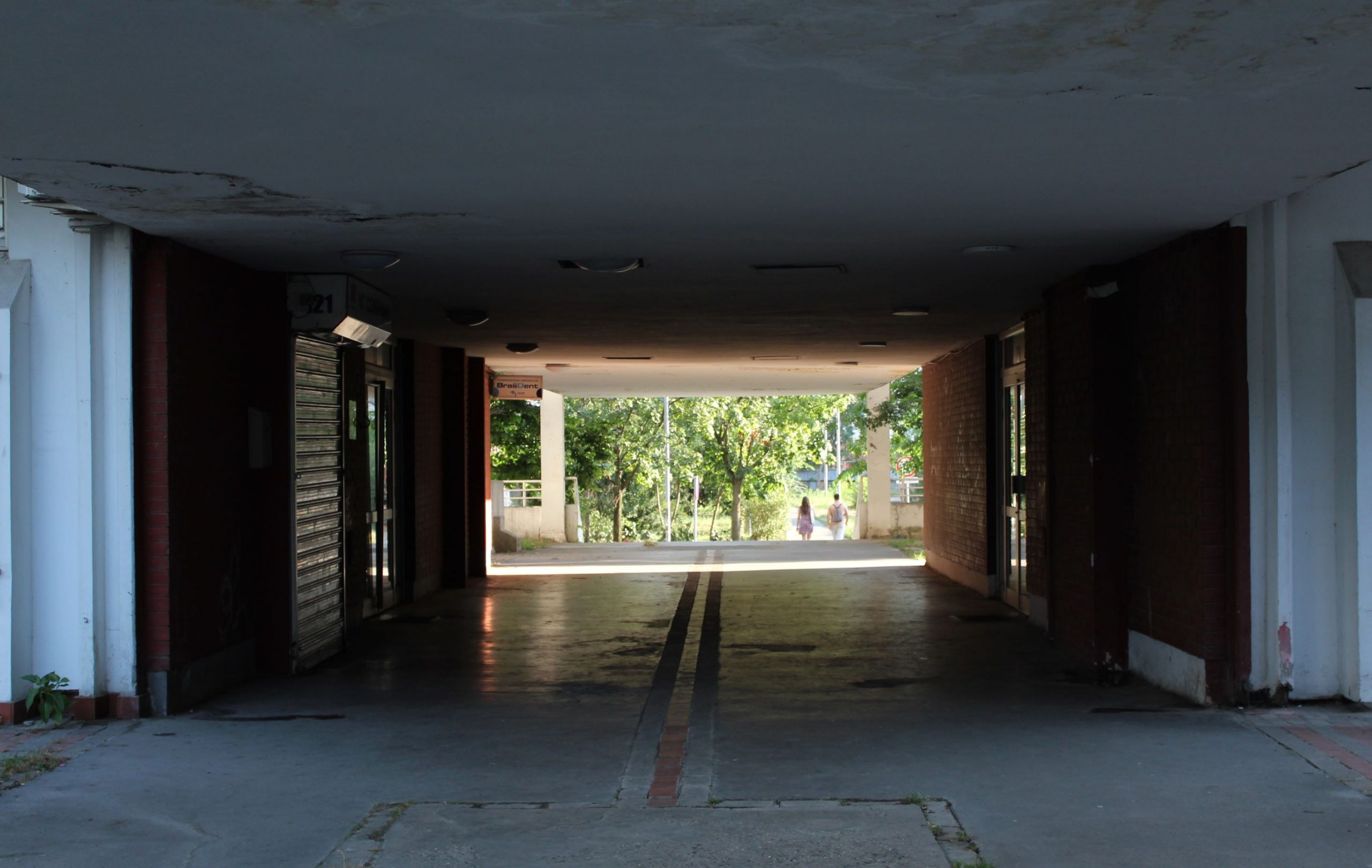
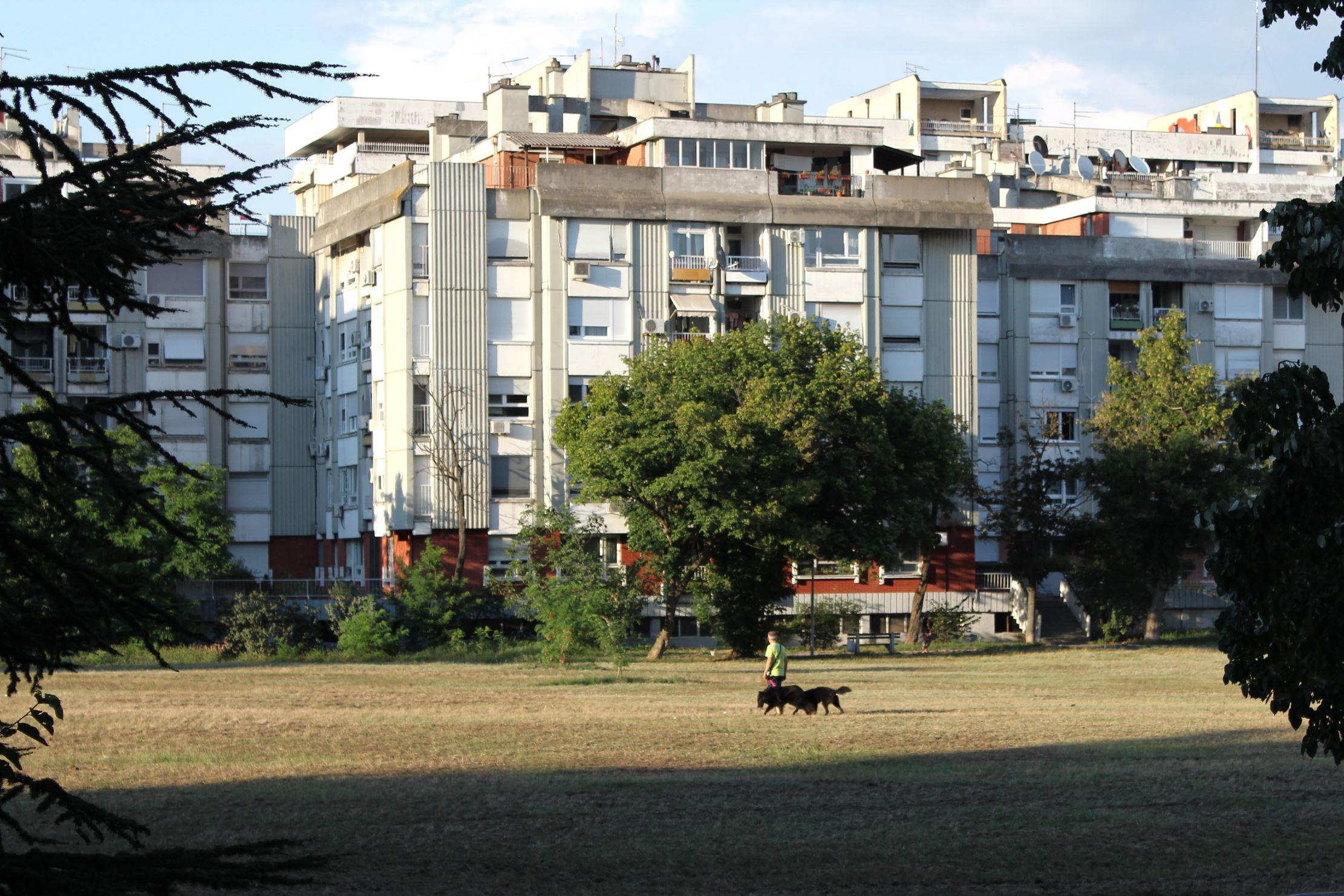
For the first time, pedestrian and vehicular traffic zones were completely separated. This block concept was a major innovation compared to the flat, low-rise structure of other New Belgrade neighborhoods in that era. Car traffic was placed one level below, in the semi-basement, where garages and parking areas are located. The pedestrian zone was raised to ground-floor level, covered, and protected from rain and sunlight.
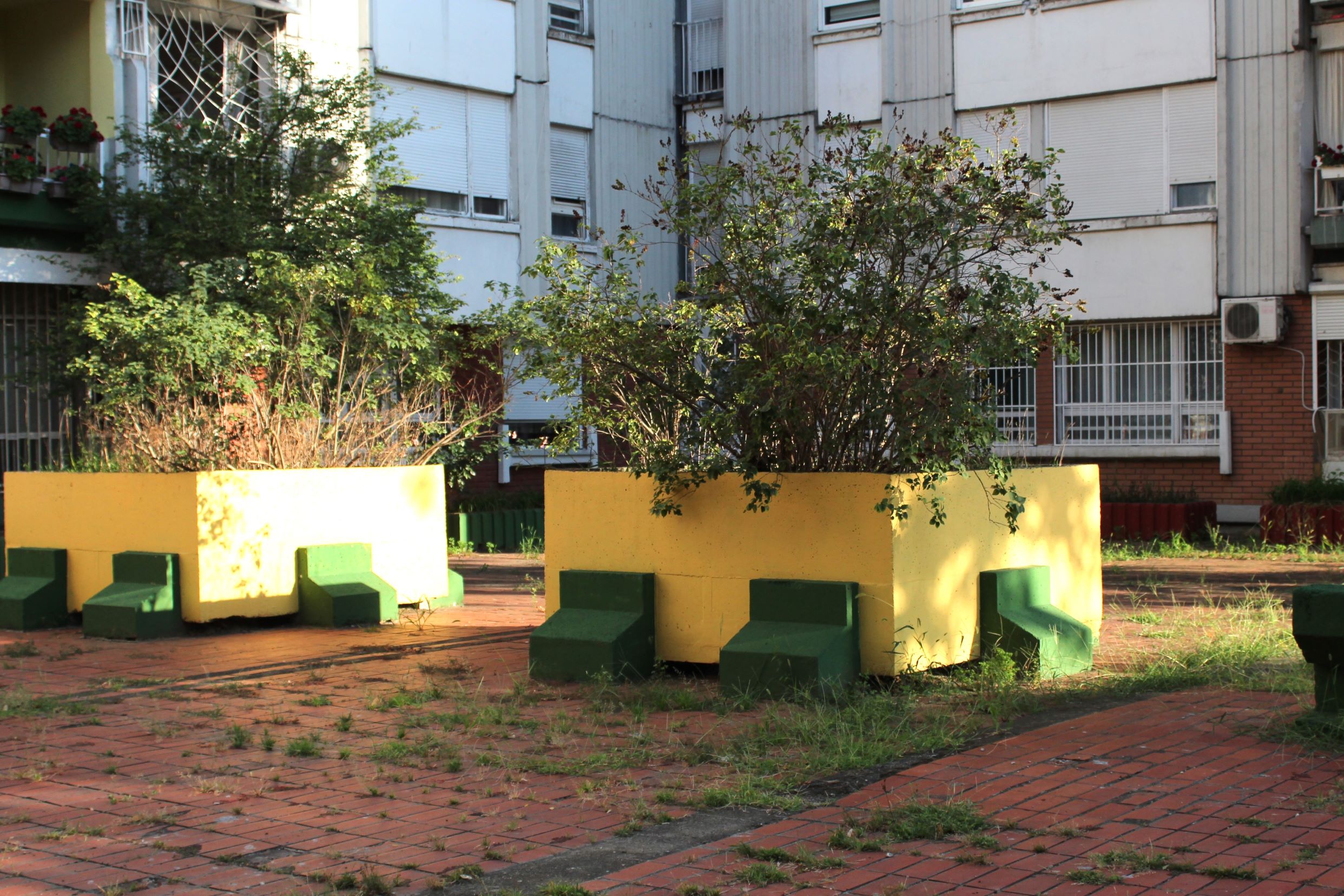
The elevated building level is free of traffic and adapted for greenery, garden furniture, and smaller atriums suitable for rest. The meandering building (known as “the cube”) reflects the concept of a Mediterranean town through the connection of indoor and outdoor spaces that invite relaxation, leisure, and social gatherings. Numerous atriums formed between the buildings, elevated above ground level, create a sense of openness and spatial dynamism. The whiteness of the buildings combined with greenery adds to the Mediterranean feel.

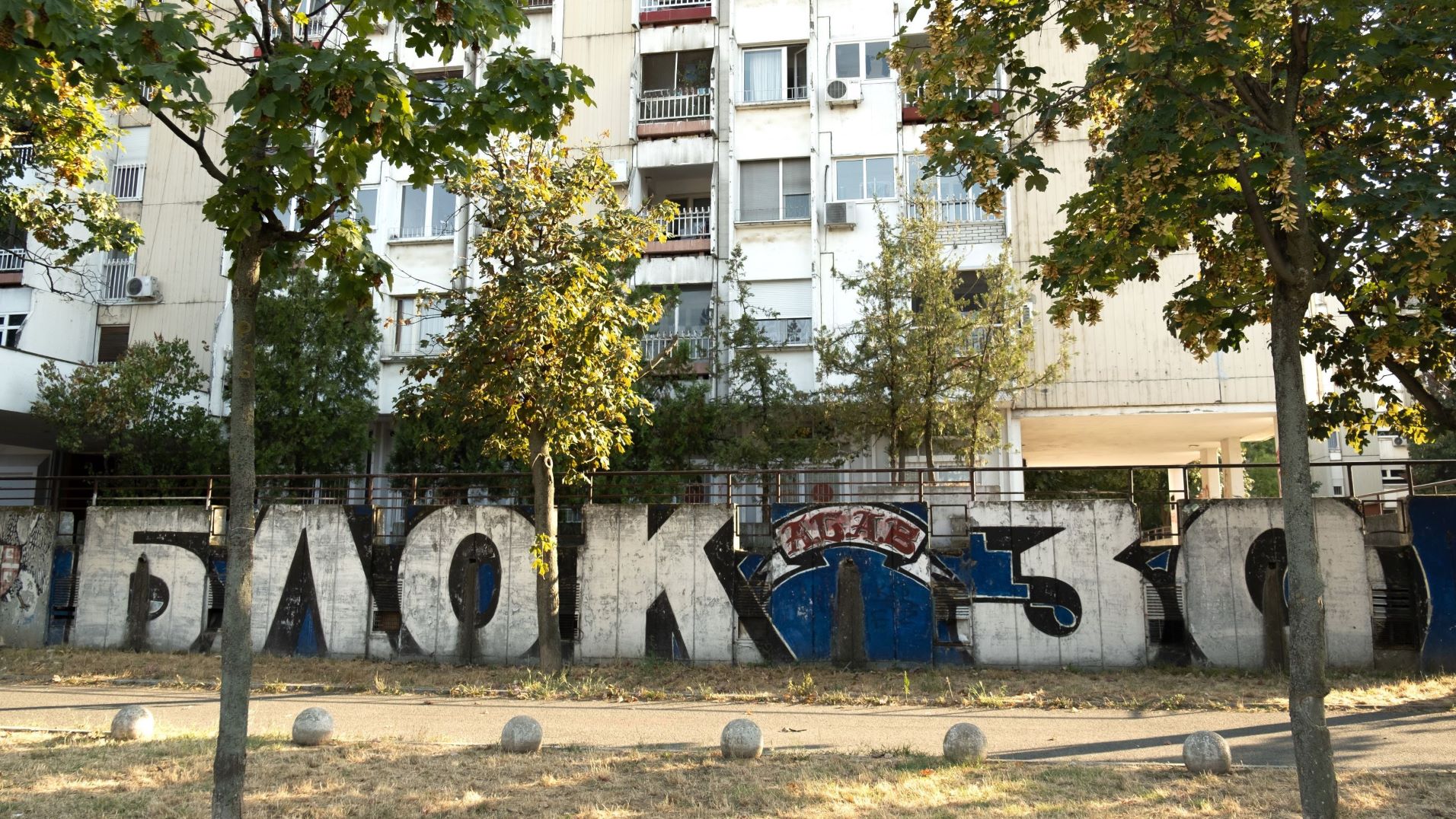
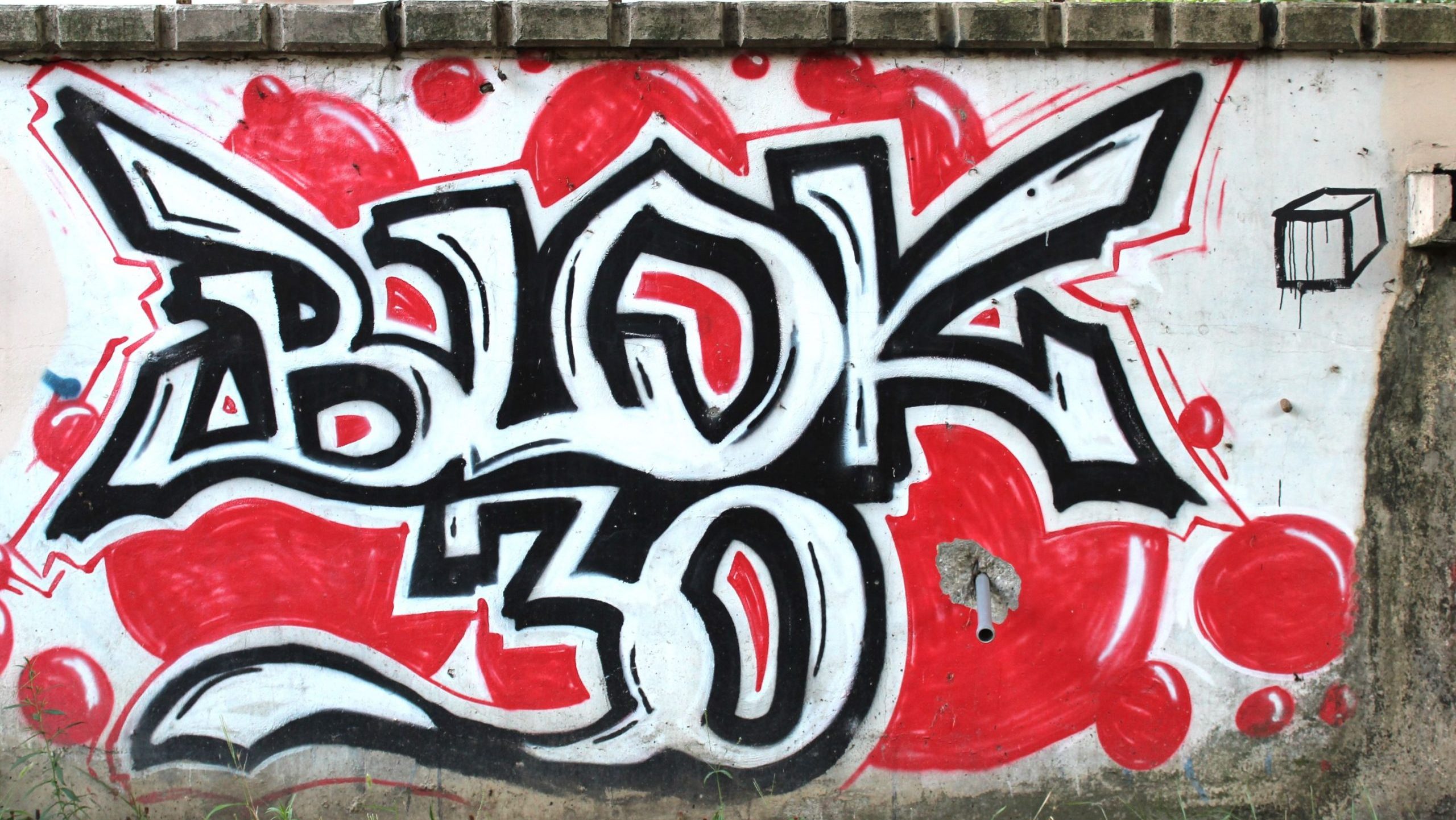
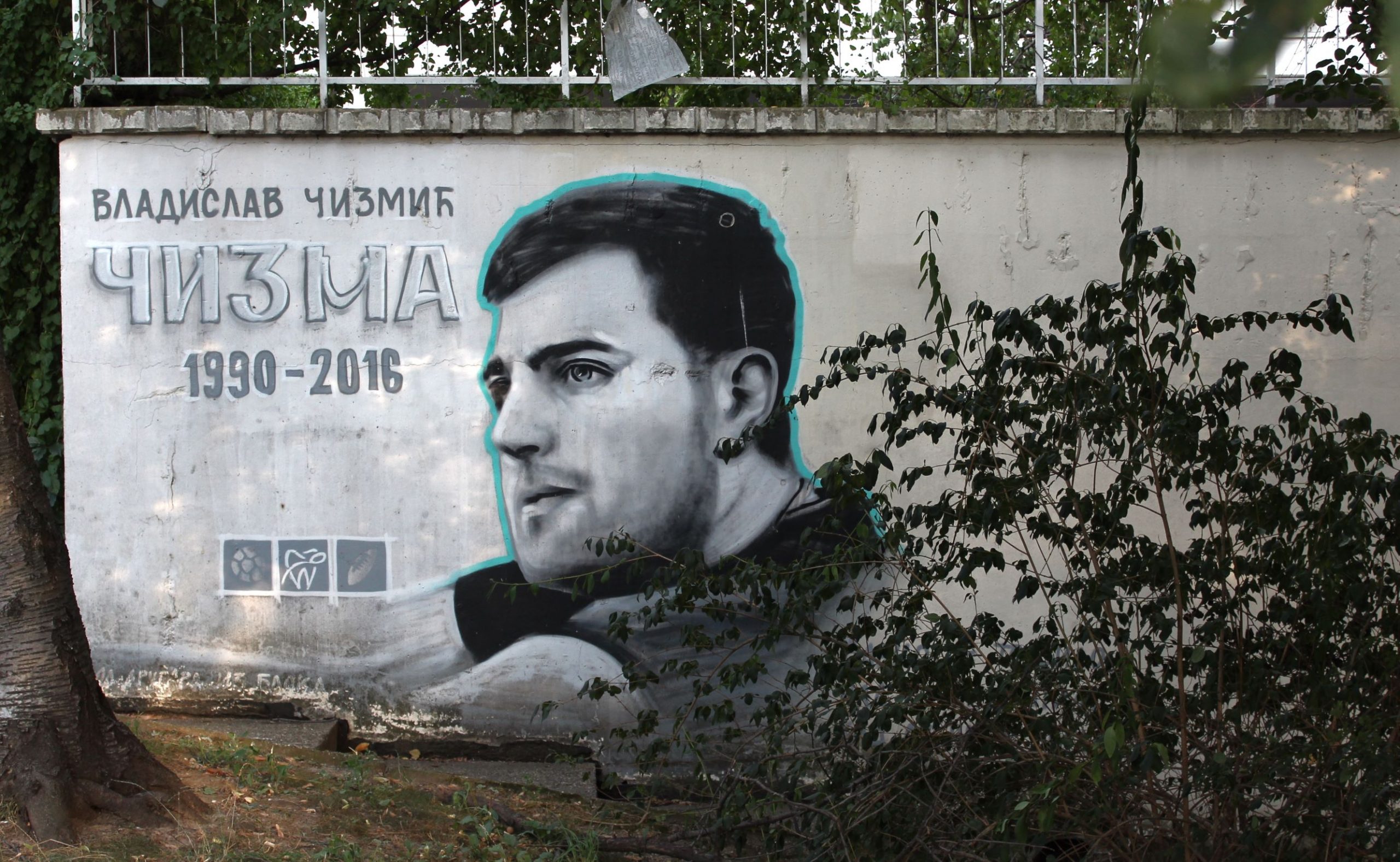
The block has no add-on commercial structures, so pedestrian movement is free and uninterrupted by traffic congestion. Although the use of prefabricated concrete influenced the appearance, the dynamic building shapes, staircases, deep entrances, and loggias created a completely new spatial experience. Unlike other New Belgrade blocks, Block 30 has virtually no added commercial buildings, very little graffiti, and few markings of football supporter groups.
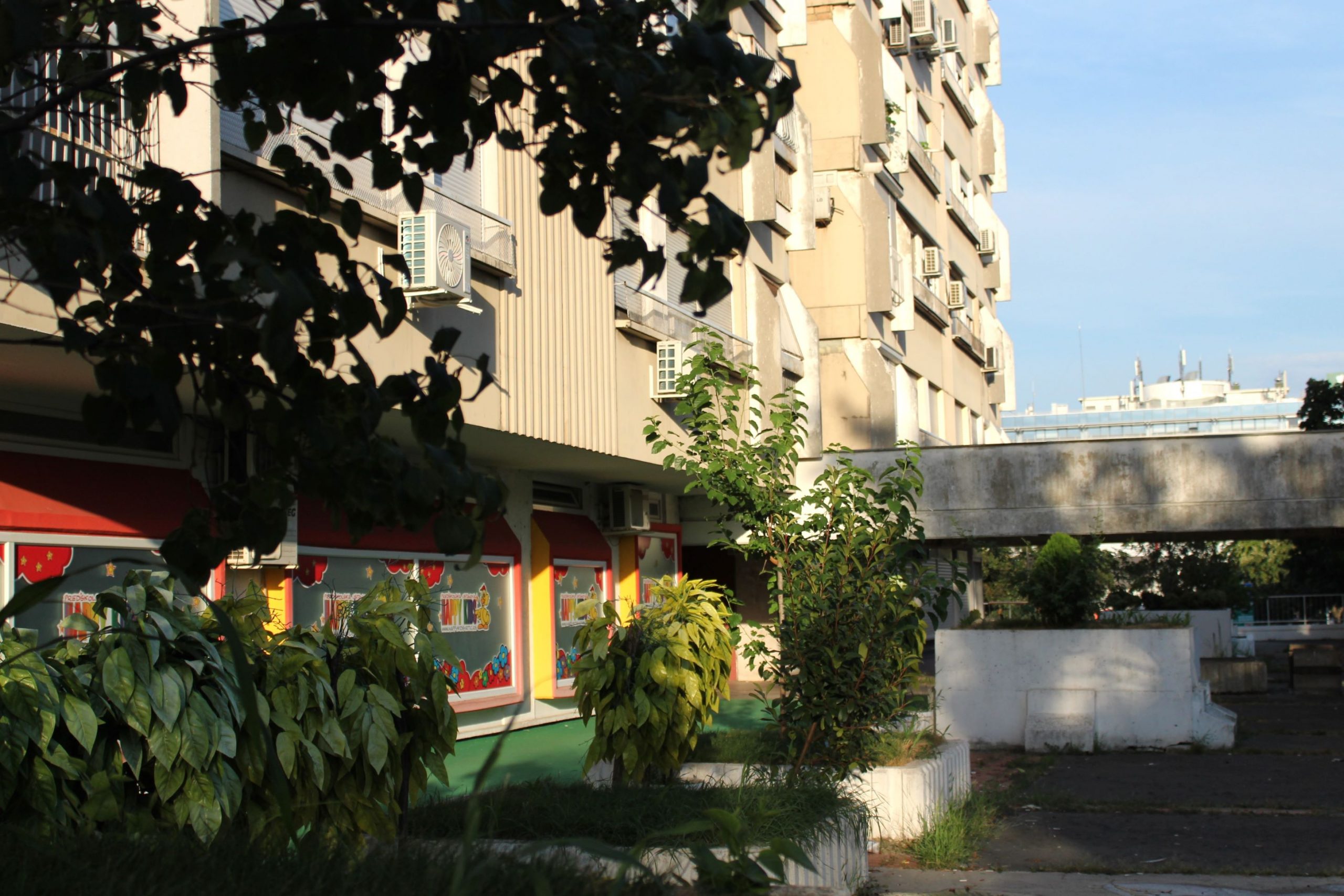
Today, the block has neither the school nor the kindergarten that were originally planned, leaving the central area open and without supporting facilities. While more diverse vegetation and park landscaping would improve the appearance and quality of life, the block’s dispersed structure makes it one of the most interesting in New Belgrade.
Block 30 is also one of the few blocks where every building has its own garage. The interiors of these garages were originally divided into parking spaces, but after residents moved in, they were partitioned into individual and communal garages.
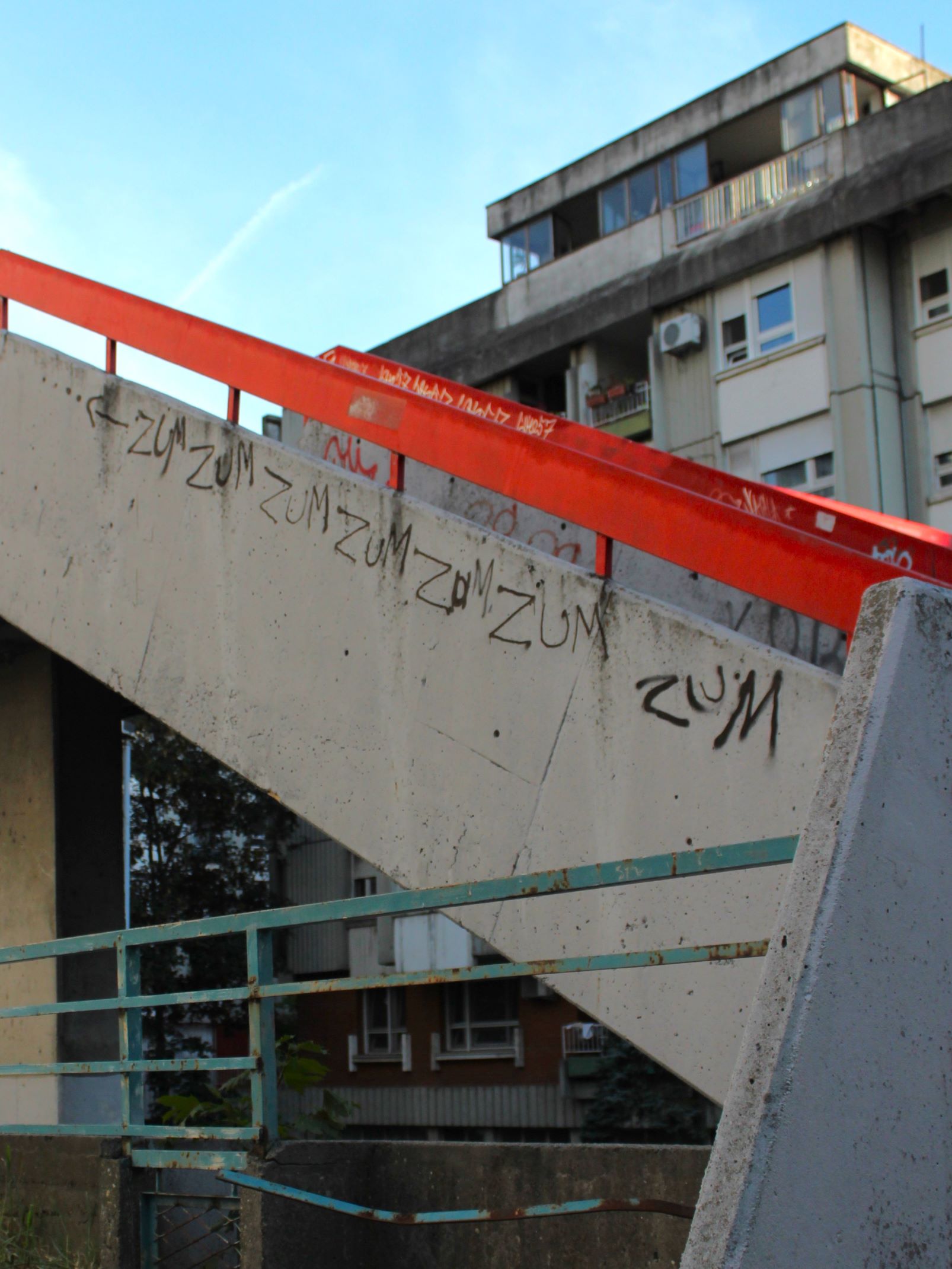
Iako su prefabrikovani betonski materijali uticali na izgled bloka, dinamičnost oblika zgrada, stešeništa, duboki ulazi i lođe stovorili su jedan poptuno novi doživljaj prostora. U bloku, za razliku od drugih novobeogradskih blokova, nema dograđenih komercijalnih objekata, nema mnogo grafita, kao i oznaka navijačkih grupa kao u drugim centralnim blokovima Novog Beograda.
Danas u ovom bloku nema ni škole ni vrtića koji su bili predviđeni, pa je površina bloka u centralnoj zoni ostavljena slobodna i bez pratećih sadržaja. Iako bi raznovrsnija vegetacija i parkovsko uređenje unapredili izgled bloka i podigli kvalitet života stanara ovaj blok svojom razuđenom strukturom predstavlja jedan od najzanimljivijih novobeogradskih blokova.
Blok 30 jedanje od retkih blokova koji u svakoj zgradi ima garaže. Unutrašnjost svih tih garaža je prvobitno bila podeljena na parking mesta, međutim nakon useljena pregrađivanjem je podeljena na pojedinačne i zajedničke garaže.