Skip to content

BROD MONITOR SAVA

WHERE IS IT?

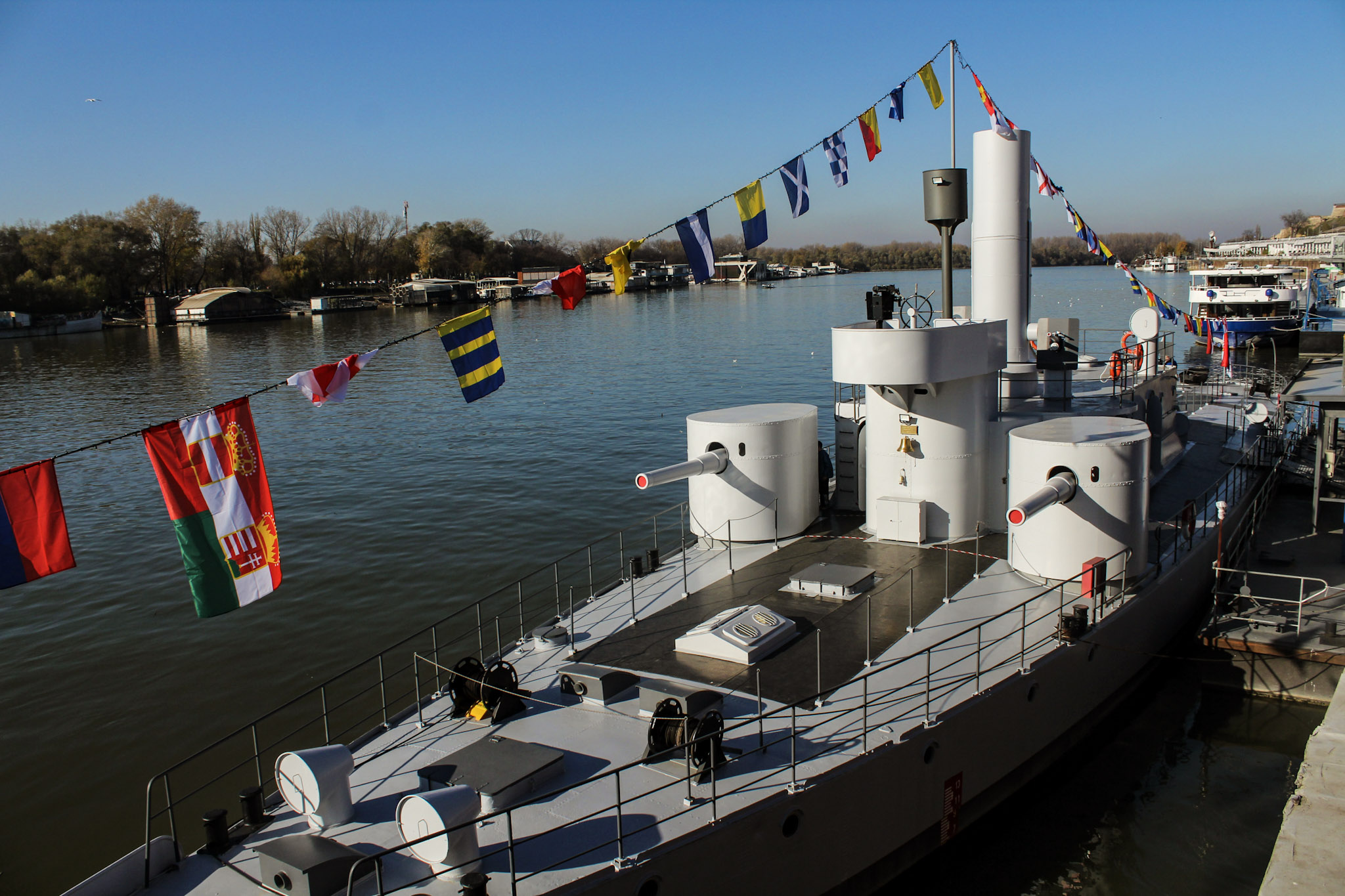
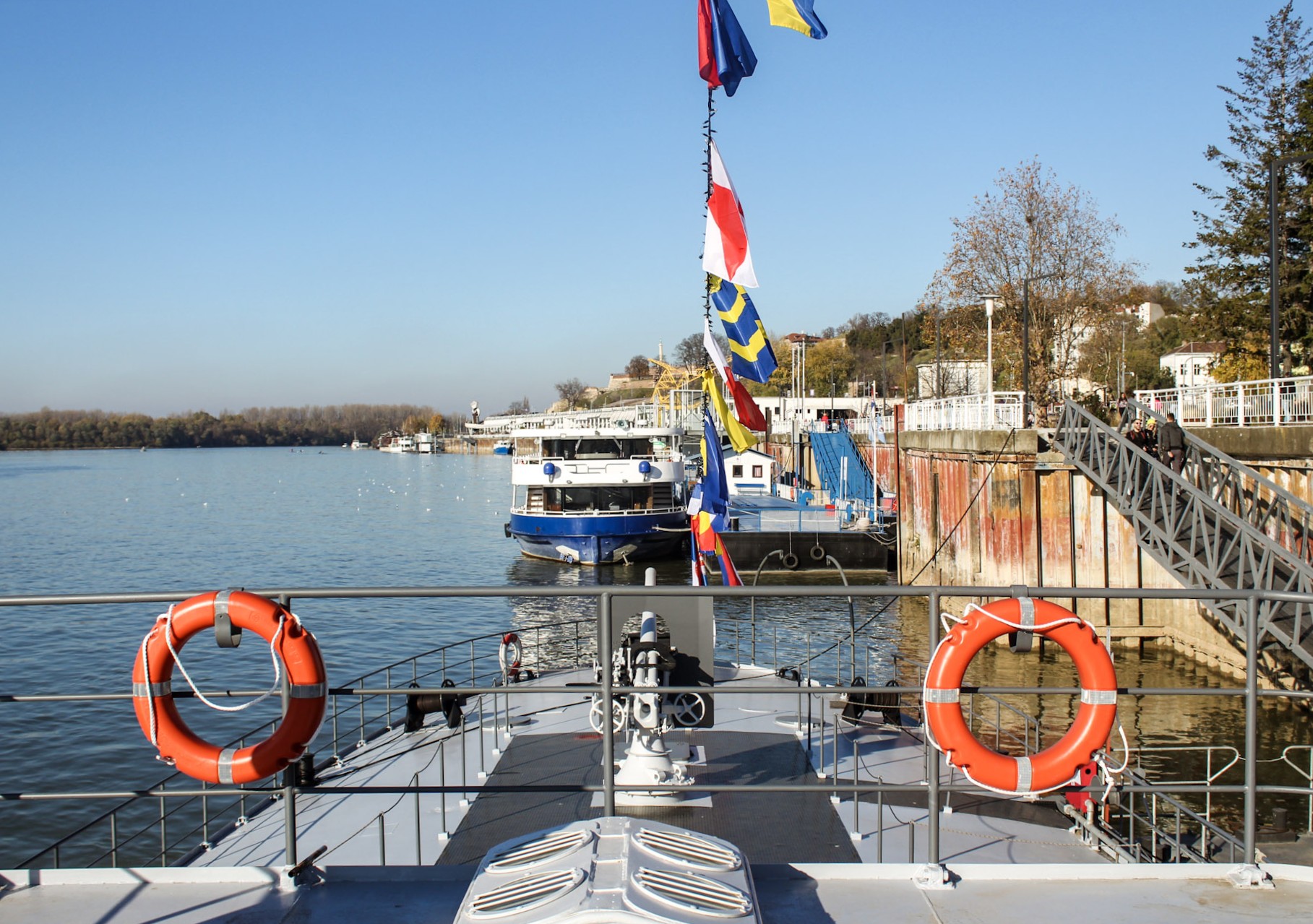
The river monitor Sava is moored at Belgrade's Sava Pier, between Branko's Bridge and the confluence of the Sava and Danube rivers.

HISTORY

Today, the vessel is part of the Military Museum's open-air collection and offers visitors the rare opportunity to step aboard one of the most significant surviving river warships in Europe.

Built in Budapest in 1904 as the Austro-Hungarian monitor Bodrog, the ship entered history just ten years later. During the night of 28–29 July 1914, it was among the vessels that fired the first shells at Belgrade, marking the beginning of a conflict that would soon grow into the First World War.

Throughout the war, Bodrog took part in military operations on the Sava and Danube rivers. Near the end of the conflict, it ran aground near Višnjica and was captured by the Serbian Army. Under the post-war peace treaties, the vessel was transferred to the Kingdom of Serbs, Croats and Slovenes in 1920 and renamed Sava, a name it still bears today.

During the Second World War, the crew deliberately scuttled the ship to prevent it from falling into German hands. It was later salvaged, repaired and used by the navy of the Independent State of Croatia before being sunk once again in 1944.

After the war, Sava was raised and restored once more, serving for nearly two decades in the Yugoslav River Flotilla. Following its retirement from military service, the vessel was largely forgotten and spent many years serving as a stationary pontoon at Ada Huja.

Its historical importance was finally recognized in the early 21st century. In 2005, the ship was designated a cultural heritage monument by the Museum of Science and Technology in Belgrade. Ten years later, the Serbian Ministry of Defence acquired the vessel from a private company, launching a comprehensive restoration project. Following its restoration, Sava reopened to the public in 2021.

Today, Sava is the only surviving vessel from the flotilla that took part in the first bombardment of Belgrade in 1914 and one of only ten surviving river monitors of its kind in the world.

COLLECTION

A visit to the Sava river monitor offers the opportunity to explore an authentic warship that is more than a century old. Thanks to its careful restoration, many original features have been preserved, allowing visitors to step inside the vessel and discover what life and work were like for its crew.

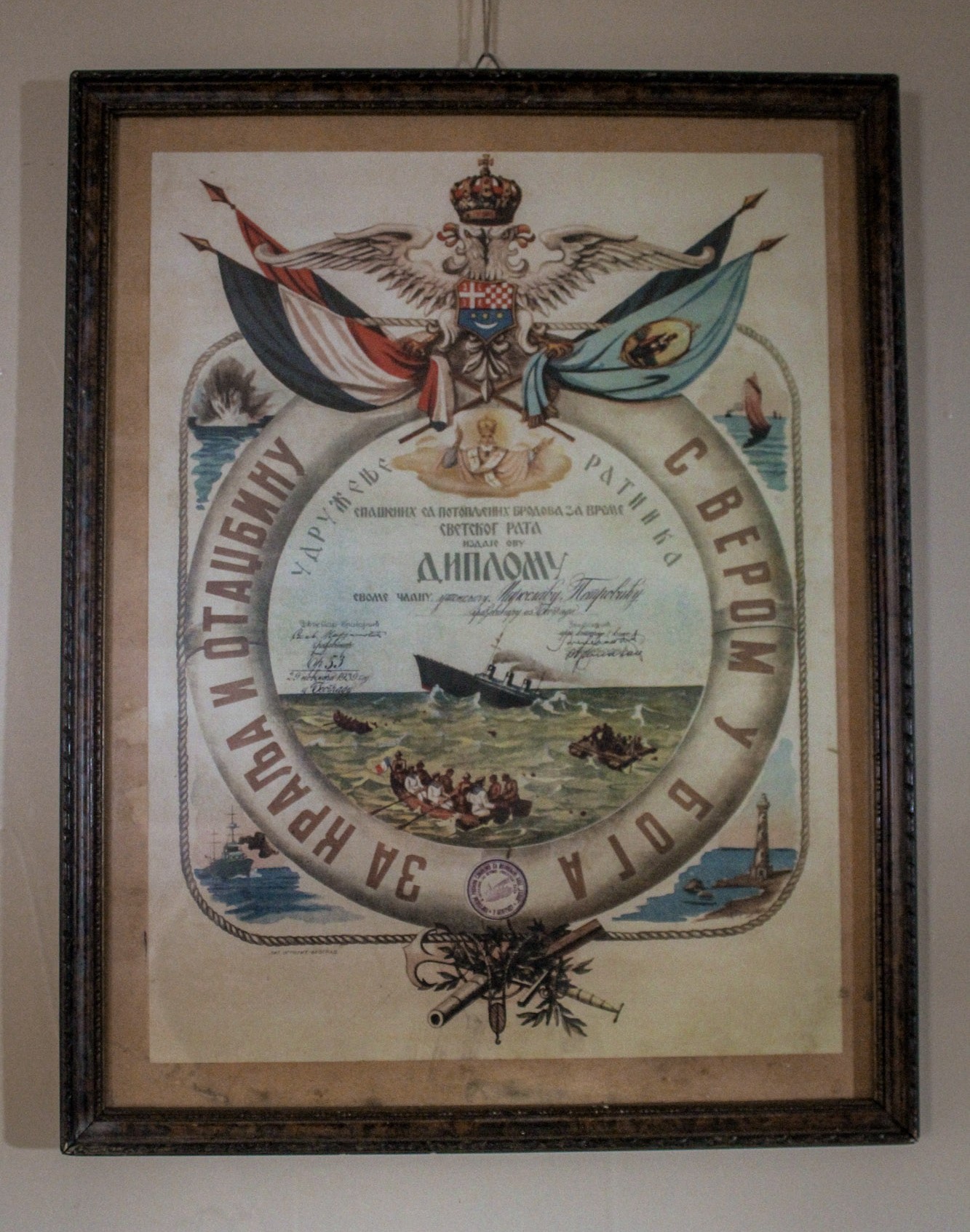
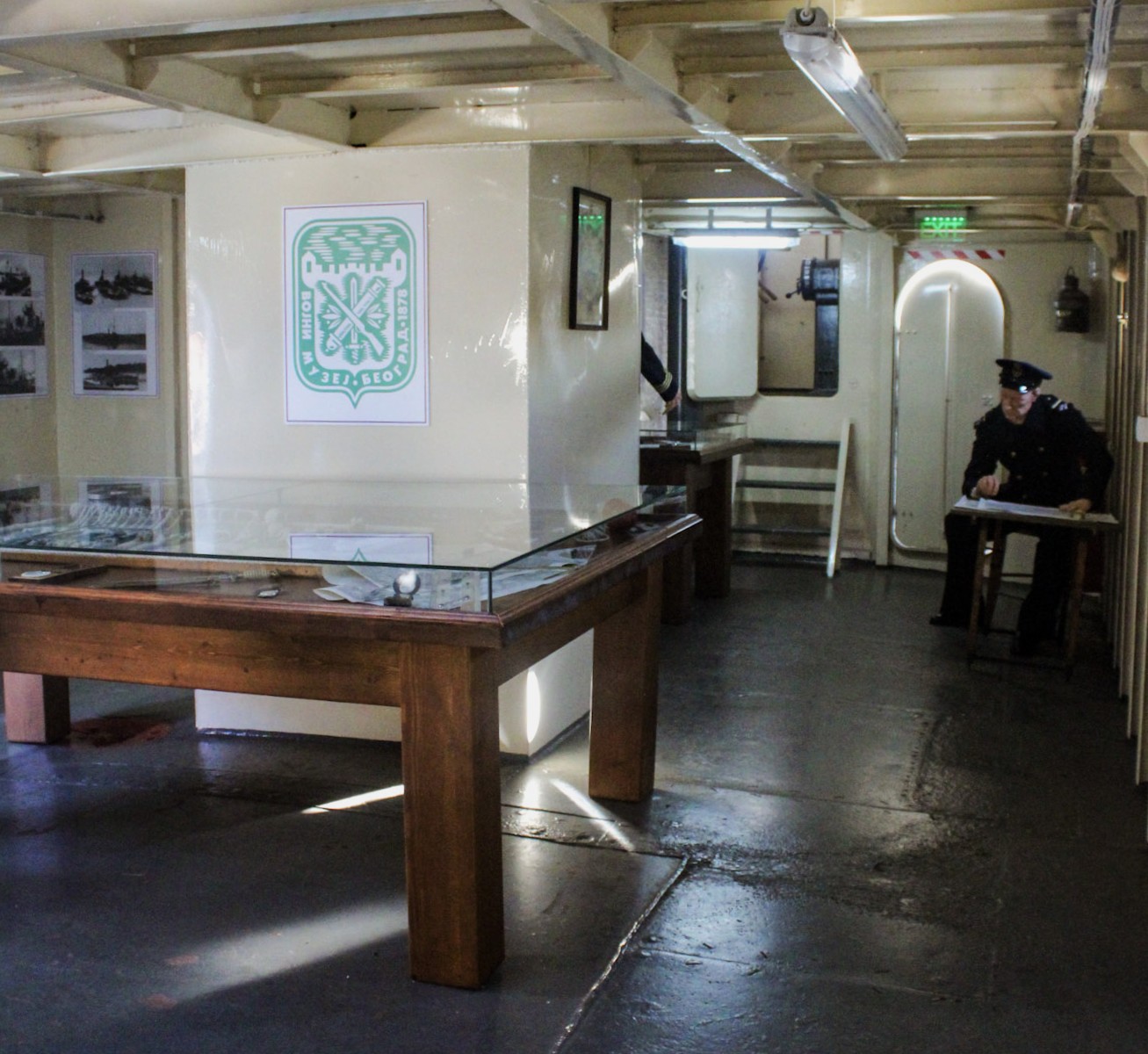
The exhibition traces the ship's remarkable journey, from its construction as the Austro-Hungarian monitor Bodrog, through its service in both World Wars, to its restoration and transformation into a museum exhibit. Historic photographs, documents, maps and original artifacts highlight the key moments of its eventful past.

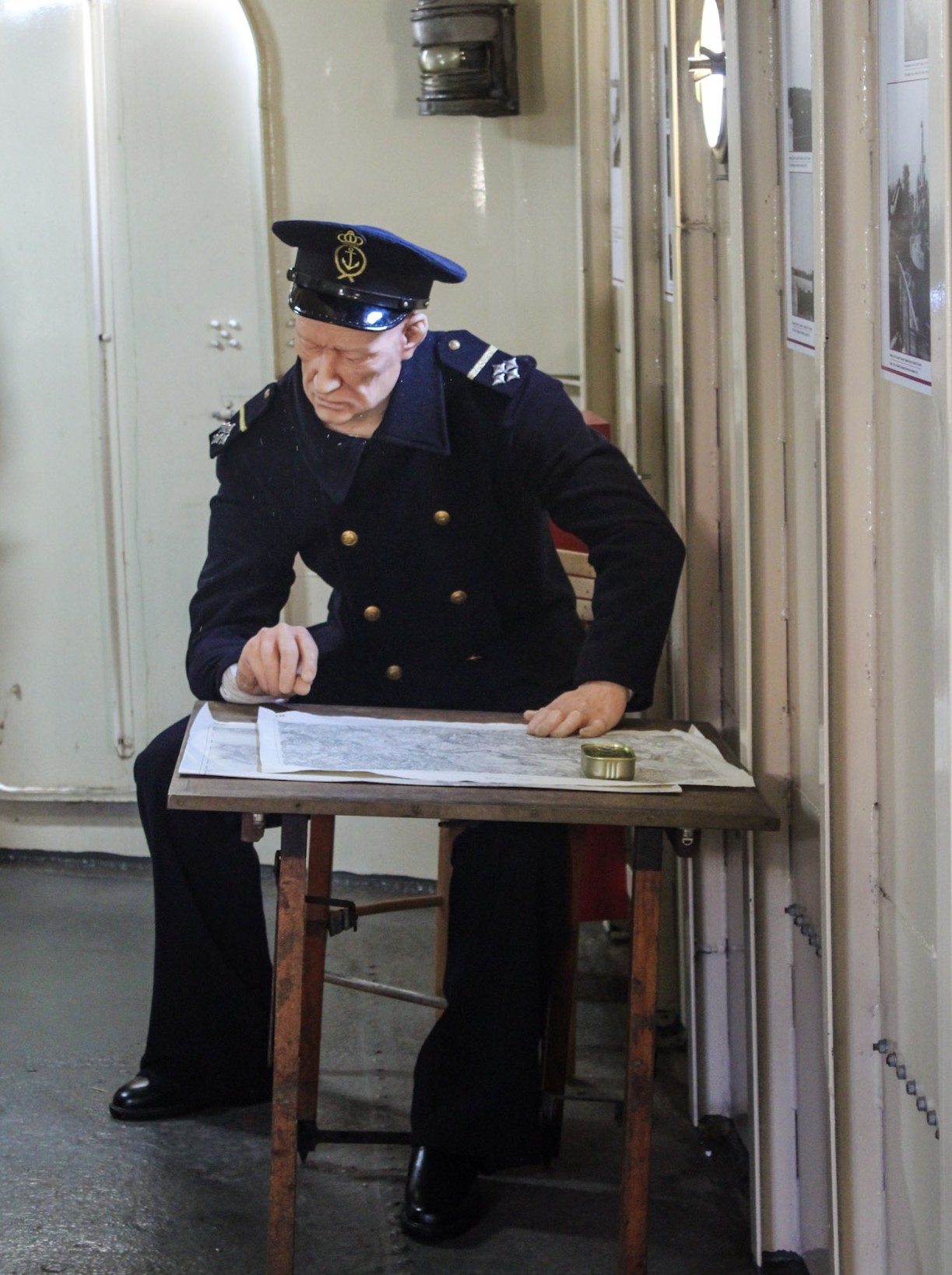
Visitors can explore the command room, crew quarters and other authentic interiors, furnished with reconstructed period furniture, navigational equipment and objects that recreate everyday life aboard a river monitor in the early 20th century. Life-size figures of sailors and officers, placed in their original working environments, bring the ship to life and offer a vivid impression of daily service on board. The exhibition also features fascinating historical documents, photographs and artifacts that tell the story of the monitor's long and turbulent service.

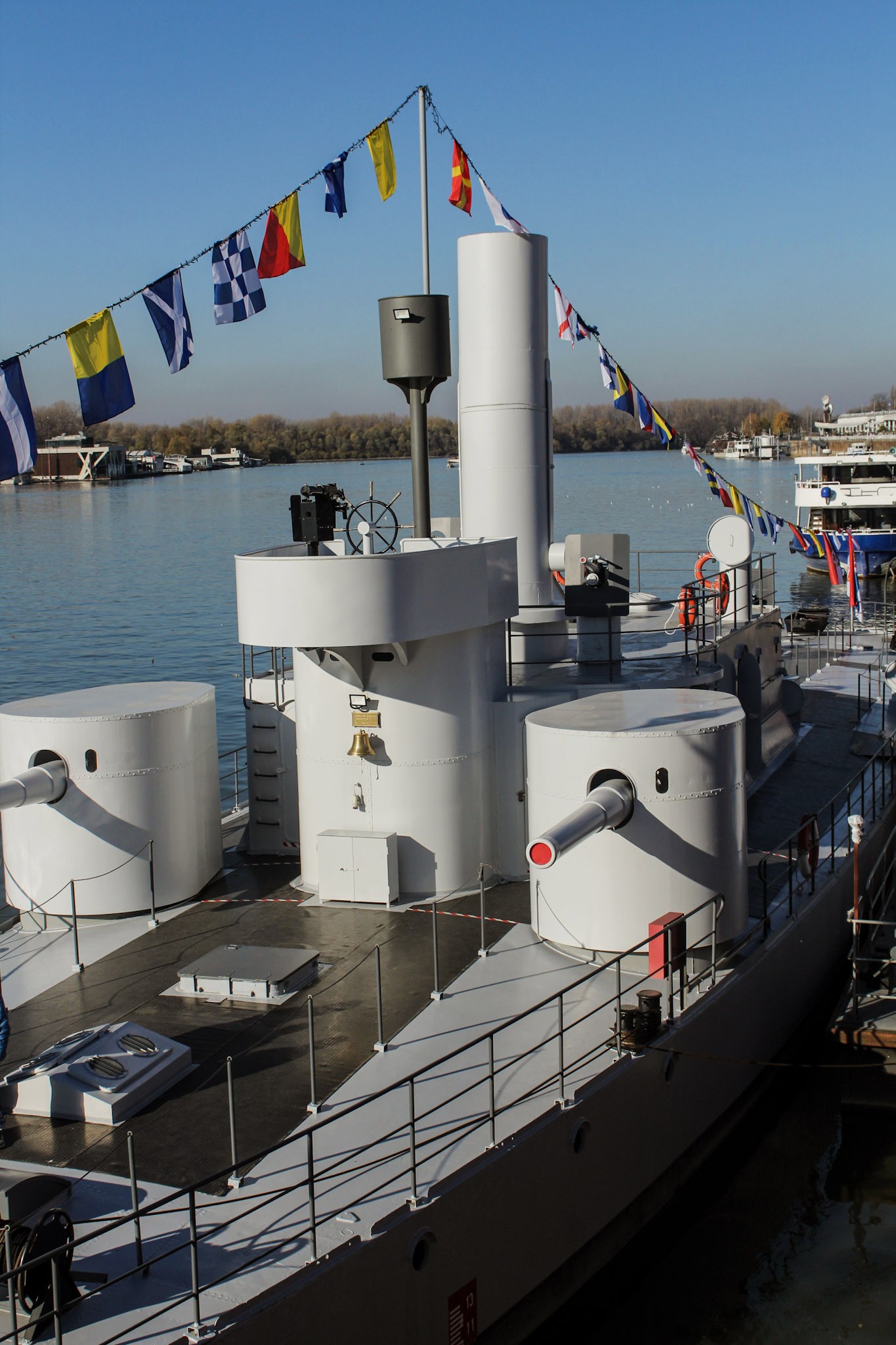
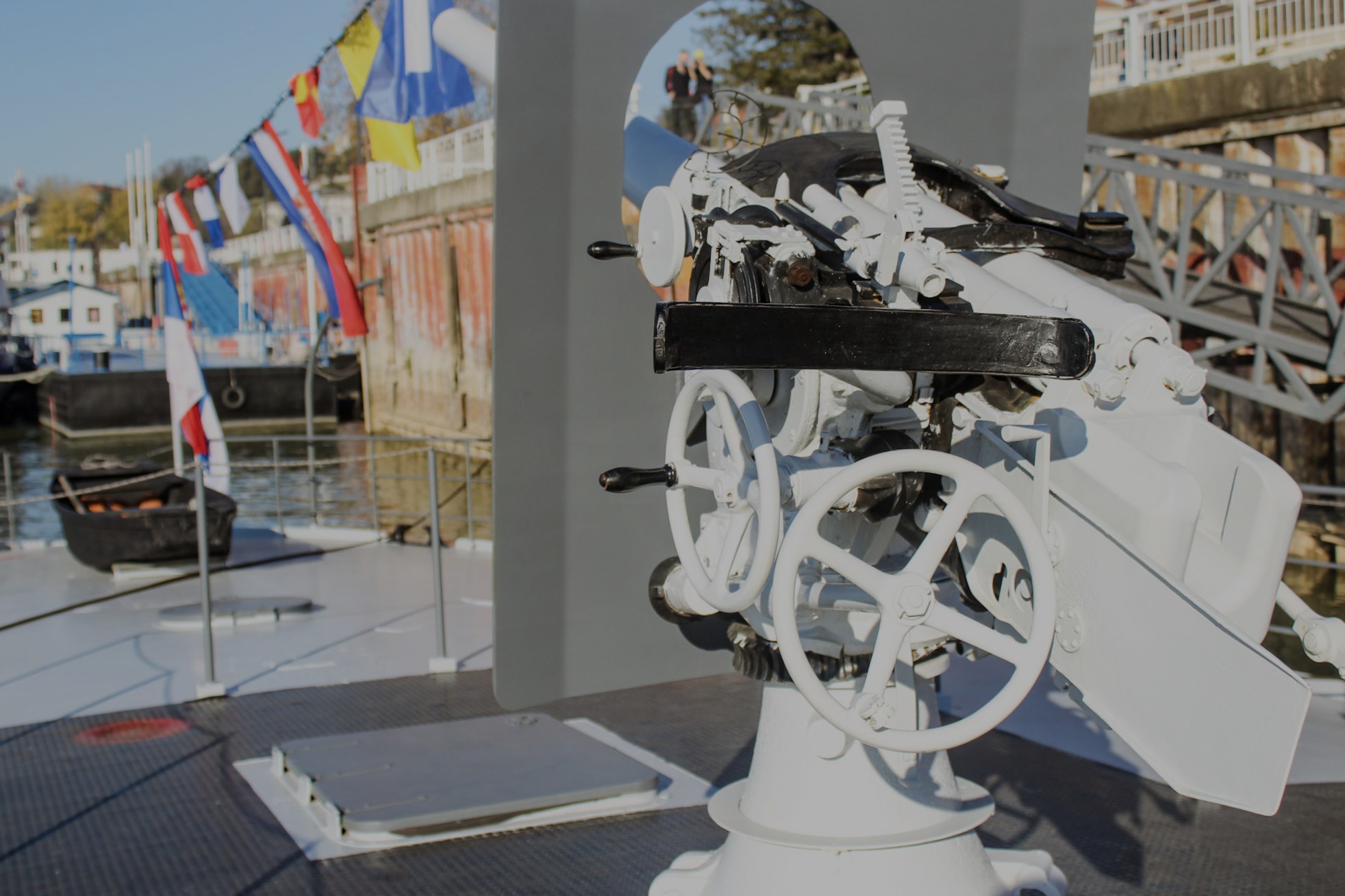
The deck features the ship's original armament, including its gun turrets, an anti-aircraft gun and the mast with signal flags. From here, visitors can enjoy views of Kalemegdan Fortress, Branko's Bridge and the confluence of the Sava and Danube rivers—a place where the history of Belgrade and the story of this remarkable vessel come together.