


HISTORY OF THE ROMA IN BELGRADE
The Roma originated in India and migrated to Europe between the 11th and 14th centuries. Their presence in medieval Serbia is documented from the 14th century, while the earliest known record of the Roma in Belgrade dates from 1536, when they were first registered as inhabitants of the city. Even at that time, historical records mention several Roma communities that differed in religion, traditional occupations, and ways of life. Over the following centuries, the Roma made a significant contribution to the economic, cultural, and social development of Belgrade, despite frequently facing discrimination and social marginalisation.
ROMA THROUGH HISTORY
For centuries, Belgrade has been home to a vibrant Roma community whose craftsmanship, music, literature, and everyday life have left a lasting mark on the city's history and cultural heritage.
LIFE ON THE MARGINS
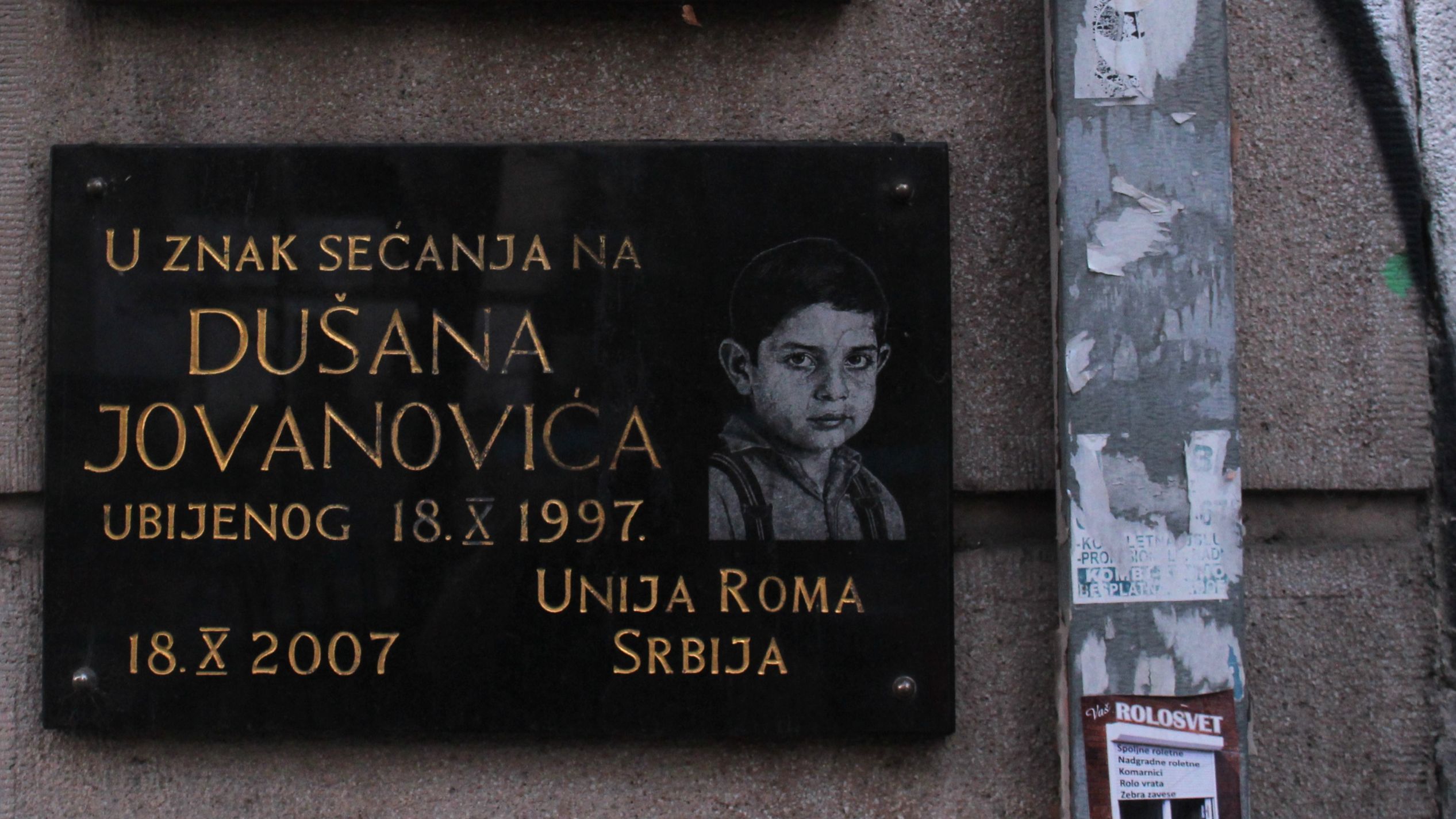
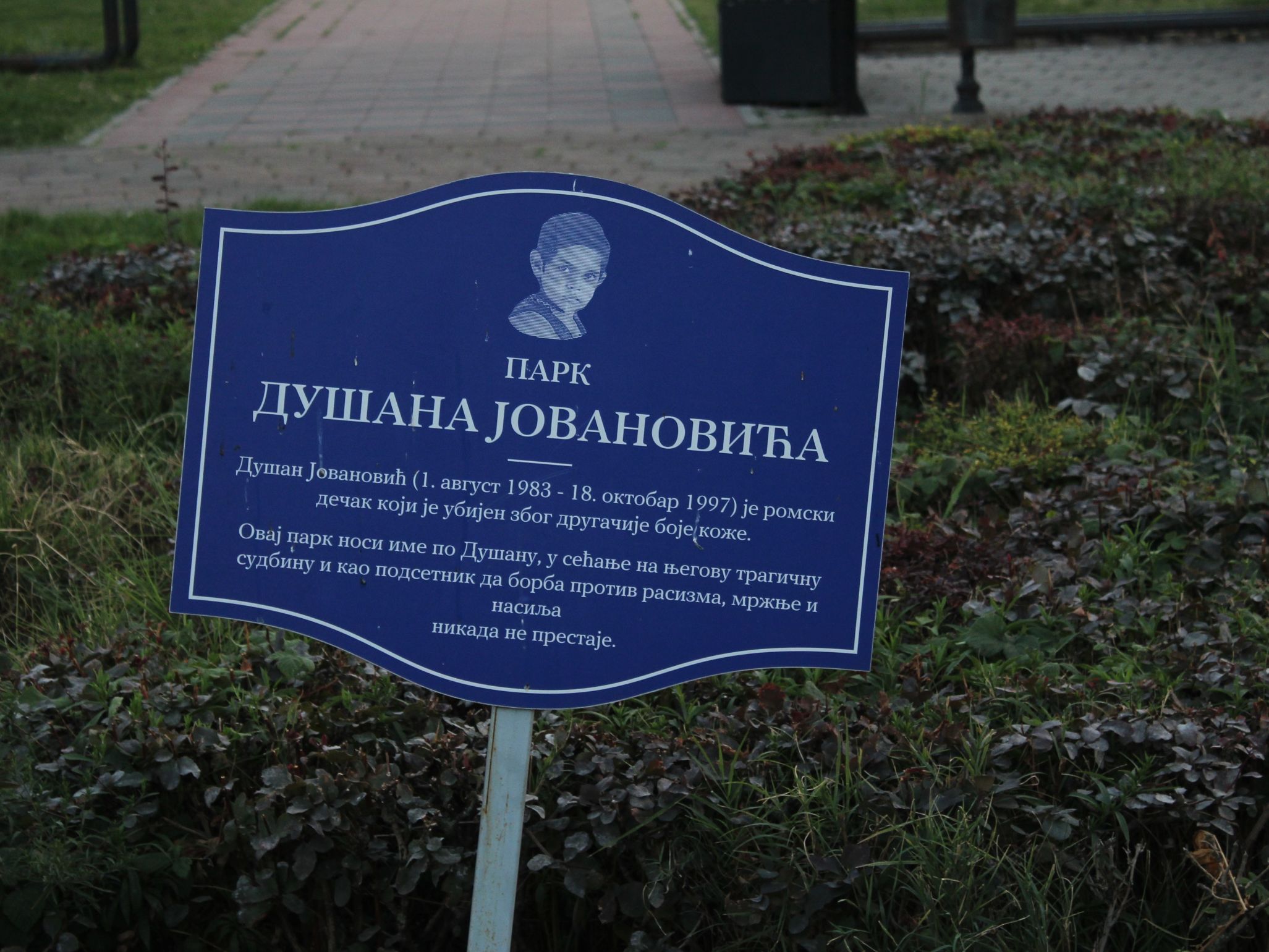
Throughout history, the social position of the Roma has been shaped by discrimination and marginalisation. This section explores their everyday lives, social status, and the challenges they have faced from the past to the present, including social exclusion, the struggle for equality, and the preservation of their identity.
THE PORAJMOS
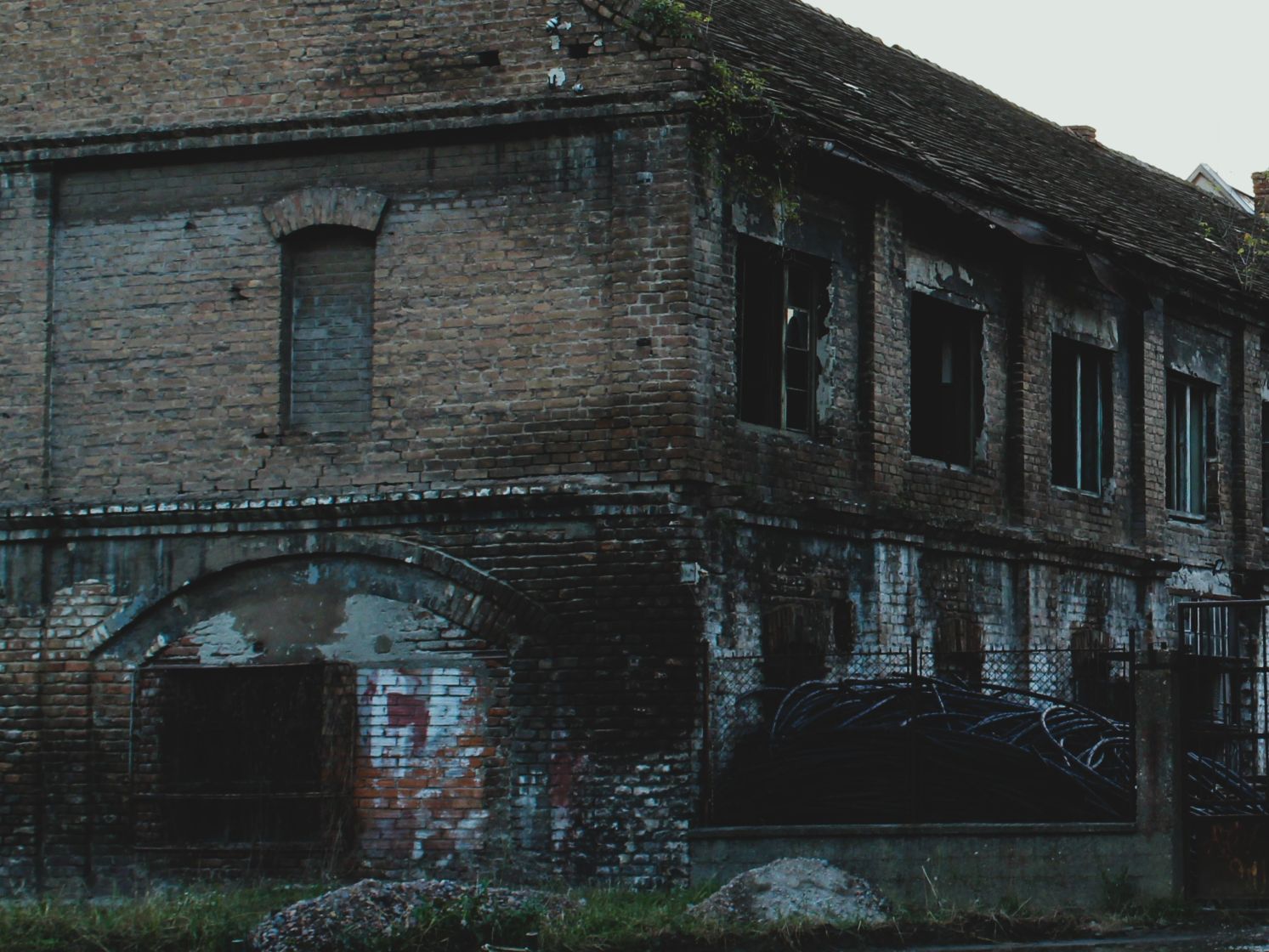
The Porajmos refers to the systematic persecution and genocide of the Roma during the Second World War. In Belgrade, the systematic persecution of the Roma community took place primarily at the Topovske Šupe camp.

