The social position of the Roma throughout history has been marked by discrimination, social marginalisation, and persistent prejudice. As a people without a nation-state of their own, the Roma have often been particularly vulnerable. Their situation was especially difficult under authoritarian and dictatorial regimes, when they were subjected to persecution, forced assimilation, restrictions on their fundamental rights, and systematic violence. The culmination of these persecutions was the Porajmos, the genocide of the Roma during the Second World War, when hundreds of thousands of Roma were murdered in Nazi concentration camps and at execution sites across Europe.
For centuries, stereotypes portraying the Roma as nomads, thieves, or uneducated people contributed to their social exclusion. Such prejudices remain one of the greatest obstacles to achieving full equality and social inclusion for Roma communities today.
In their own language, the Roma refer to themselves as Roma, while historical sources, literature, and many European languages also use the term Gypsies. Because this term has often been used in a derogatory and discriminatory context, the First World Romani Congress, held in London in 1971, officially adopted Roma as the name of the people.
This terminology was subsequently endorsed by the United Nations, as well as by most international organisations and states. In the Romani language, the word Rom means “person” or “human being.”
As they settled across different parts of the Balkans, the Roma adopted the religion of the majority population while preserving many elements of their own culture and traditions. As a result, they do not belong to a single religious community. In Serbia, most Roma are Orthodox Christians or Muslims, while their customs continue to reflect a rich and diverse cultural heritage.
In 2002, the Roma were officially recognised as a national minority in Serbia through the Law on the Protection of the Rights and Freedoms of National Minorities. This created the conditions for stronger protection of their rights and greater participation in public life, including the introduction of affirmative measures aimed at improving access to education, employment, healthcare, and protection against discrimination.
Today, the Roma remain one of the most vulnerable social groups in Serbia. Many continue to live in poverty and face discrimination, as well as limited access to education, employment, and healthcare. These circumstances make them particularly vulnerable to different forms of exploitation, including abuse by criminal groups and political manipulation, especially during election campaigns.
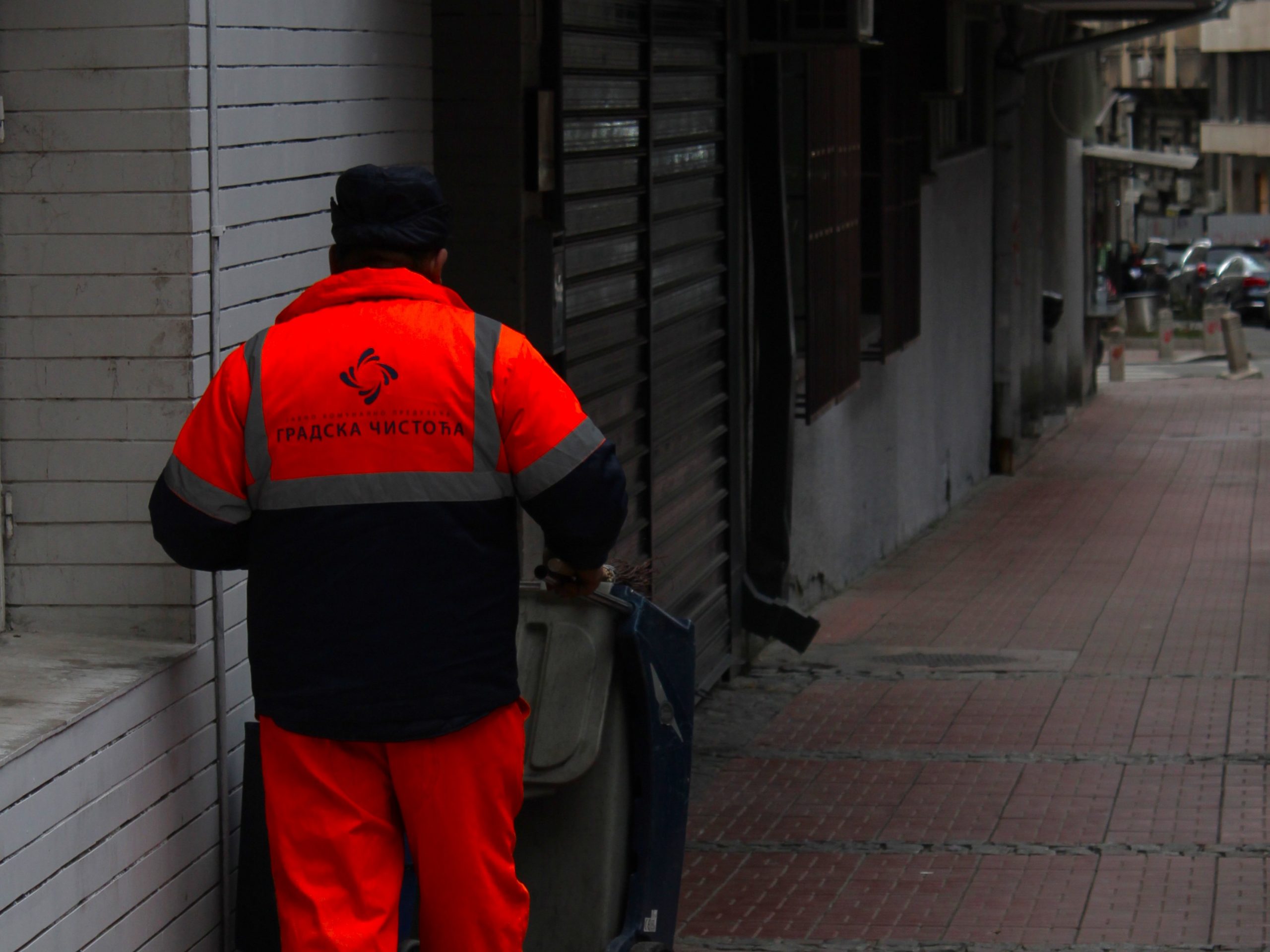
In the public perception of Belgrade, Roma have often been associated with manual labour, traditional crafts, the collection of recyclable materials, and municipal sanitation work. These stereotypes, passed down through generations, have contributed to the use of derogatory labels and to the long-term social stigmatisation of the Roma community.