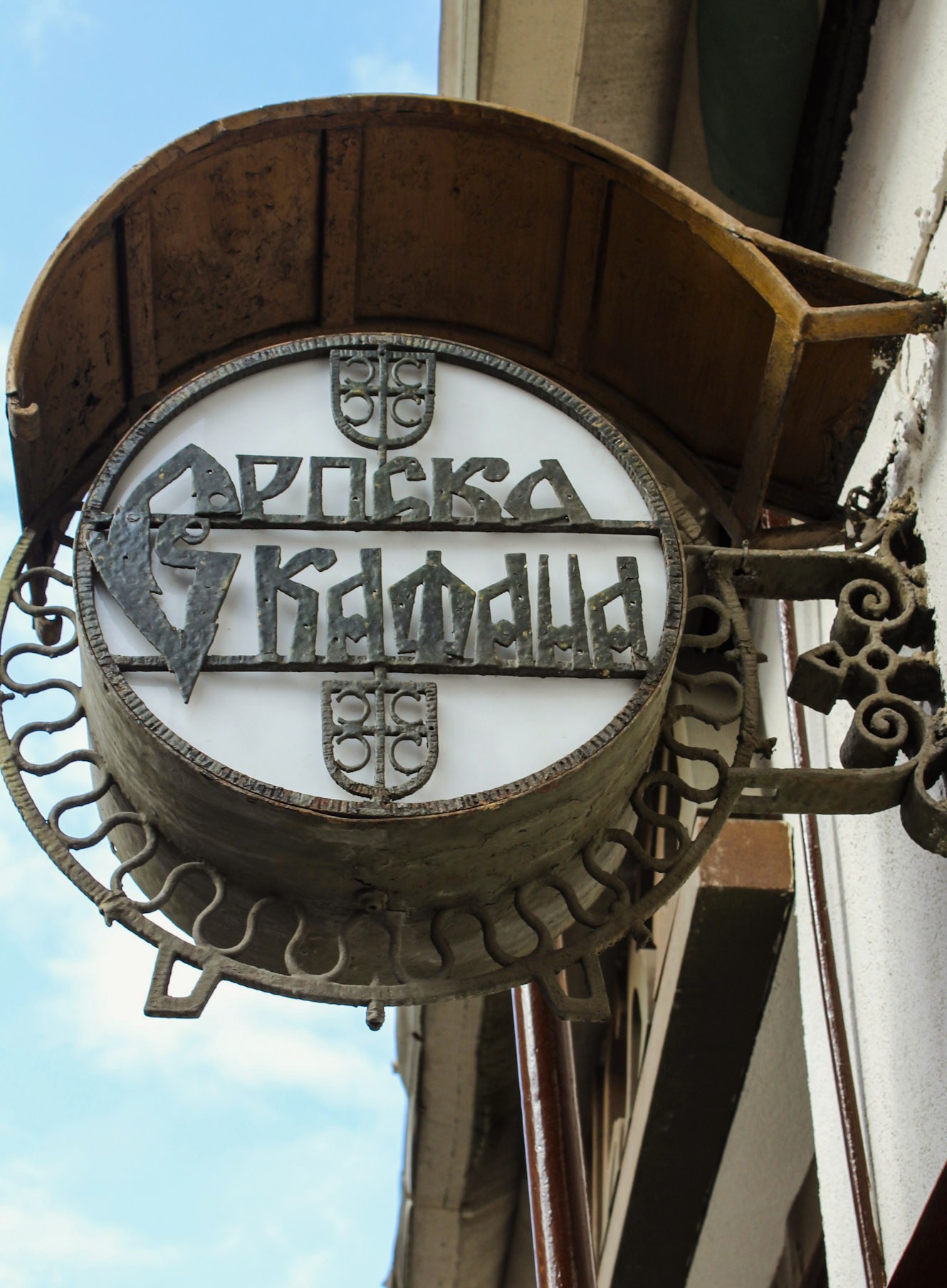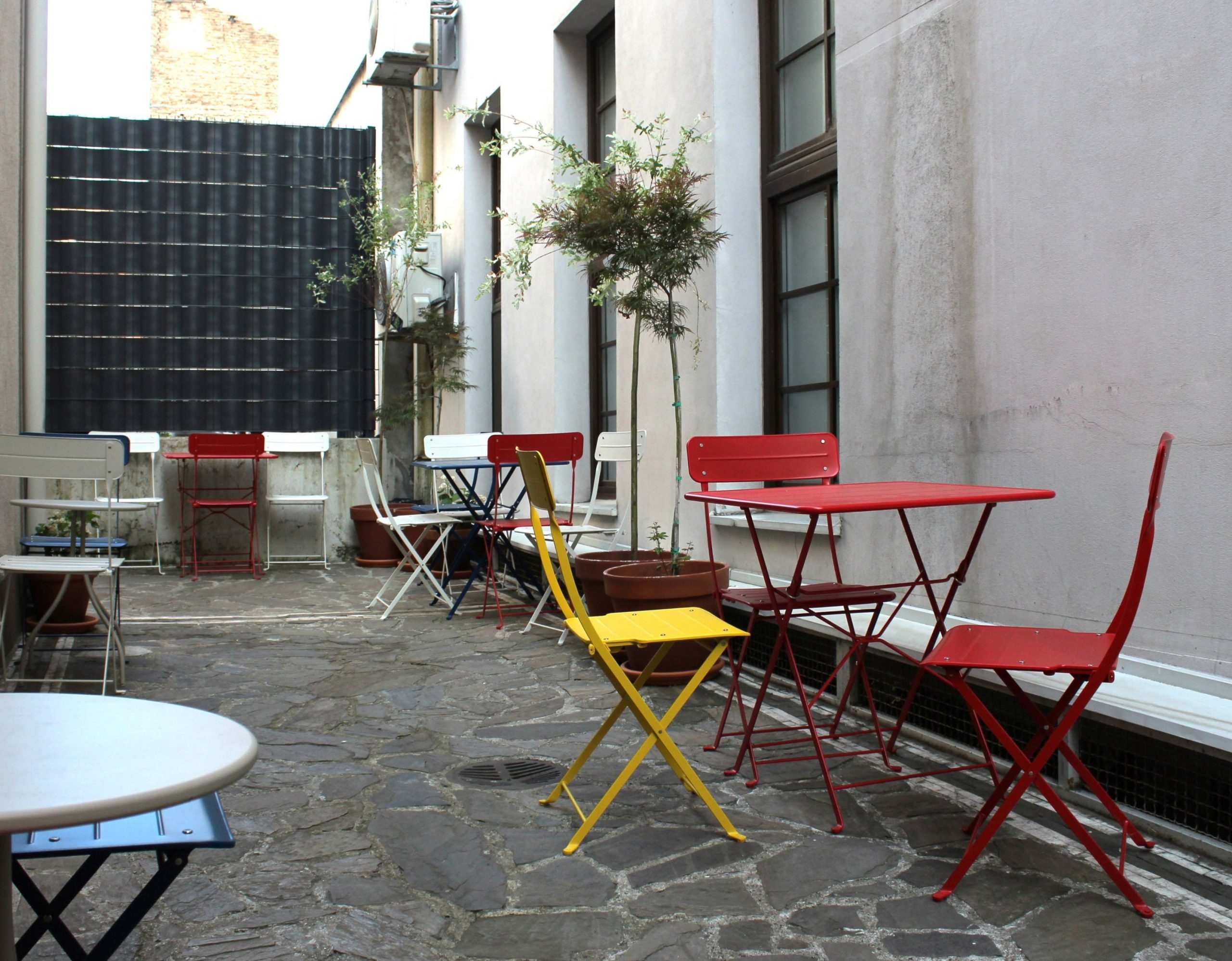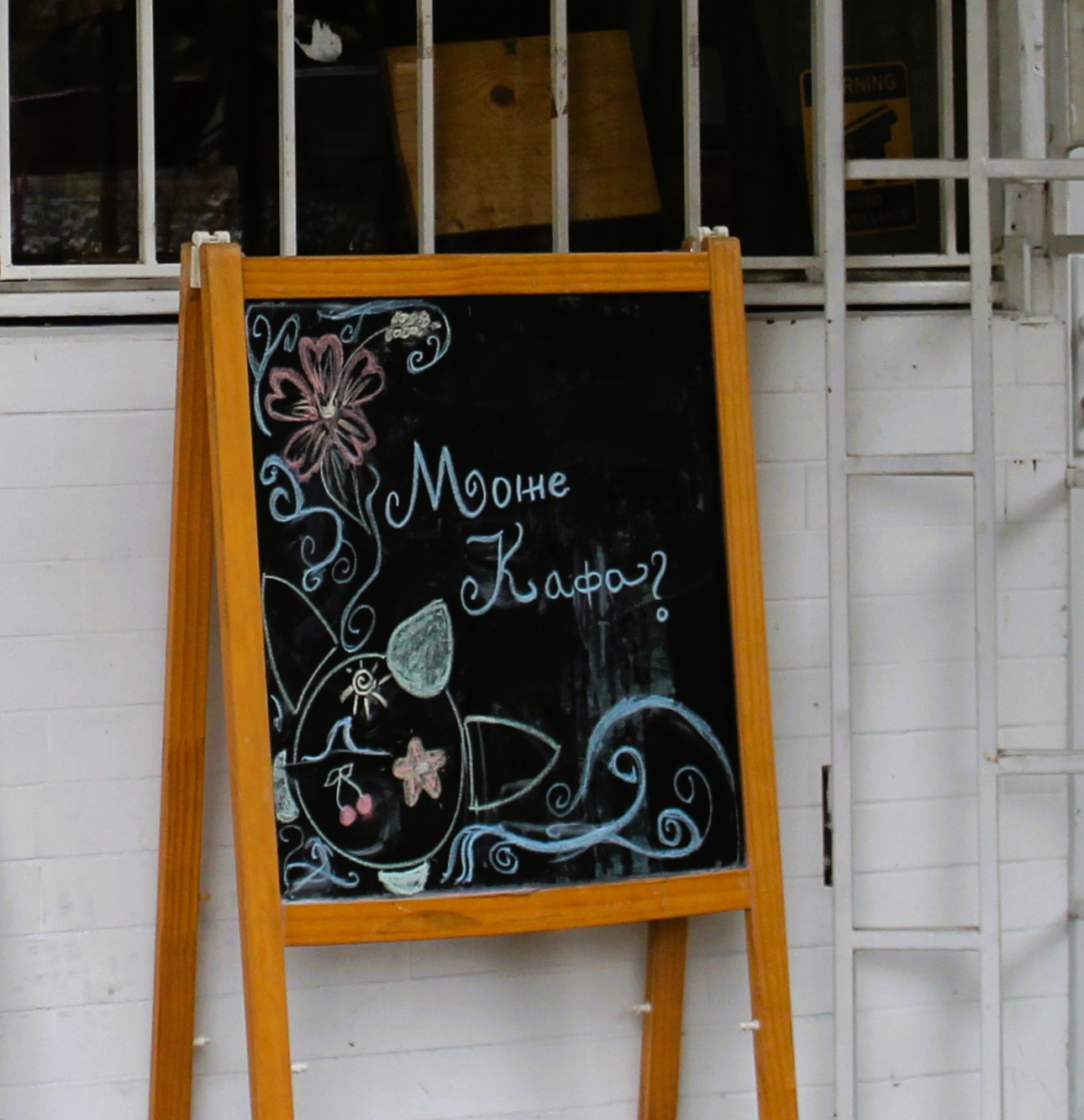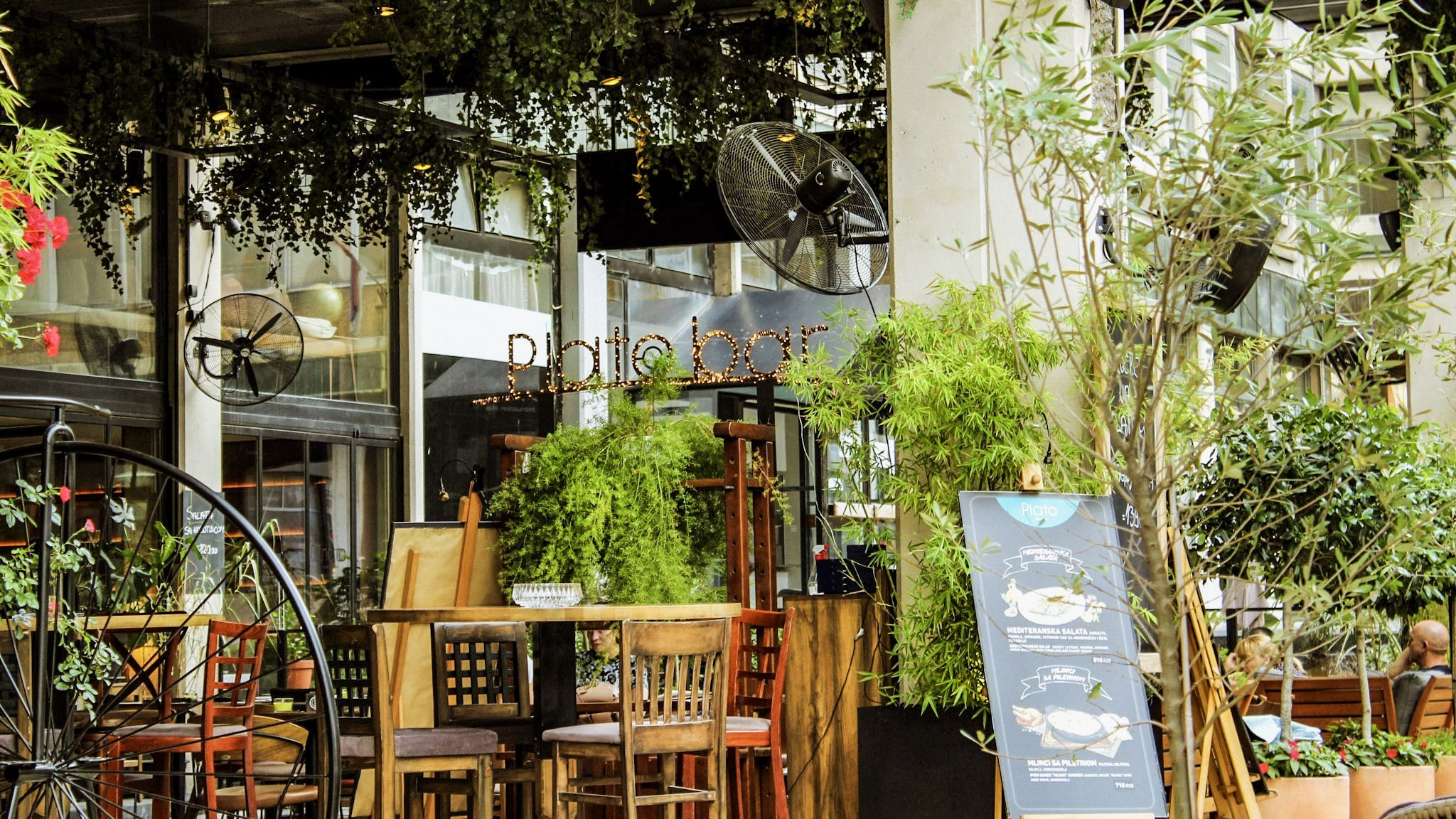
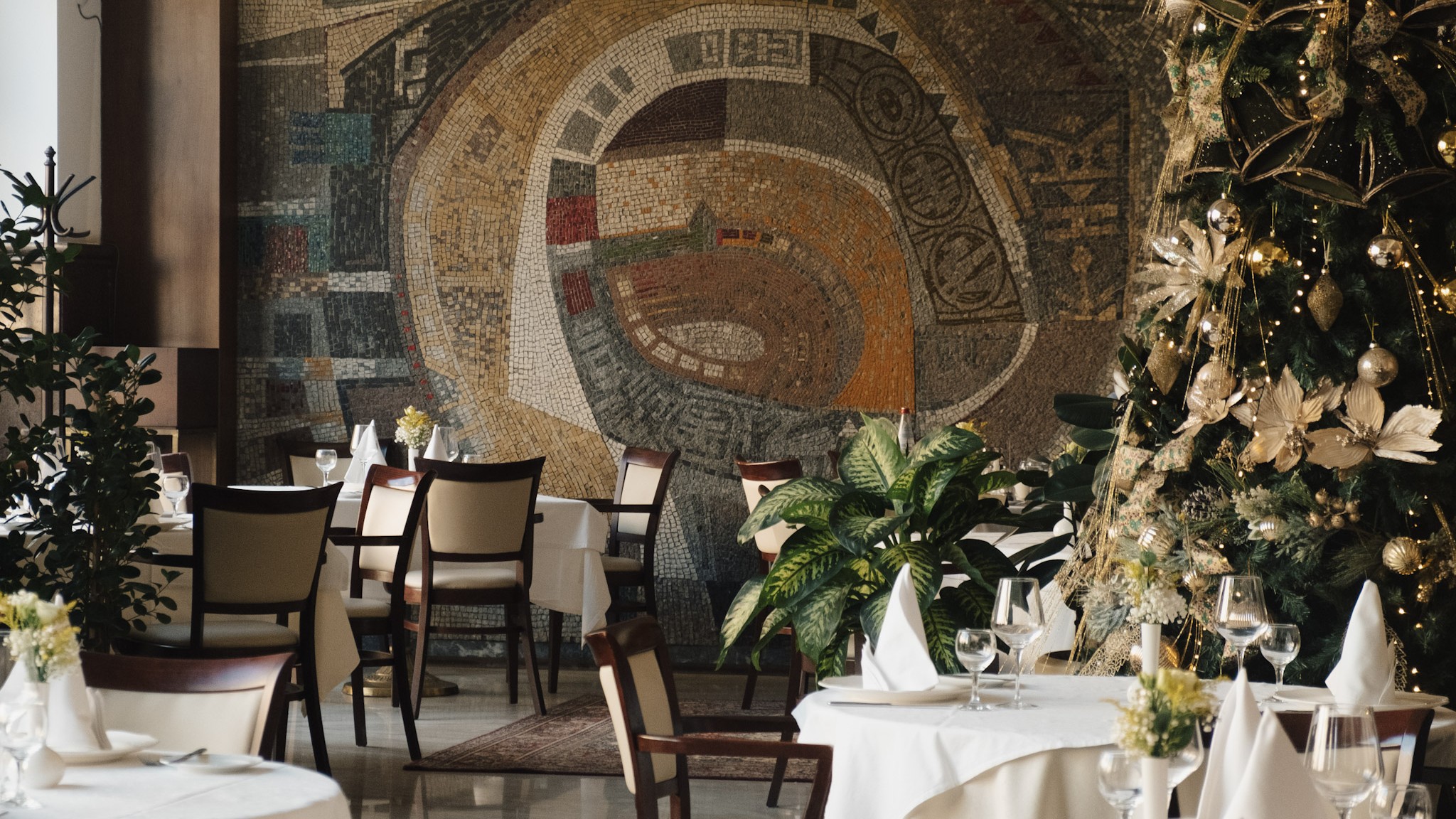
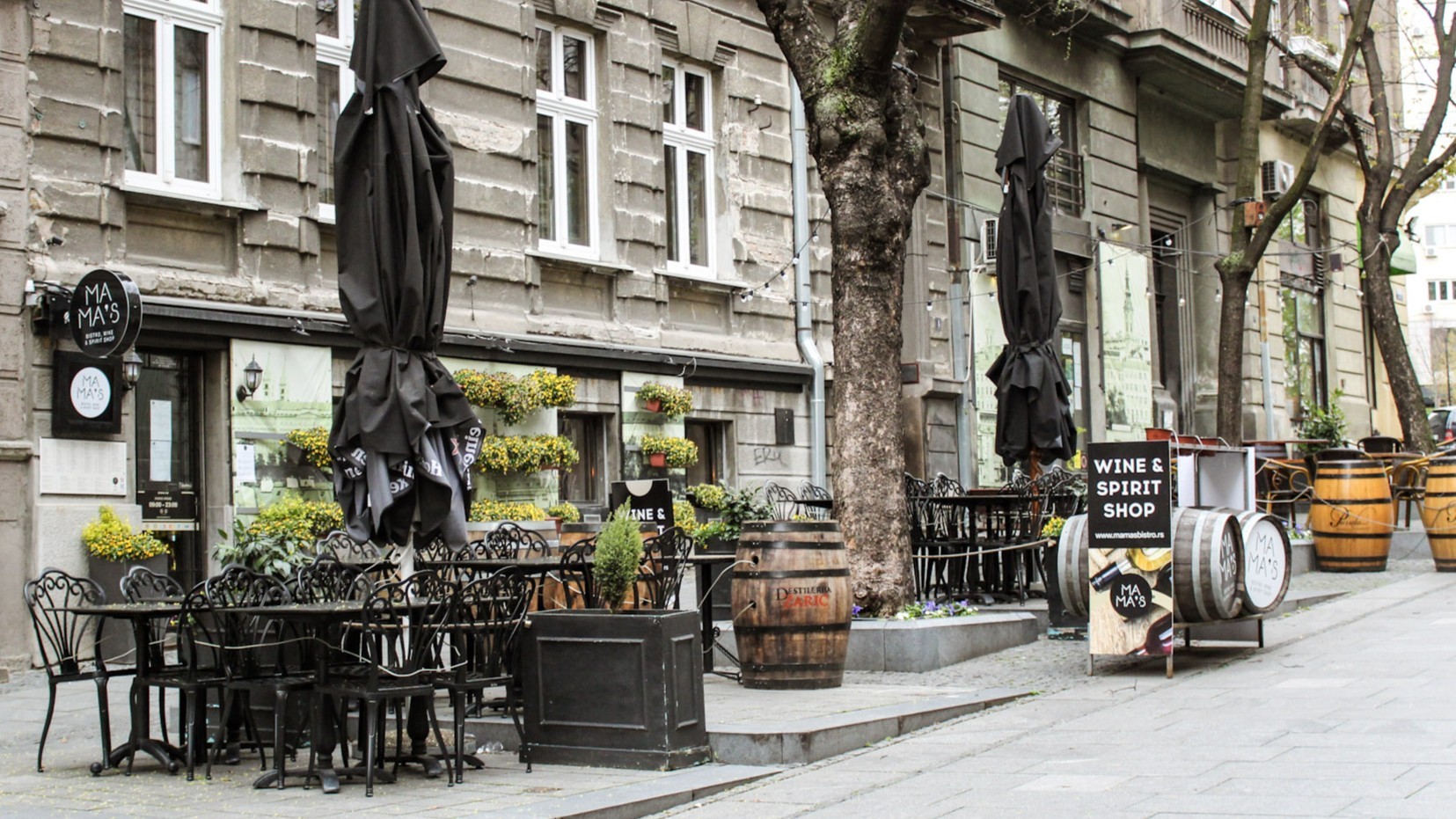
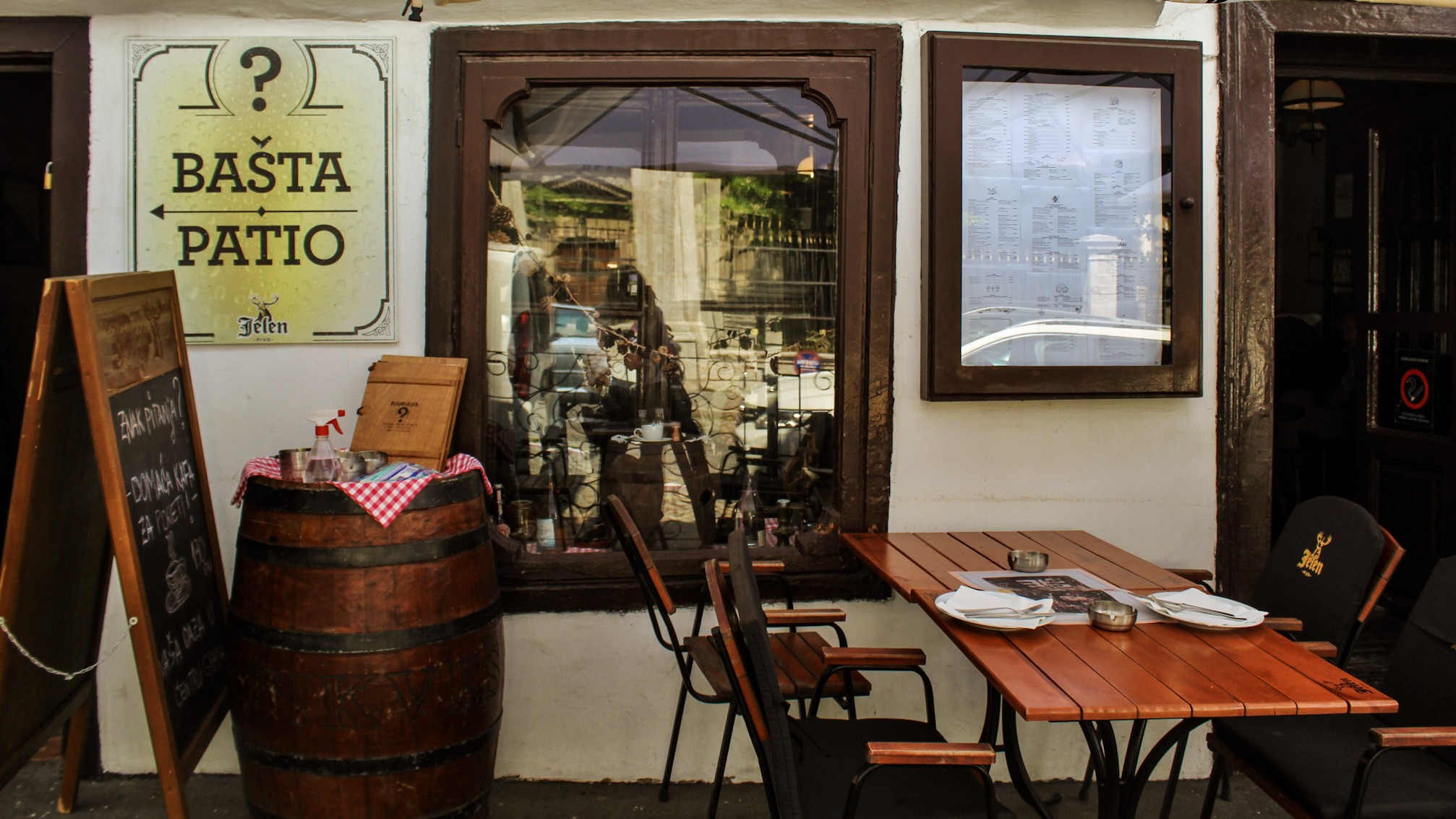
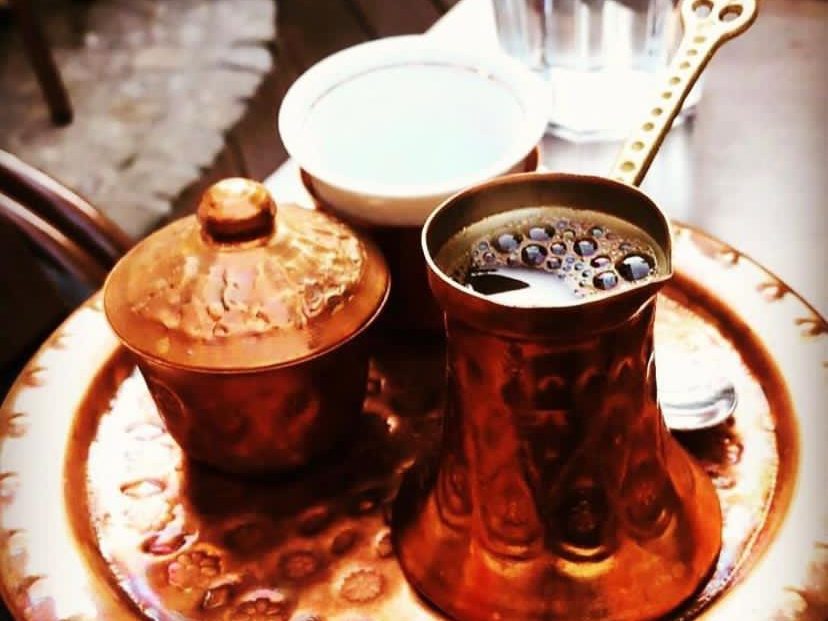
The city offers many places for friendly get-togethers. Those who enjoy old taverns and a bohemian atmosphere usually head to Skadarlija. This cobblestone street has long been considered one of the centers of the city’s kafana culture. Tables are filled with grilled dishes, wine, rakija, and traditional coffee served with Turkish delight, accompanied by old-town music performed by tamburitza bands.

On the other side of the street, there is a completely different scene. Cetinjska Street was once home to the BIP brewery. In the 1970s, it was one of the largest in Yugoslavia, supplying a significant share of the market. After it closed in 2015, the abandoned industrial spaces gradually found a new purpose. Today, its courtyards and halls are filled with bars, clubs, and cafés. What was once an industrial zone has become one of the main nightlife spots, especially for those drawn to alternative spaces. A special place here is Café 6ica, which operates as a social enterprise and employs people from marginalized groups. It serves excellent homemade coffee, hosts themed evenings, and often gathers people from the NGO sector.

A similar story can be found at KC Grad, a combination of gallery, event space, and café. Set within a raw industrial interior, it hosts a wide range of events that bring together people with diverse interests. The same team is also behind Café Budućnost, located within the Museum of the 1990s, where after visiting the exhibition “Labyrinth,” conversations continue through personal memories of that complex decade in Belgrade.

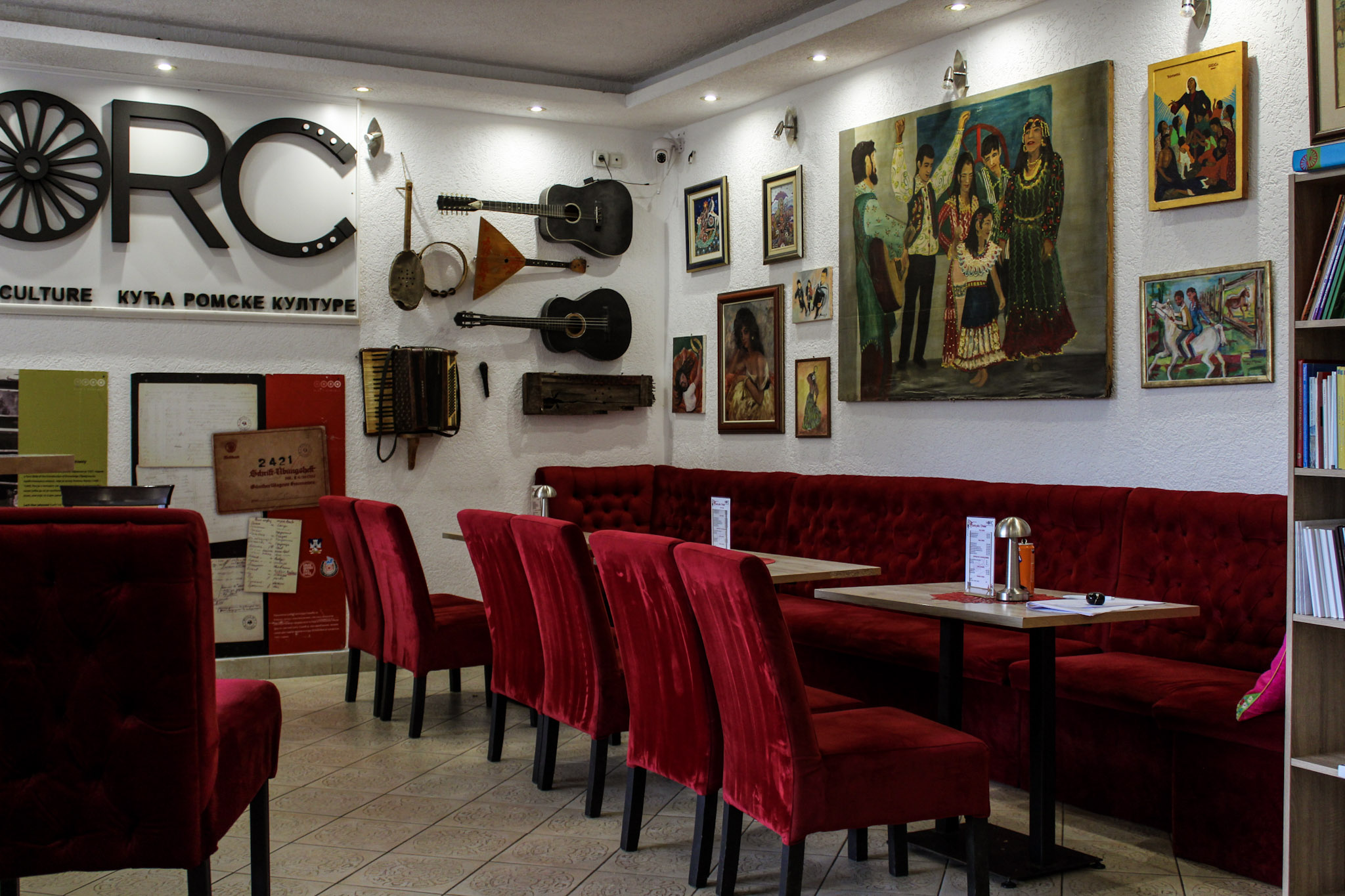
The House of Roma Culture is both a museum and a café. Here, you can enjoy a coffee surrounded by objects that tell the story of Roma culture, with a soundtrack ranging from traditional Roma music to contemporary interpretations.
In Vračar, coffee is enjoyed in many different settings, but one place stands out because of the people who serve it. Café Zvuci srca is part of an initiative dedicated to the inclusion of people with Down syndrome. Here, they kindly serve you a coffee and you have an opportunity to hear their stories and support their place in society. The café also runs a small print shop, where visitors can print tote bags, buy mugs, and pick up other small items that carry the same message.