Skip to content

KUĆA KRALJA PETRA

WHERE IS IT?

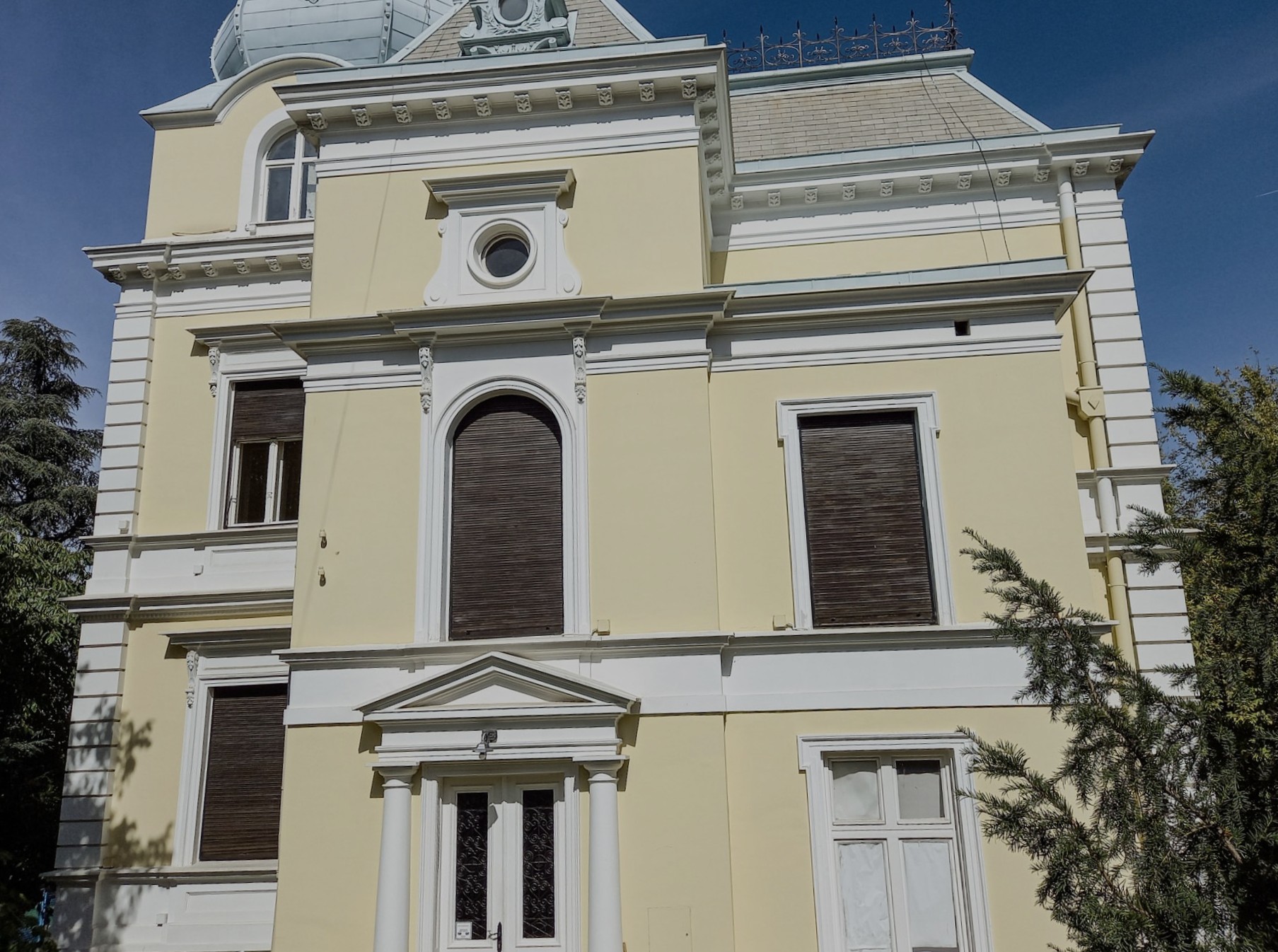
The House of King Peter I is located in Senjak, at 40 Vase Pelagića Street.

THE HISTORY

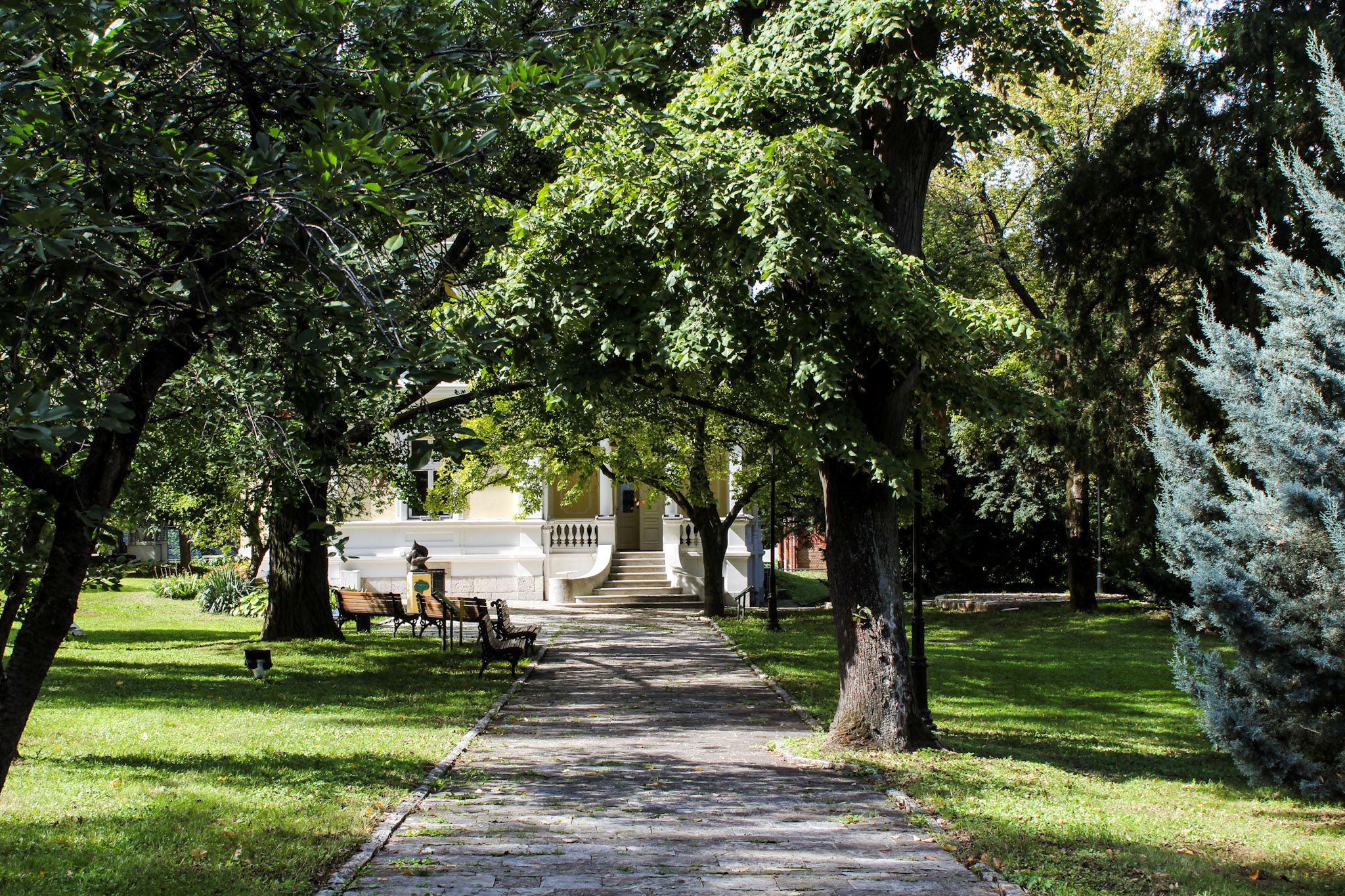
The house was built in 1896 as a villa for the Belgrade merchant Đorđe Pavlović. Set in the quiet, green surroundings of Topčider Hill, it was originally intended as a summer retreat surrounded by vineyards.

Its connection with the Karađorđević dynasty began only after the First World War. When Peter I returned to Belgrade, the Old Palace had been damaged during the war, and a new residence had to be found for him. Pavlović's villa was rented by the Royal Court, and Peter I moved there in September 1919.

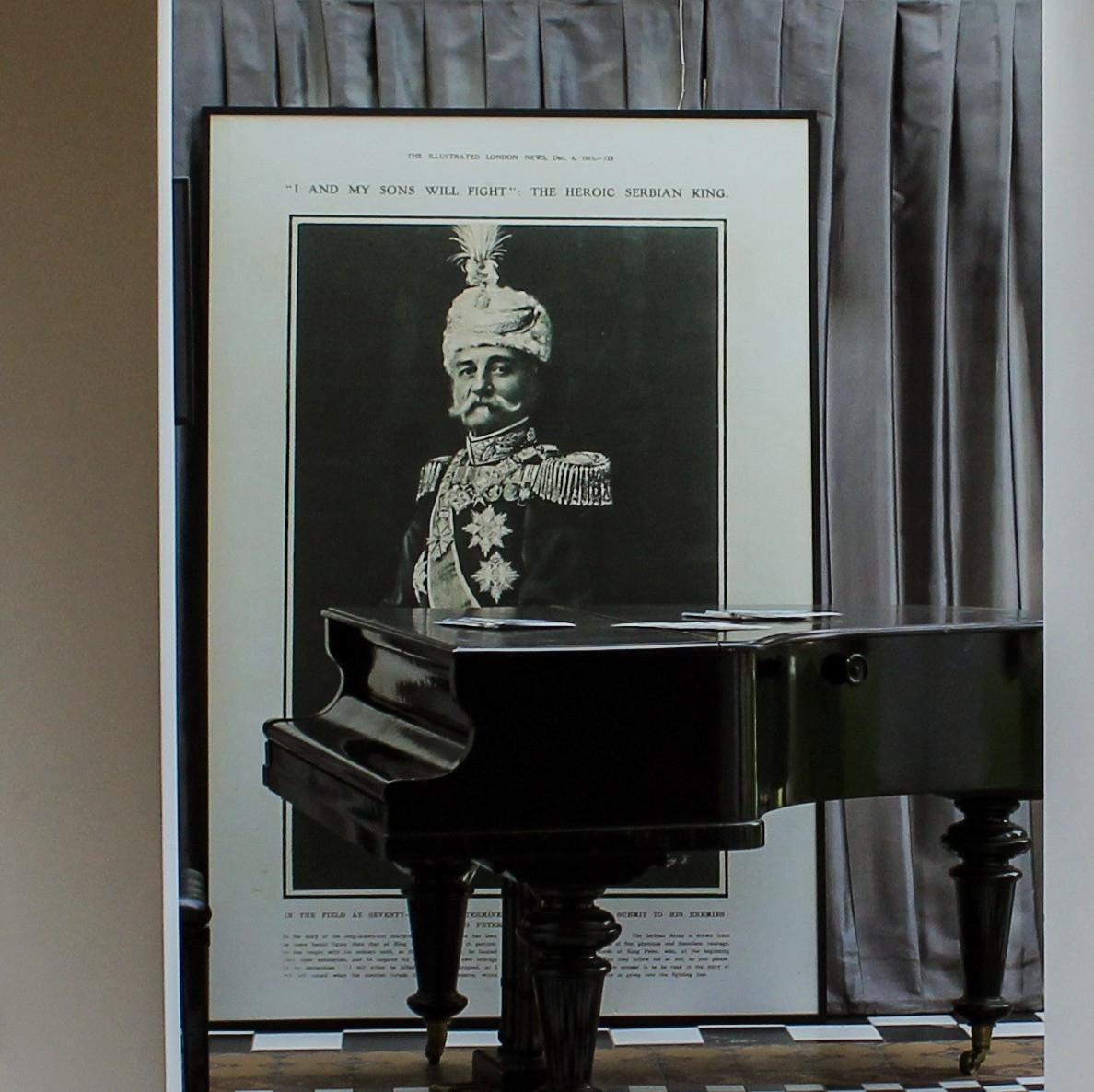
By then, he was nearing the end of a long political career and a turbulent life. After the Serbian army's retreat in 1915 and several years spent abroad, he returned in poor health. He spent the last two years of his life in this house and died here on 16 August 1921.

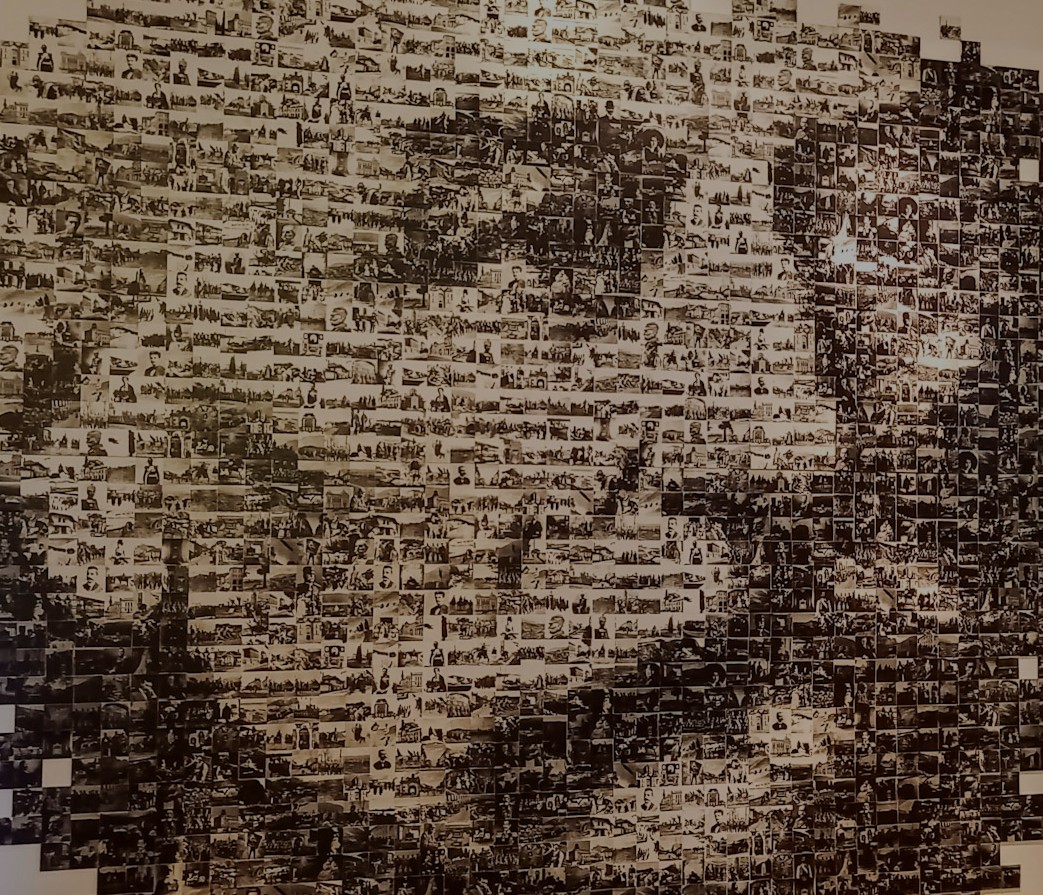
Almost immediately after his death, a public image of Peter I began to take shape. Official state proclamations emphasised constitutional government, parliamentarianism and civil liberties, while the more complex and controversial aspects of his political life remained largely in the background. This image of the king became an important part of the official narrative of the Kingdom of Serbs, Croats and Slovenes.

The government decided to preserve the house where Peter I had spent his final years and turn it into a museum. The villa was purchased, and in 1926 a monumental gate was built at the entrance to the garden. Decorated with royal symbols, it featured the years 1844, 1903 and 1921, marking Peter I's birth, accession to the throne and death.

THE DESIGN

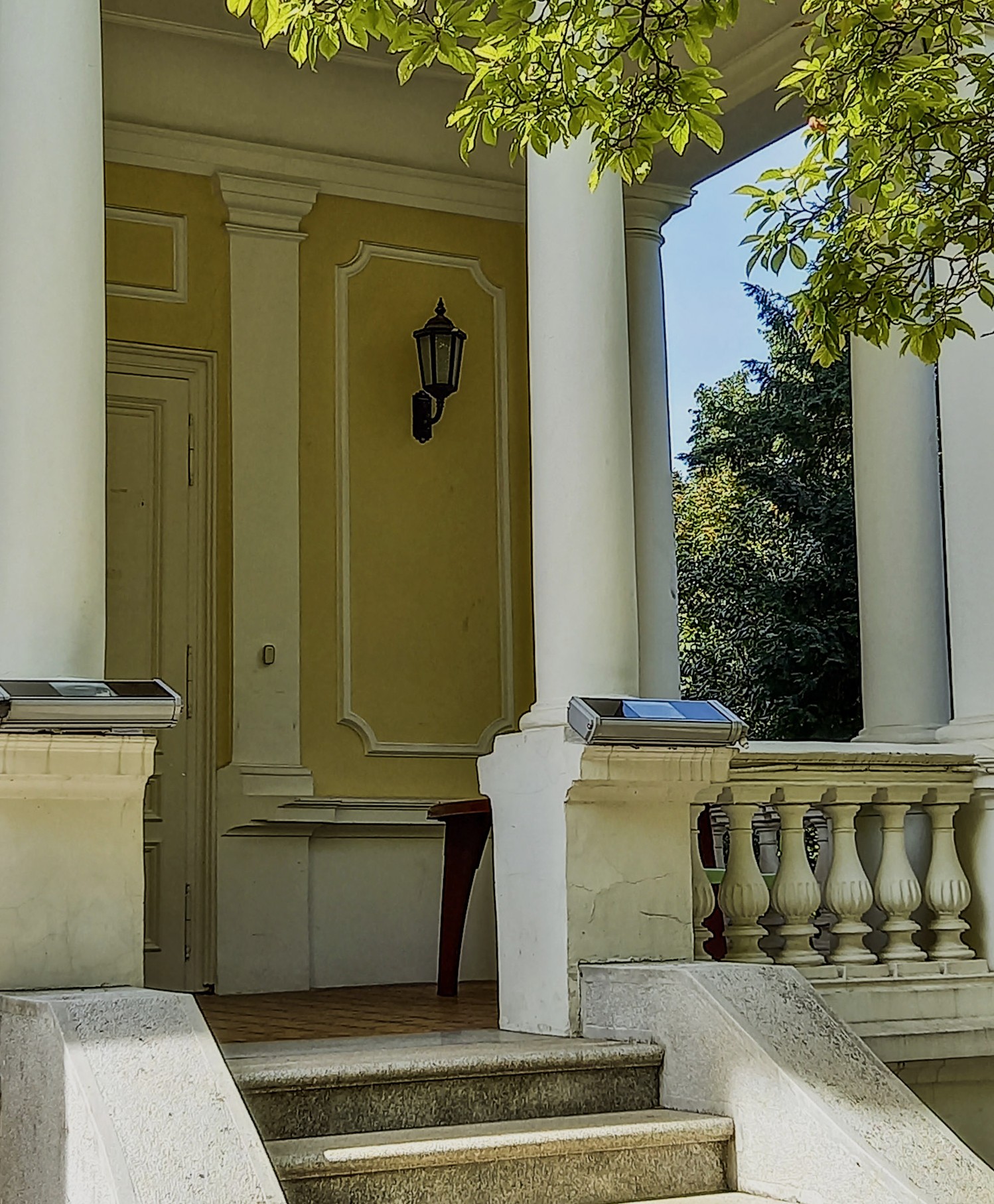
The villa was built as a summer residence in the Academic style. Each façade is different, so the house changes in appearance depending on the direction from which you approach it. It is surrounded by a spacious garden that still evokes the residential character of old Senjak. The monumental entrance gate, added in 1926, was inspired by the portals of the Old Palace and dates from the period when plans were being made to turn the house into the Museum of King Peter I.

The ground floor was designed for receiving guests, with salons and a dining room, while the bedrooms and private rooms were upstairs. The elaborate façades, columns, pilasters, balustrades and mansard roof crowned by a dome reflected the social status of the villa's original owner.

The planned Museum of King Peter I, however, never opened. One of the main problems was the lack of objects needed to create a comprehensive exhibition about his life and reign. Intended as a place of dynastic remembrance, the house remained without its planned purpose for decades.
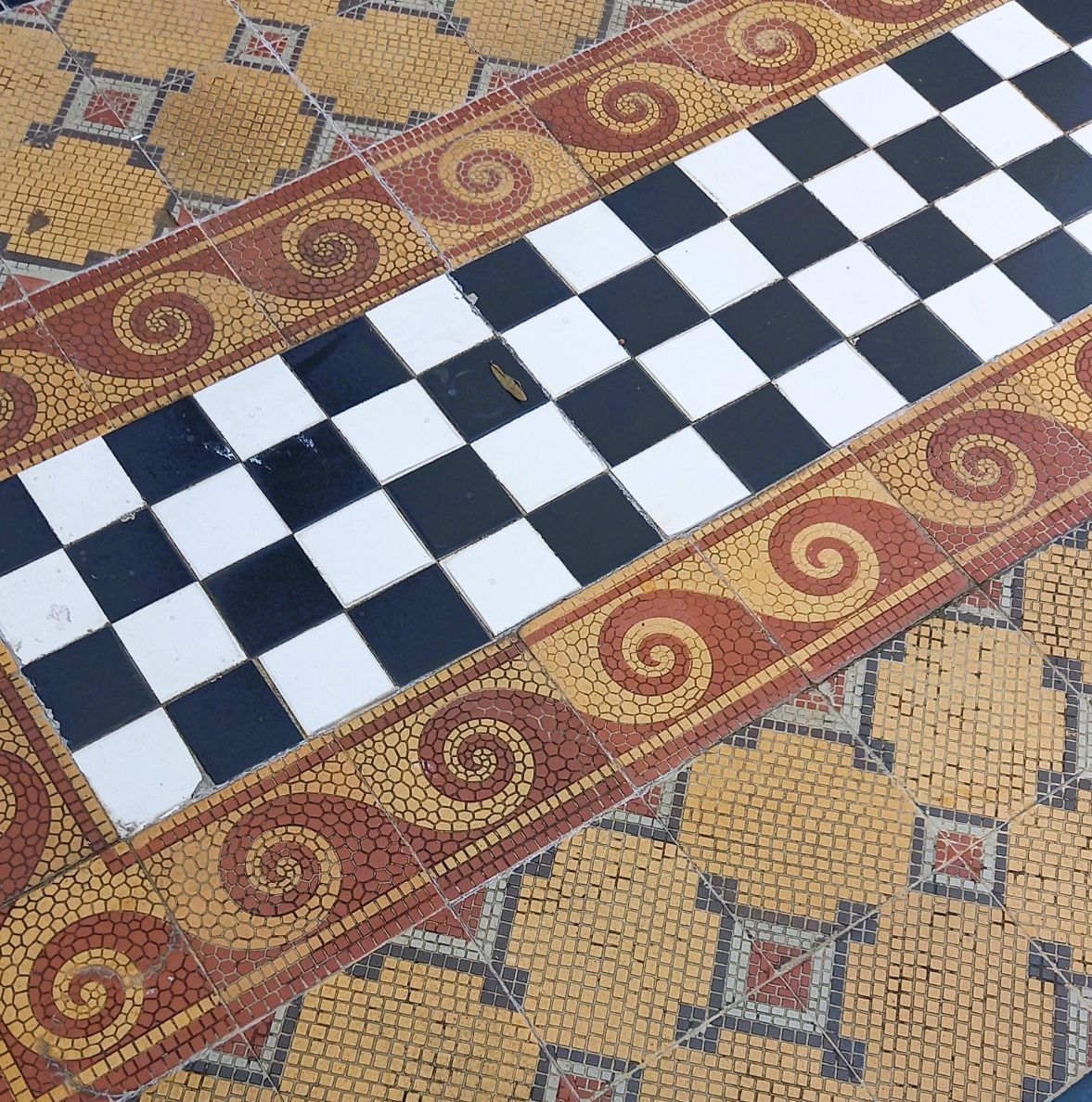
After the Second World War, the building's role changed again. It briefly served as a school before being converted into residential space. Its changing uses also reflected shifts in the political system and changing attitudes towards the legacy of the Karađorđević dynasty.
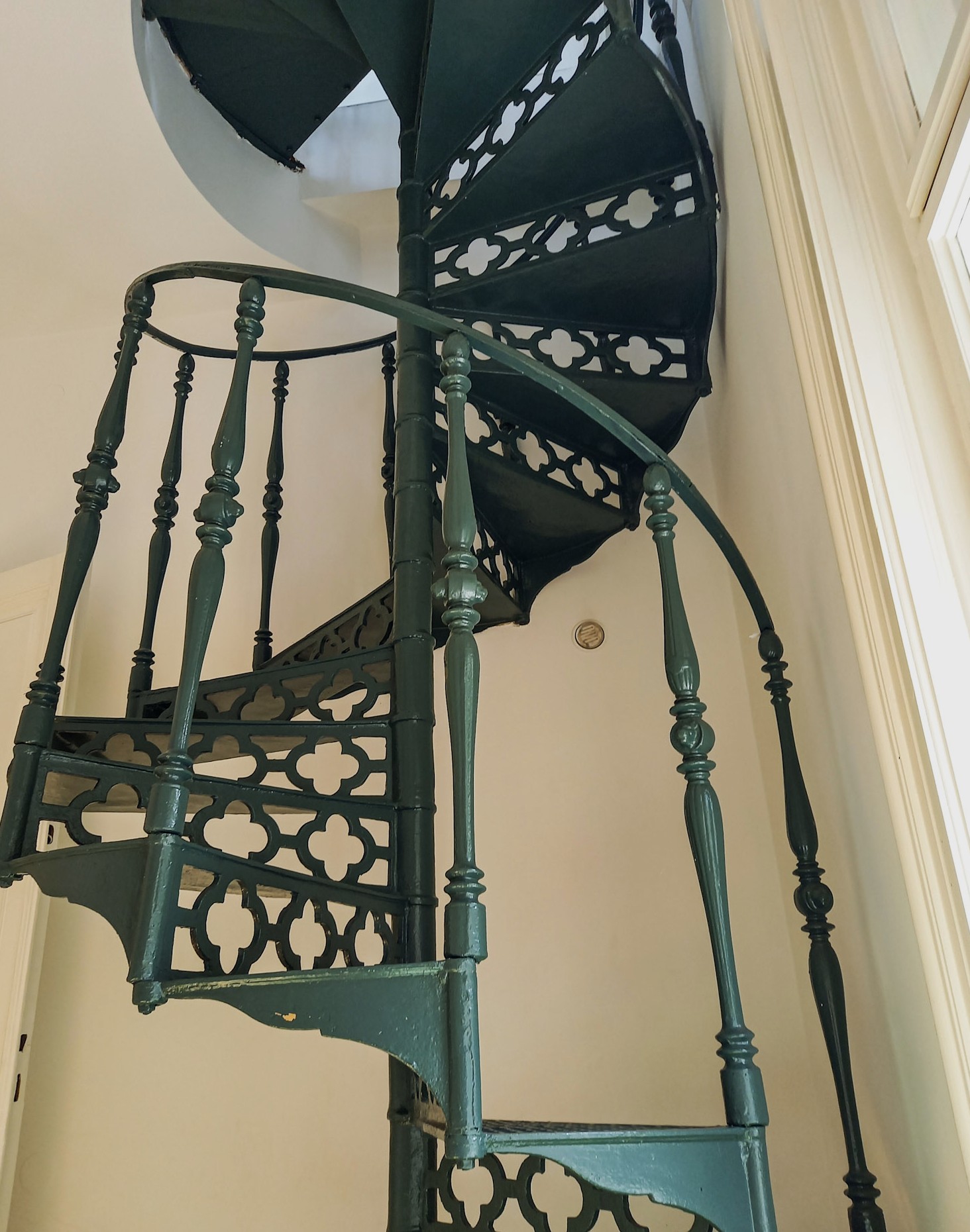
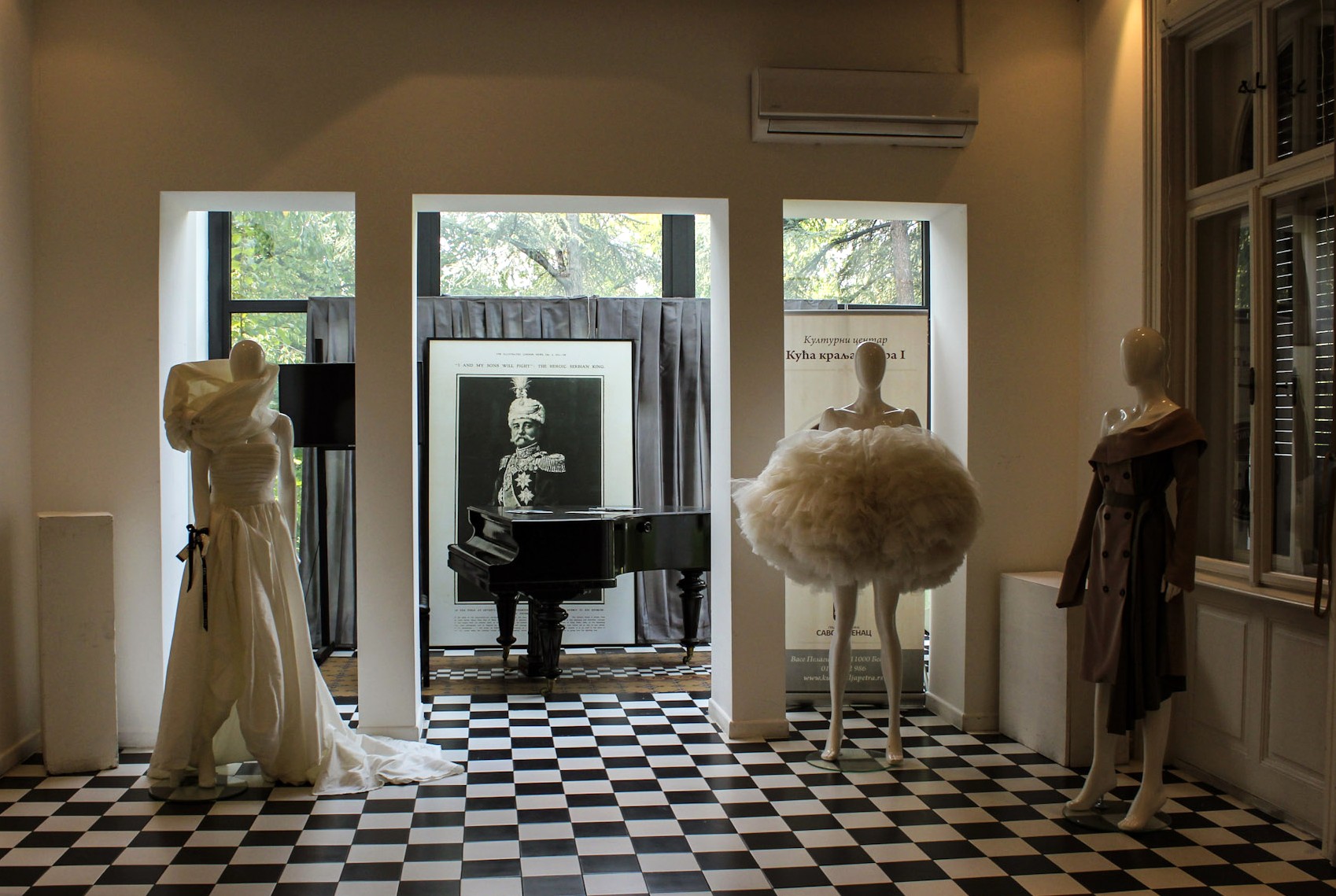
The house was restored in 1997 and took on a new cultural role in the early 21st century. Today, the House of King Peter I hosts exhibitions and cultural programmes. The former salons have been adapted as exhibition spaces, bringing contemporary art into a historic interior and giving the villa yet another chapter in its long history.