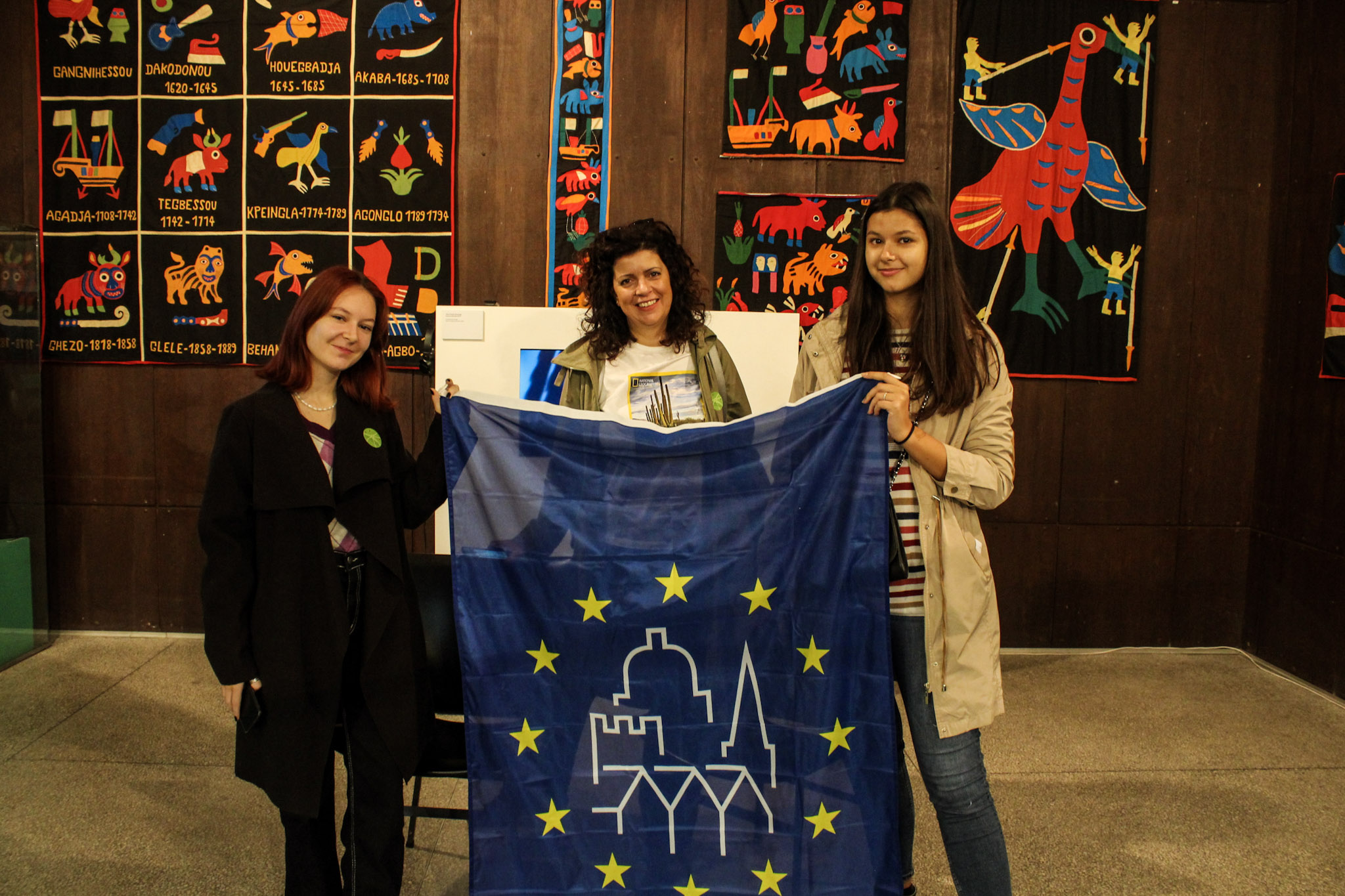
THE HISTORY
The Museum of African Art is the only museum in Serbia dedicated to the art and cultures of the African continent.
The museum was founded thanks to the vision of Veda Zagorac and Dr Zdravko Pečar. Born in Čakovec, in present-day Croatia, Pečar made Belgrade his home and built his professional career there. As a Yugoslav journalist, diplomat and ambassador, he spent many years in West Africa. Together with Veda Zagorac, he assembled an outstanding collection of African art, which they donated to the City of Belgrade and which became the foundation of the Museum of African Art.
After the collection was temporarily entrusted to the Ethnographic Museum, the City of Belgrade supported the establishment of a separate museum and provided the former studio of Moša Pijade, later used by artists Zora Petrović and Boško Karanović, at 14 Andre Nikolića Street.
The new building, designed by architect Slobodan Ilić, was completed in 1976, and the Museum of African Art officially opened to the public on 23 May 1977. Since then, it has served as a unique meeting place between African cultures and Belgrade.
Although designed as a museum, the building incorporates and expands the former studio of politician and painter Moša Pijade. Architect Slobodan Ilić successfully integrated the existing studio into the new structure, creating a modern pavilion that blends harmoniously with its park setting.
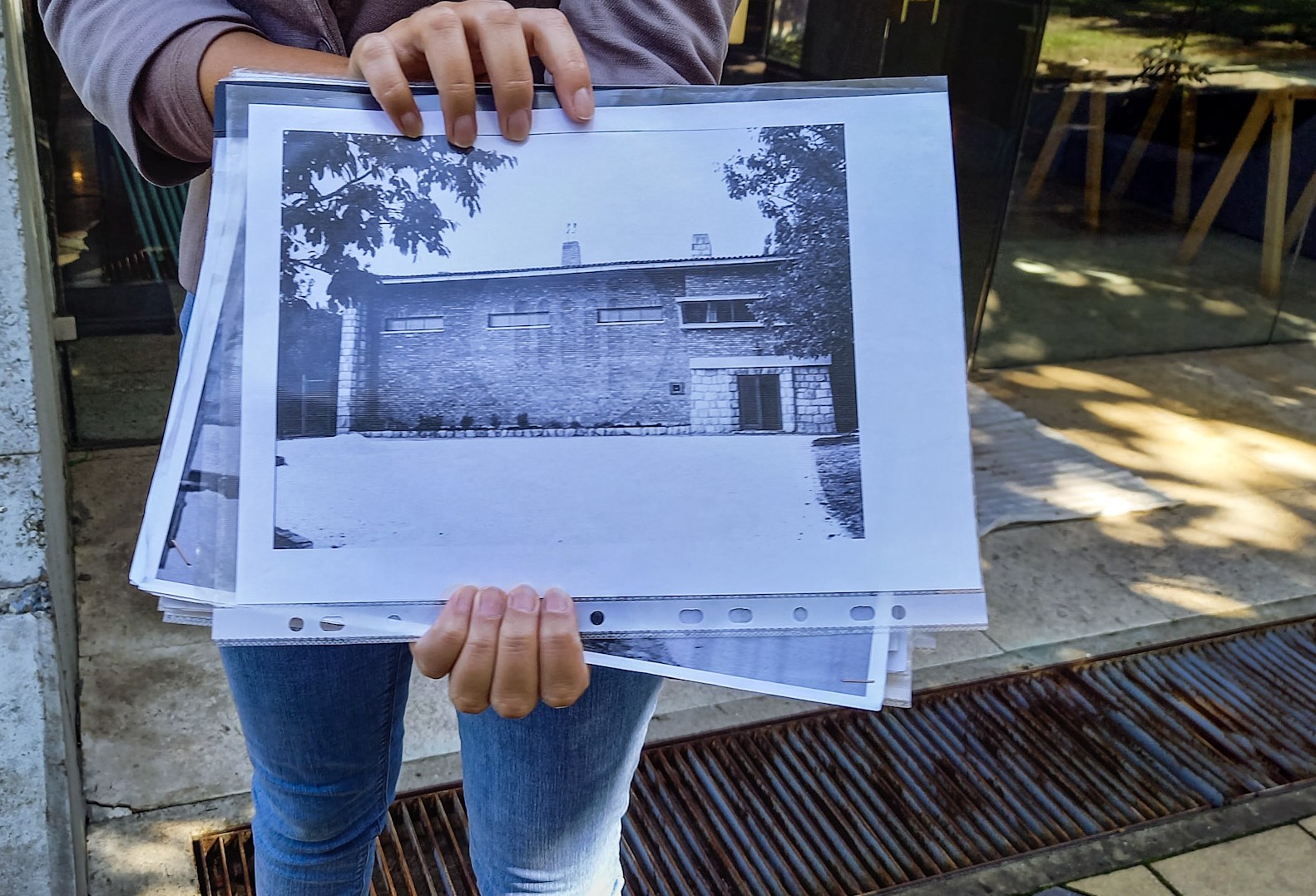
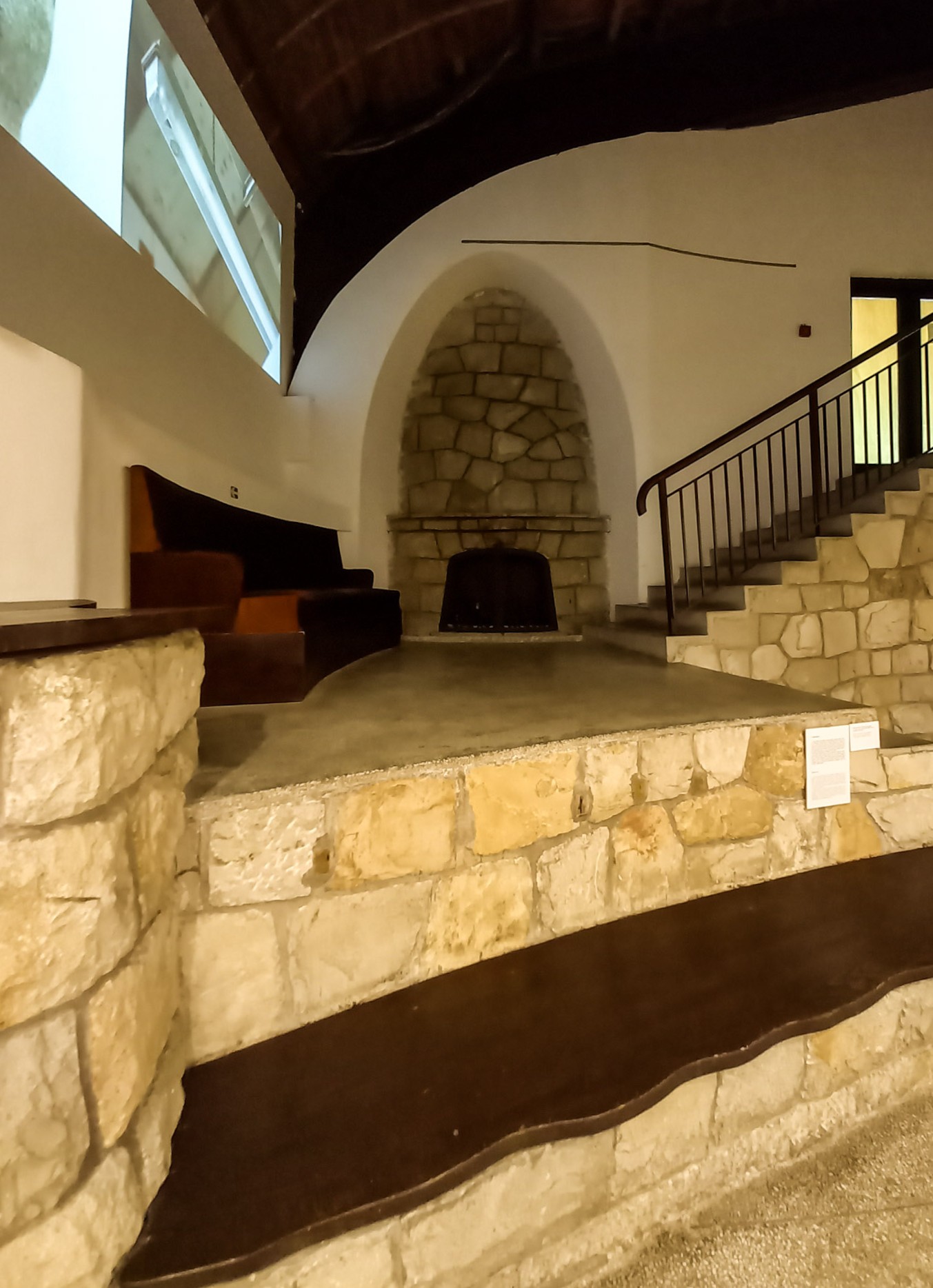
Architect Slobodan Ilić integrated the former studio into the new building, creating a modern pavilion that blends harmoniously with its surroundings. The original building, completed in 1976, featured a grass-covered roof and glass skylights that brought natural light into the permanent exhibition, while exposed concrete became one of its defining architectural features.
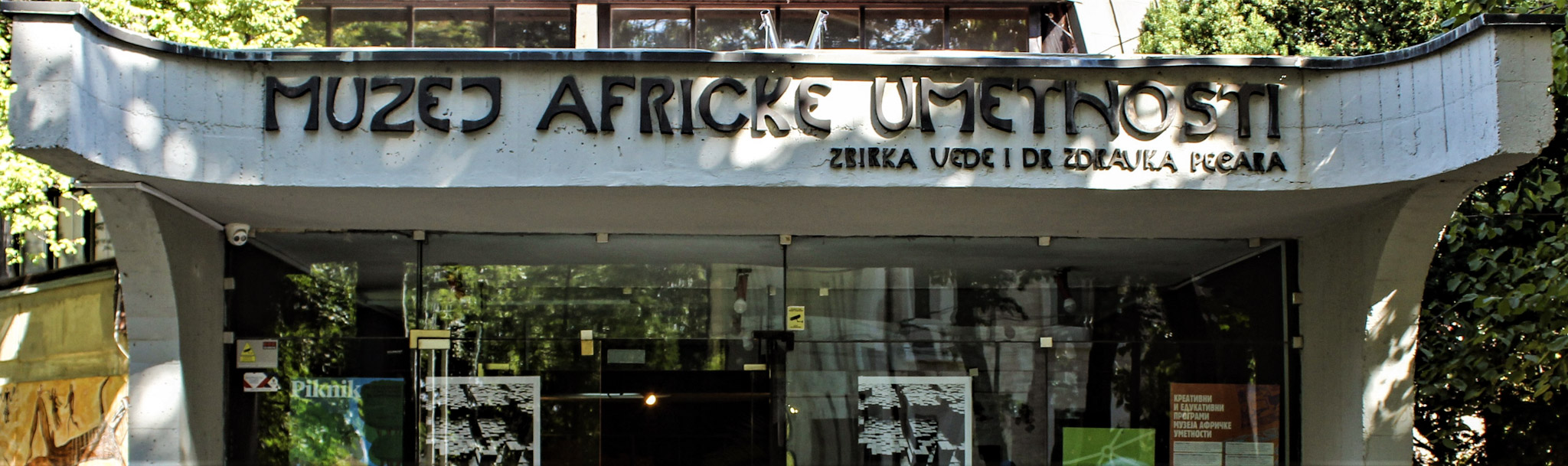
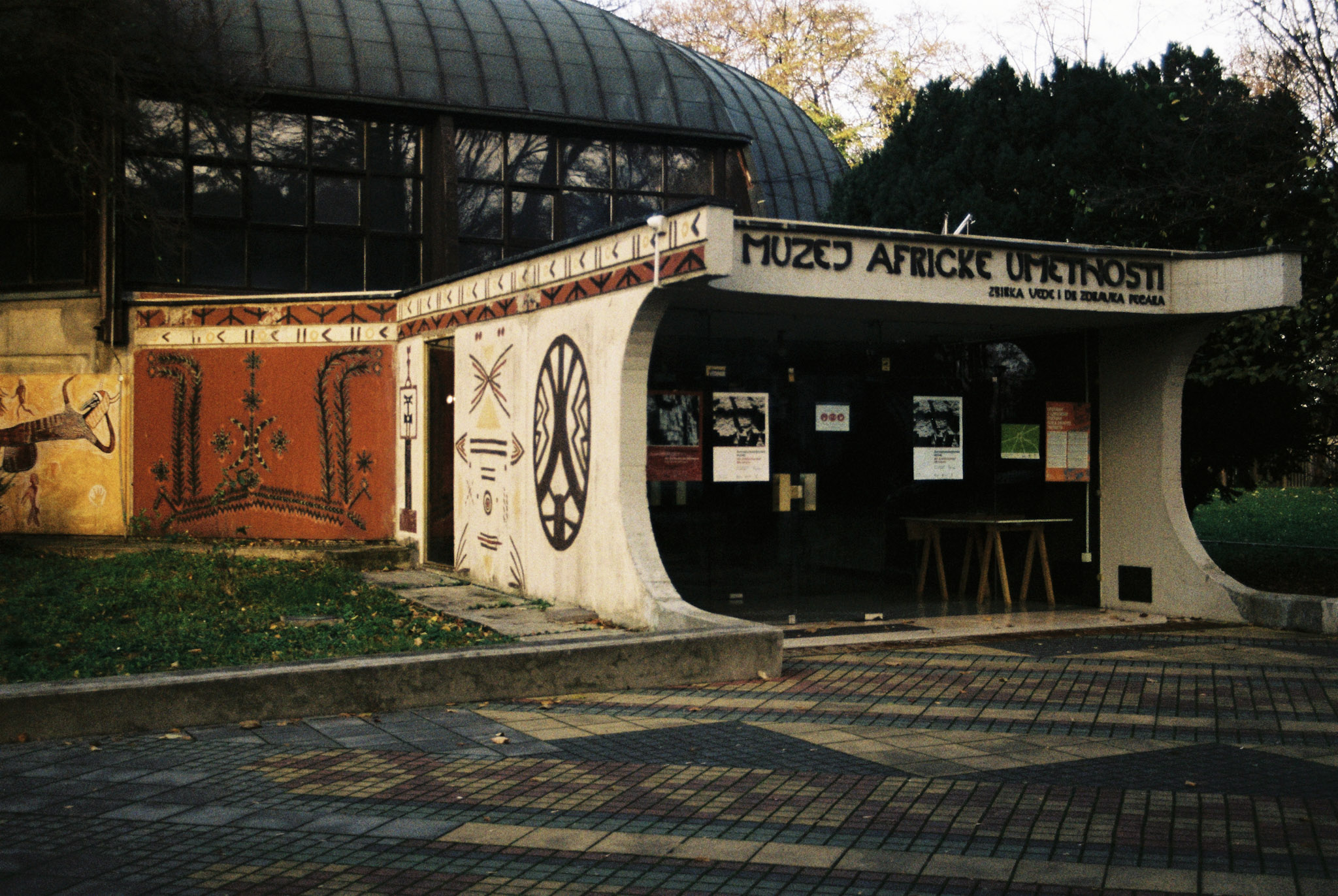
The Museum of African Art was conceived as an open and welcoming space that invites visitors to explore and discover different cultures. Its entrance reflects a simple modernist design. A broad concrete canopy, marked by the museum's distinctive sign, creates a welcoming atmosphere, while the large glass façades blur the boundary between the interior and the surrounding park. Nestled among greenery, the entrance reinforces the idea of the museum as a place where people and cultures come together.
For this reason, the museum regularly hosts exhibitions, workshops, concerts and other cultural events outdoors, extending its activities beyond the building itself and into the park.
A major renovation in 1989 added the museum's distinctive dome, which changed the appearance of the building while preserving its original concept as a museum open to nature.
THE COLLECTION
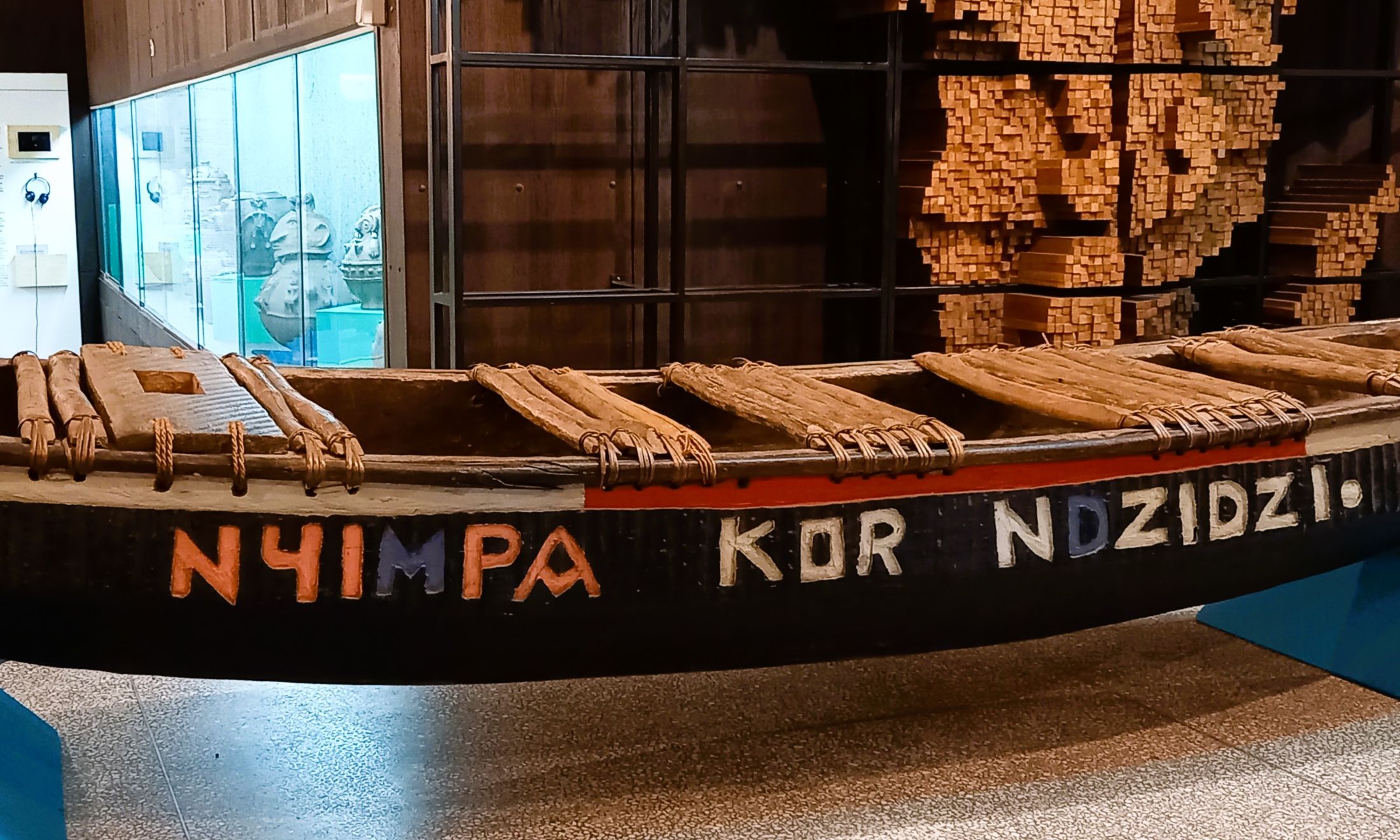
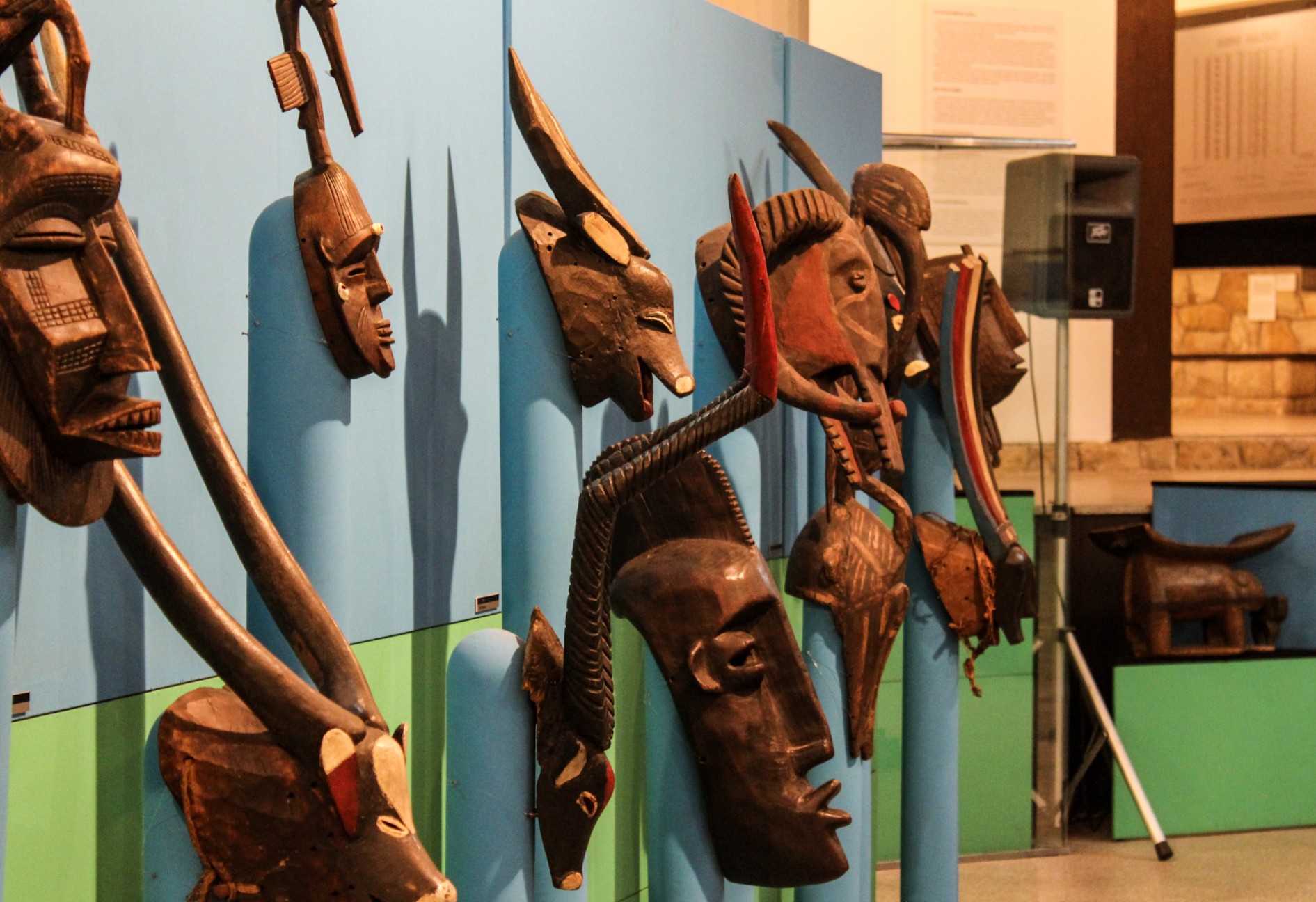
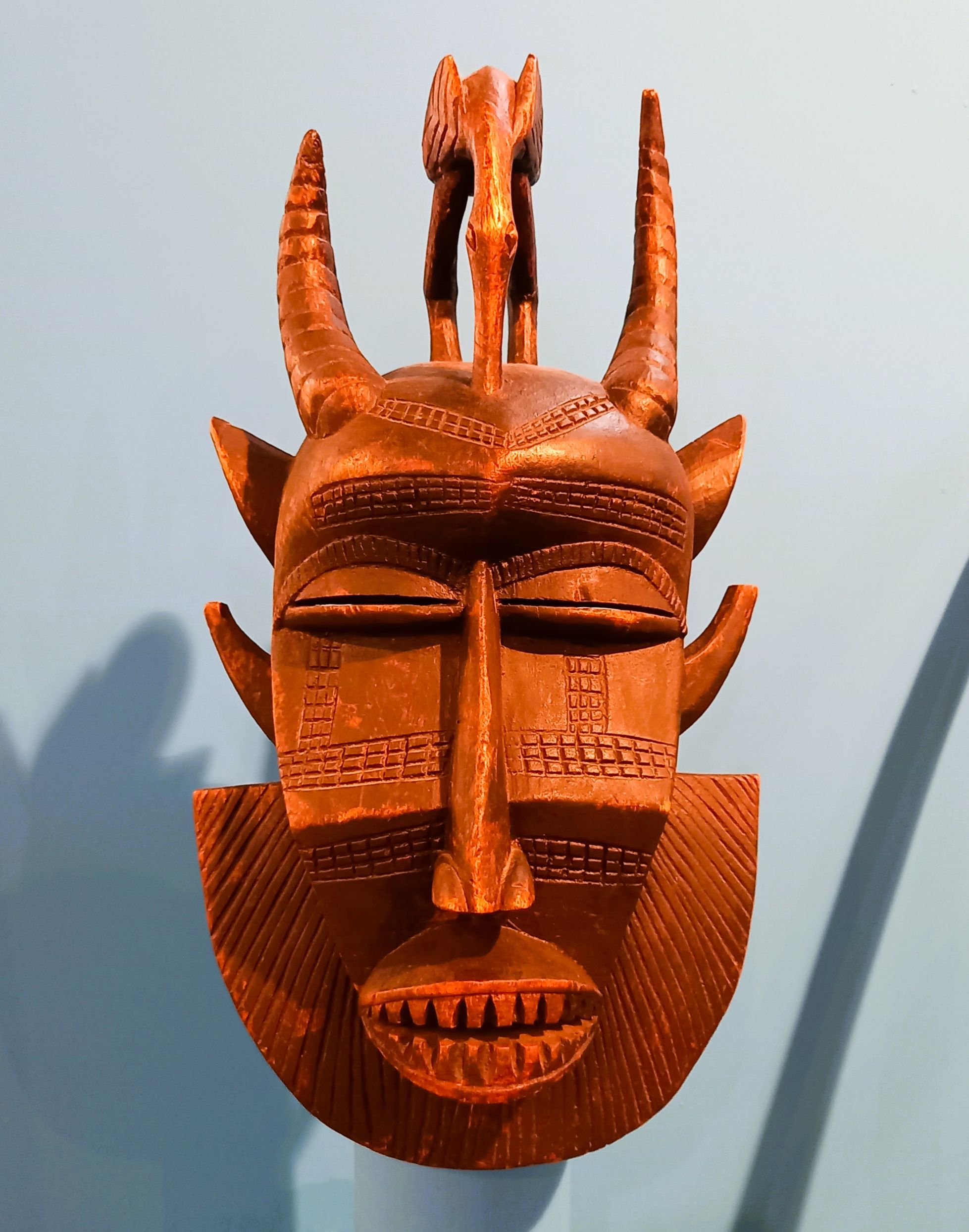
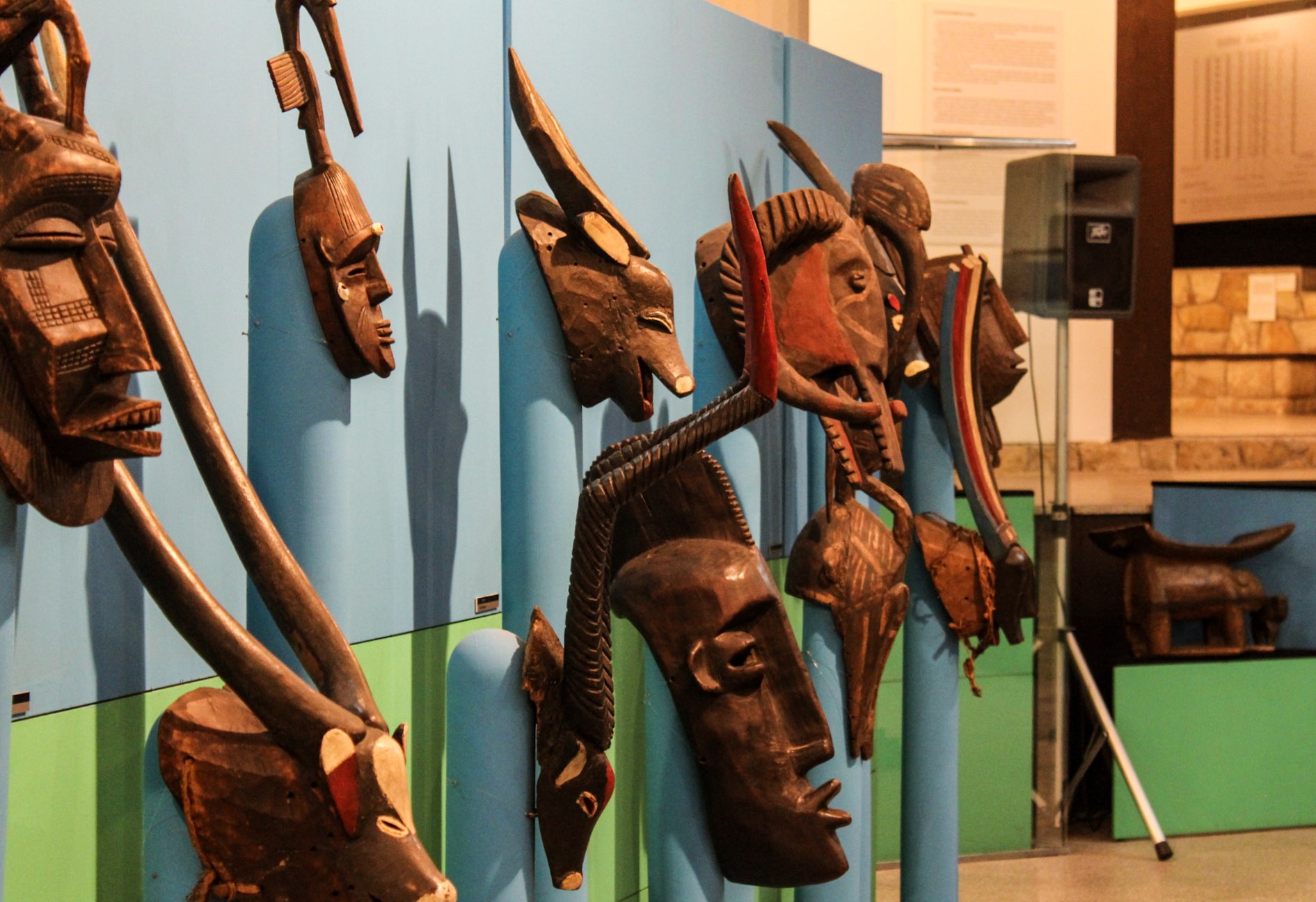
Pečar often emphasized that every object in the collection left Africa with the permission of the independent governments of the time. More important than any official permit, however, was the trust and friendship that he and Veda Zagorac built over many years with people and communities across the African continent.