
Skip to content

Gina Rančić: The Romani Poet

Gina Rančić , a poet from the Roma tribe Nevelja, is considered the first known Romani poet. As a young girl, she came to Belgrade and was later taken to Istanbul, where she was taken in by an Armenian merchant who enabled her education. In Istanbul she attended school and learned languages, after which she began to create and write poetry in the Romani language. Her life later unfolded across Albania, Serbia, Italy, and Paris, marked by constant movement and dramatic turning points. After Paris, left without money or support, she returned to a nomadic way of life. During one such journey she fell ill and died. She was buried in the Slavonian village of Biskupeć, without a marked grave.


Gina Rančić (?–1891), a poet from the Nevelja Romani tribe, is considered the first known Romani woman poet. As a young girl, she came to Belgrade and later moved to Istanbul, where she was taken in by an Armenian merchant who enabled her to receive an education. In Constantinople, she attended school and learned several languages before beginning to write poetry in the Romani language.

Her life subsequently unfolded across Albania, Serbia, Italy, and Paris, marked by constant wandering and dramatic turns of fate. After her time in Paris, left without money or support, she returned to a nomadic way of life. During one of her journeys, she fell ill and died. She was buried in the village of Biskupeć in Slavonia, in an unmarked grave.


Gina Rančić’s poetry is closely connected to her life and to the position of a woman, especially a Romani woman, in a world largely controlled by men. As a girl she was taken from her community, later married, abandoned, sold, accused, and repeatedly bound to new partners. Her fate often depended on the decisions of the men she lived with.

Her poems therefore speak of love that easily turns into dependence, of abandonment, jealousy, and fear of loss. Her verses reveal the experience of a woman constantly on the move, trying to preserve her own voice in a world shaped by insecurity, change, and prejudice toward her origins.


Gina Rančić’s love life was turbulent and dramatic. After marrying an older Armenian merchant, Gabriel Dalenes, in Istanbul, she left him for a young Albanian, Gregor Korachon, with whom she began a life marked by wandering, violence, and uncertainty. After their separation, while searching for him, she became involved in a series of conflicts and in one fight was seriously injured, losing the thumb of her left hand.

She later met the merchant Jakob Hornstein and lived with him in Italy. After accusations of infidelity, she fled and attempted suicide by throwing herself into the sea, from which she was rescued. After Hornstein’s death, his family accused her of poisoning him, and she spent three months in prison.


After her release she stayed in Paris for some time, but after losing her financial security she returned to her family and to a nomadic life.

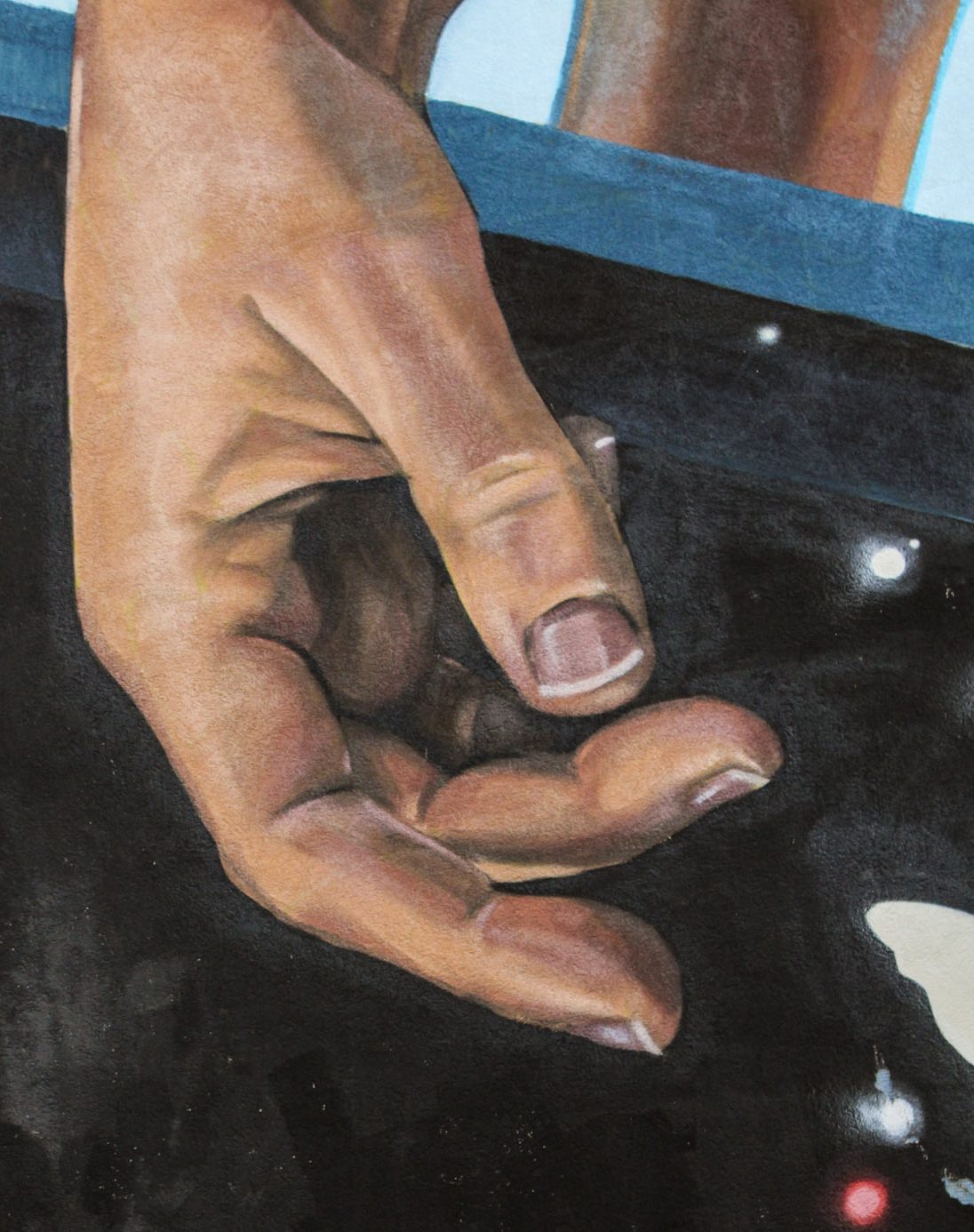
Gina Rančić died forgotten and without a marked grave. Today, a mural painted in her honor serves as a symbolic monument to a poet who was long excluded from history. Her image, previously unknown to the wider public, was painted by artist Marija Šoln on a mural in Solunska Street in Dorćol, Belgrade. The mural brings Gina Rančić back into public space and recalls the life of a woman whose poetry intertwines love, social and economic challenges, and the realities of Romani life from the perspective of an educated and creative woman.


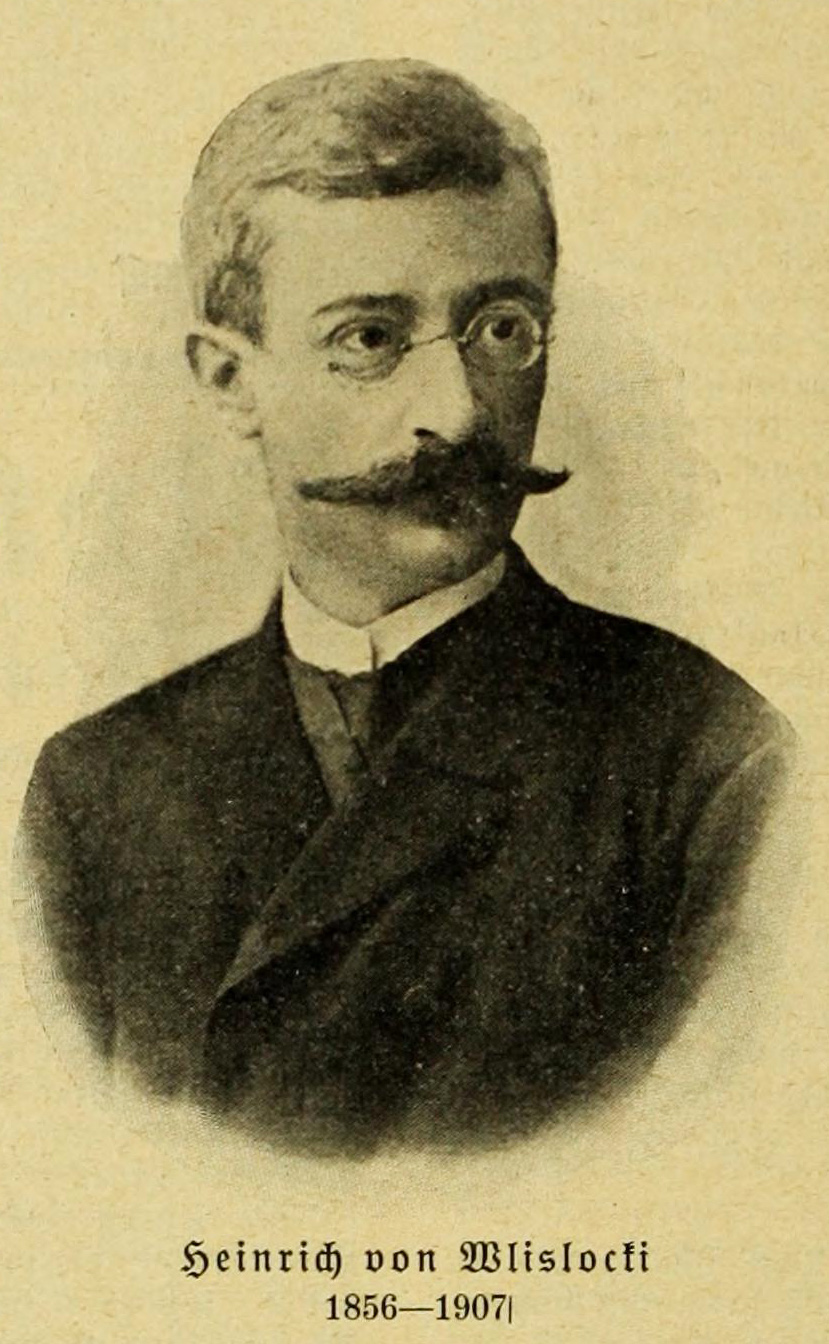
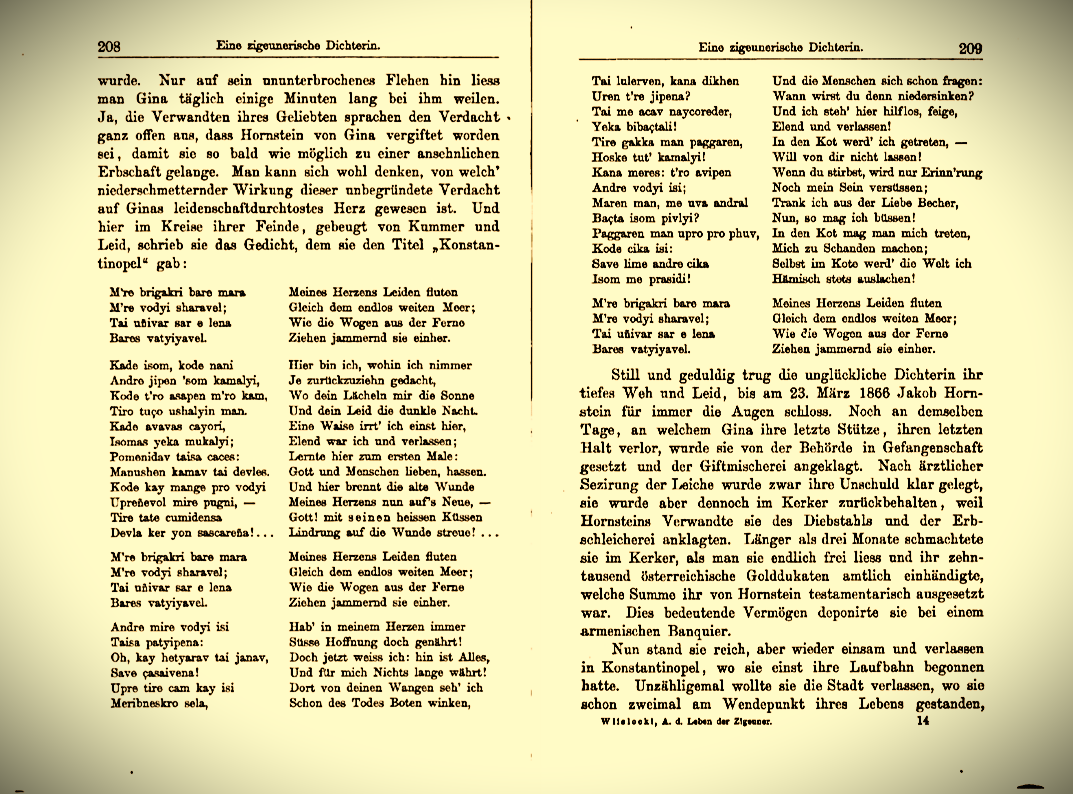
The story of Gina Rančić was recorded by Heinrich von Wlislocki, a 19th-century researcher of Romani culture. Born in Transylvania and trained as a philologist, he devoted most of his life to studying Roma and their culture. He traveled with Romani groups, lived among them, and documented songs, customs, and life stories that had not previously been written down. He was considered a “friend of the Roma” because he collected material directly within the communities he studied.

Thanks to his notes, around 250 poems by Gina Rančić have been preserved, along with the memory of a poet who would otherwise have remained lost.