WHER IS IT ?
It is located at 11 Gospodar Jevremova Street in Dorćol, near the intersection with Kralja Petra Street, in the historic setting of the former Turkish commercial and artisan quarter – Zejrek.
It is also close to the Jewish Historical Museum, the Museum of Theatre Arts, the Gallery of Frescoes, and numerous cafes and bars along Strahinjića Bana Street.
THE HISTORY
Its original name was Čohadži-Hajji Alija's Mosque, later changed to Hussein Ćehaja’s Mosque, while its current name dates back to the late 18th century. As the main mosque, it housed a muvekit — a person responsible for calculating the precise Hijri time according to the Islamic calendar. He also maintained the clock mechanism and raised a flag on the minaret to signal the simultaneous beginning of prayer in all Islamic places of worship throughout Belgrade. The mosque’s present name, Bajrakli Mosque, derives from this very flag (bajrak).
The mosque is the only active example of Islamic religious architecture in Belgrade. It is believed to have been built in the second half of the 17th century as an endowment of the Ottoman ruler Sultan Suleiman II (1687–1691). During the Austrian occupation from 1717 to 1739, it served as a Roman Catholic cathedral. After the Ottomans returned in 1741, the mosque was restored to its original function.
In 1868, Prince Mihailo Obrenović ordered the renovation of the Bajrakli Mosque to resume Islamic religious services. Between the two World Wars, the mosque was further renovated by the City of Belgrade. In 1935, it was officially protected under a decree on the preservation of Belgrade's historical monuments. Restoration works continued after World War II. In 1983, an expansion project for the Bajrakli Mosque complex was designed by architect Mirjana Lukić, but for unknown reasons, the project was never realized as planned.
In 2004, amid demonstrations in Belgrade, the mosque was set on fire and its interior damaged, in retaliation for the destruction of Serbian heritage in Kosovo and Metohija. However, restoration efforts were quickly initiated.
In 2012, a six-level auxiliary building of 2,500 square meters was added next to the mosque. It houses a secondary religious school (medresa), the Faculty of Islamic Studies, the headquarters of the Belgrade Muftiate, classrooms, and an amphitheater. The renovation was funded by Republic of Azerbaijan.

Bajrakli džamija
EXTERIOR
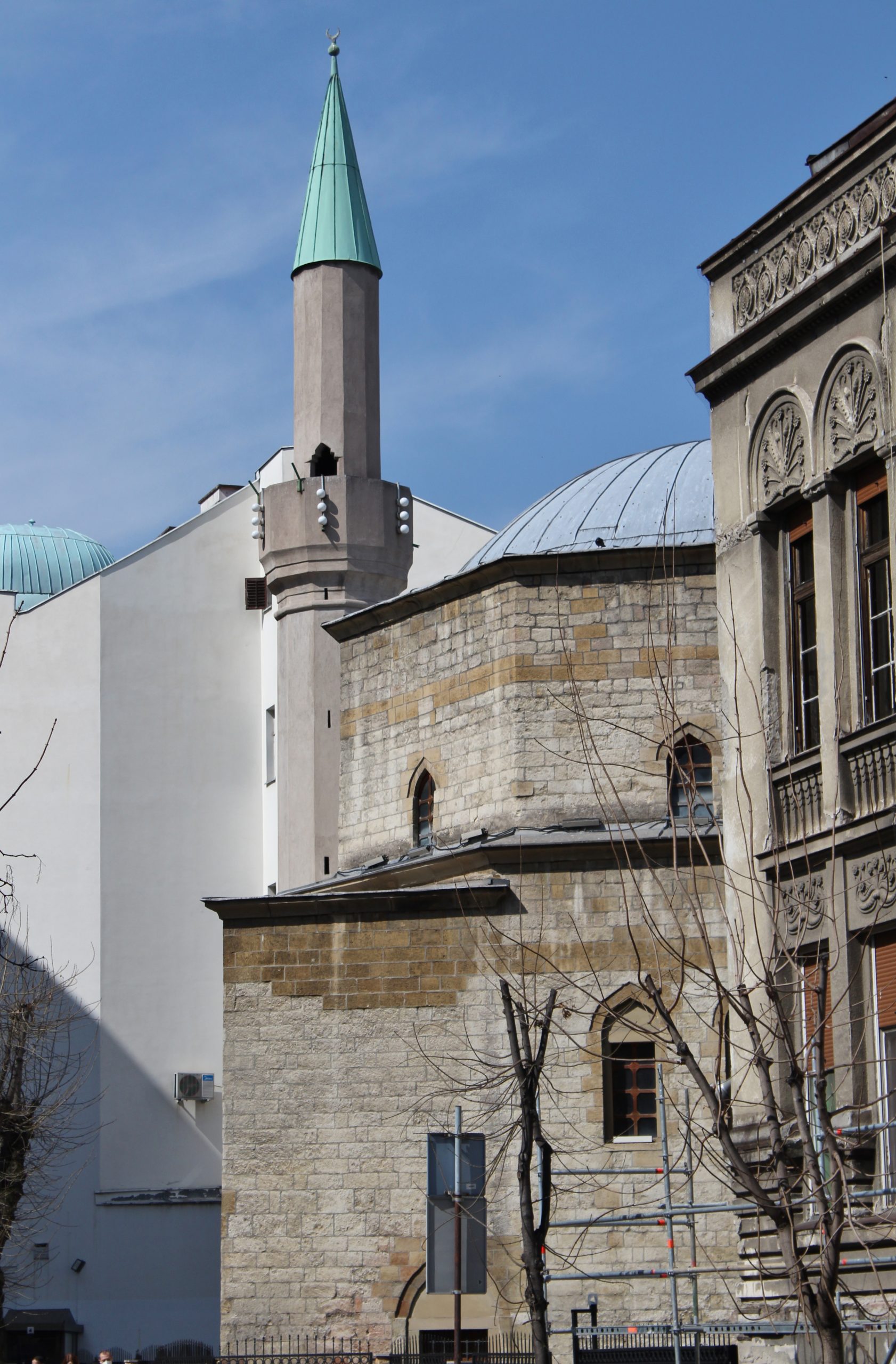
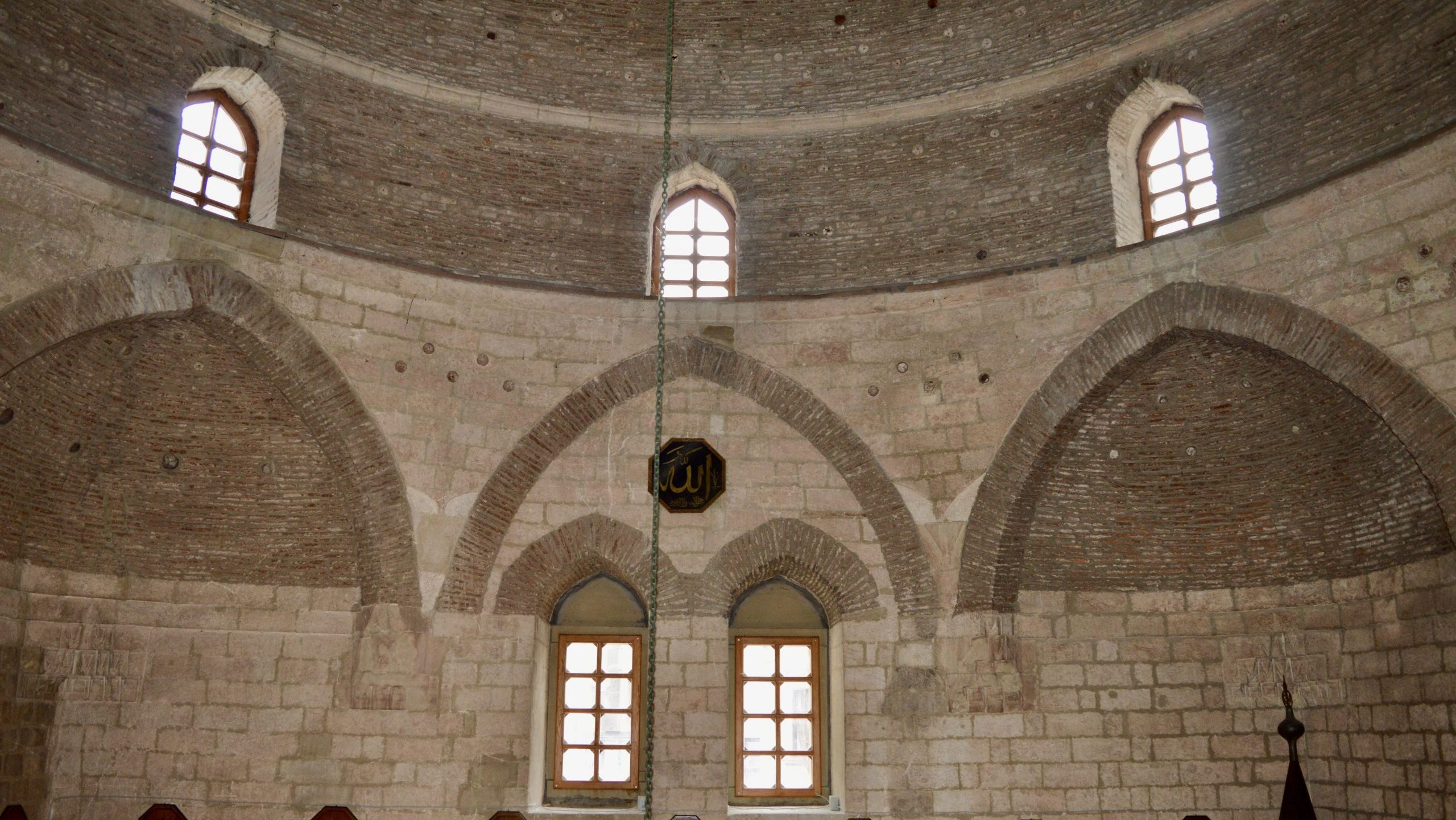
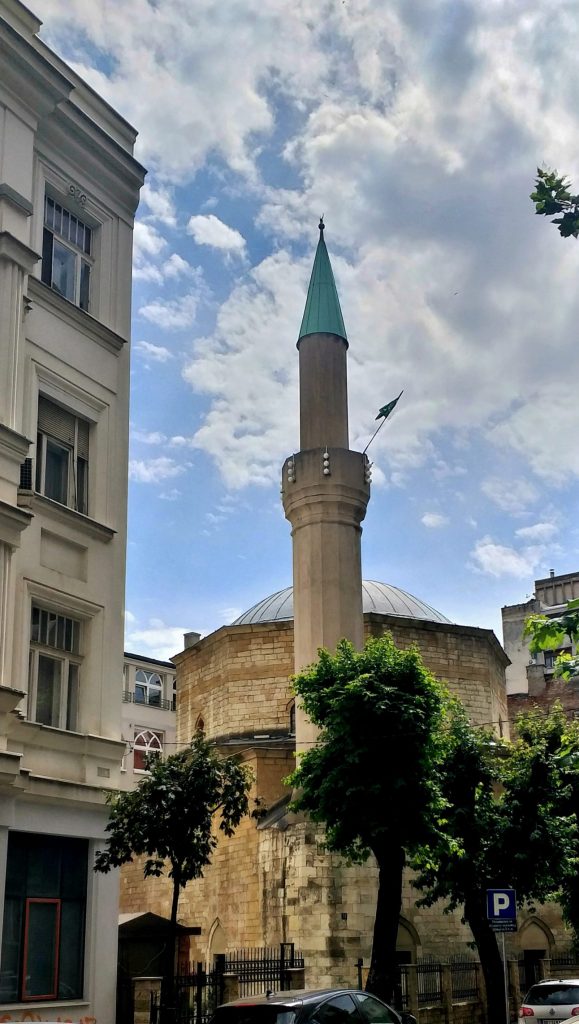
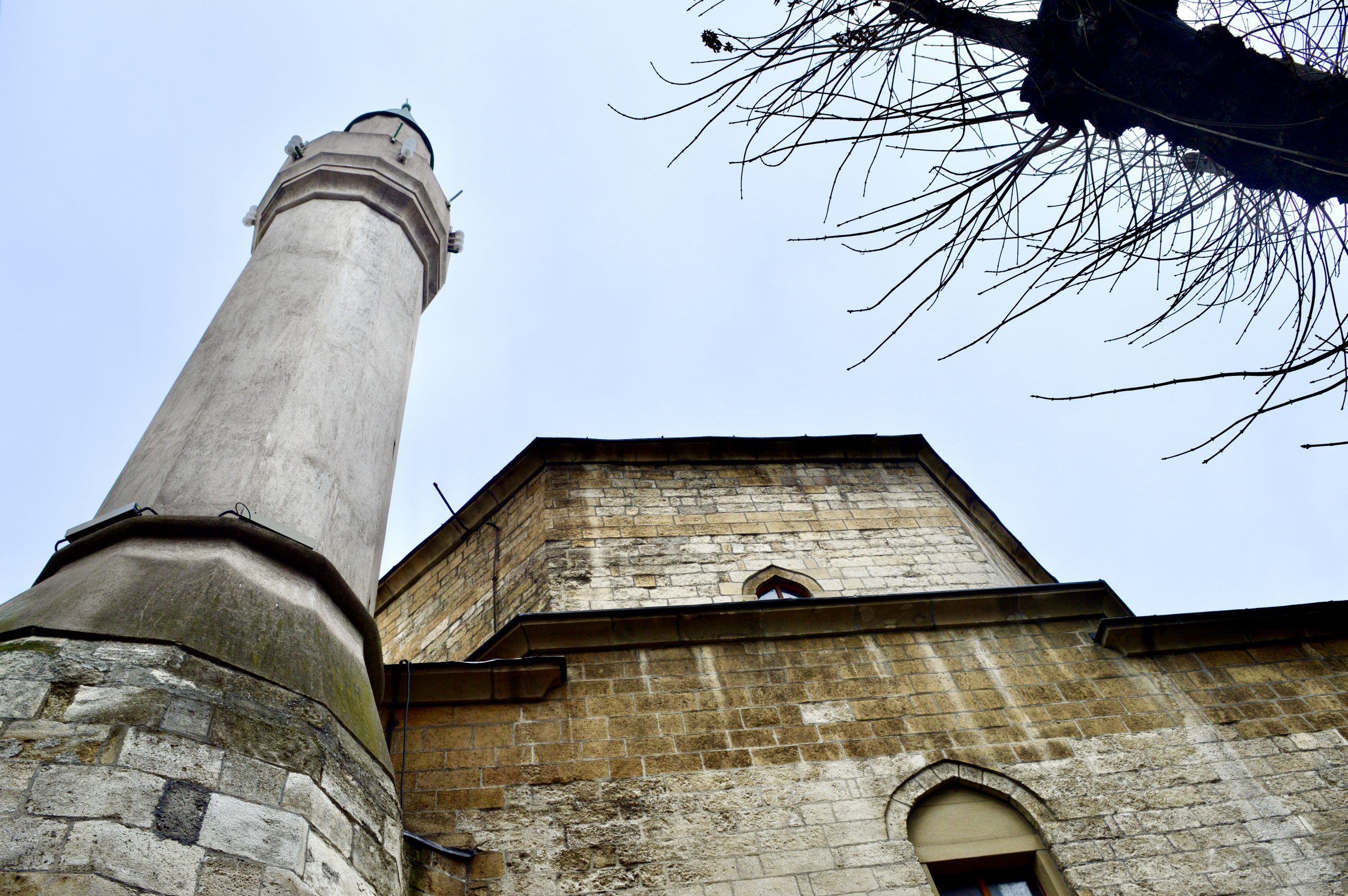
The architecture of the mosque follows the traditional Turkish style of single-space religious buildings, characterized by a central dome and a minaret. The structure is built with massive stone walls, with some sections made of brick. It has a square floor plan, and its octagonal dome is supported by Eastern-style sub-dome arches. All openings in the building are topped with distinctive oriental pointed arches.
On the exterior, along the northwestern side, stands the minaret—a slender tower with a conical roof and a circular balcony near the top, from which the muezzin calls the faithful to prayer.
INTERIOR
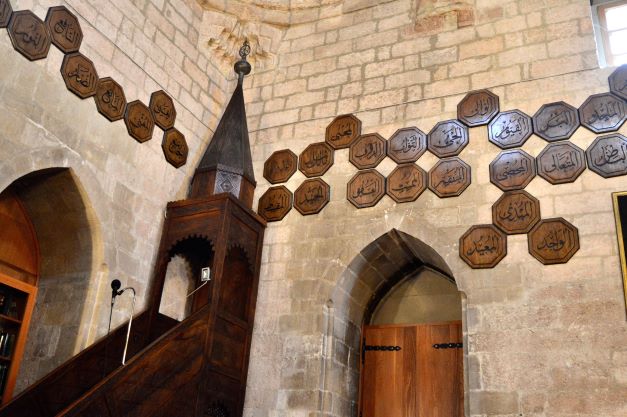
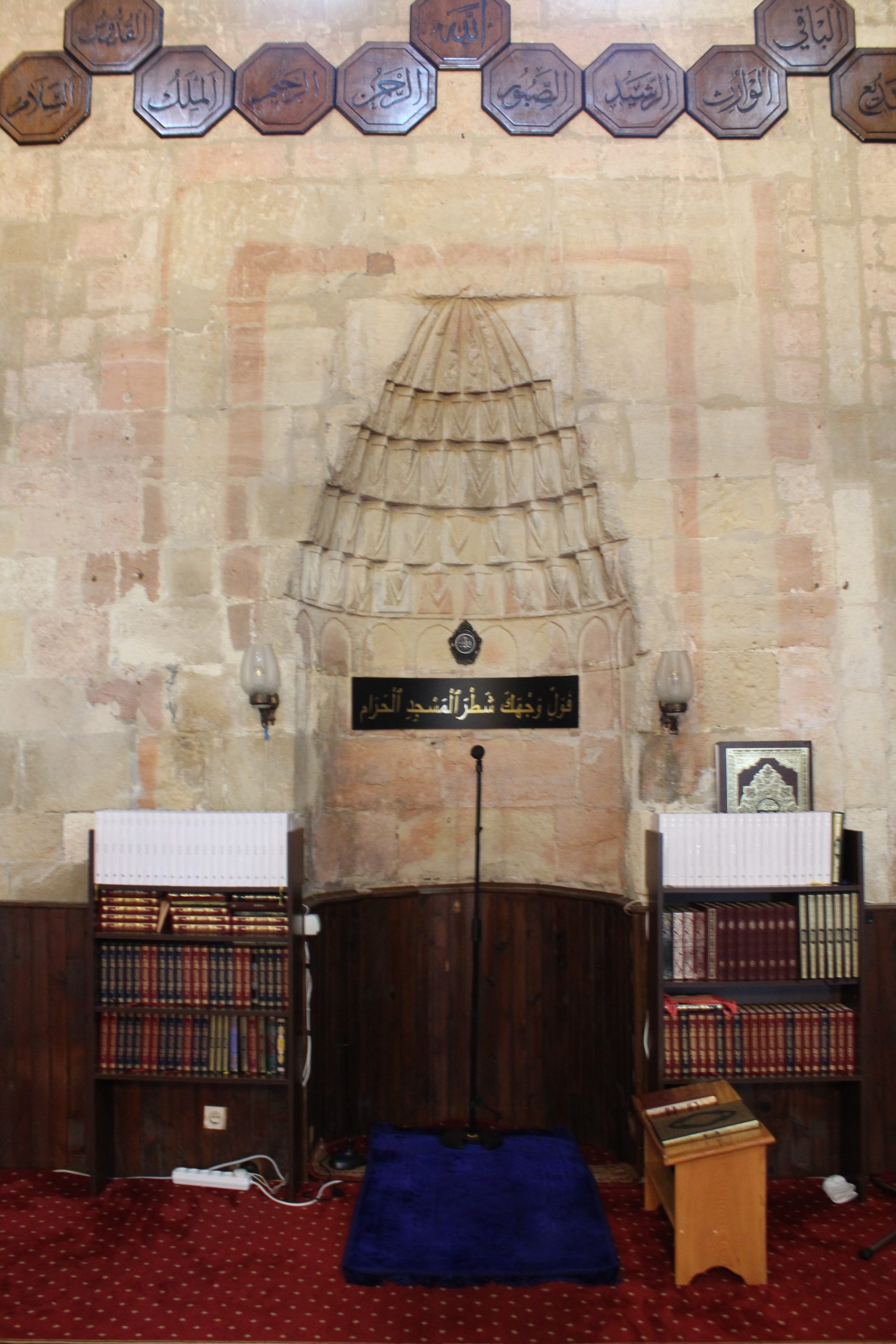
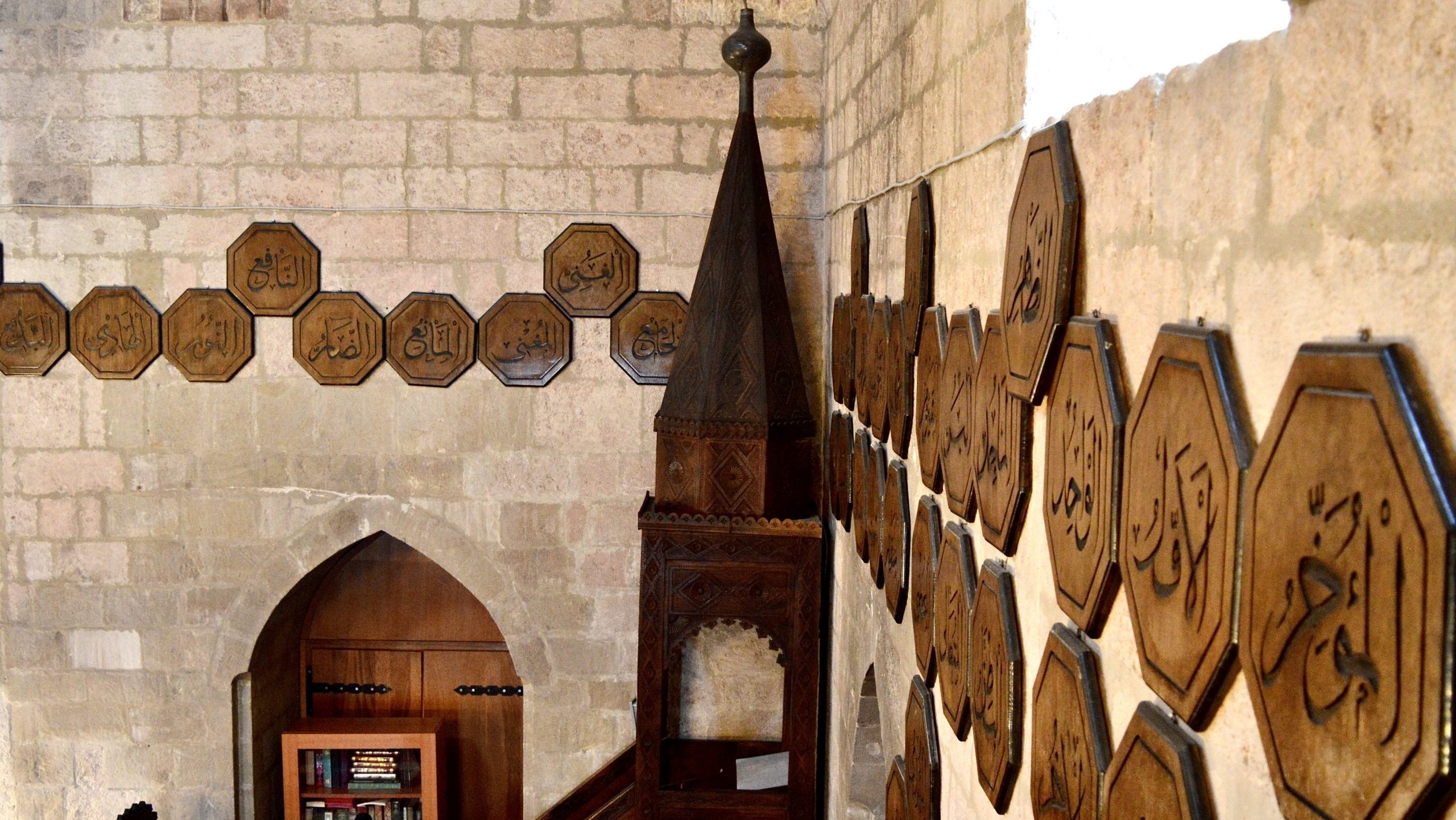
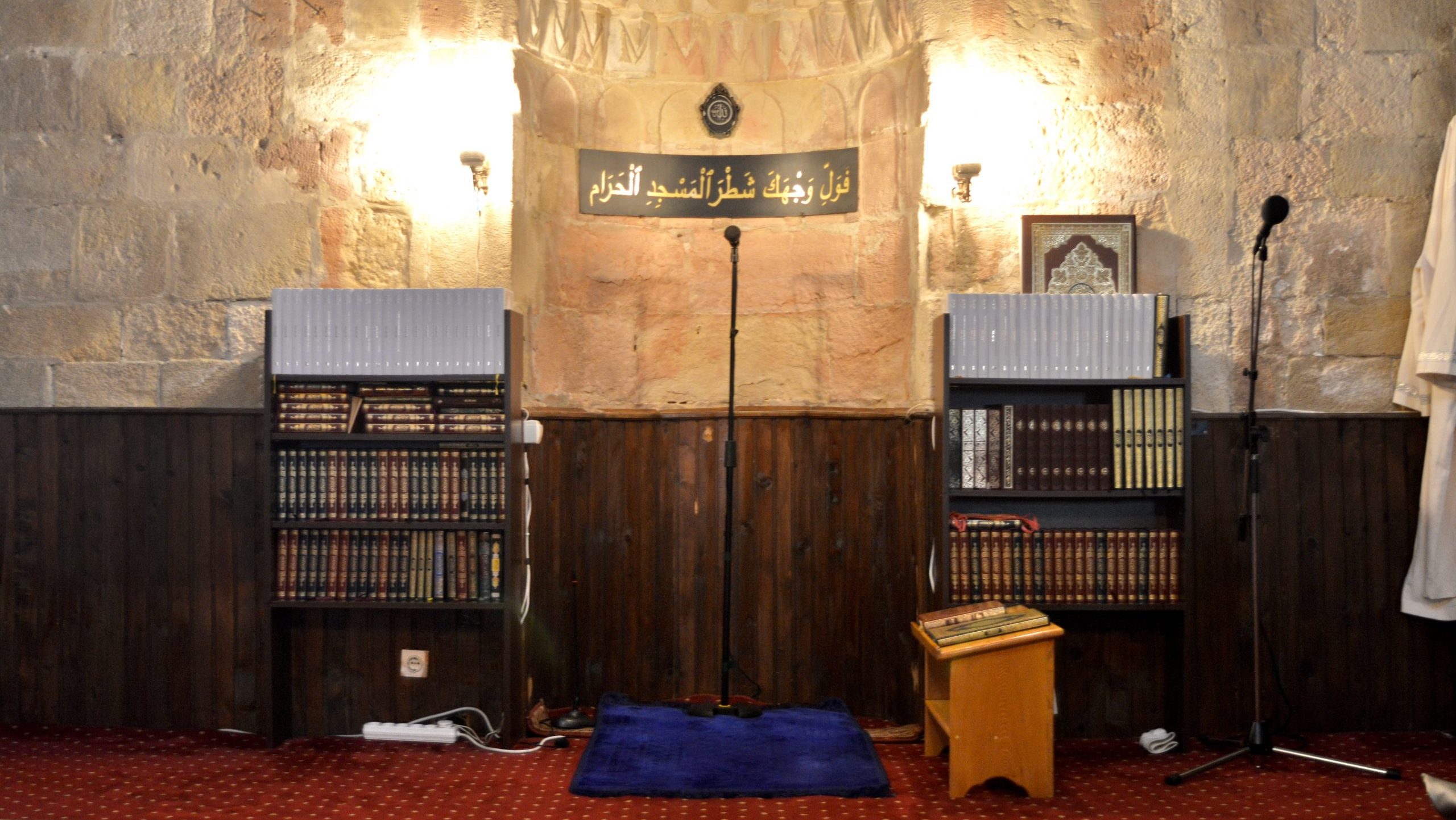
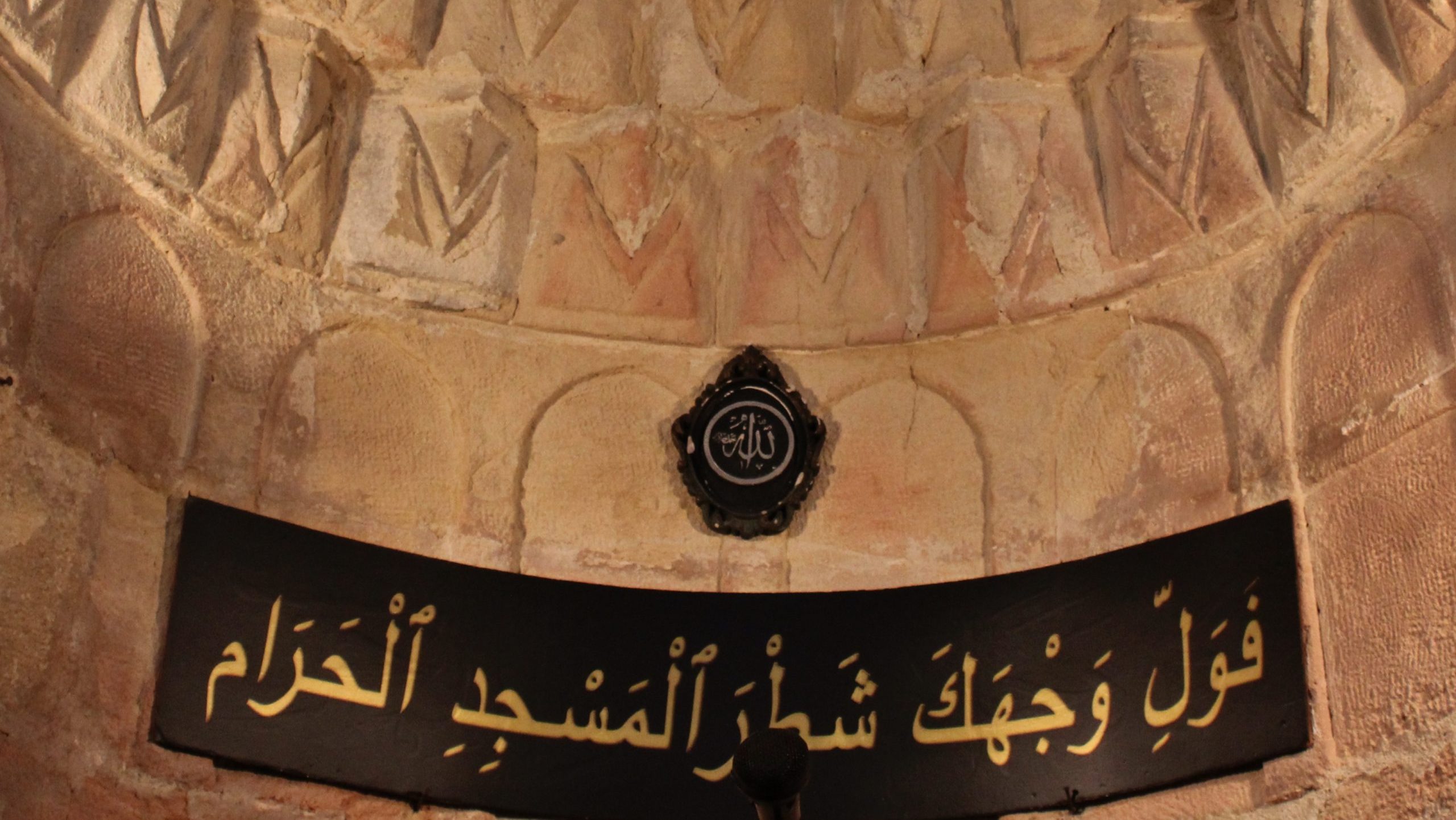
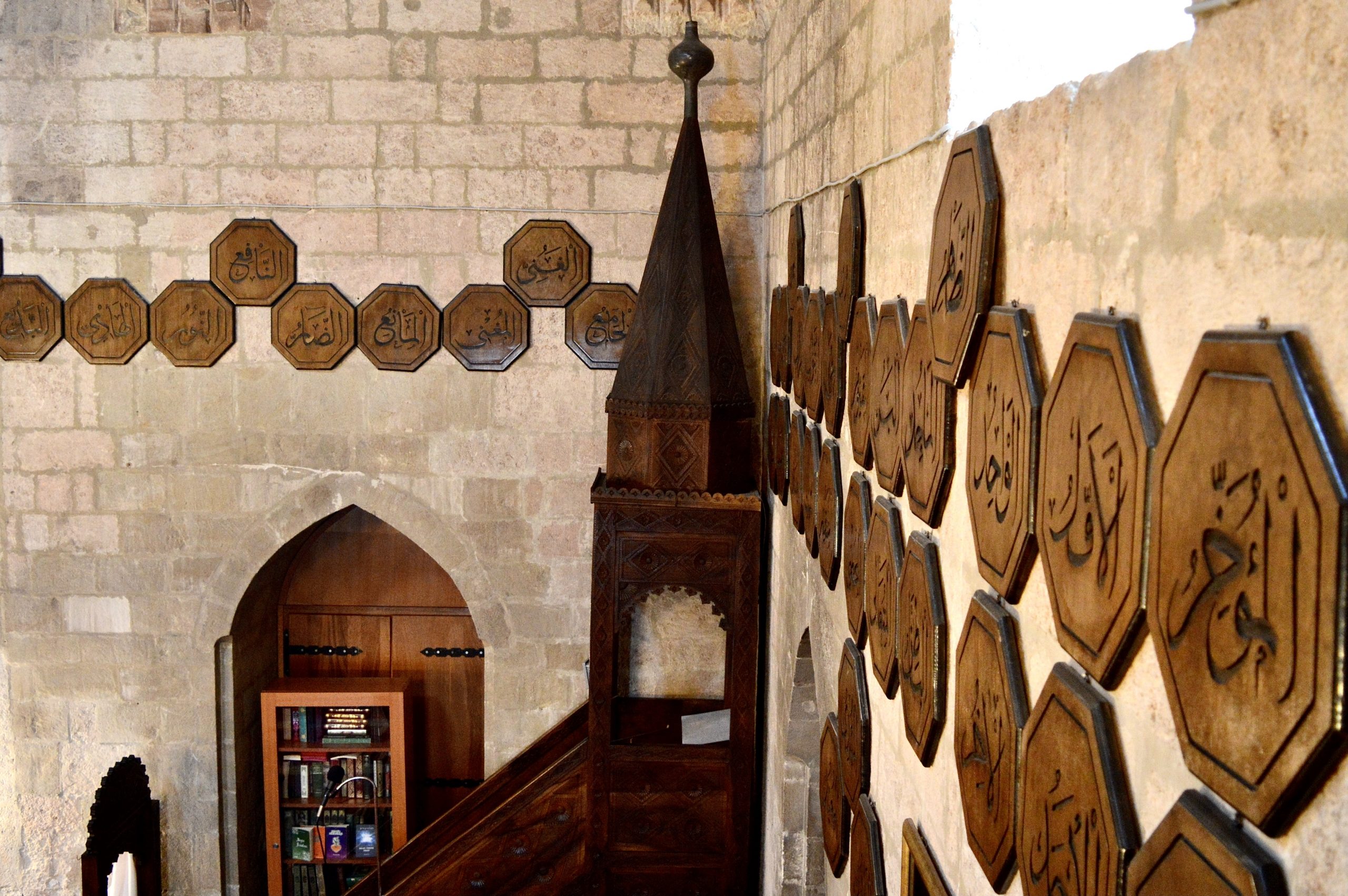
The interior decoration of the Bajrakli Mosque is modest. The walls are unplastered, featuring sparse stylized floral and geometric motifs, along with calligraphic inscriptions of verses from the Muslim holy book, the Qur’an, written in Arabic script. Opposite the entrance is a shallow niche known as the mihrab, oriented toward Mecca, where the imam stands during prayer. To the right of the mihrab, in the southwestern corner, stands an elevated wooden pulpit (minbar or mimbar), from which sermons are delivered.
Above the entrance is a wooden gallery called the mahfil, traditionally used by the muezzin or sometimes musicians during special services. In front of the mosque’s entrance once stood a vaulted arcade with three small domes, which has since been removed. The courtyard features a fountain used for ritual ablution, as well as a religious school (medresa) that includes a library.
Because of its importance as the only preserved Islamic religious structure in Belgrade, as well as its architectural and cultural significance, the Bajrakli Mosque was placed under state protection as a cultural monument in 1946. In 1979, it was officially declared a cultural property of great importance.
Pripremila : Katarina Malešević