Skip to content

BLOKOVI

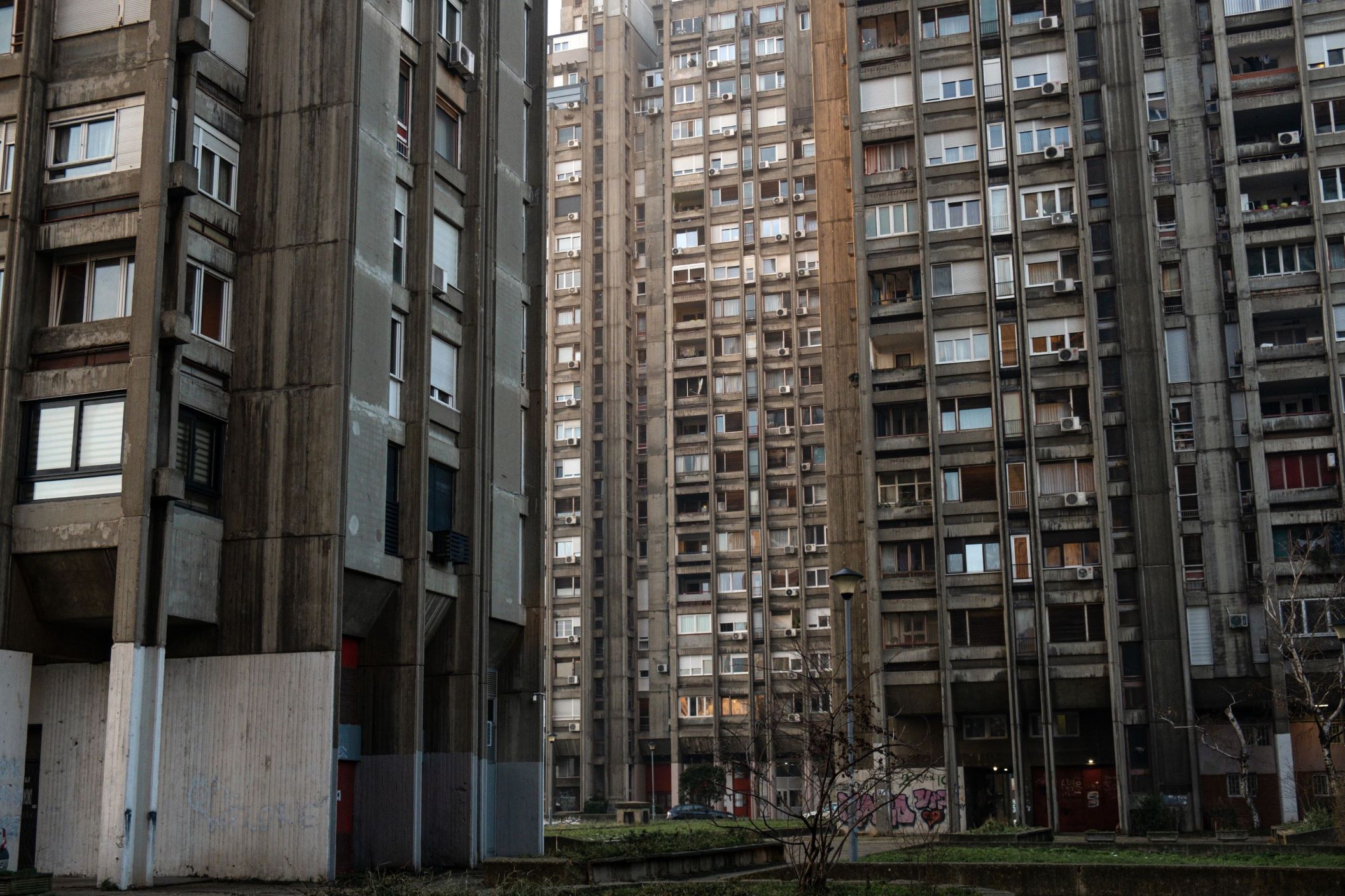
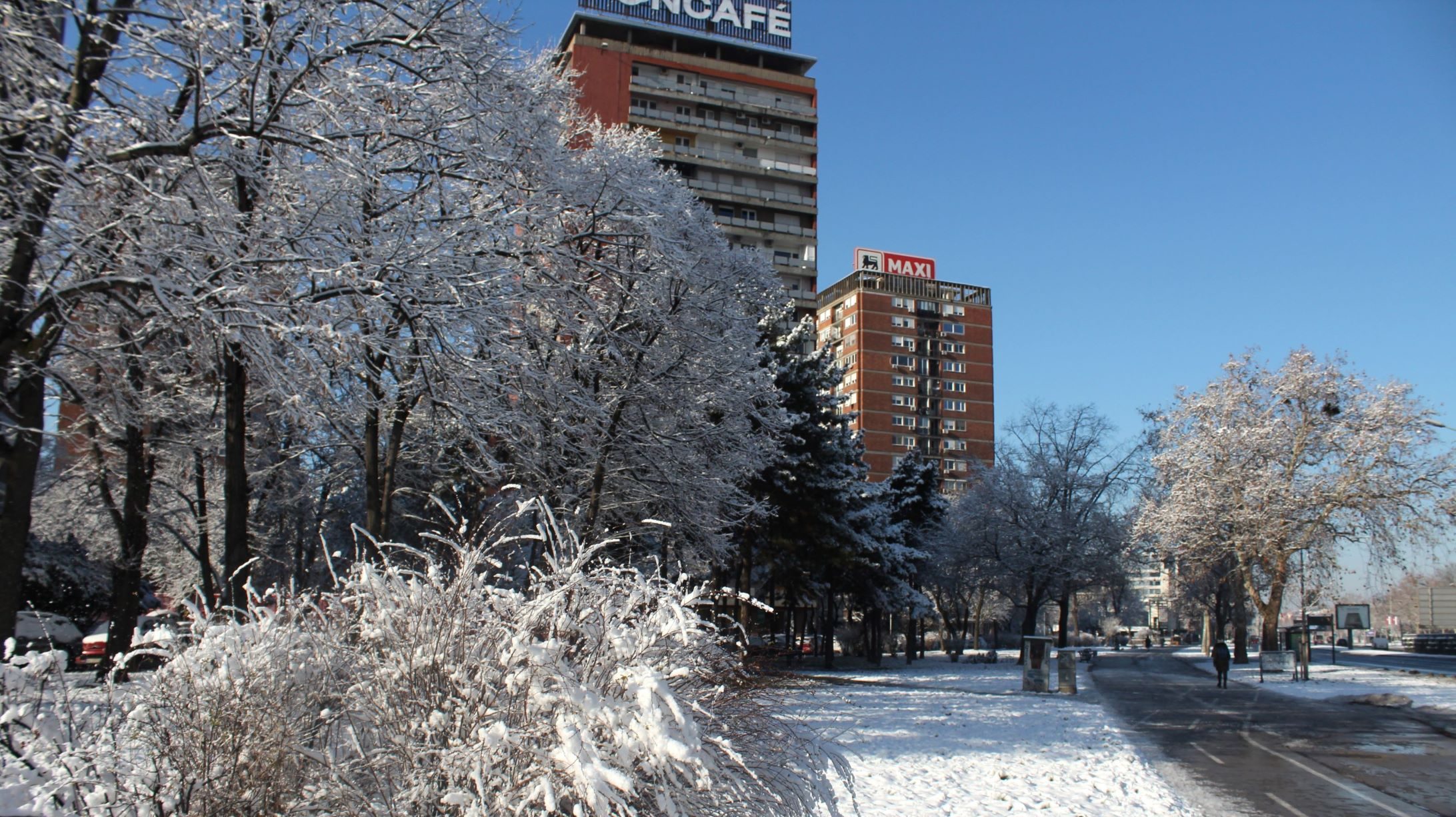
Post-war residential architecture across all European countries was focused on the construction of mass housing blocks. In both Western Europe and particularly in the Eastern Bloc countries and the USSR (where the construction of so-called Khrushchyovkas, multi-story buildings that were extremely impractical for living, began), complexes with a similar uniform appearance were built.

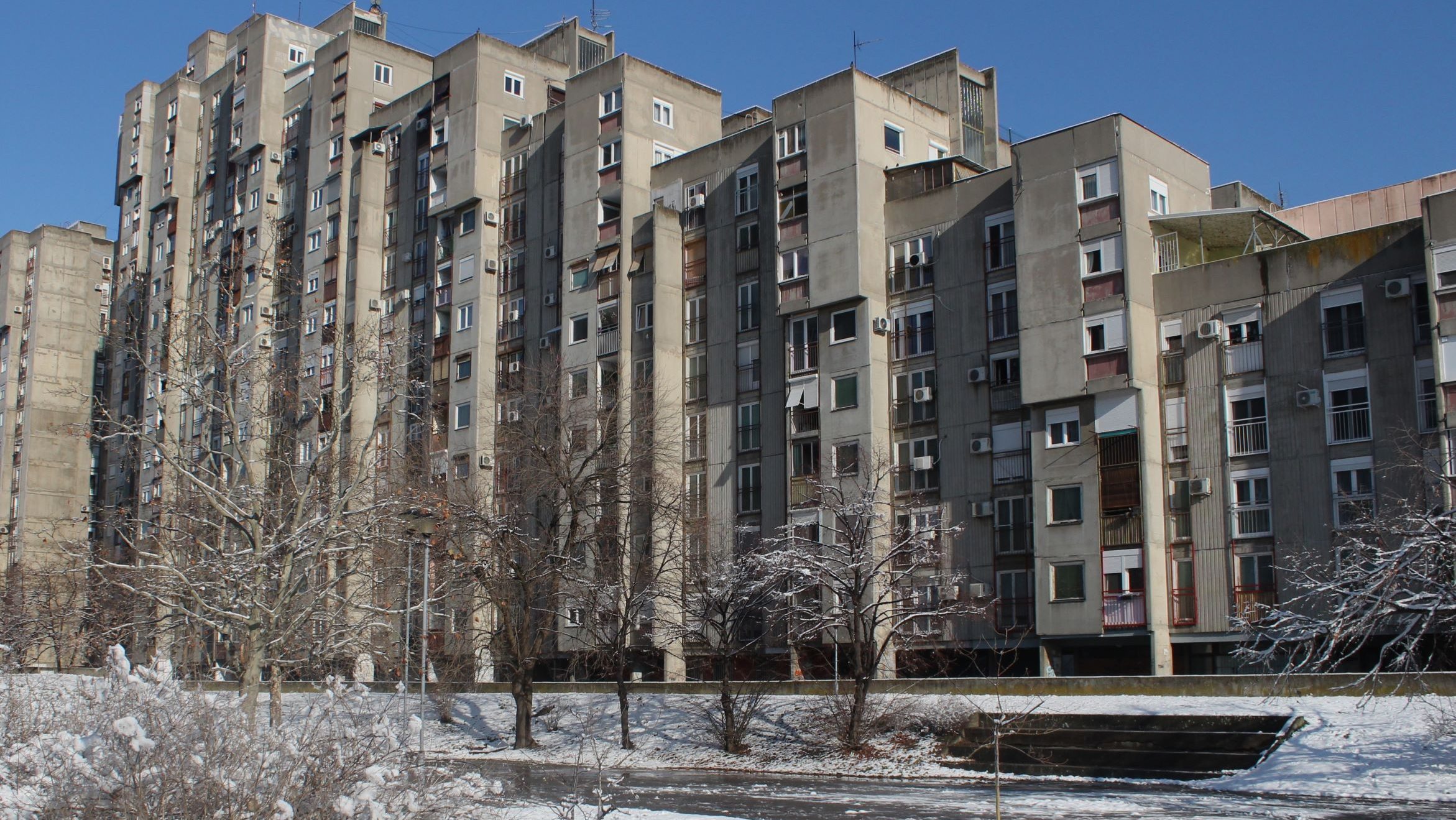
The first phase of New Belgrade’s construction (1947-1950) included the development of the Tošin Bunar neighborhood (Pavilions) and the Students’ City. These micro-regions, as they were called, were built with cheaper construction materials, and the apartment layouts were not particularly functional. The second phase (1959-1963) began with the construction of experimental Blocks 1 and 2 and the Fontana community, which included a cinema and accompanying amenities. In this phase, prefabricated (industrial) construction elements were first applied (structural solution IMS Žeželj), allowing for the rapid and efficient construction of high-rise buildings. The third phase of construction began with the adoption of the 1962 regulatory plan, which introduced two zones of New Belgrade – the Central and Southern zones – and marked the start of mass urbanization.

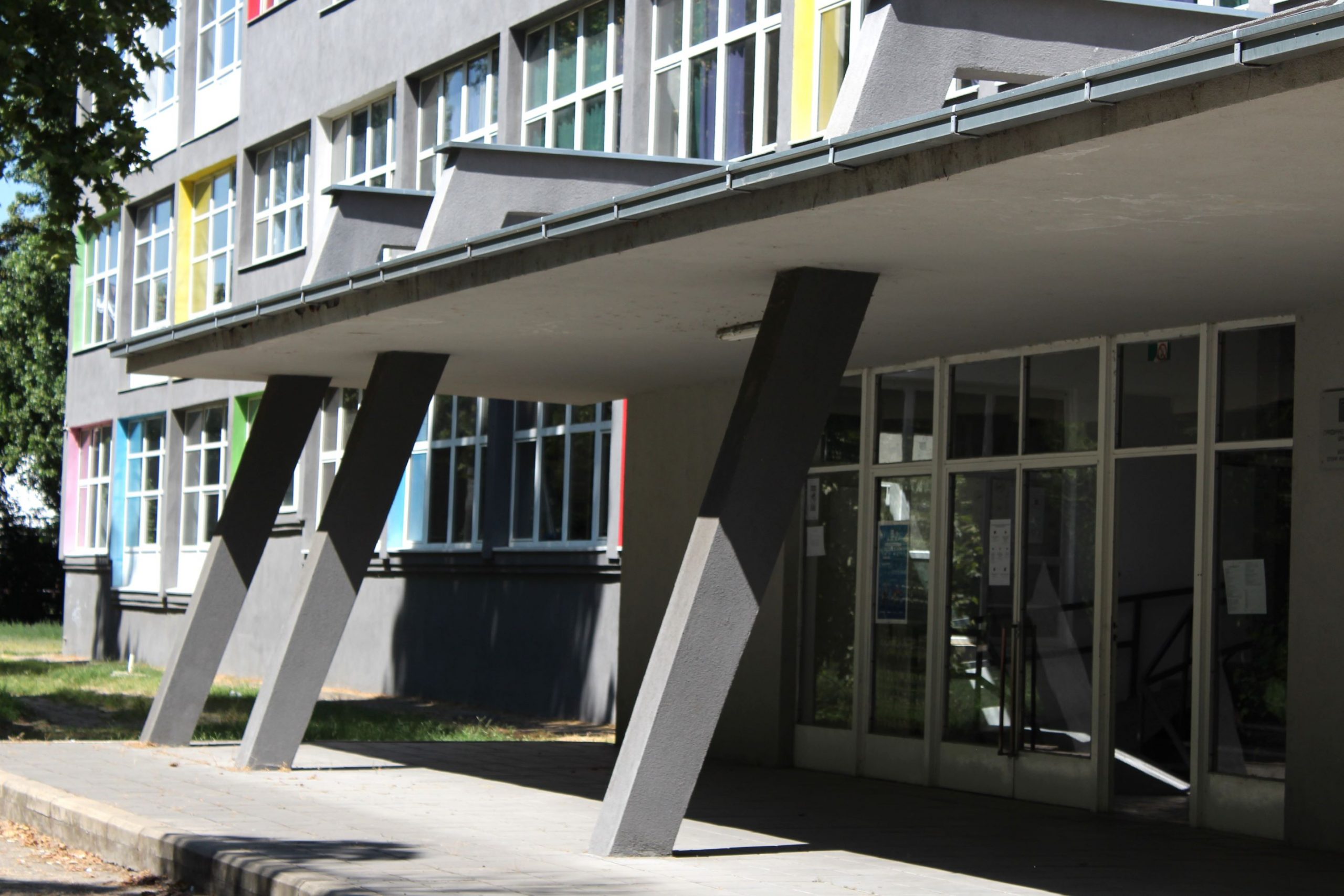
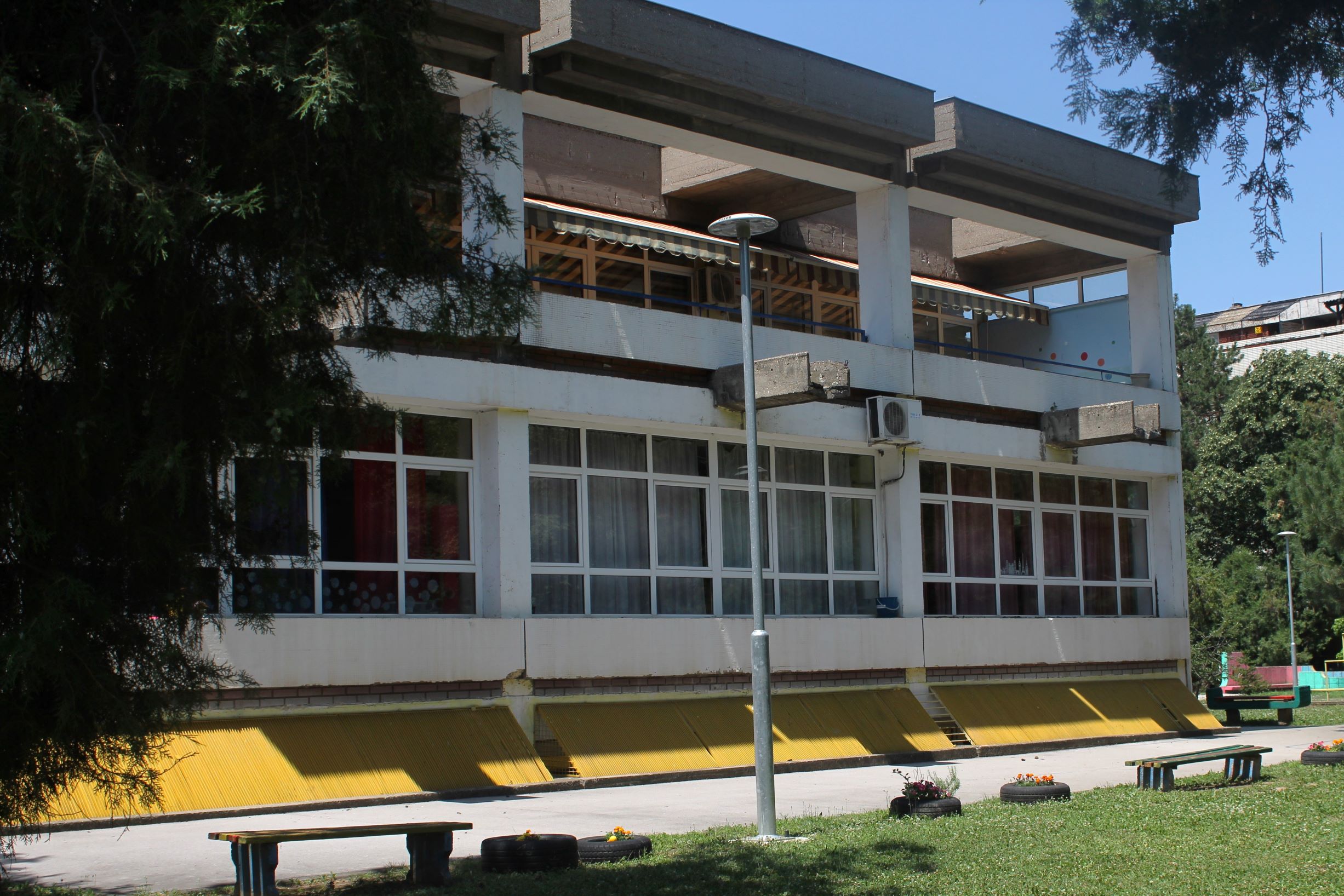
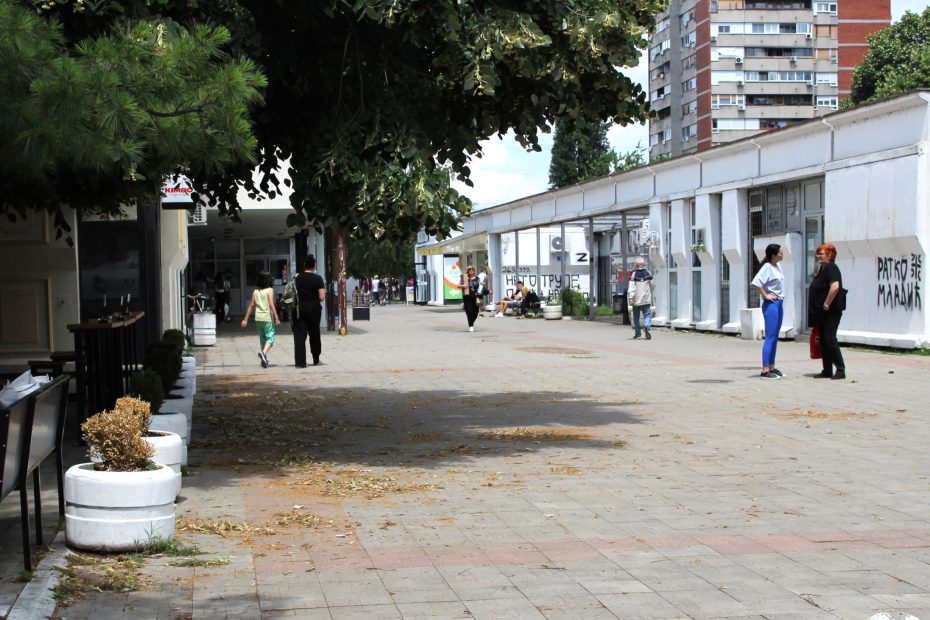
The mass construction led to the creation of large blocks with functional and financially accessible apartments. Each block was designed as a small neighborhood with essential facilities: healthcare, education, and commercial spaces. However, plans were often changed, and the needs of the population exceeded the (politically) imposed standards.


LIFE IN THE BLOCK

Life in the blocks had its advantages and disadvantages. In the SFRY, under the conditions of a controlled economy and limited human rights, the state promoted a new self-management socialist model of social life.

LOCAL COMMUNITIES

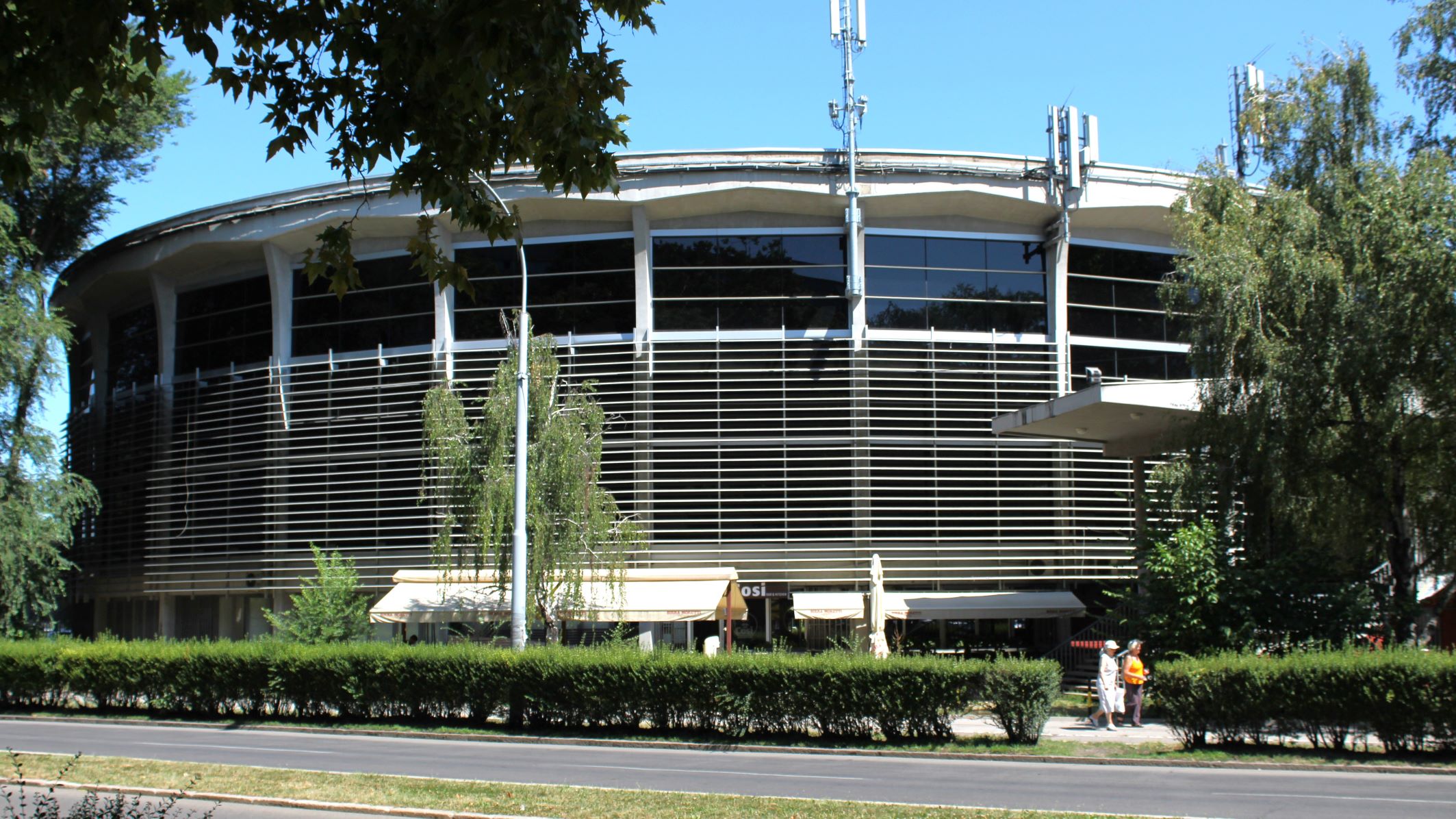
The socio-economic life in the blocks was organized through the functioning of local communities, which facilitated local social and political activities. In the late 1960s, building complexes were constructed to serve the needs of the residents, providing essential services and amenities for the local community.

CULTURE

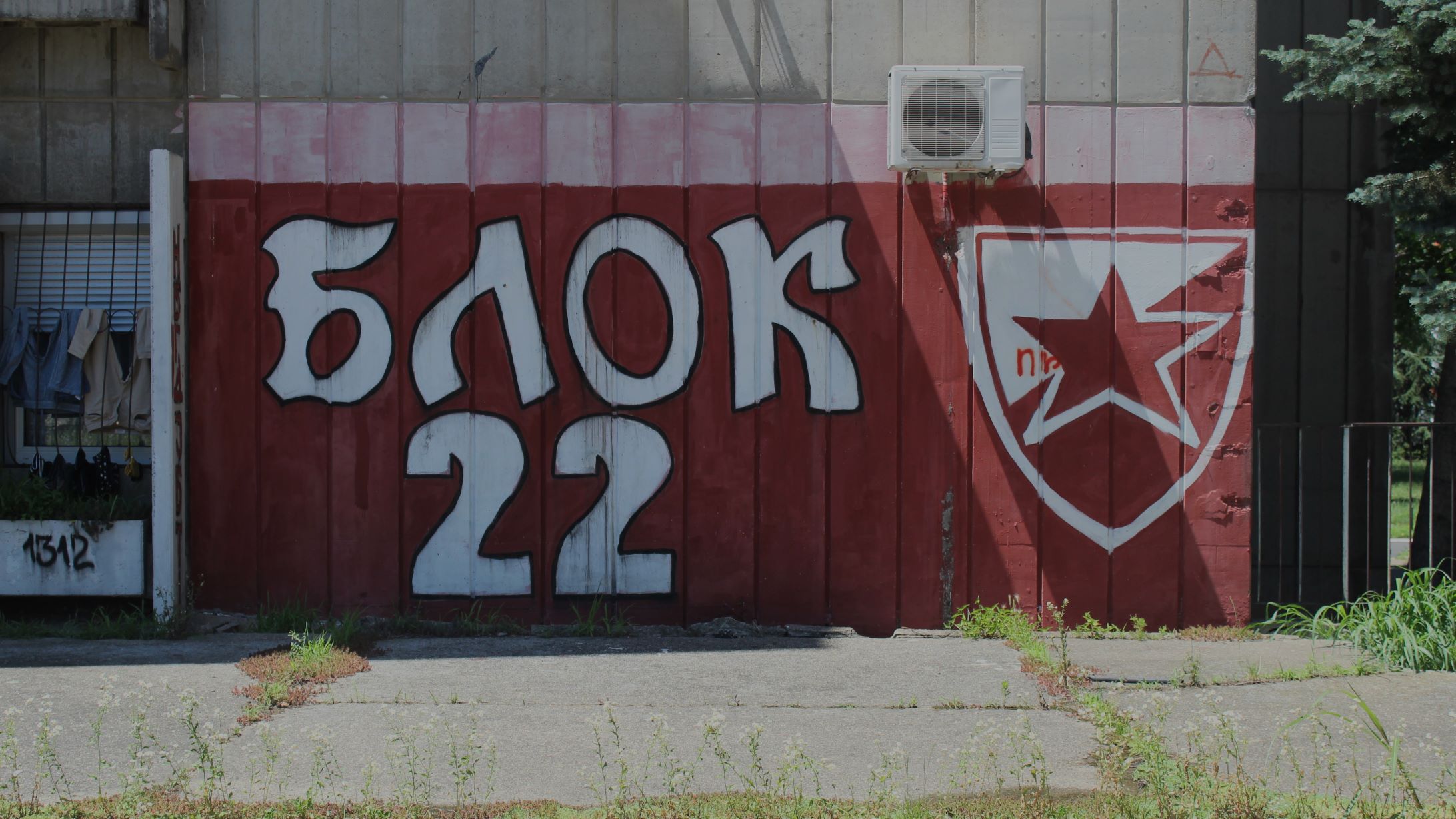
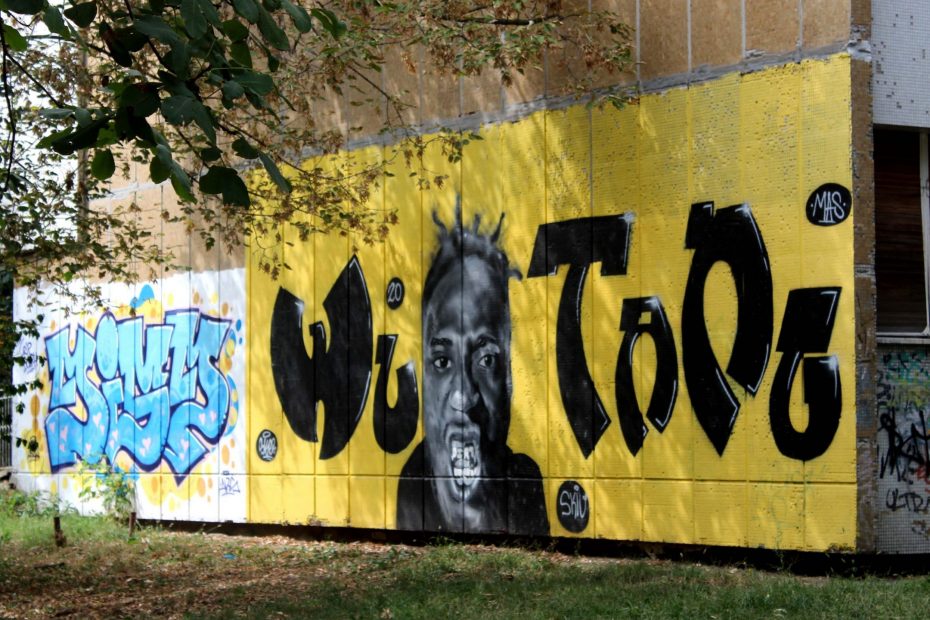
Over time, a kind of underground culture developed in the blocks, manifesting through the emergence of graffiti art, performances, and other alternative events.

BLOCK 1
BLOCK 2
BLOCK 3
BLOCK 4
BLOCK 5
BLOCK 7
BLOCK 8
BLOK 9
BLOK 11
BLOK 19a
BLOK 21
BLOK 22
BLOK 23
BLOK 24
BLOK 28
BLOK 29
BLOK 30
BLOK 33
BLOK 37
BLOK 38
BLOK 44
BLOK 45
BLOK 61-64
BLOK 70
BLOK 70a