Skip to content

PROTESTNI BEOGRAD

PROTEST BELGRADE

Belgrade has been a hub of civic activism for decades, where citizens have taken to the streets to voice their opposition to government policies.

From the Second World War to today, protests have reflected social tensions and often sparked key changes in society. From the student uprisings of the 1960s, through the mass demonstrations of the 1990s, to protests against electoral fraud and authoritarian regimes, civic activism has consistently made itself heard in the streets.

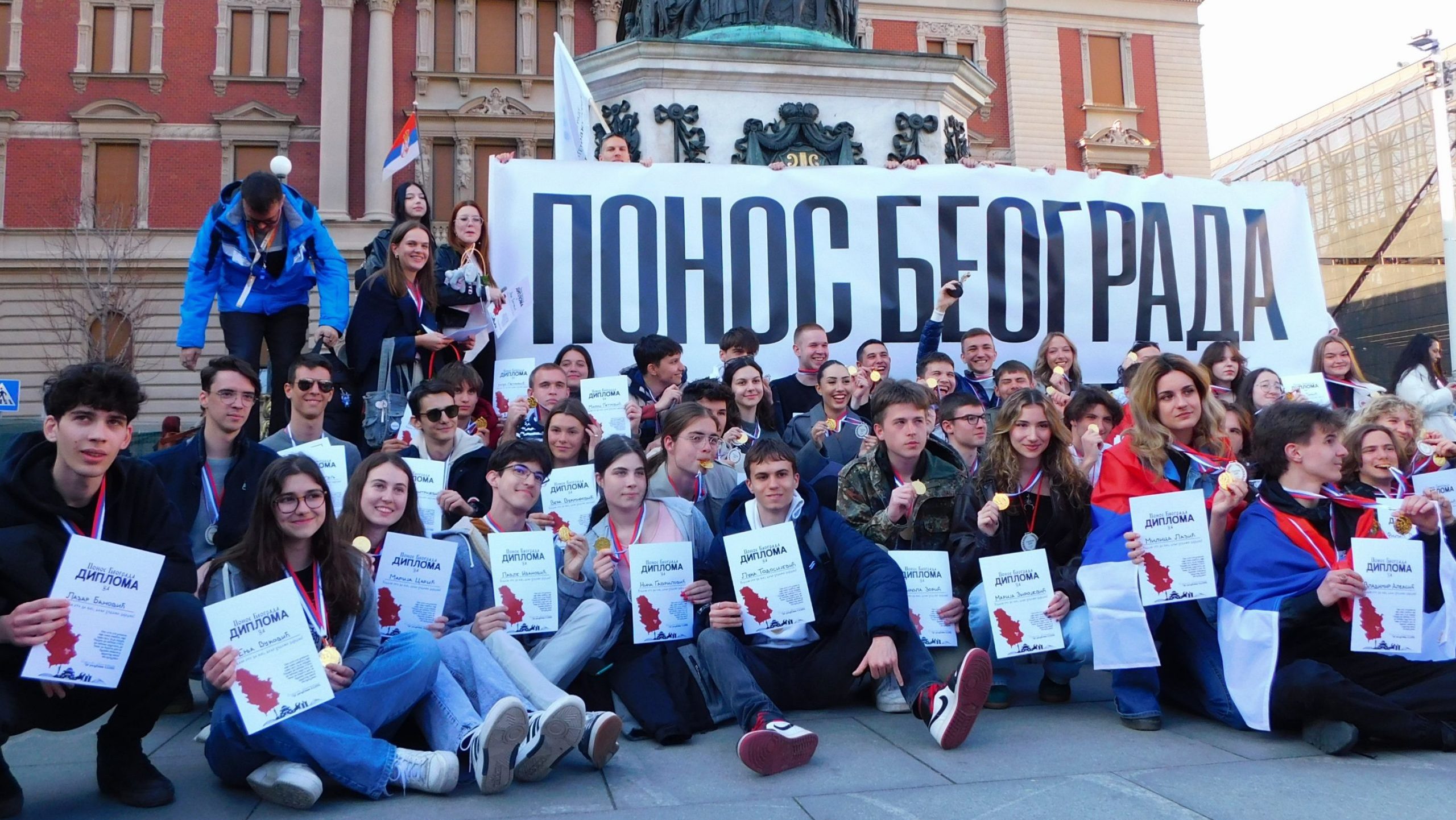
The student protests of 2024 continue this long tradition of civic resistance, once again showing that young people are often at the forefront of the fight for justice, freedom, and democratic values.

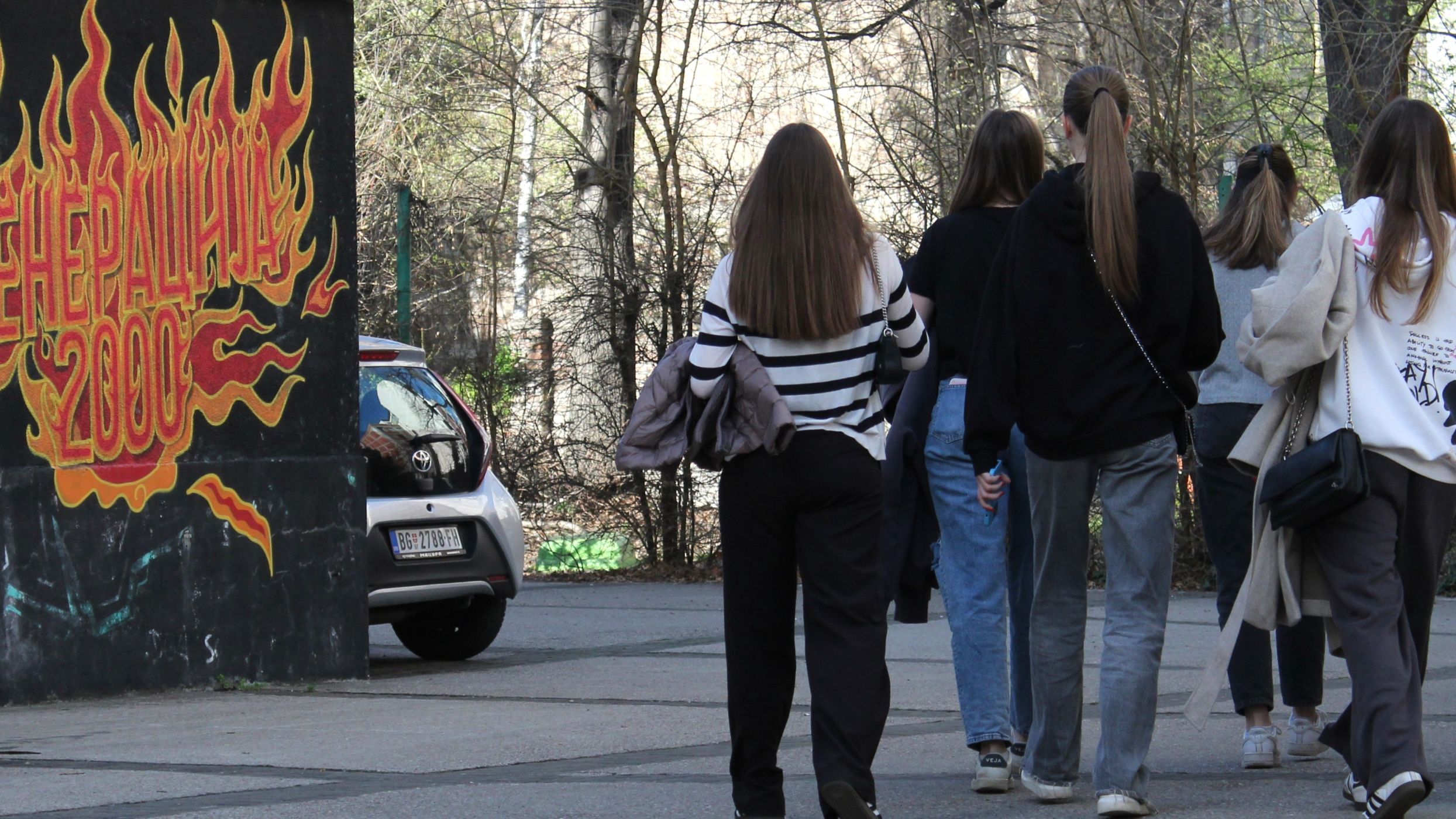
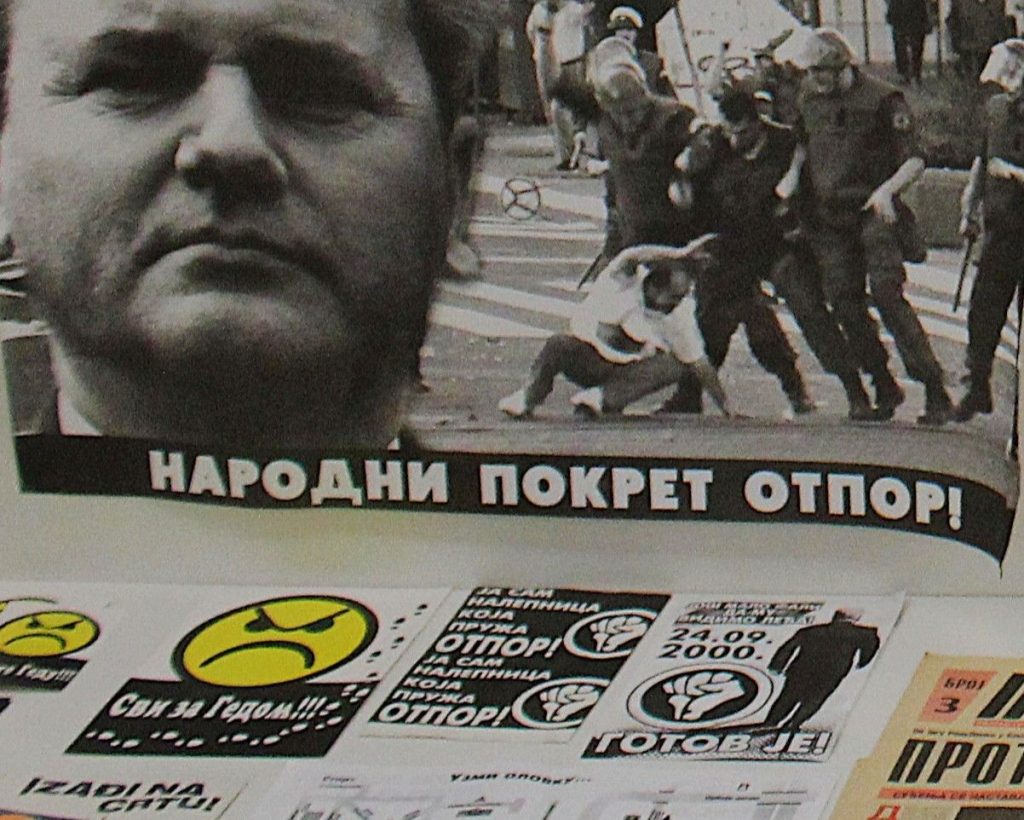
OCTOBER 5, 2000

The protests of October 5, 2000, in Belgrade marked the end of Slobodan Milošević’s regime. They followed the presidential elections, in which the opposition candidate Vojislav Koštunica won, though the results were initially disputed by the authorities.

The next day, on October 6, Slobodan Milošević officially acknowledged his defeat in the presidential elections, bringing an end to his rule and paving the way for a democratic government.

MARCH 9, 1991

On March 9, 1991, opposition parties organized demonstrations in Belgrade against the regime of Slobodan Milošević. The immediate trigger was a demand for the dismissal of the television director and the Minister of the Police.

At that time, the military leadership unconstitutionally deployed tanks on the streets, violently ending the demonstrations. On March 10, student protests began, lasting for the next four days.

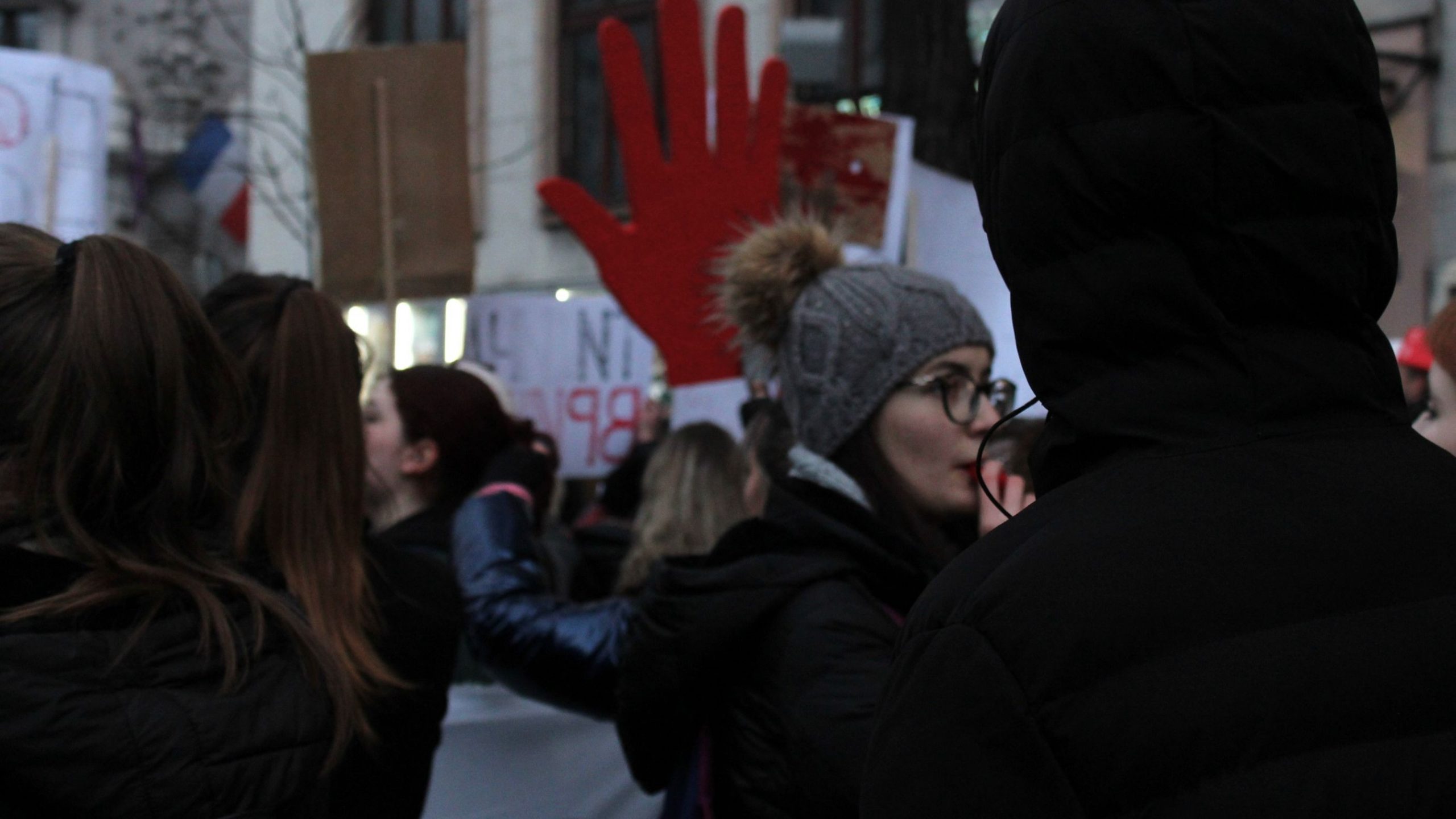
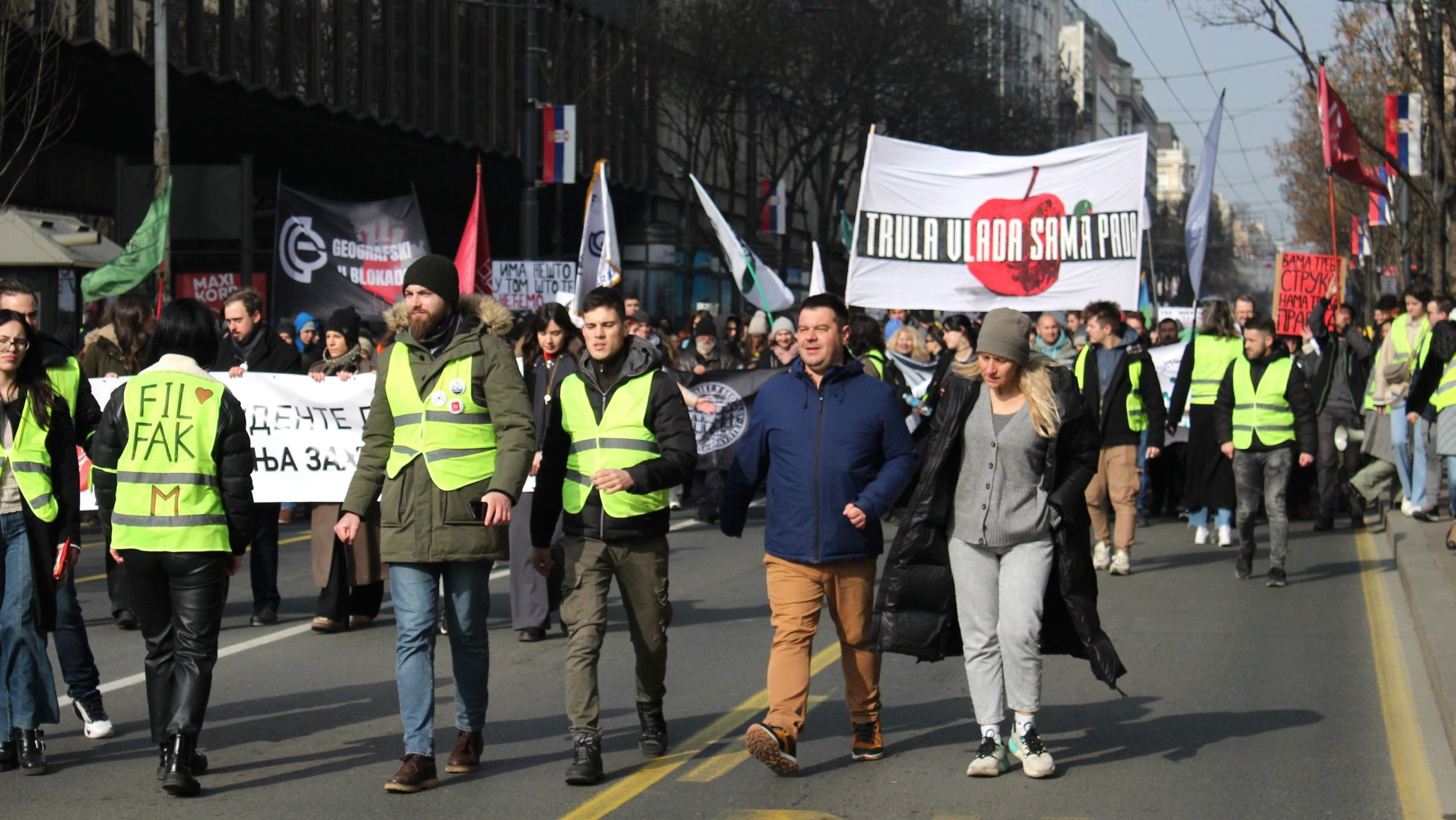
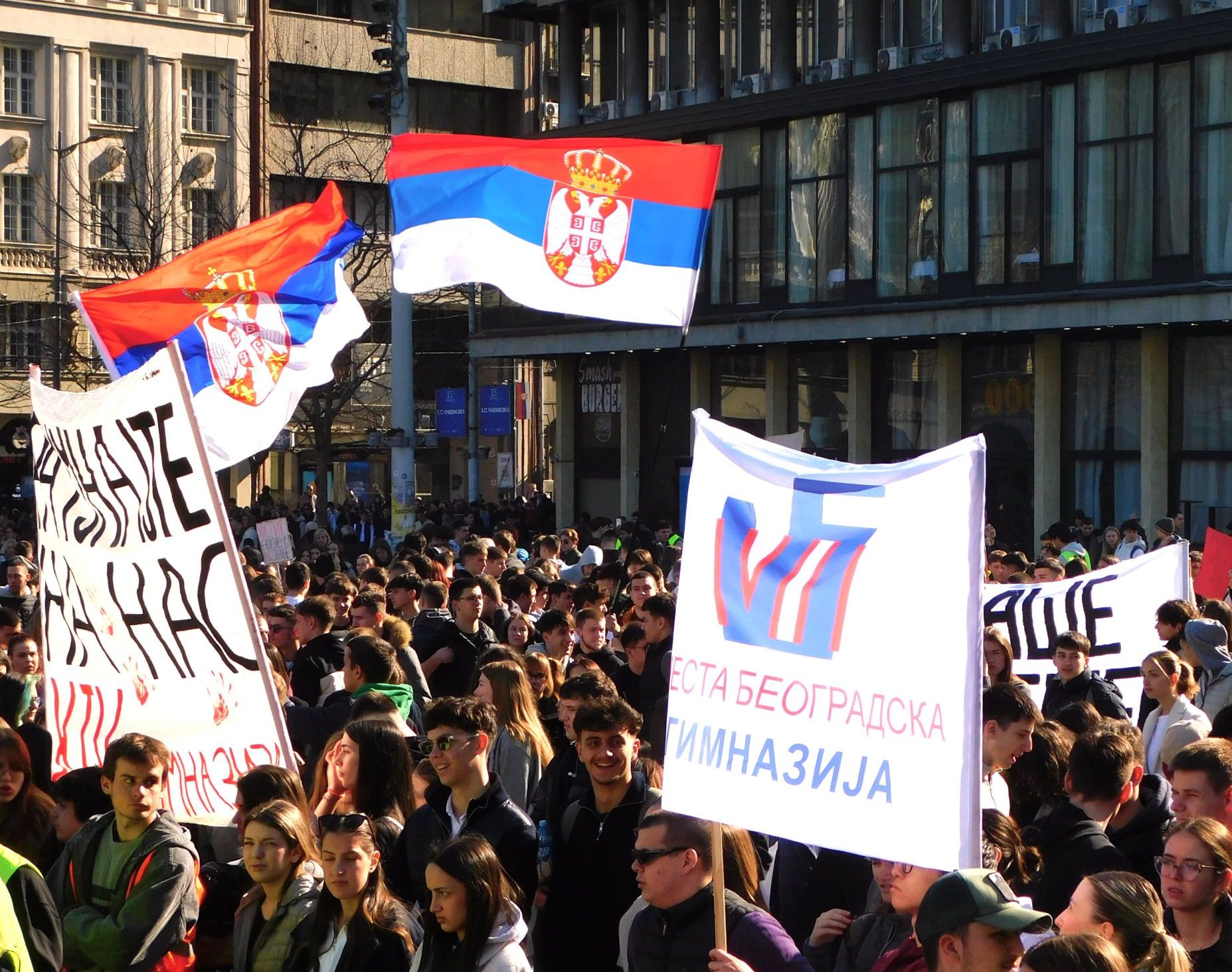
PROTESTS 2024/25

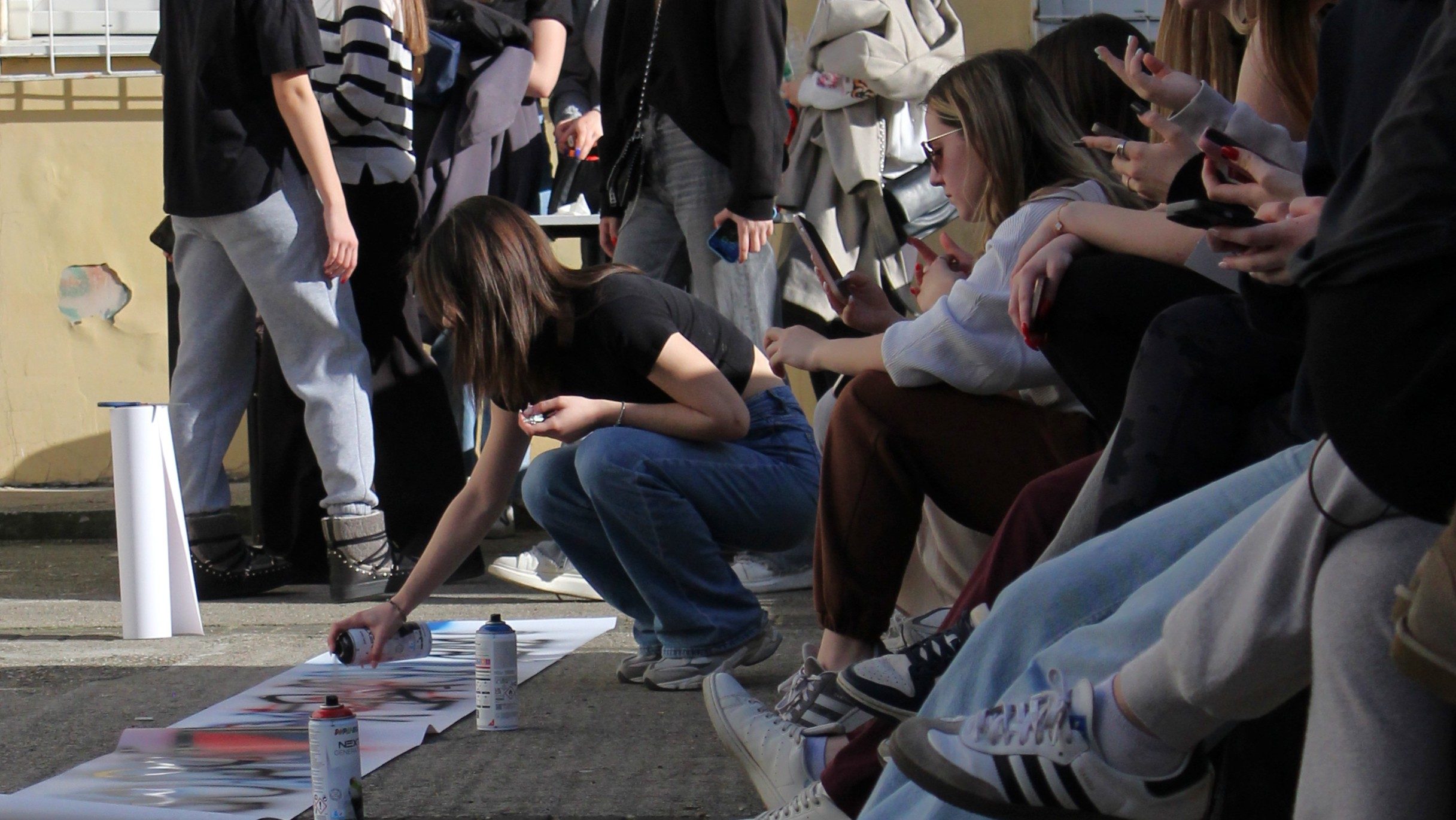
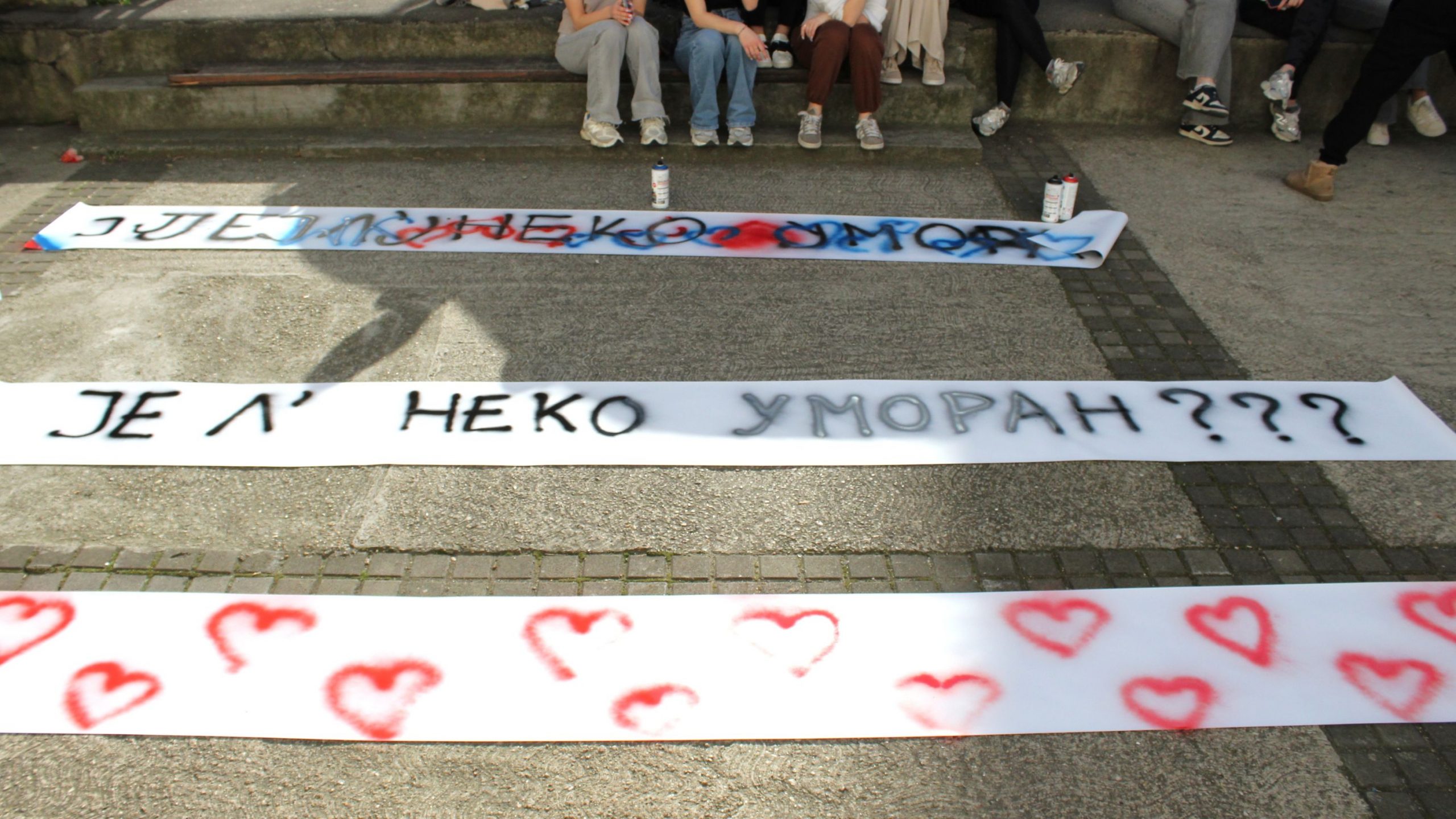
The wave of protests was initiated by students through faculty blockades, soon joined by high school students, teachers, and citizens. The immediate trigger for the blockades was a violent incident on November 22, 2024, when students and professors from the Faculty of Dramatic Arts in Belgrade gathered near the faculty to pay tribute to the victims of an accident in Novi Sad, where 16 people died after a canopy collapsed.

This incident, combined with the lack of response from the police and public prosecutor’s office, sparked strong reactions from the academic community and the wider public.

1968.
5. OKTOBAR 2000.
9. MART1991.
PROTESTI 2024/25
PROTESTI 1992.
PROTESTI 96/97