THE HISTORY
After a competition was announced in 1976, construction of the block began in 1978 and was fully completed in 1981. The urban plan for the block was developed by architects Vesna Matičević and Dragoljub Manojlović. The building designs were created by architects Milan Lojanica, Borivoje Jovanović, Predrag Cagić, Radisav Marić, and Radmila Lojanica.
They had to ensure that the block, compressed between the highway and the railway and located just 500 meters from the Sava River, would become an attractive and comfortable living space.

Eight residential buildings were constructed, housing approximately 3,500 residents. According to the plan, an elementary school, a kindergarten, a local community center, and a garage were to be built, but these projects were never realized.
The local community to which the block belonged was called Neretva, and Local Community Day was celebrated on March 6, marking its founding in 1982.
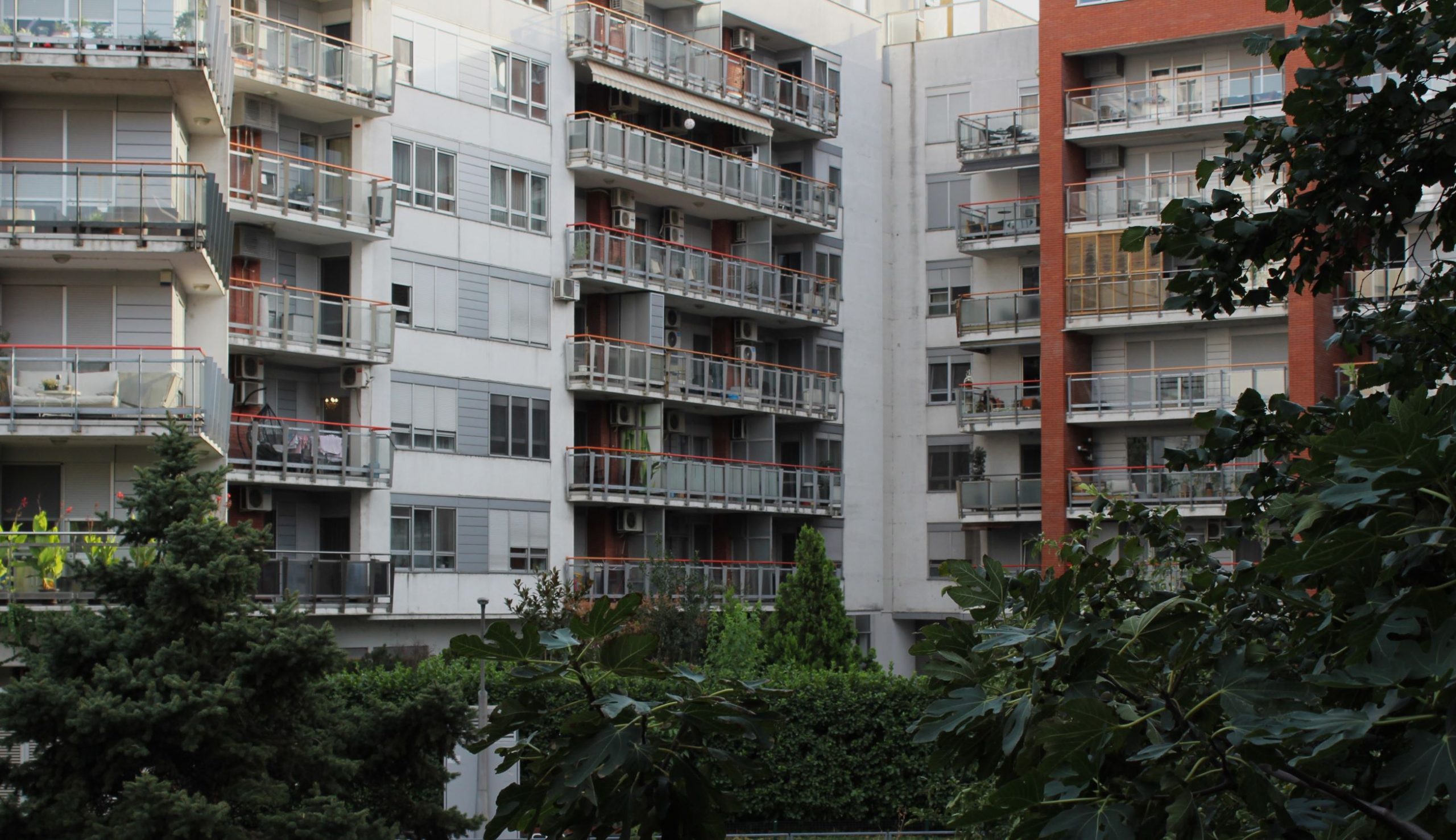
During the 1990s and 2000s, residential and commercial buildings were constructed in the southern part of the block, and one of the buildings now houses the Australian Embassy.
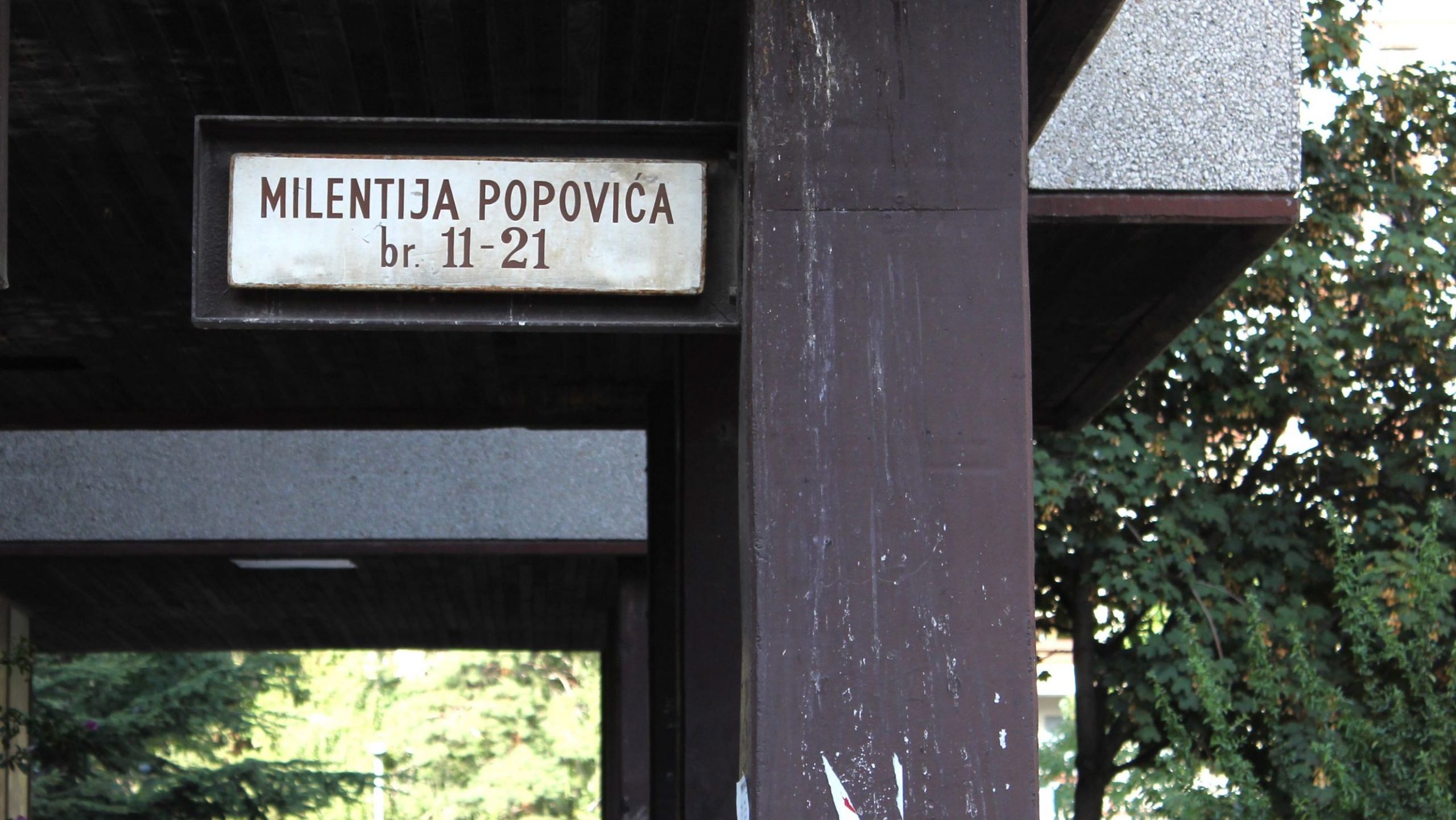
The non-governmental organization “Moj lepi grad” became involved in protecting this block and, in 2011, developed a spatial concept for the development of part of the green area within the block, called the “Eco Oasis of Block 19a.” If adopted, the plan would provide landscaped park areas and greenery in the open space between Vladimira Popovića and Milentija Popovića Streets.
THE DESIGN
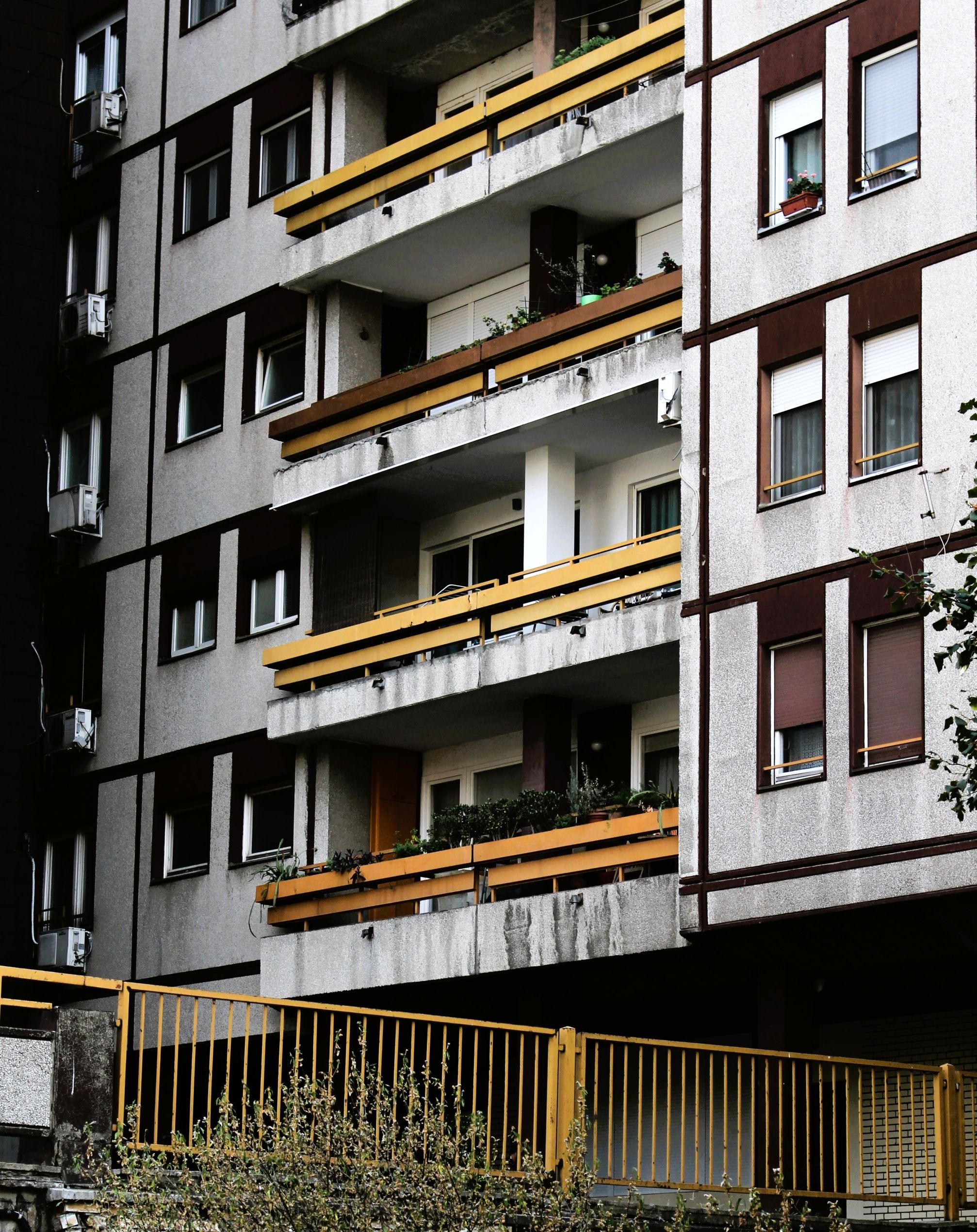
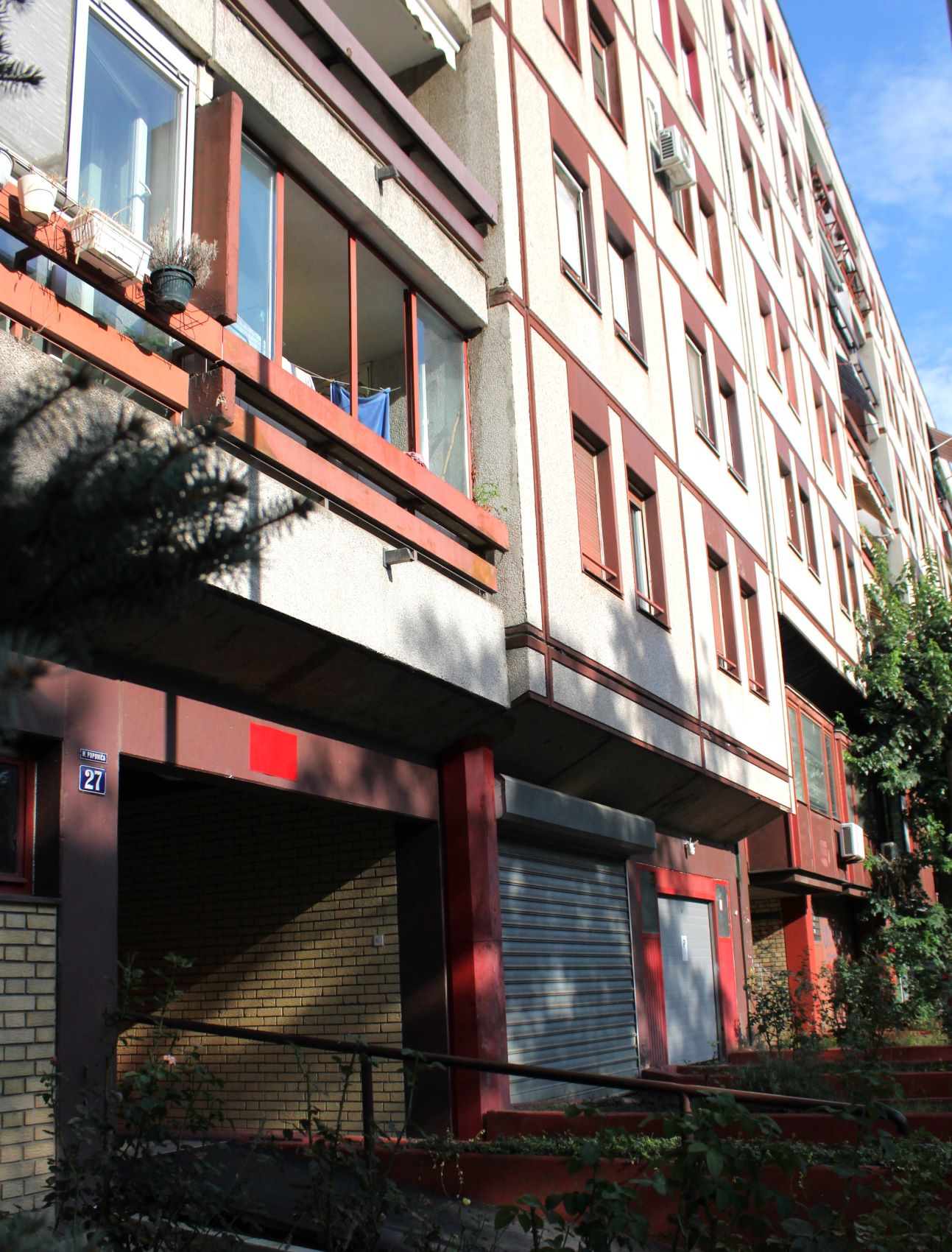
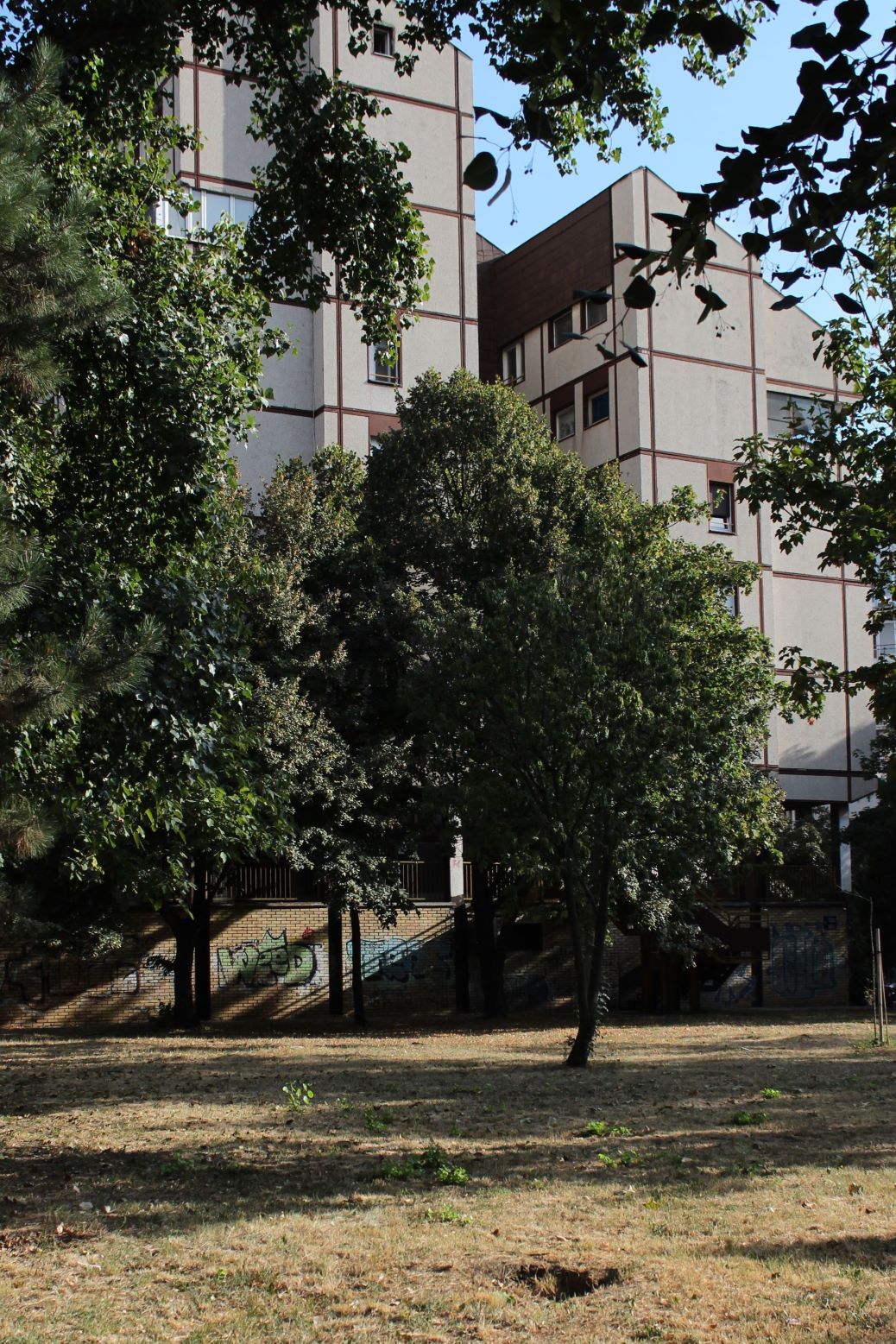
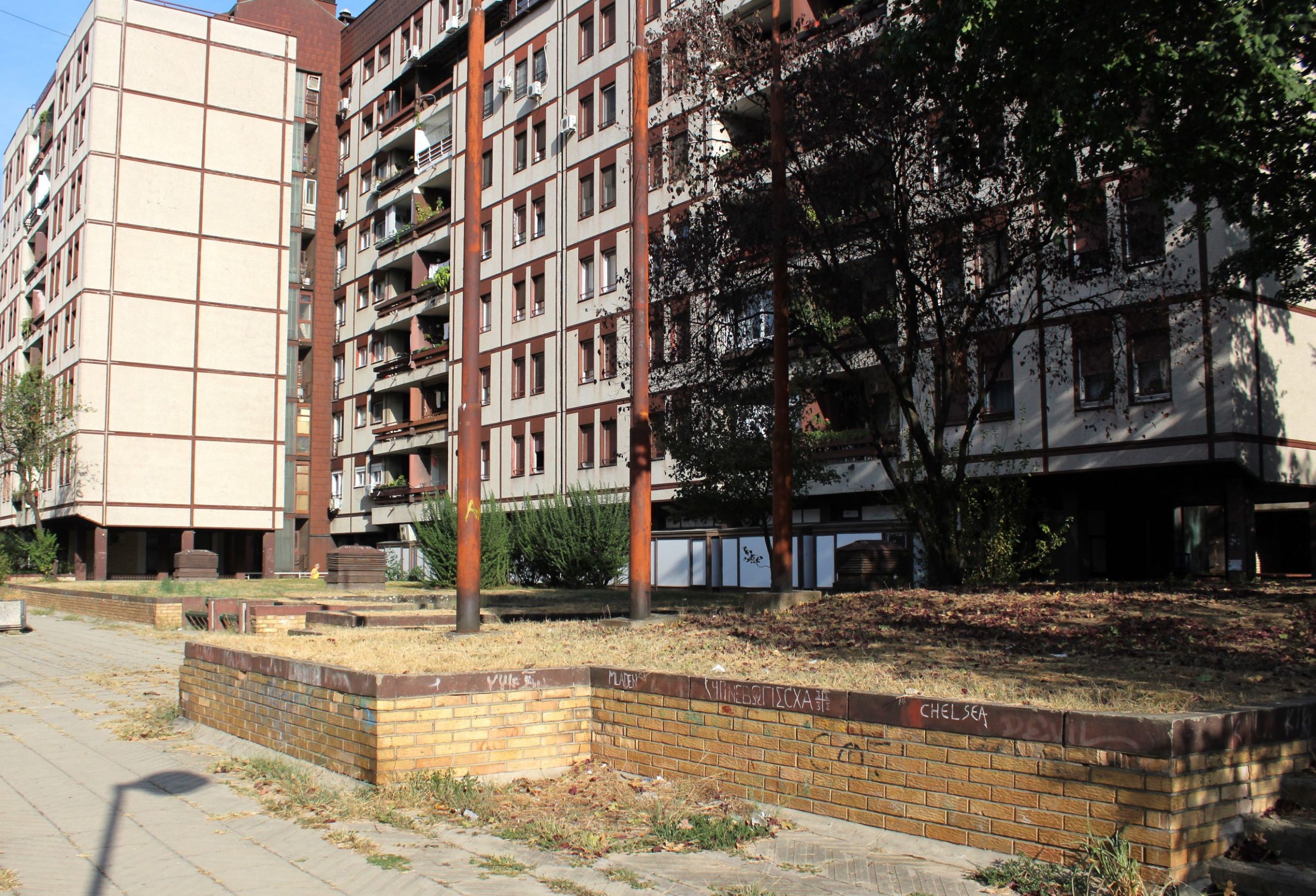
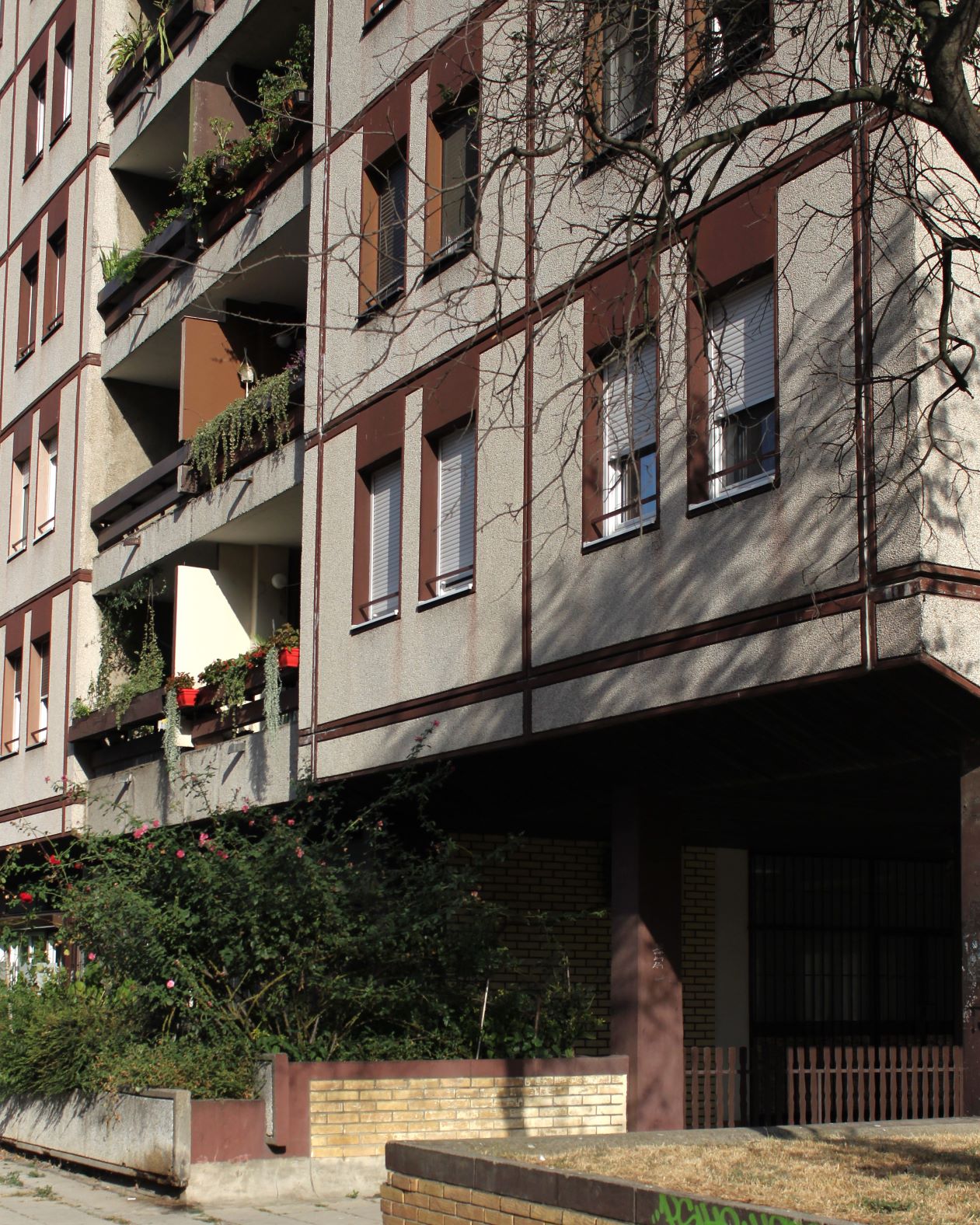
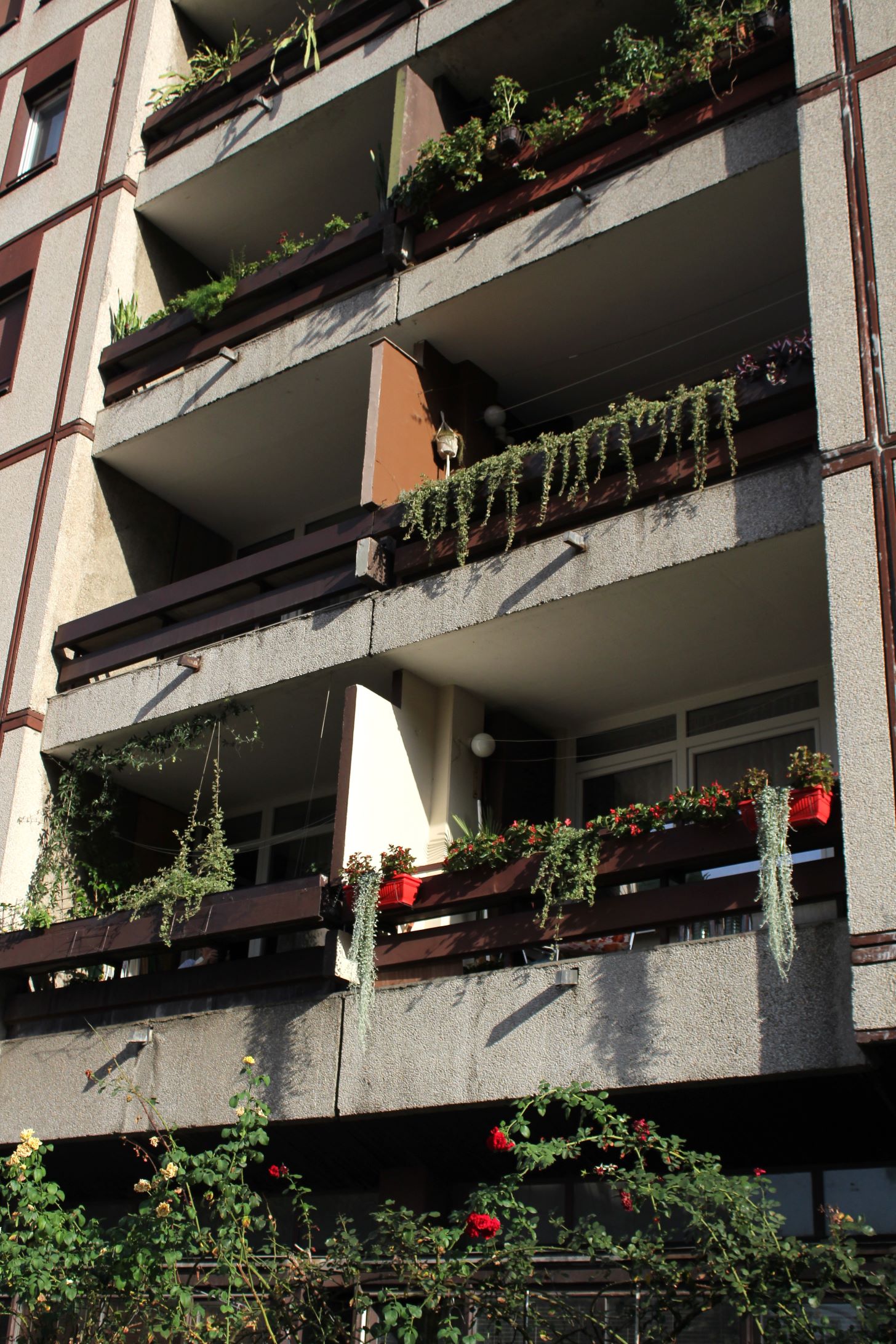
Block 19 is designed in a postmodern style, which started to replace brutalism and modernism in the mid-1970s. Its buildings are characterized by sloped roofs, the use of traditional construction materials, and decorative façades.
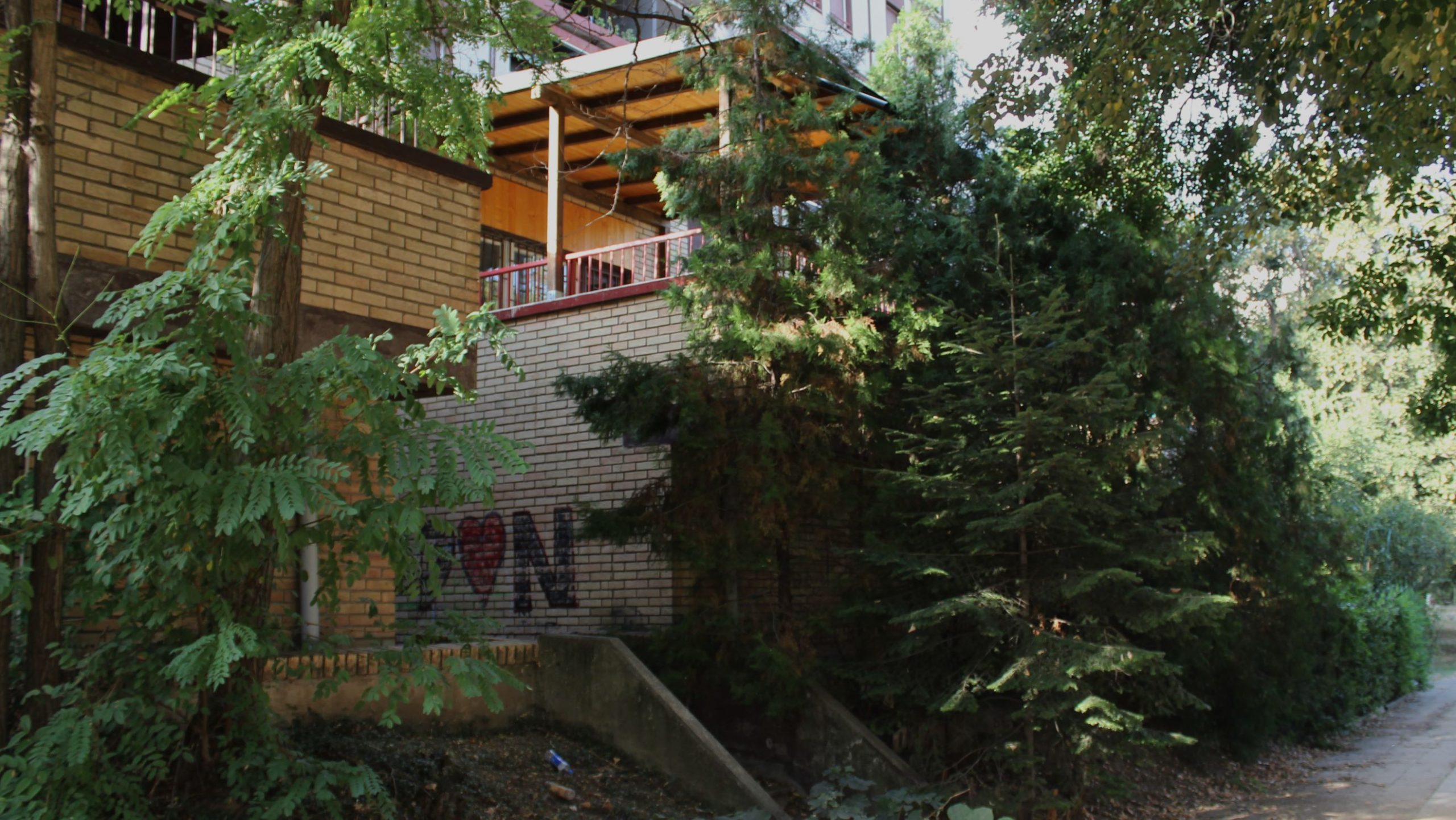
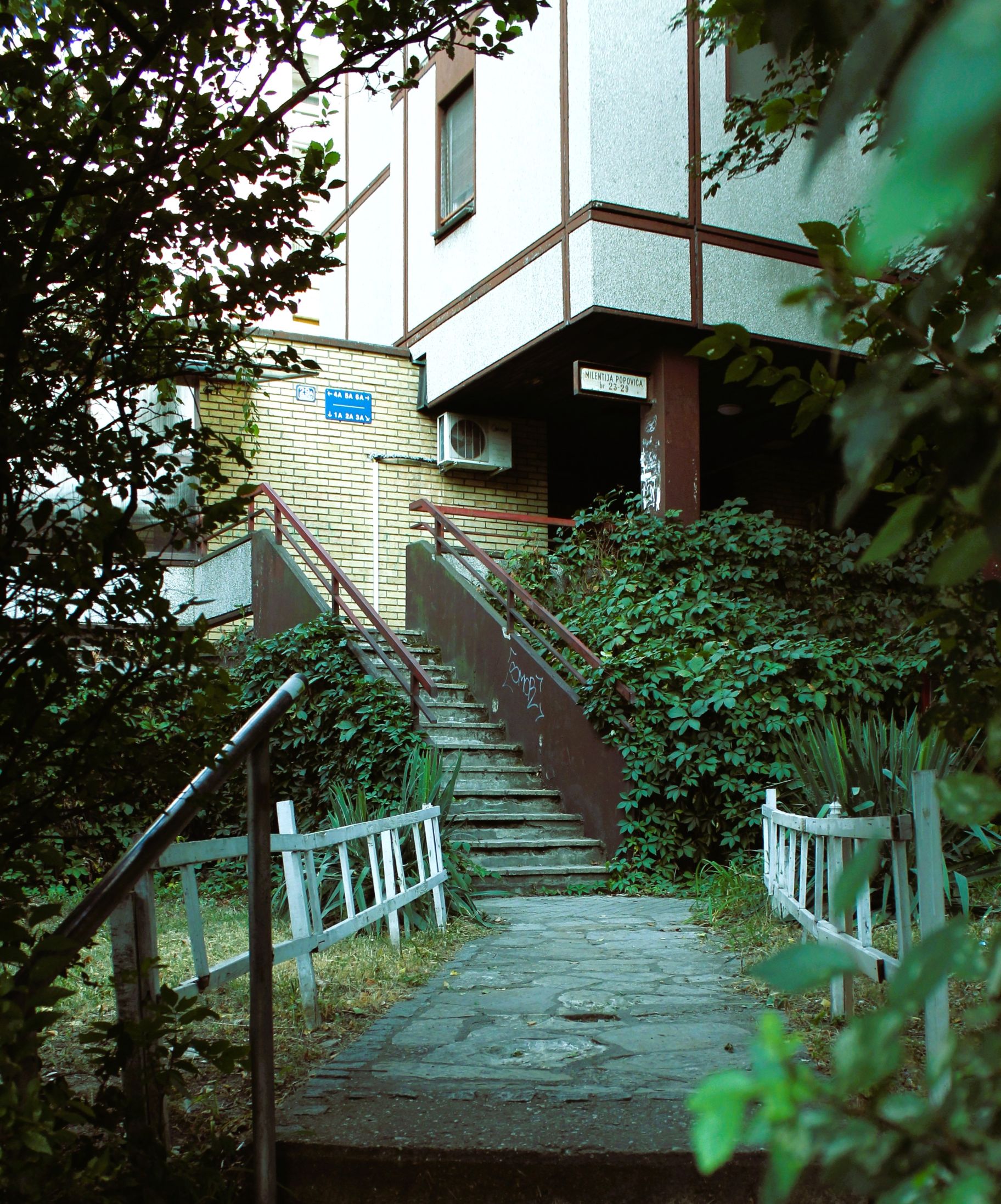
Block 19a occupies an irregularly shaped plot, shaped by the surrounding streets. The buildings are set diagonally to optimize sunlight, ventilation, and minimize traffic noise. A key feature of the block is the separation of pedestrian and vehicle traffic, with building entrances elevated above street level. Central walkways are lined with benches, and the inner courtyard is dedicated to a children’s playground, creating a functional and pleasant community space.
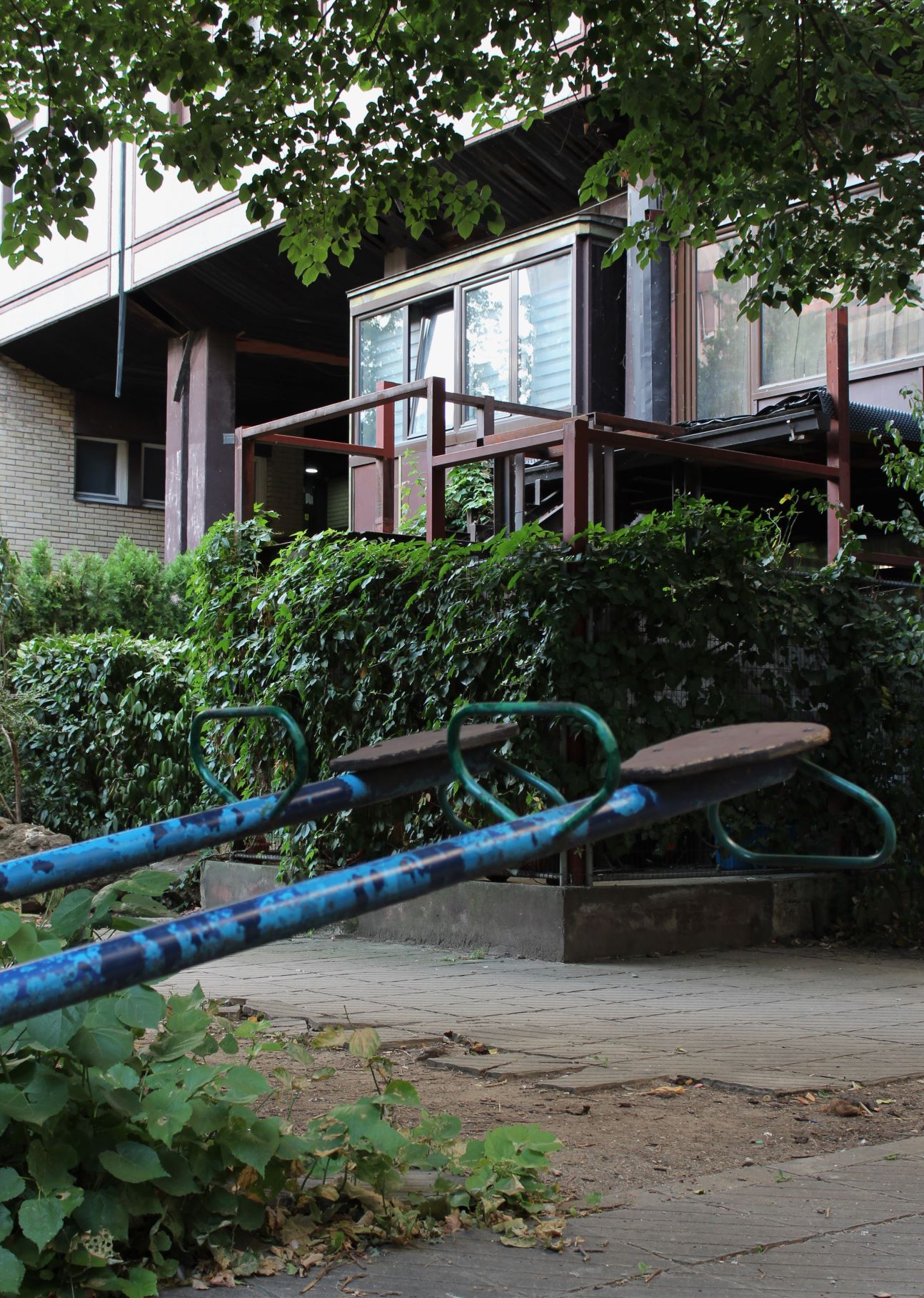
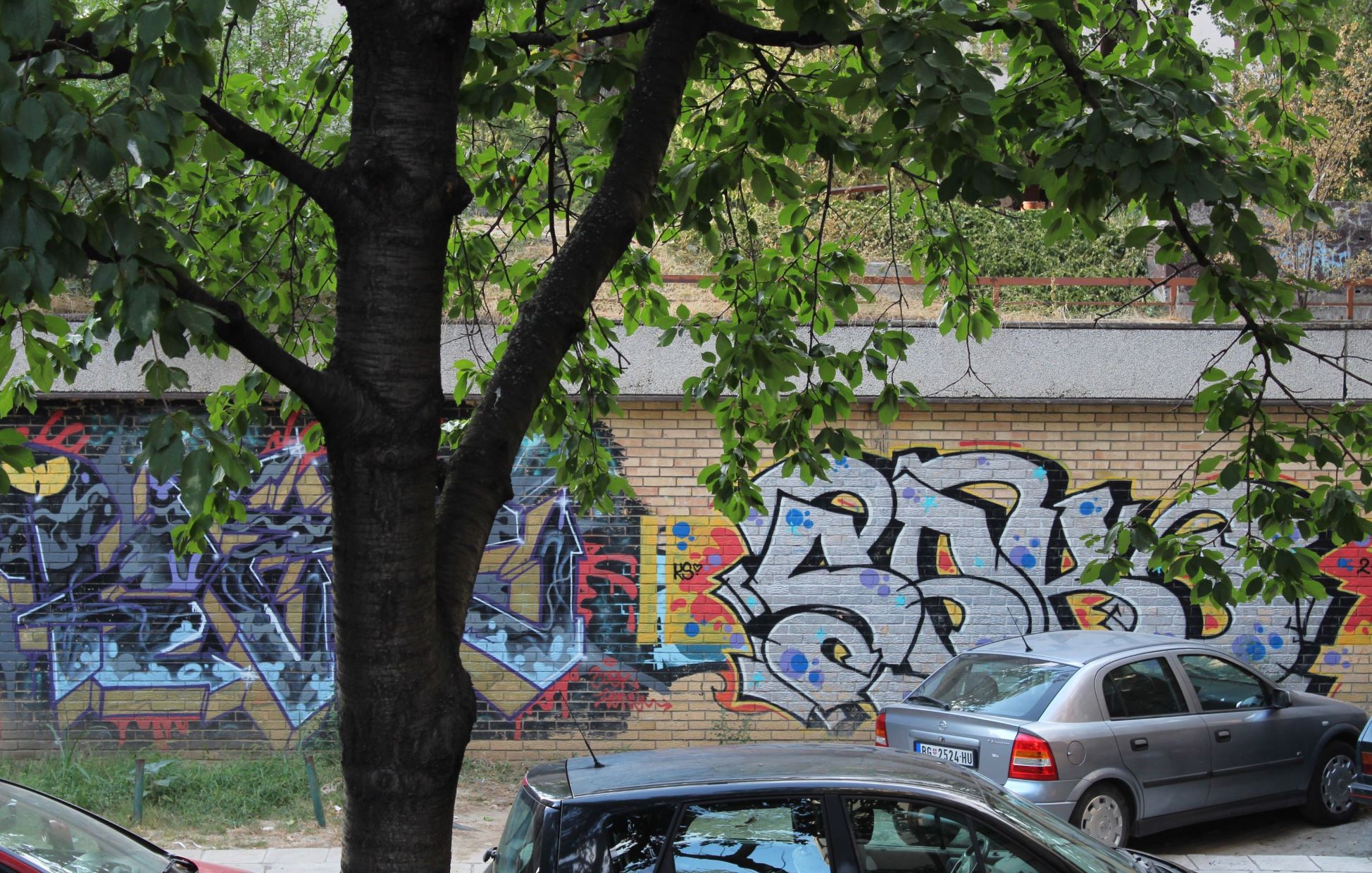
Over time, the dynamic space created by the architects has become neglected and rundown. However, the greenery and gardens belonging to the ground-floor apartments still maintain the impression of an idealized New Belgrade block.