THE HISTORY
Construction of Block 21 began in 1962 and was completed in 1966. Block 21 is a corner block with a rectangular layout, designed and built for the then Yugoslav People’s Army (JNA), so most of its residents were army personnel (both military and civilian).
The block belonged to the local community called Edvard Kardelj. Local Community Day was celebrated on February 17, marking the founding of the community in 1968.
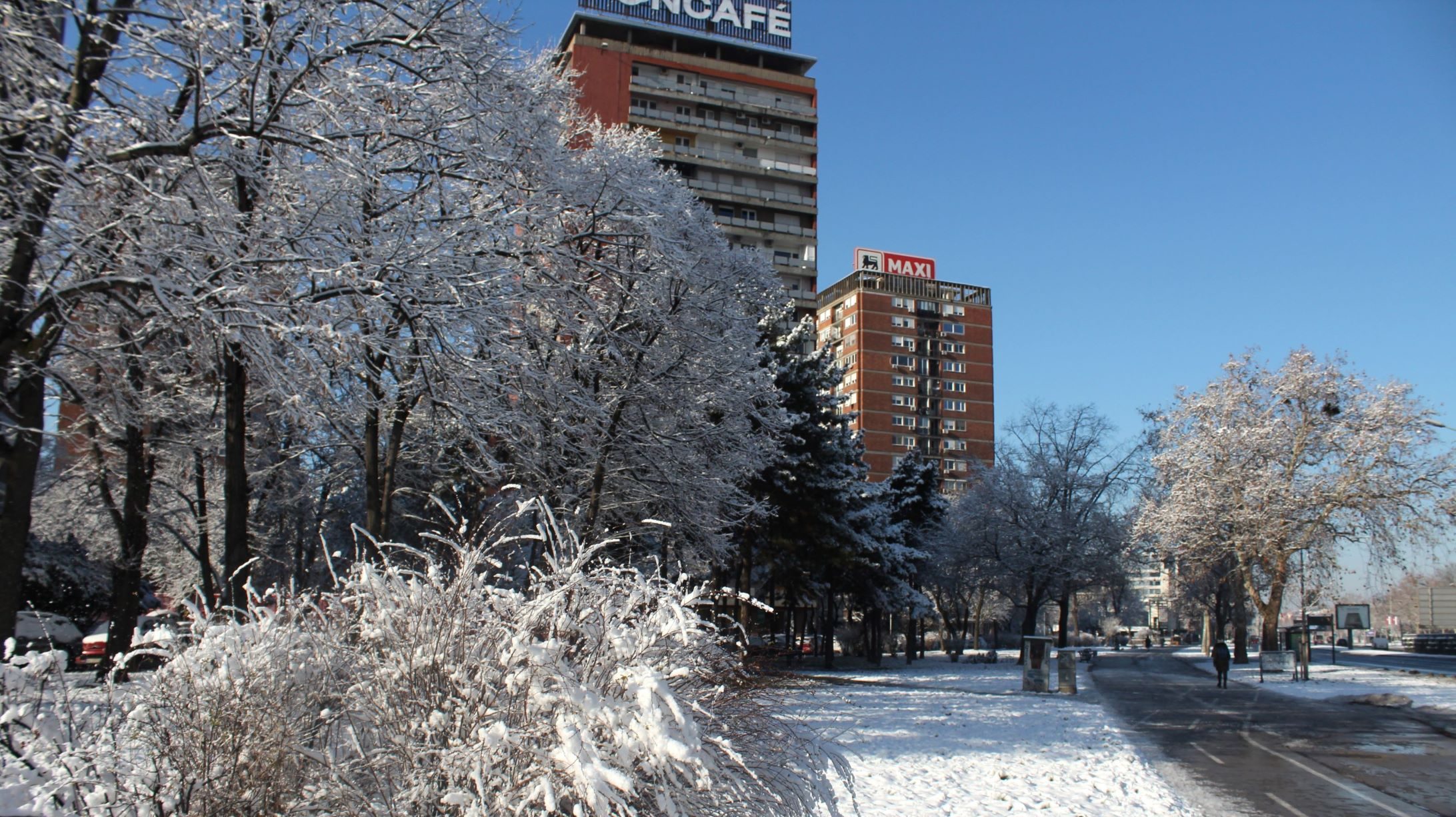
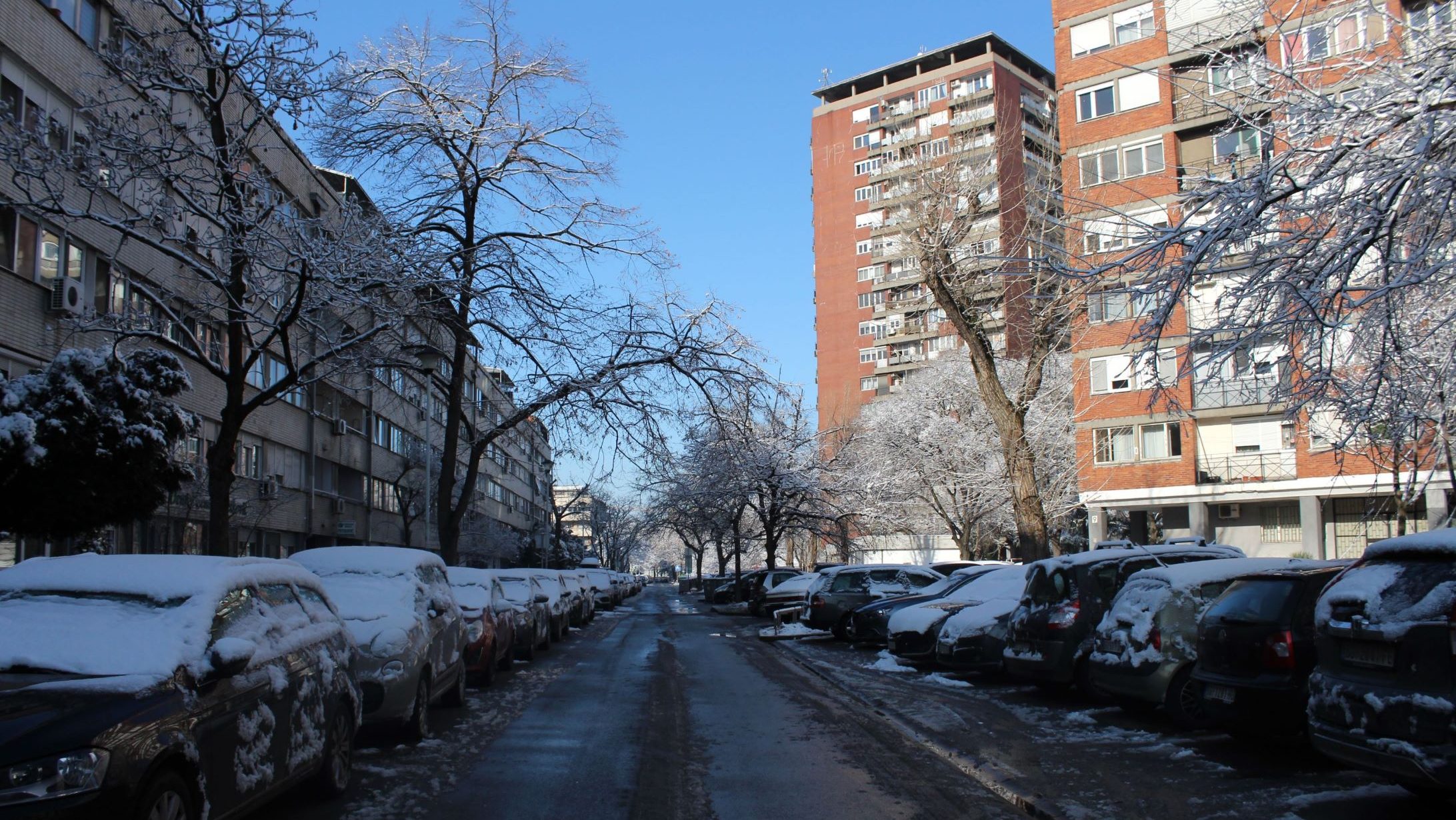
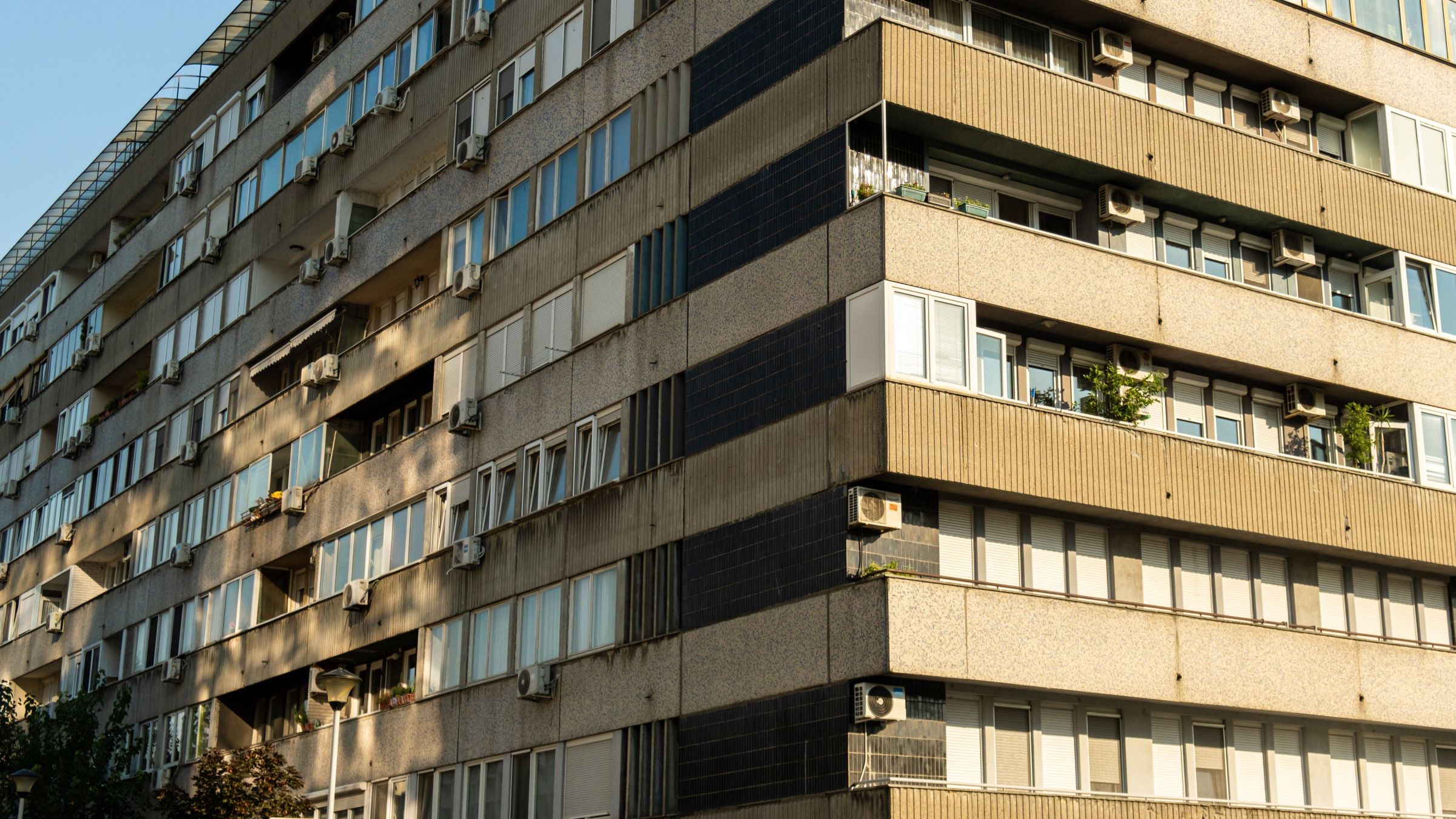
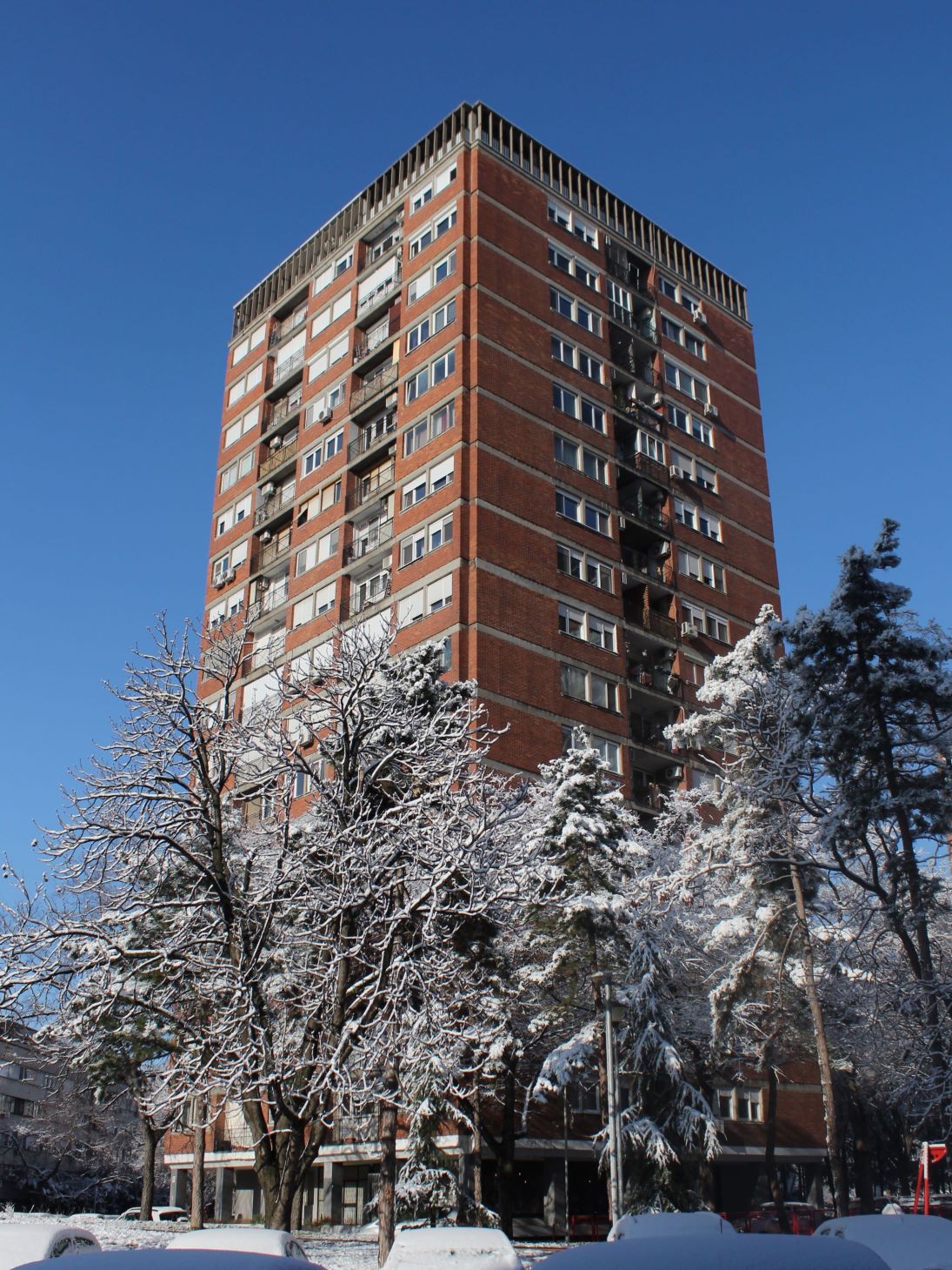
Nine residential buildings were constructed in the block: six high-rises with 16 floors, two horizontal blocks with 10 and 8 floors, and a four-story meandering building running through the center of the block. The high-rises were designed by architects Leon Kabilja and Bogdan Ignjatović. Immediately after completion, they received the informal nickname “Six Chaplains,” as they housed JNA military personnel. In total, the block contains 483 apartments.
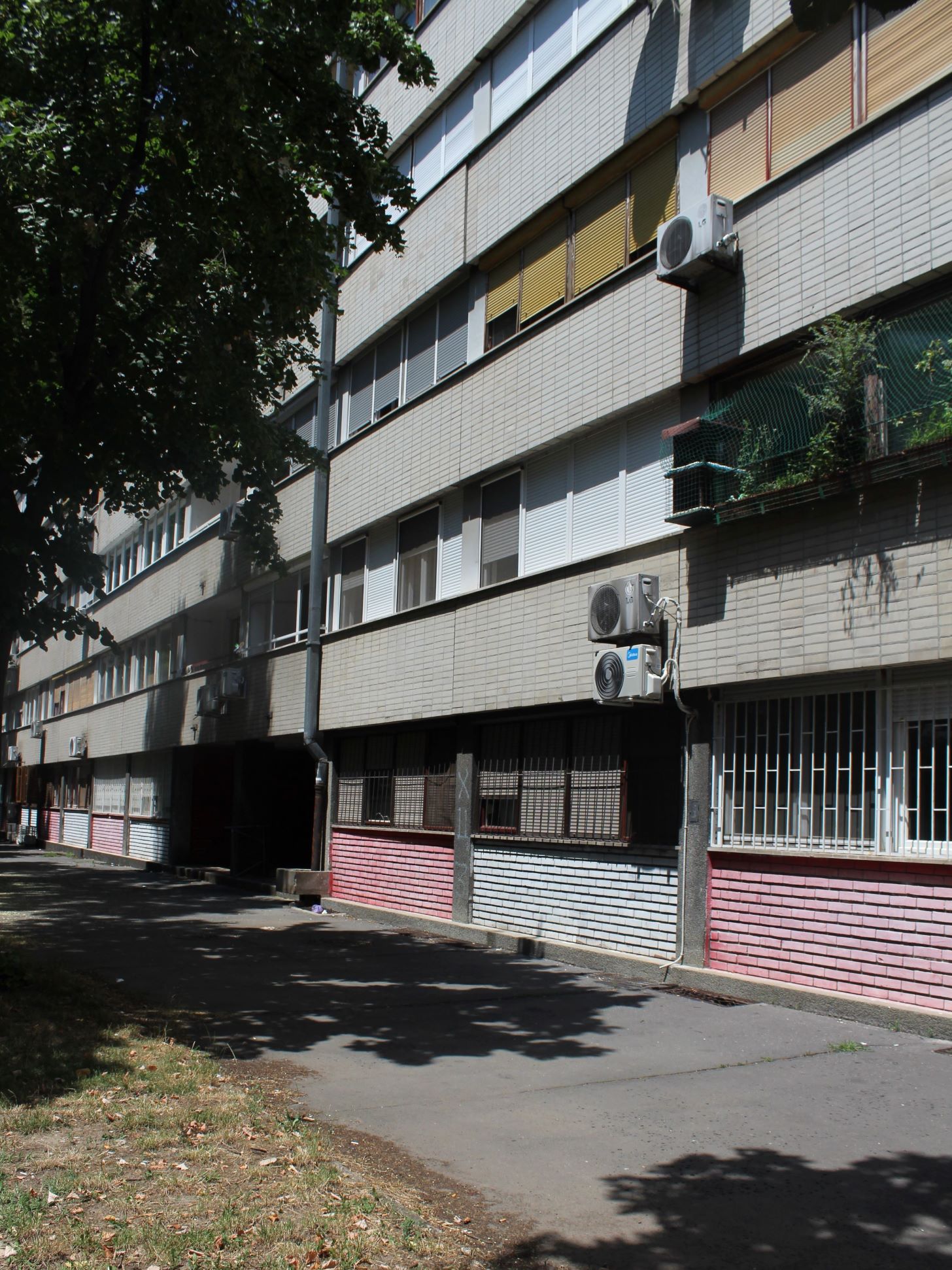
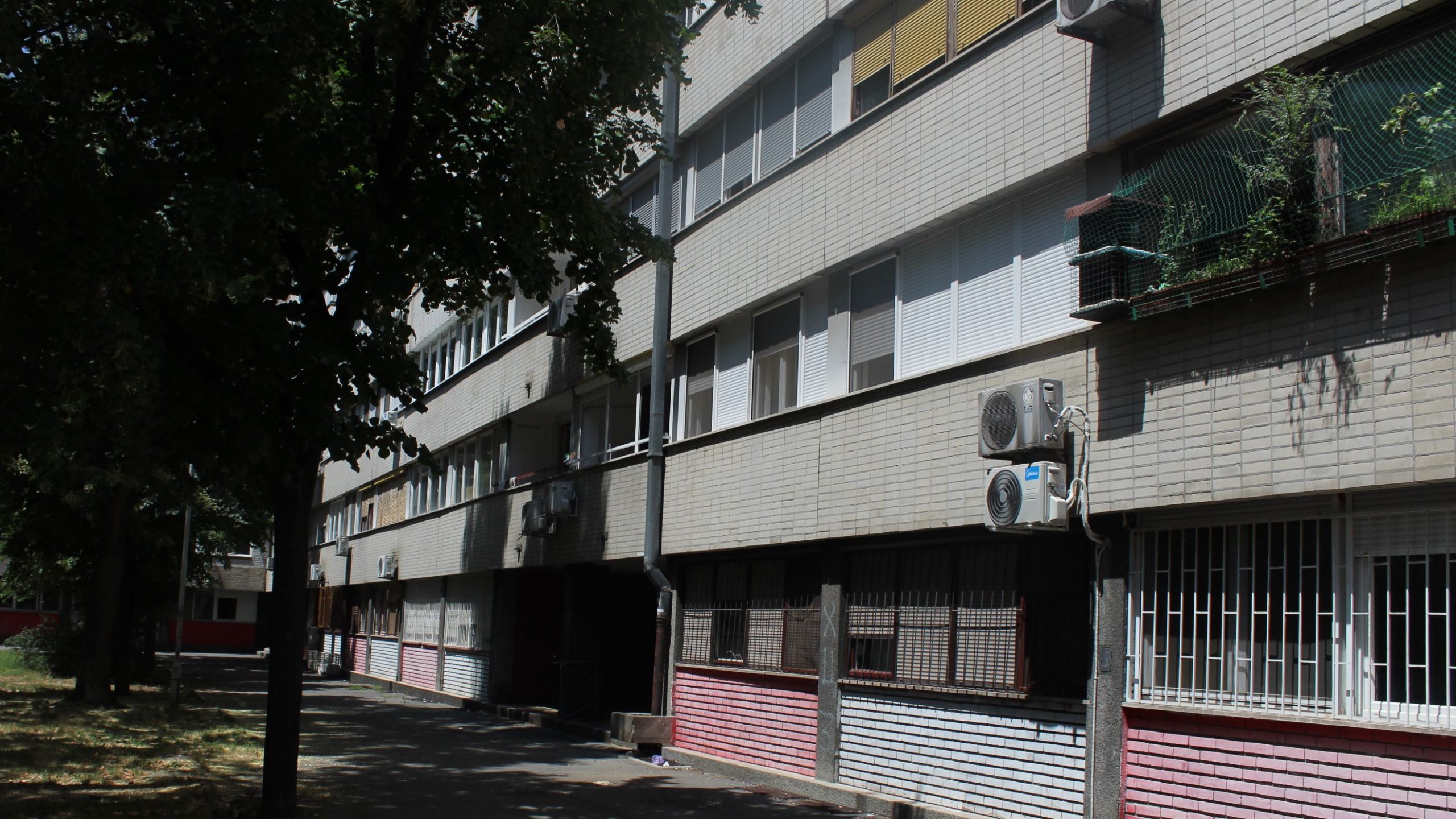
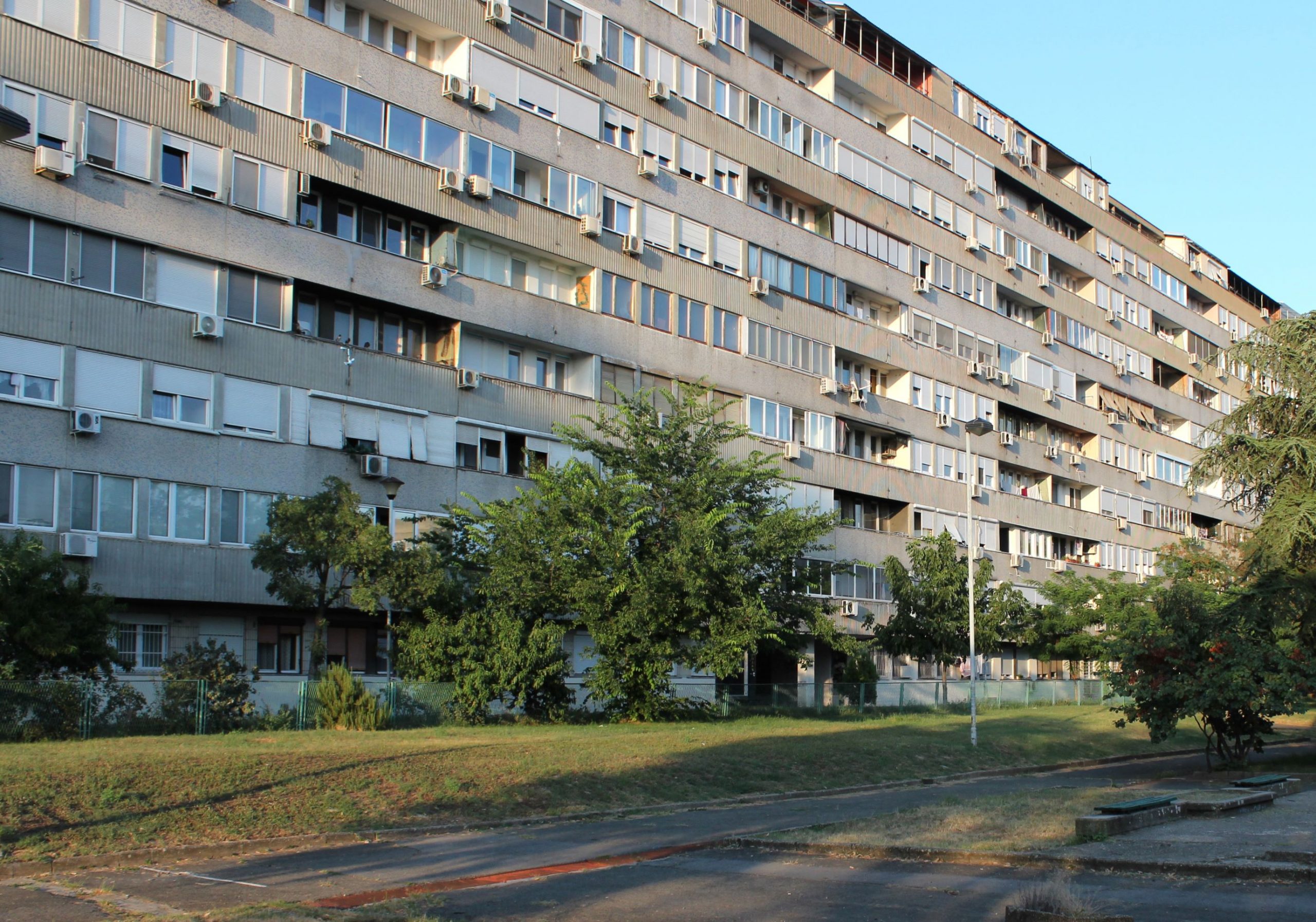
Meandar
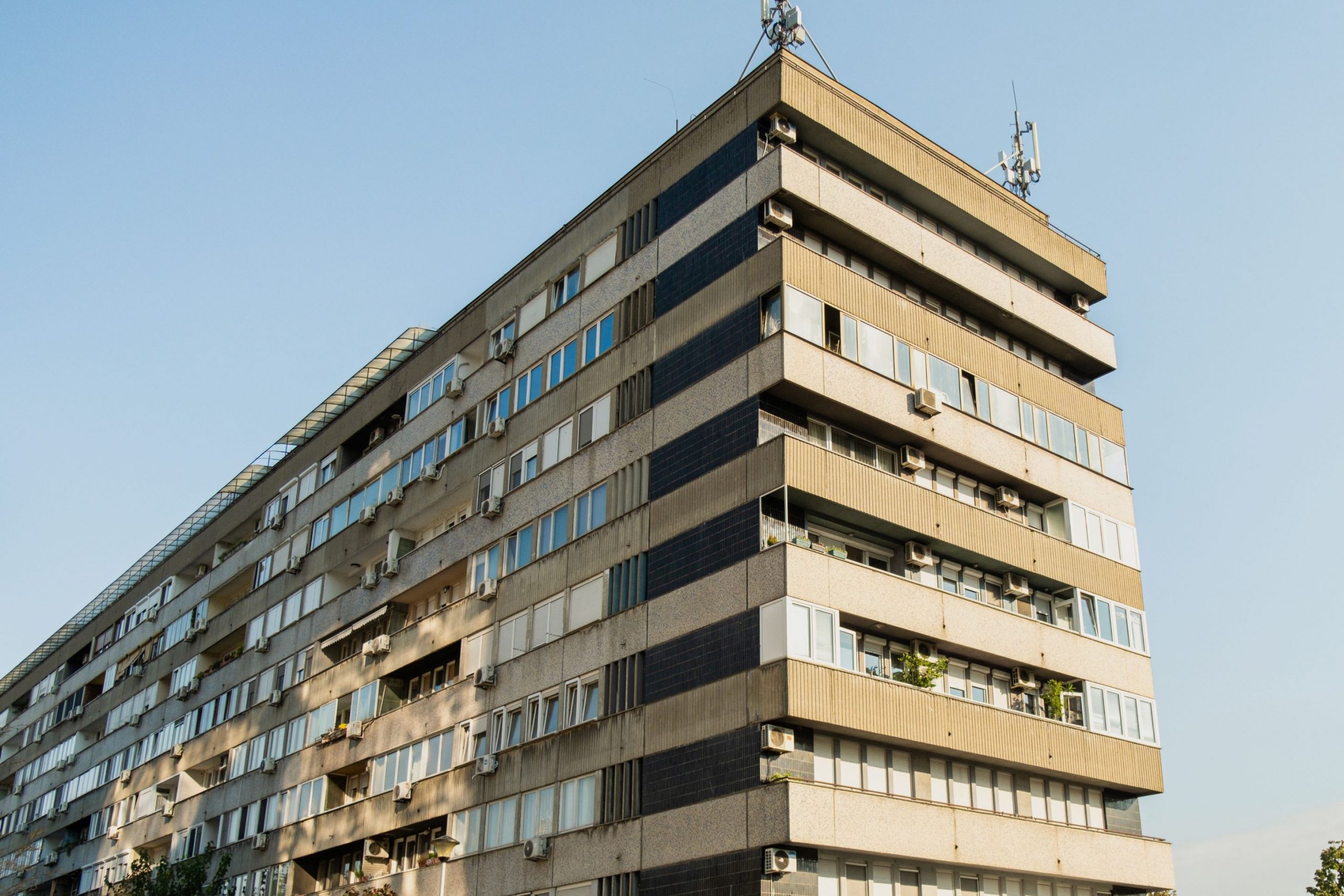
A team of architects : Leonid Lenarčič, Milosav “Miša” Mitić, Ivan Petrović, Ivan Cimović, and Mihailo Čanak—was responsible for designing the longest building in then-Yugoslavia. The building has a meandering form and stretches nearly a kilometer, consisting of nine sections.
The two horizontal blocks along Mihailo Pupin Boulevard and Zoran Đinđić Boulevard, running parallel to these streets, were designed by architect Bogdan Ignjatović.
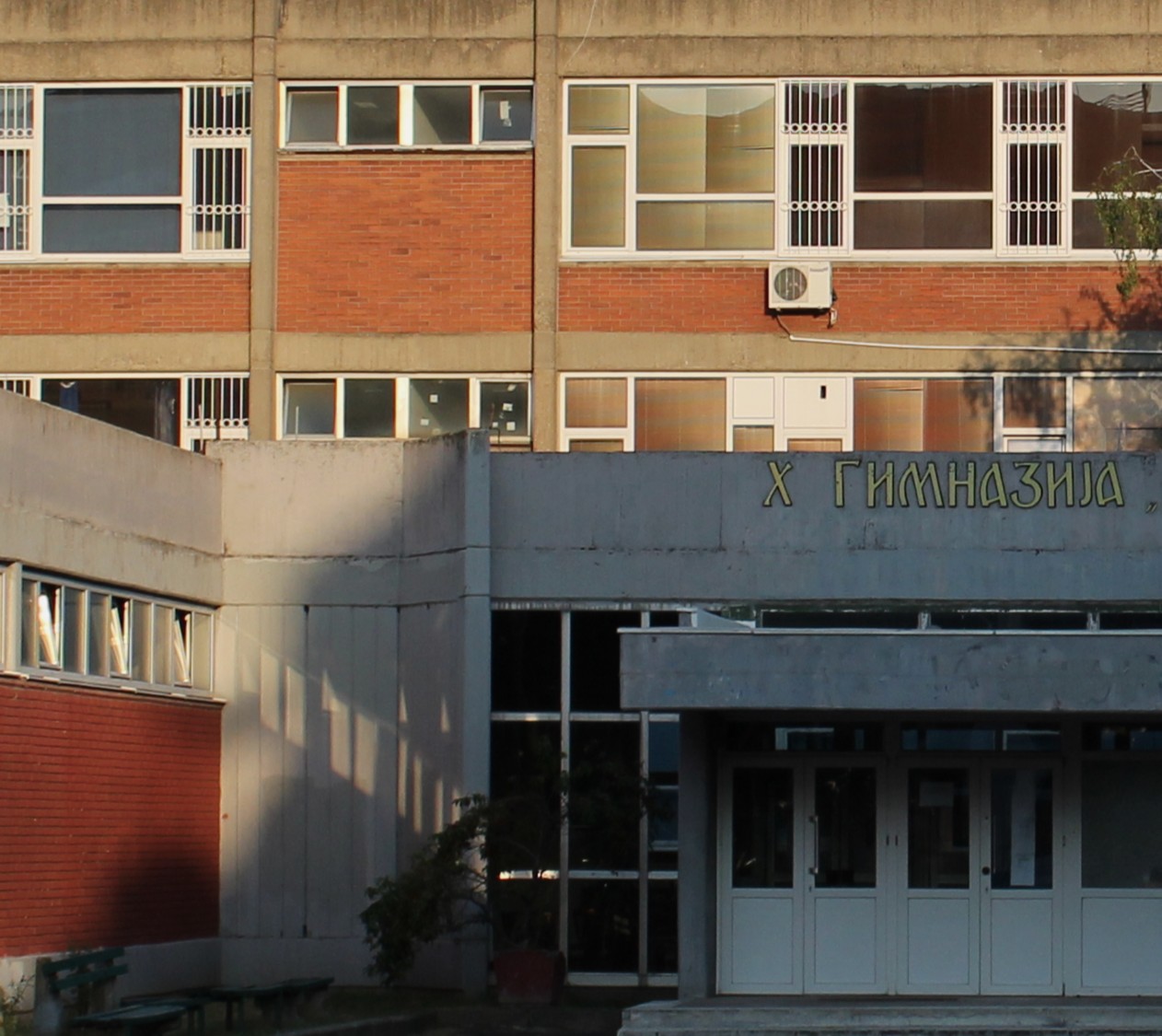
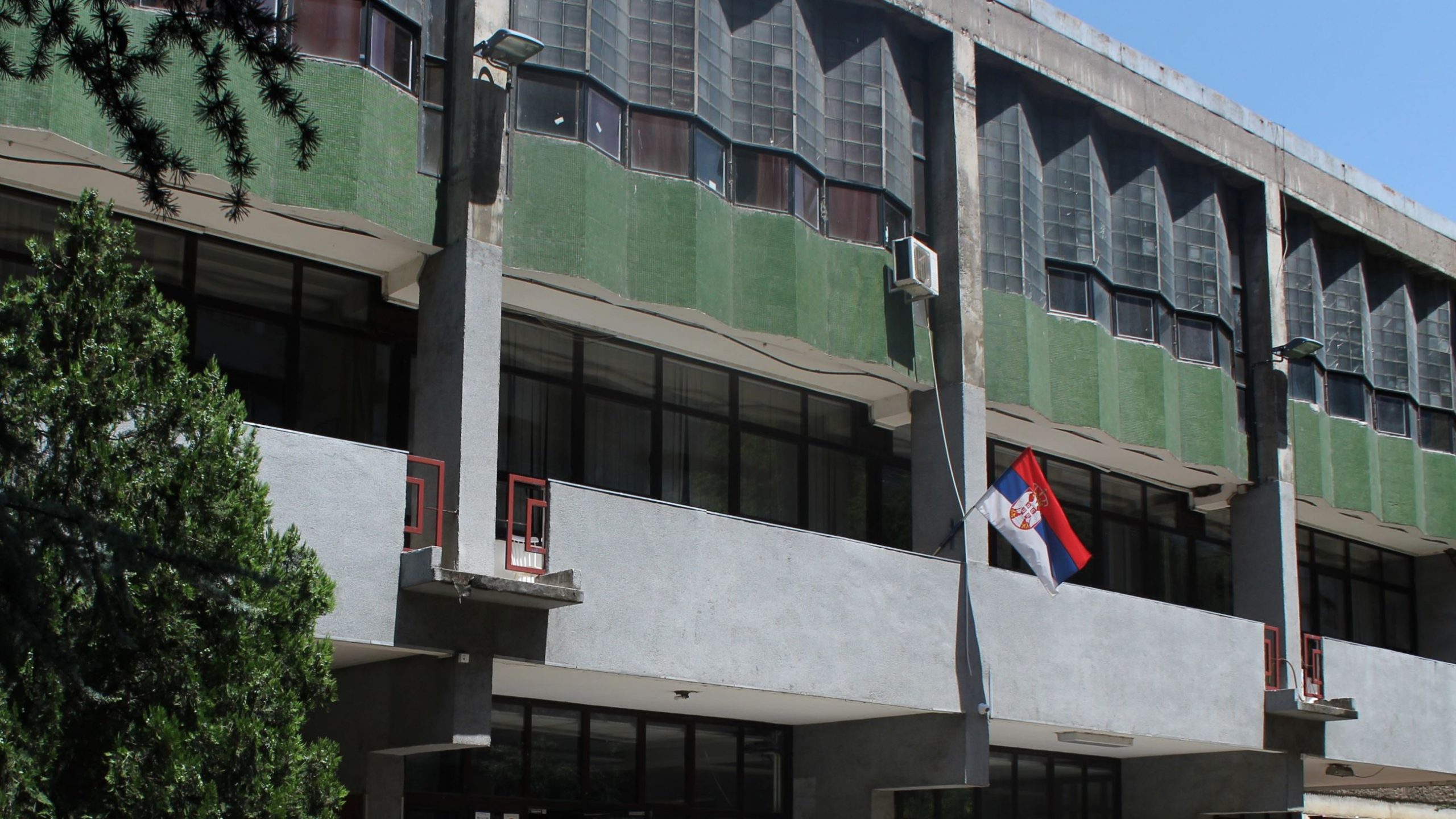
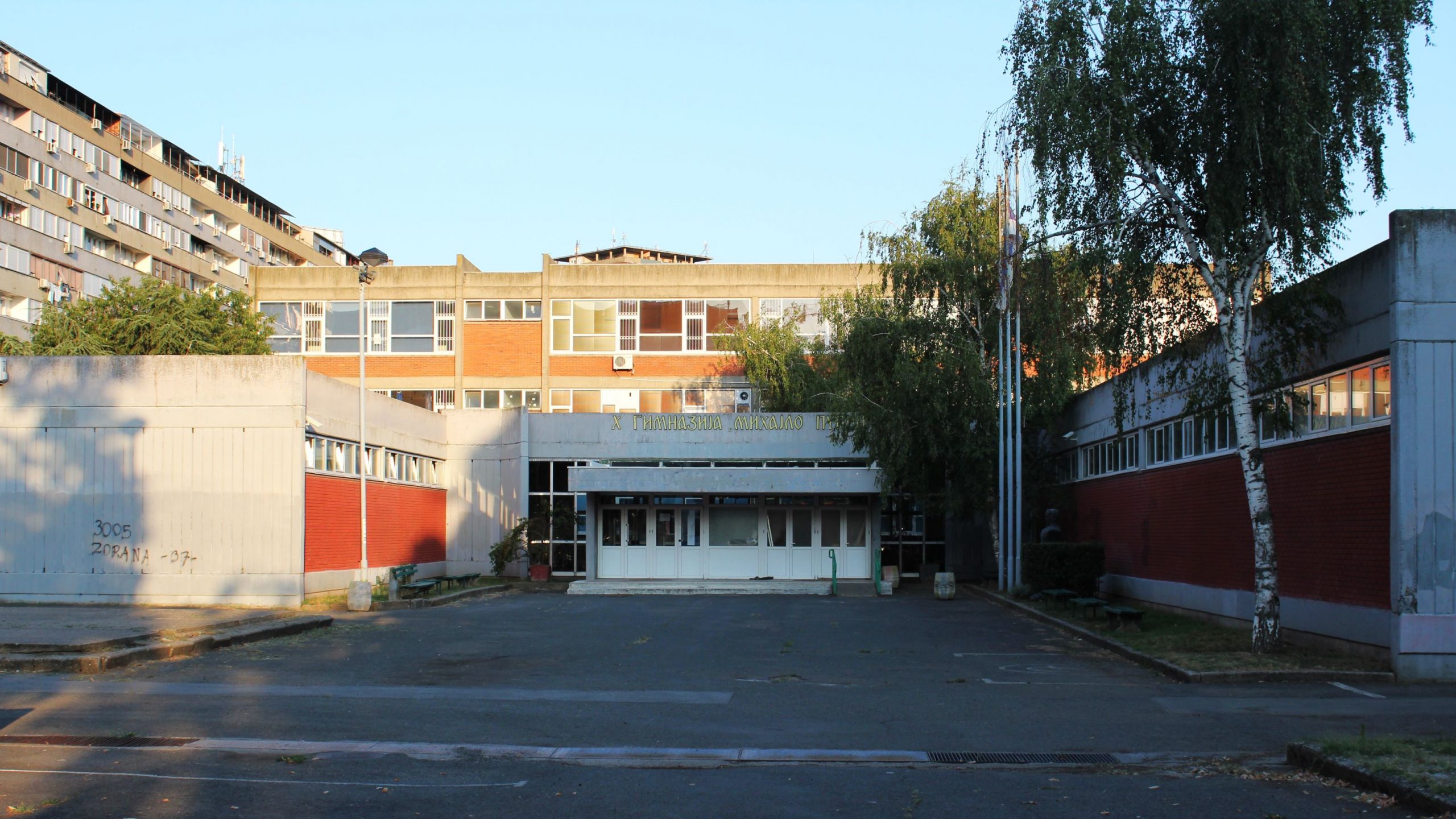
Two kindergartens and two schools were also built, along with a local community building (formerly “Edvard Kardelj”). The local community complex was constructed in 1978, designed by architect Božidar Hajdin. Today, the block houses the Jovan Dučić Elementary School (formerly “Josip Broz Tito”) as well as the 10th Belgrade Gymnasium, Mihajlo Pupin.
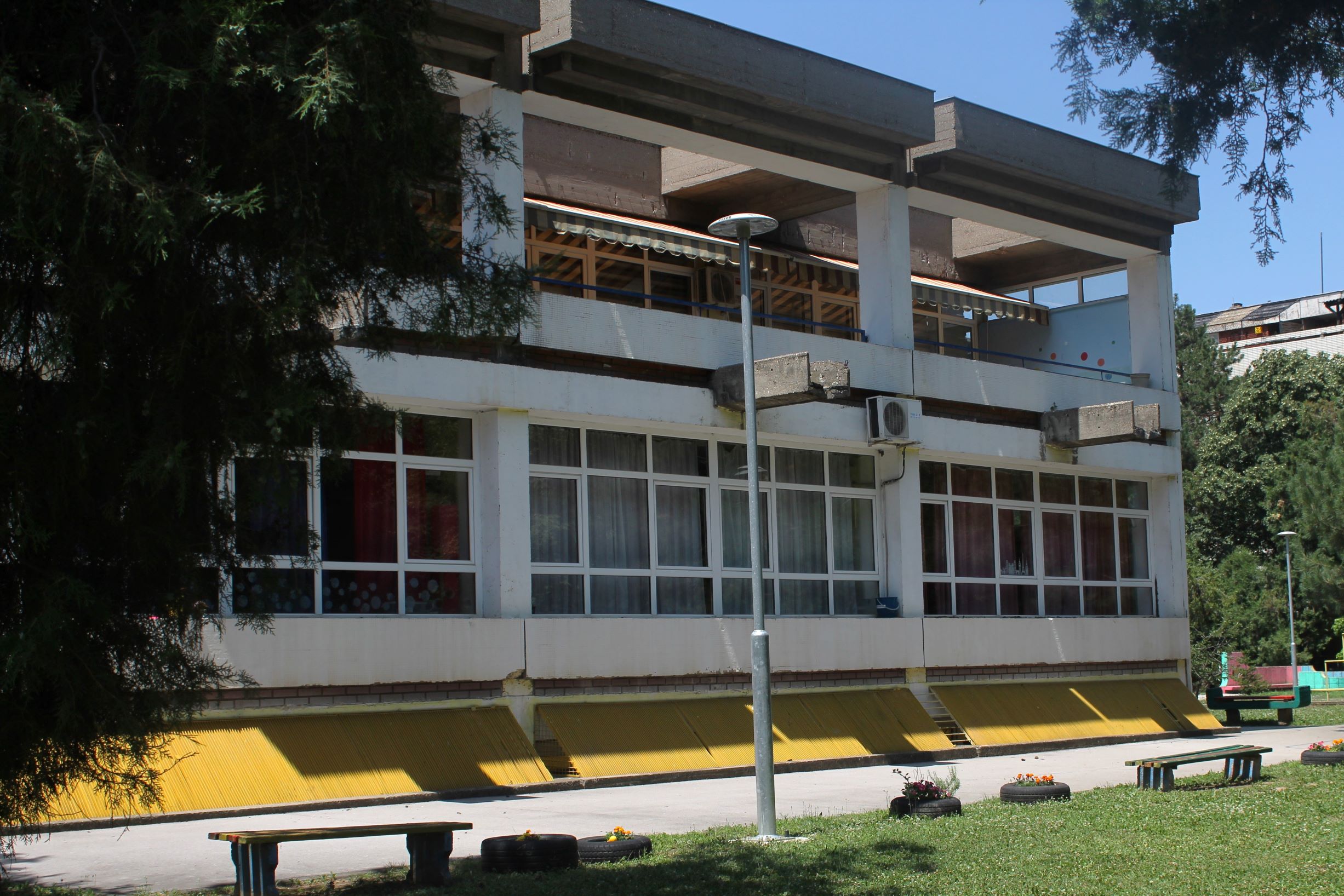
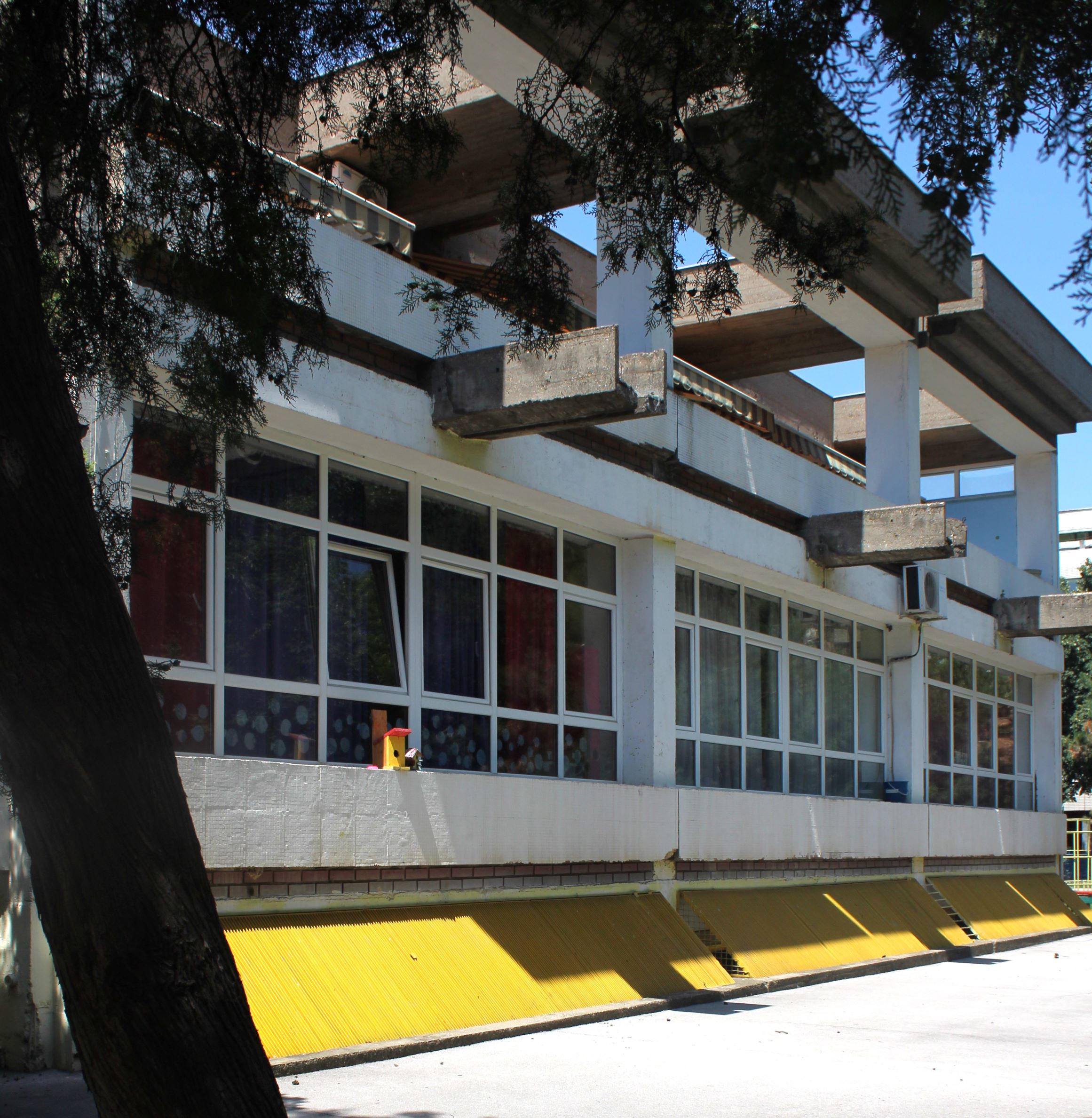
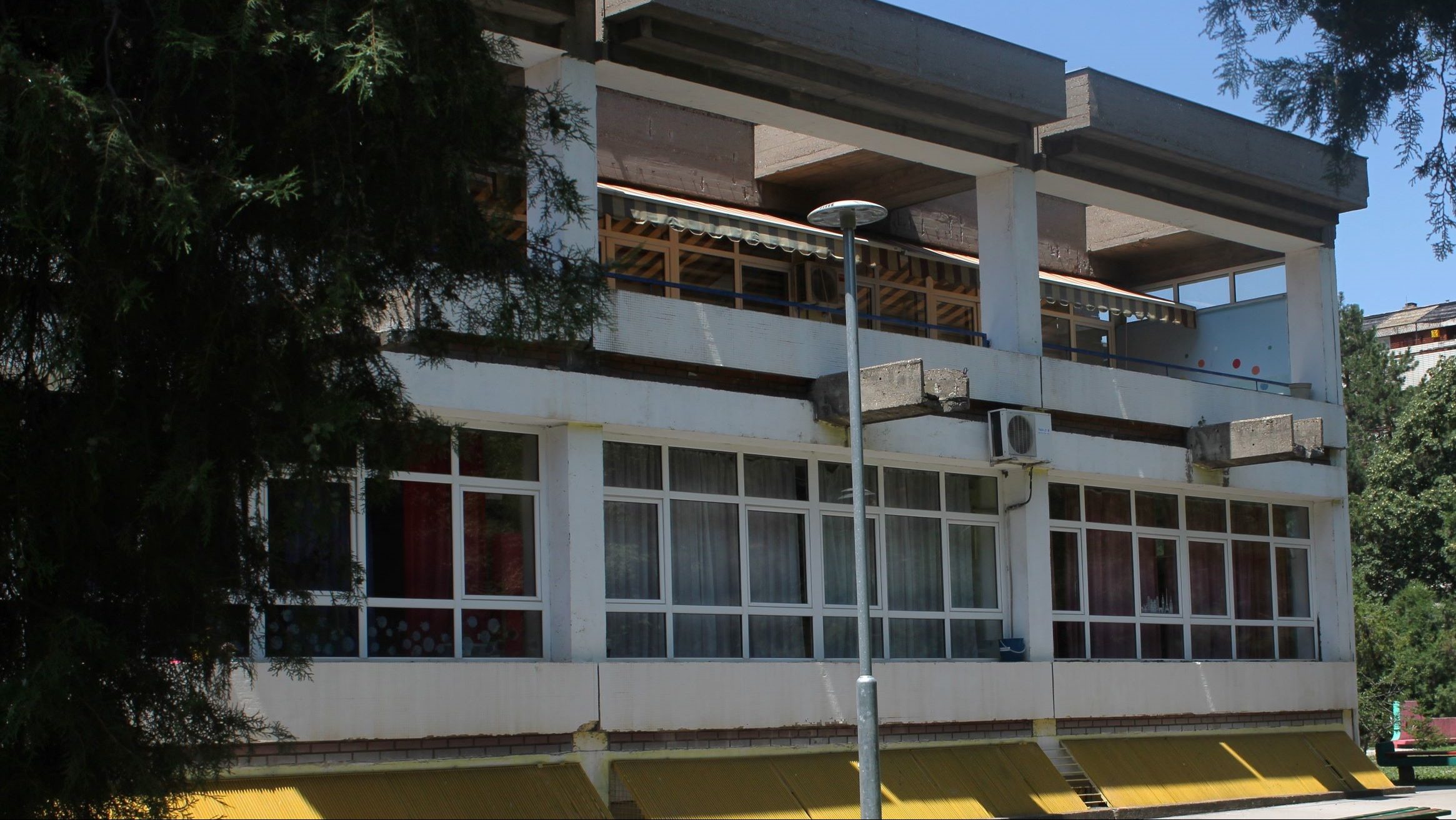
Vrtić Vesna
Od 80ih godina počela je izgradnja niza poslovnih zgrada i objekata sa ugostiteljskim i trgovačkim lokalima. U bloku je sagrađen i Mekdonalds restoran tokom 1997/99 po projektu arh.Dušana Popovića.
Posebno zanimljiv je Poslovni objekat MPC arh. Vasilija Milunovića završen 2002. godine dobio značajne nagrade iz oblasti arhitekture.
THE DESIGN
Industrial modernism defines the appearance of the buildings in this block. Its prominent location at the entrance to New Belgrade is emphasized by high-rises in two contrasting colors: brick red and white.
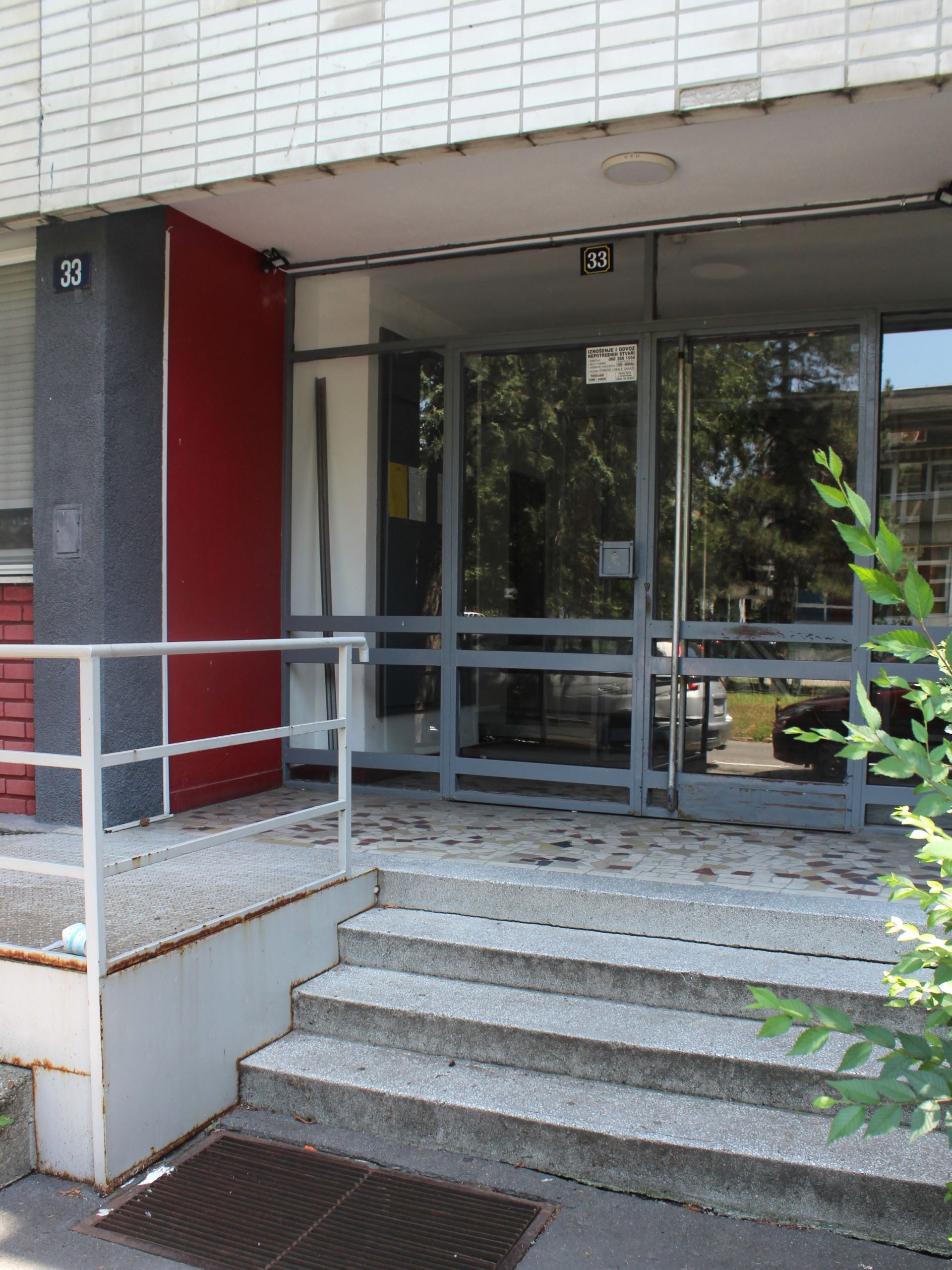
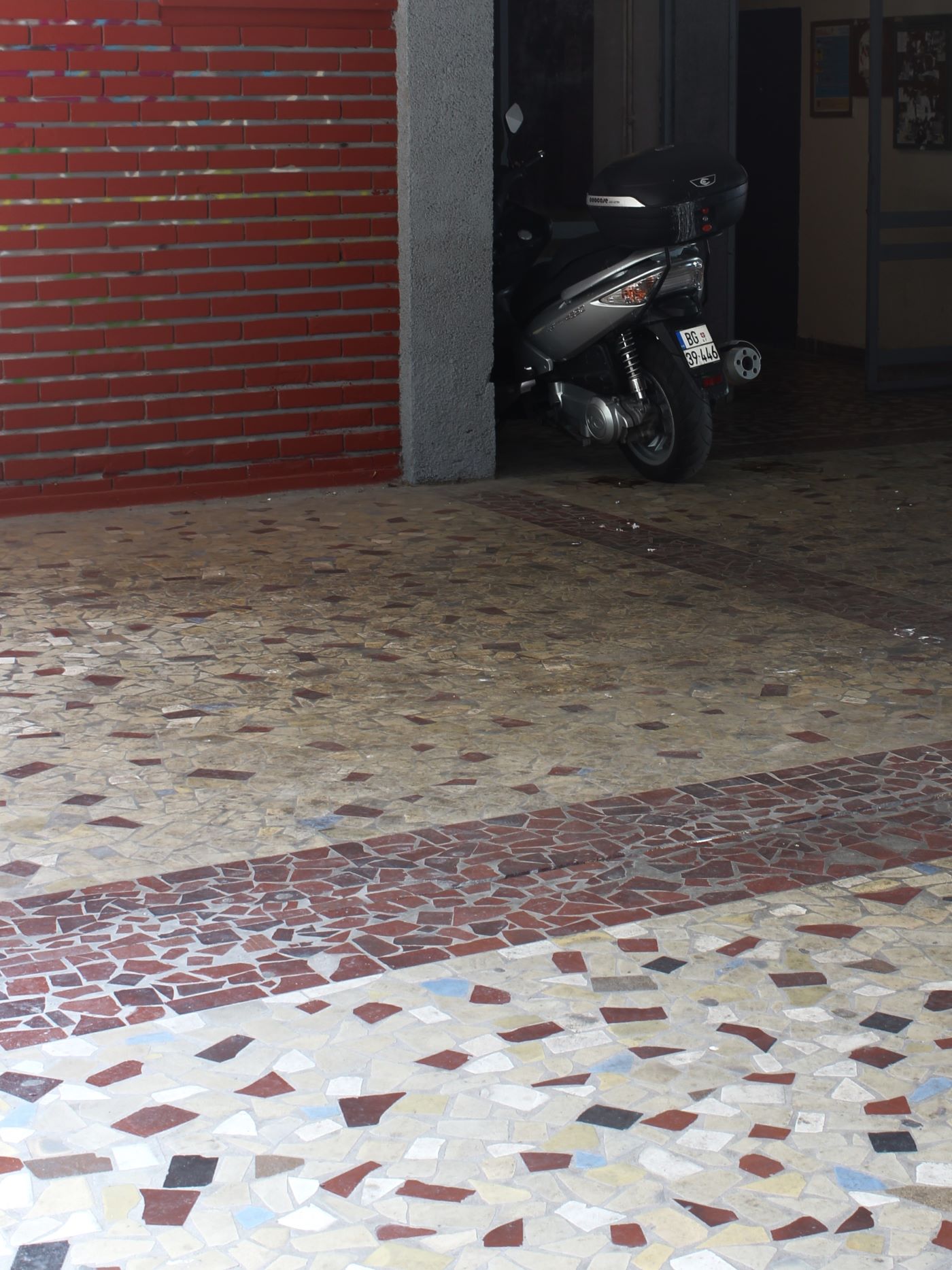
The long buildings feature extended horizontal rows of windows and terraces. The meandering structure is particularly notable for its length—almost a kilometer—and its segmented form of nine connected buildings. This long block has four floors and a total of 794 apartments. Glass entrances are paved with decorative terrazzo floors, and the ground-floor columns create loggias that can be used for various purposes.
In the central areas around which the four-story meandering building winds, there are the Jovan Dučić School and the Vesna and Čuperak kindergartens, designed by architect Milosav Mitić.
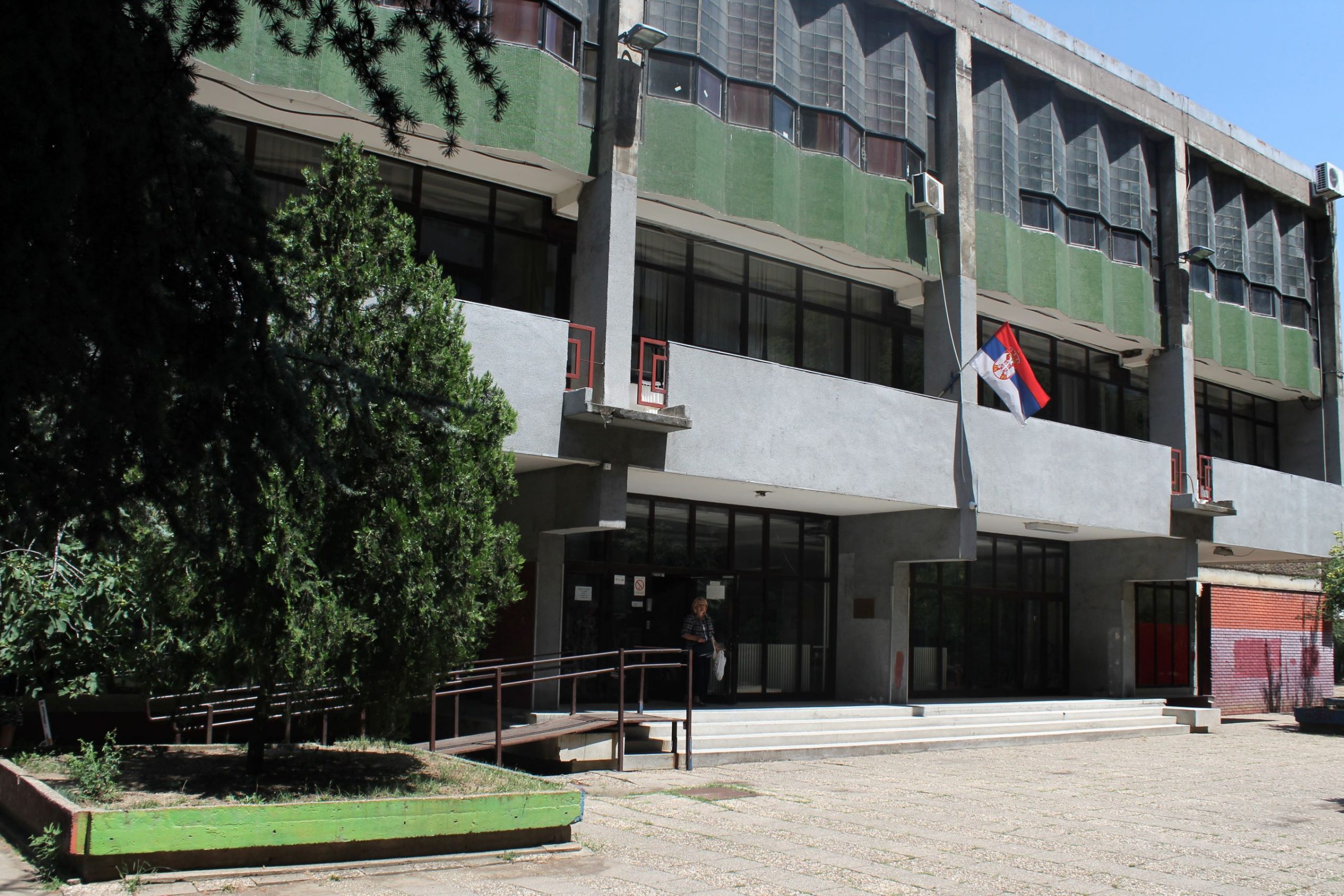
arh. Milosav Mitić, Osnovna škola "Jovan Dučić"
The street-facing part of the block was altered during the 1990s and 2000s with the construction of a series of new residential and commercial buildings in various styles.
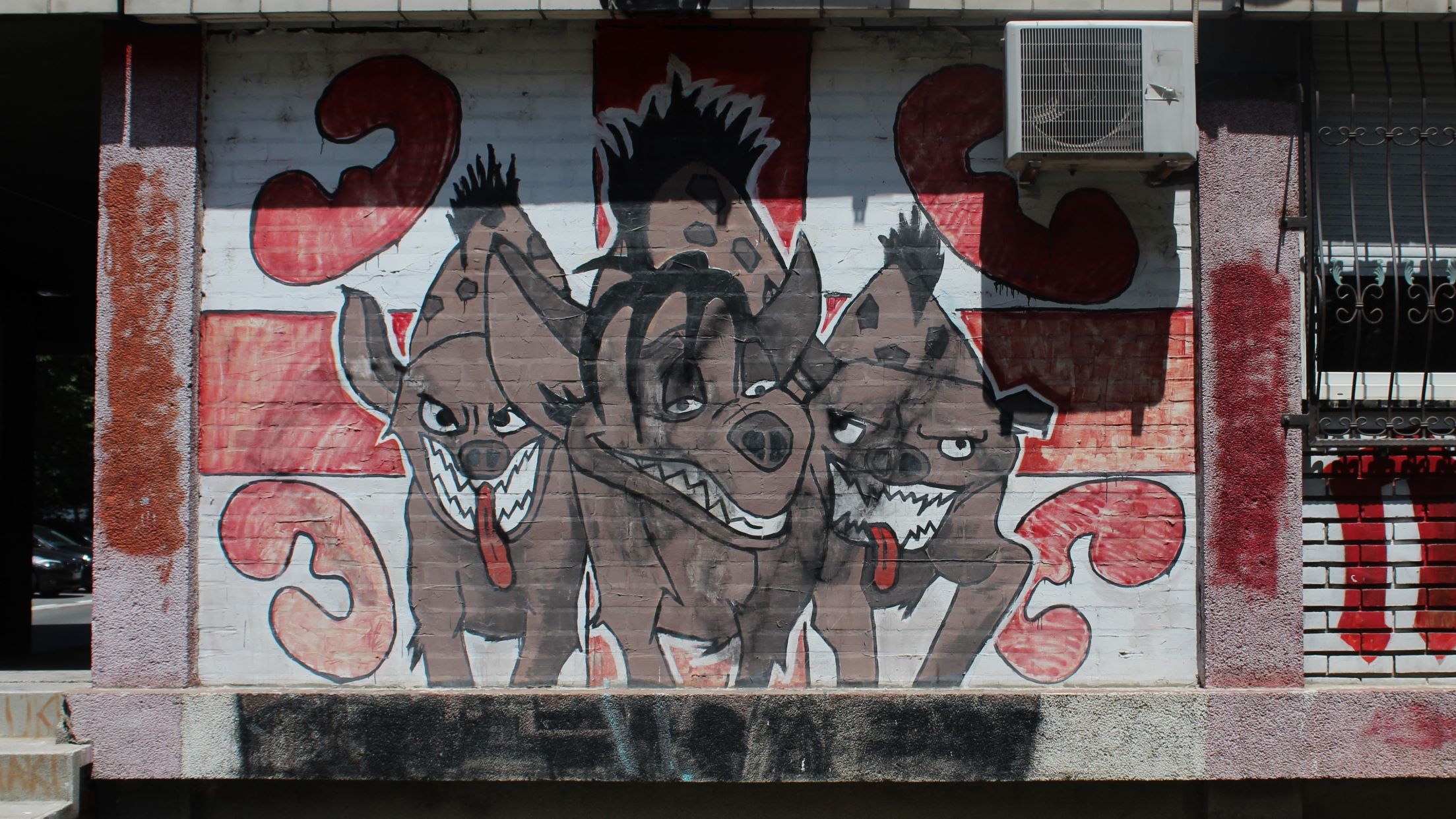
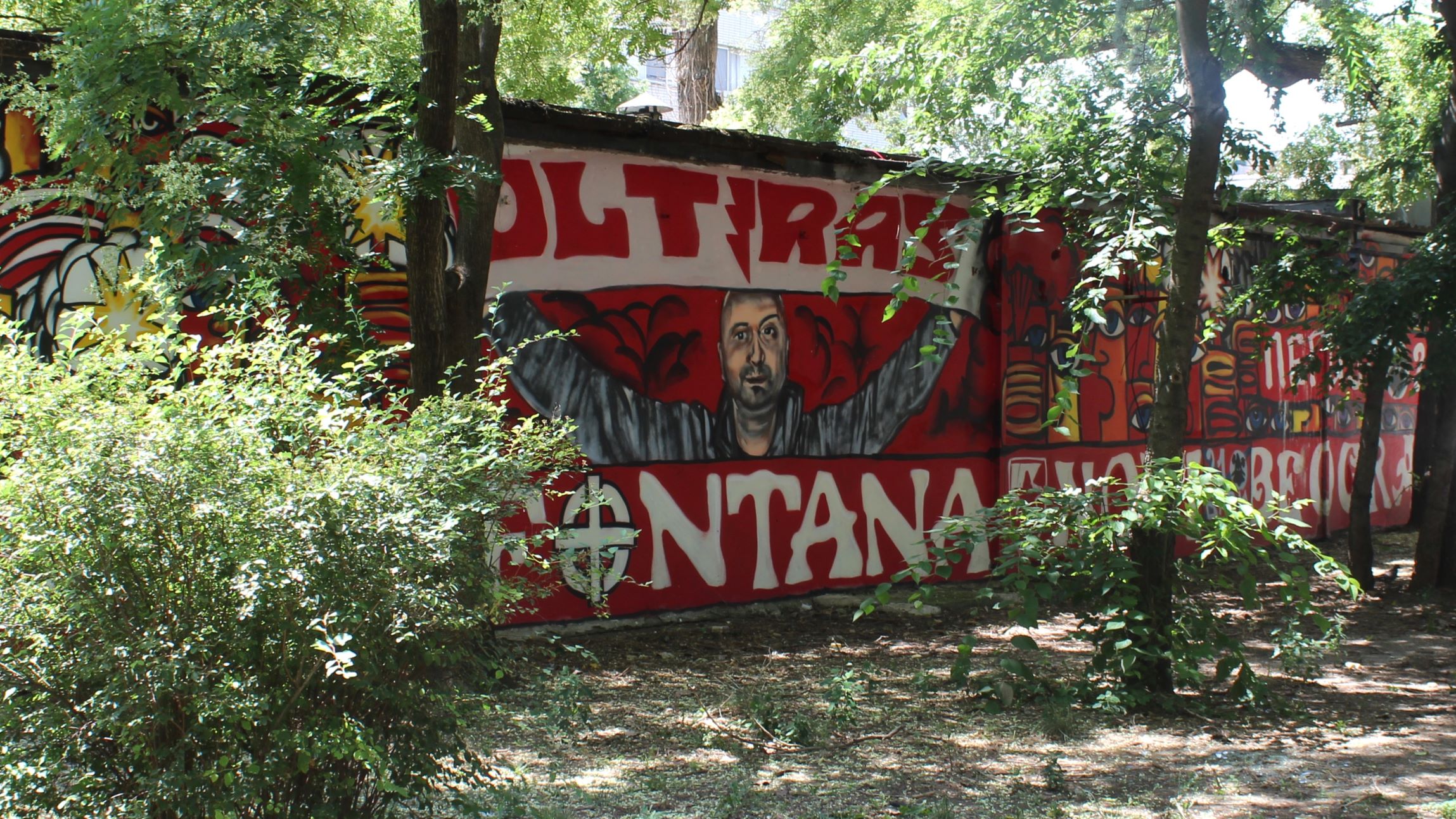
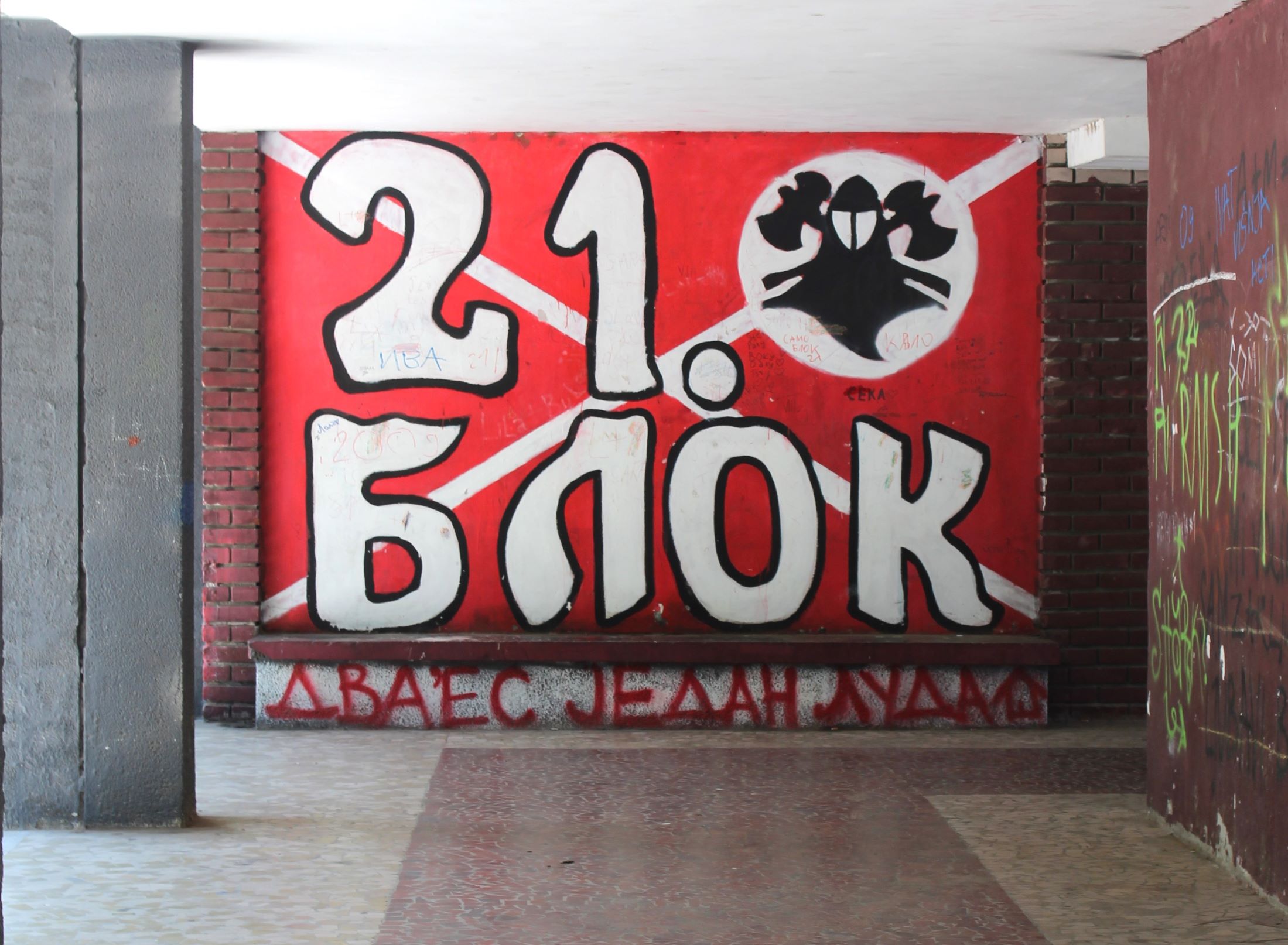
The block also features numerous graffiti and stencils created by fans of the Red Star football club. These were made to mark the “territory” of the fan group known as the “Hyenas.” Known as an extreme supporter group, their presence in the block includes a graffiti depicting hyenas (from the movie The Lion King) and a mural dedicated to their slain leader, Velibor “Velja” Dunjić.
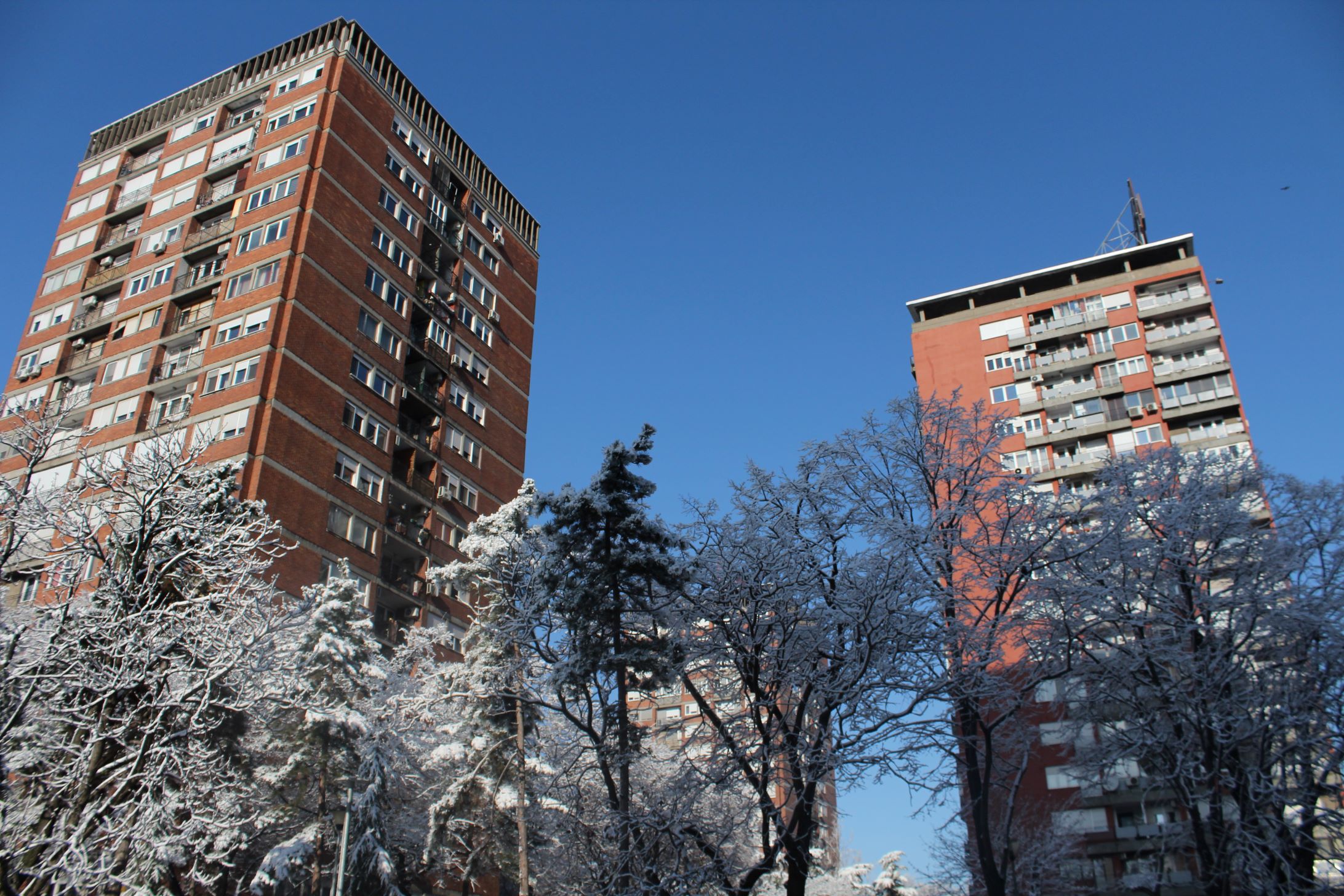
arh. Bogdan Ignjatović, Soliteri 1 i 3
On January 29, 2021, the Government of the Republic of Serbia declared the central zone of New Belgrade a cultural heritage site.