THE HISTORY
The story of Block 44, one of the last blocks built in New Belgrade during the Yugoslav era, reflects the political turbulence of the late 1980s.
In 1982, the area of today’s Block 44 was rezoned for residential use, as it had not originally been intended for housing. The residential part was built between 1984 and 1986, following the design by architect Miodrag Milašinović.
The commercial section was modified under this plan, and during the 1990s, a period of uneven and often improvised development began, shaping the block’s current appearance.
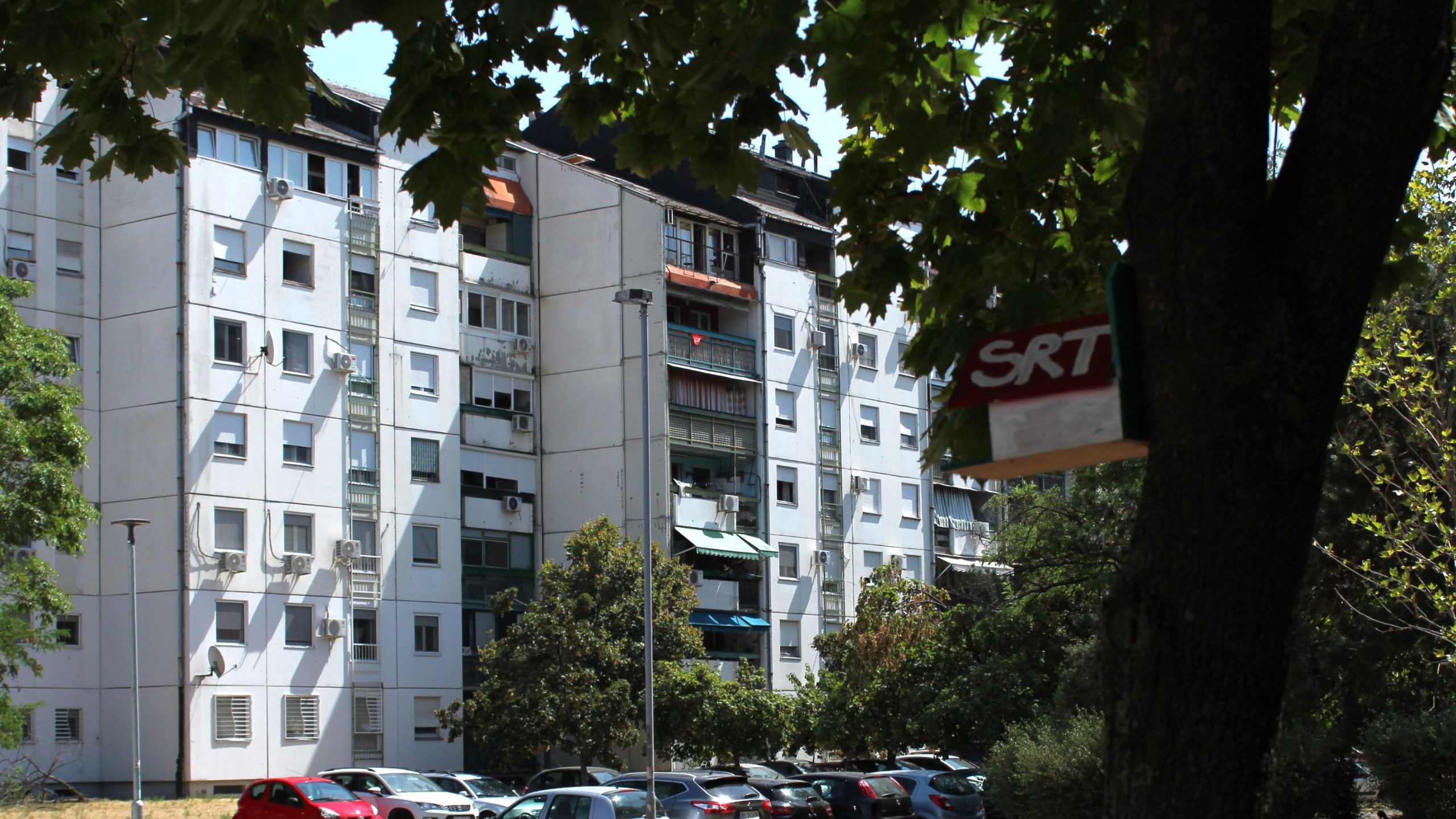
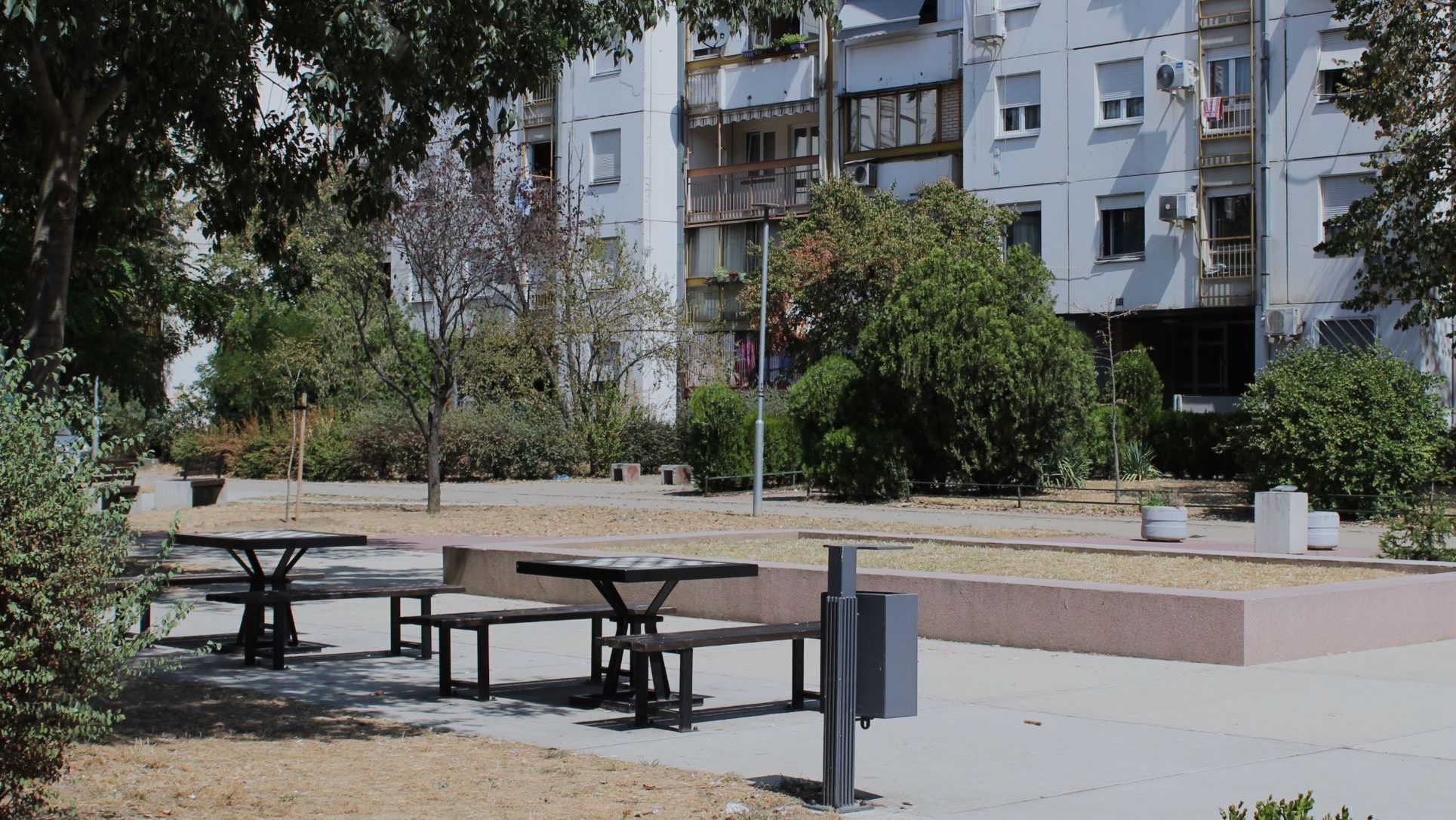
The block temporarily belonged to the same local community as Block 70 “Brotherhood and Unity” and was built with 12 residential buildings in a brutalist style.
The strip along the Sava quay was designated for sports and recreational facilities. In 2005, construction began on a 50,000 m² aqua park with 11 pools and 14 slides. Due to financial difficulties, work was halted the following year, briefly resumed in 2008, but the park was never completed. The latest update is that the structure was demolished in 2025.
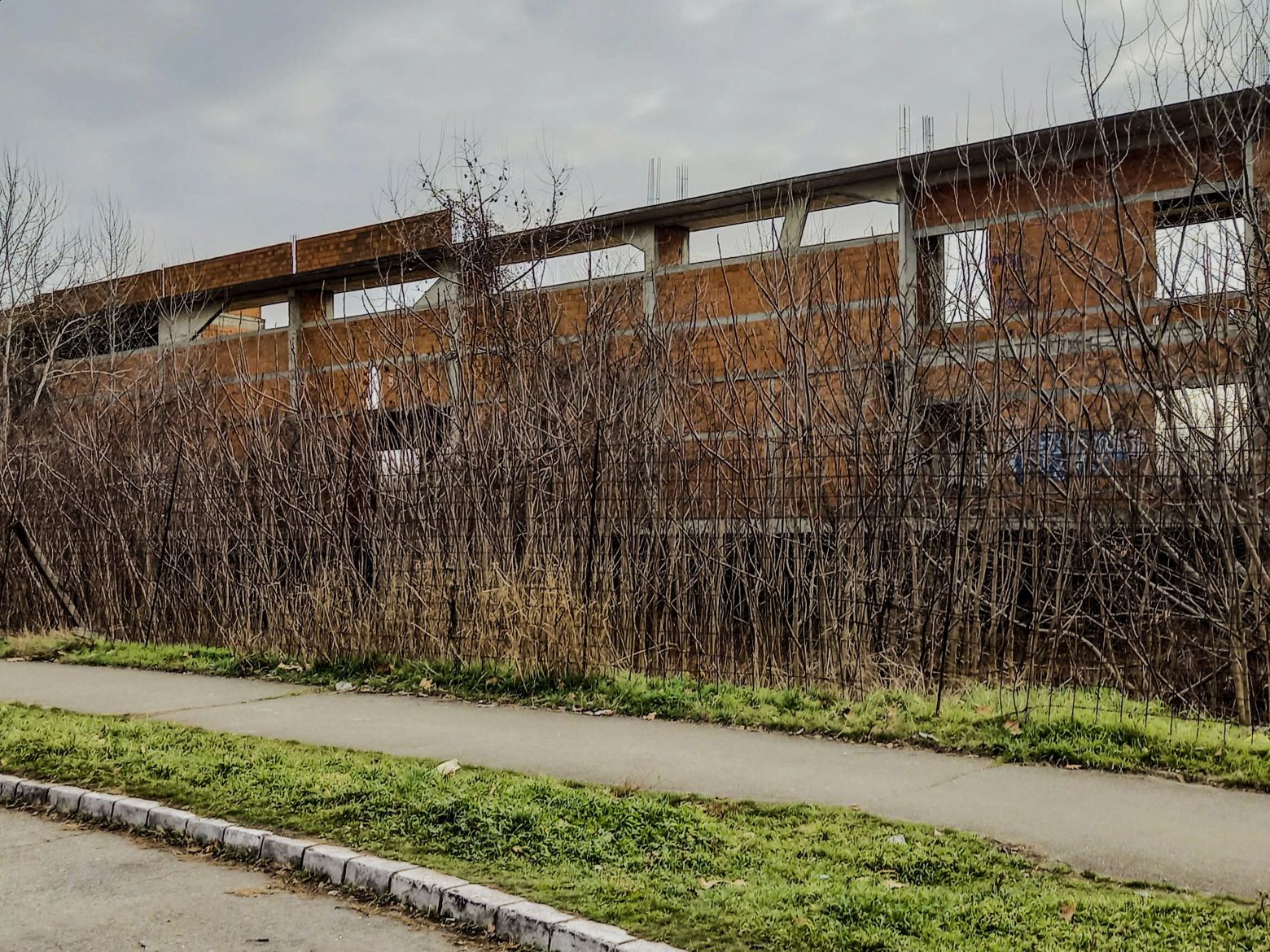
Sportsko rekreativni objekat u započetom stanju
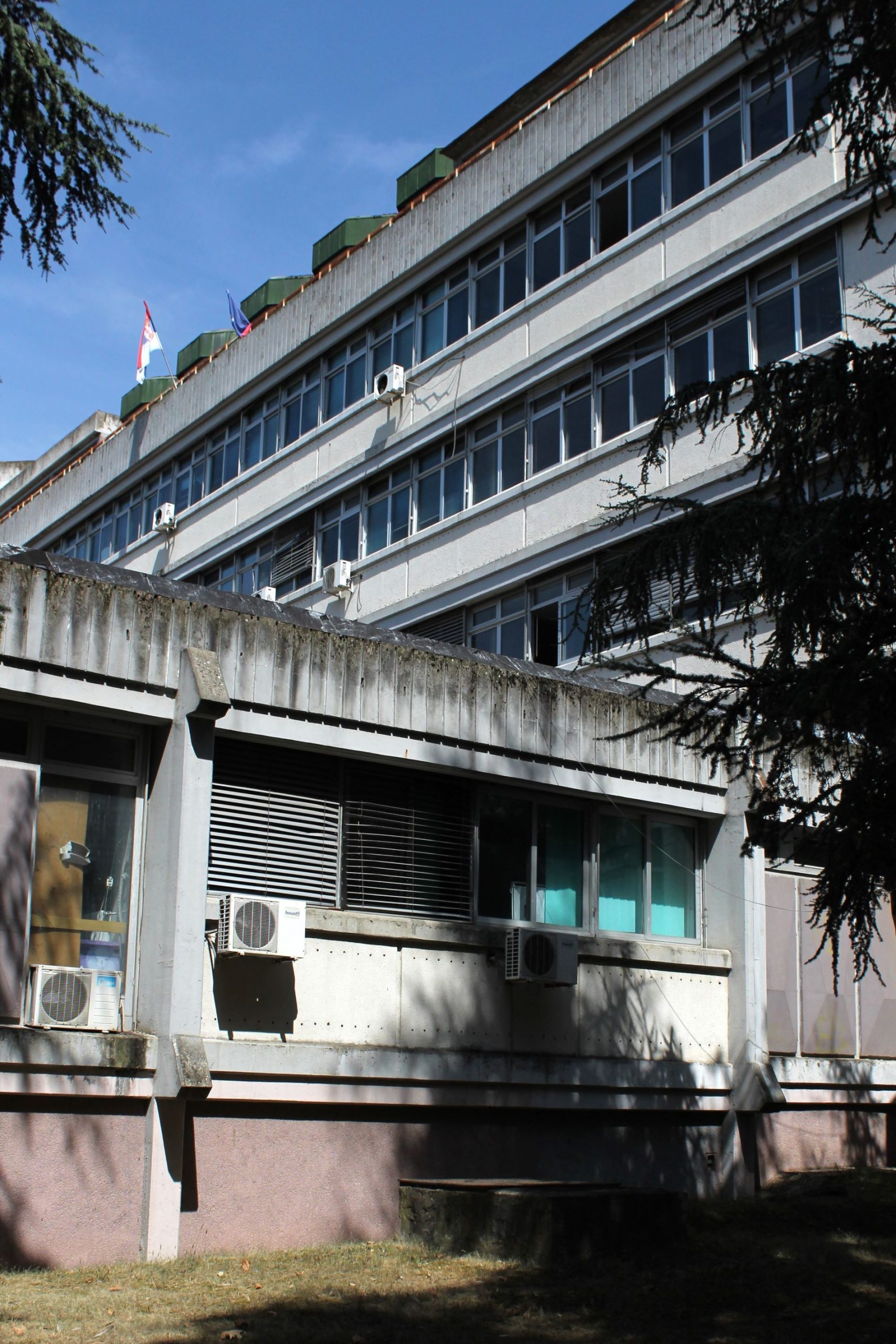
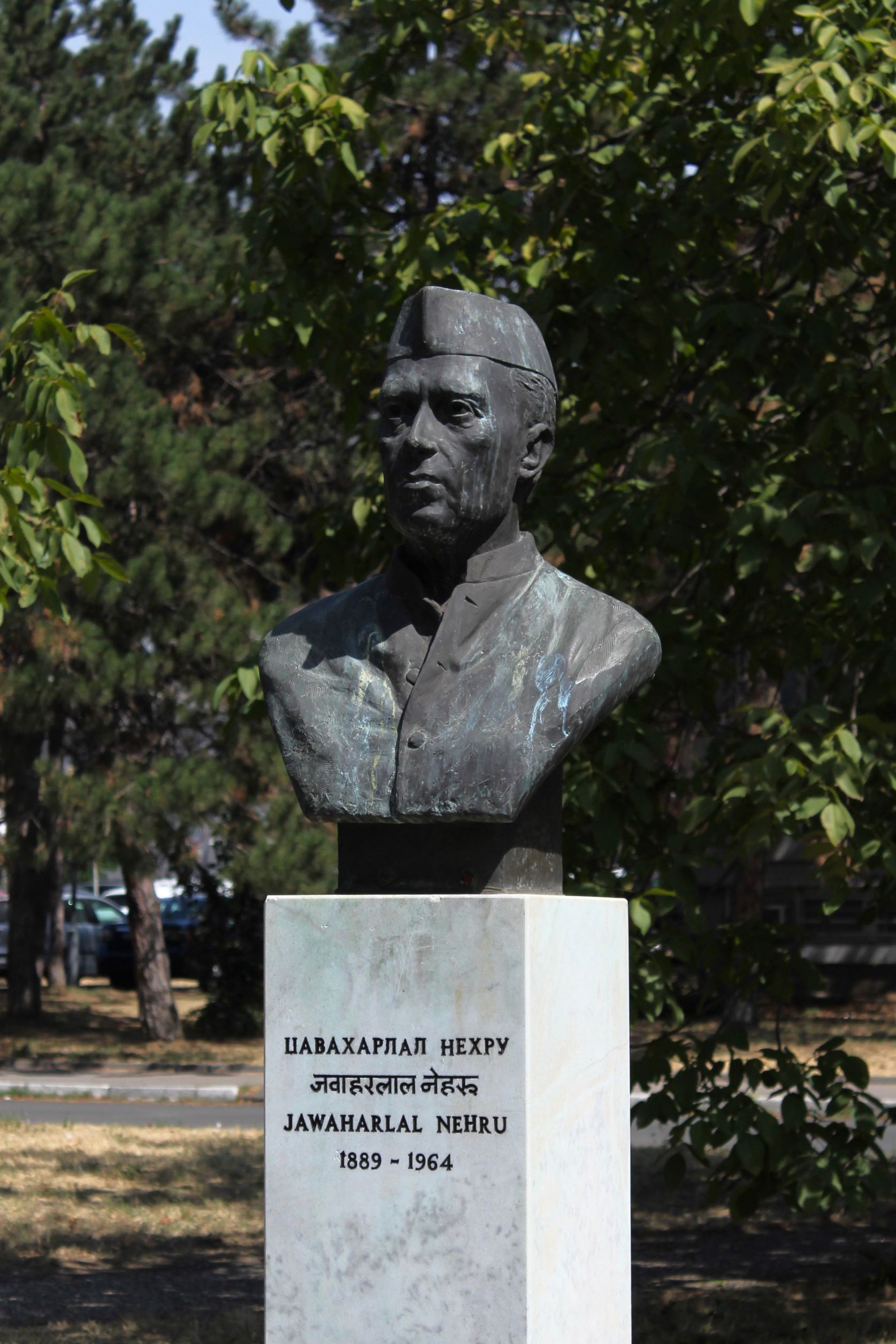
A bust of the Indian statesman Jawaharlal Nehru stands in front of the Health Center in Block 44. It was installed in the 1970s on the street that bears his name.
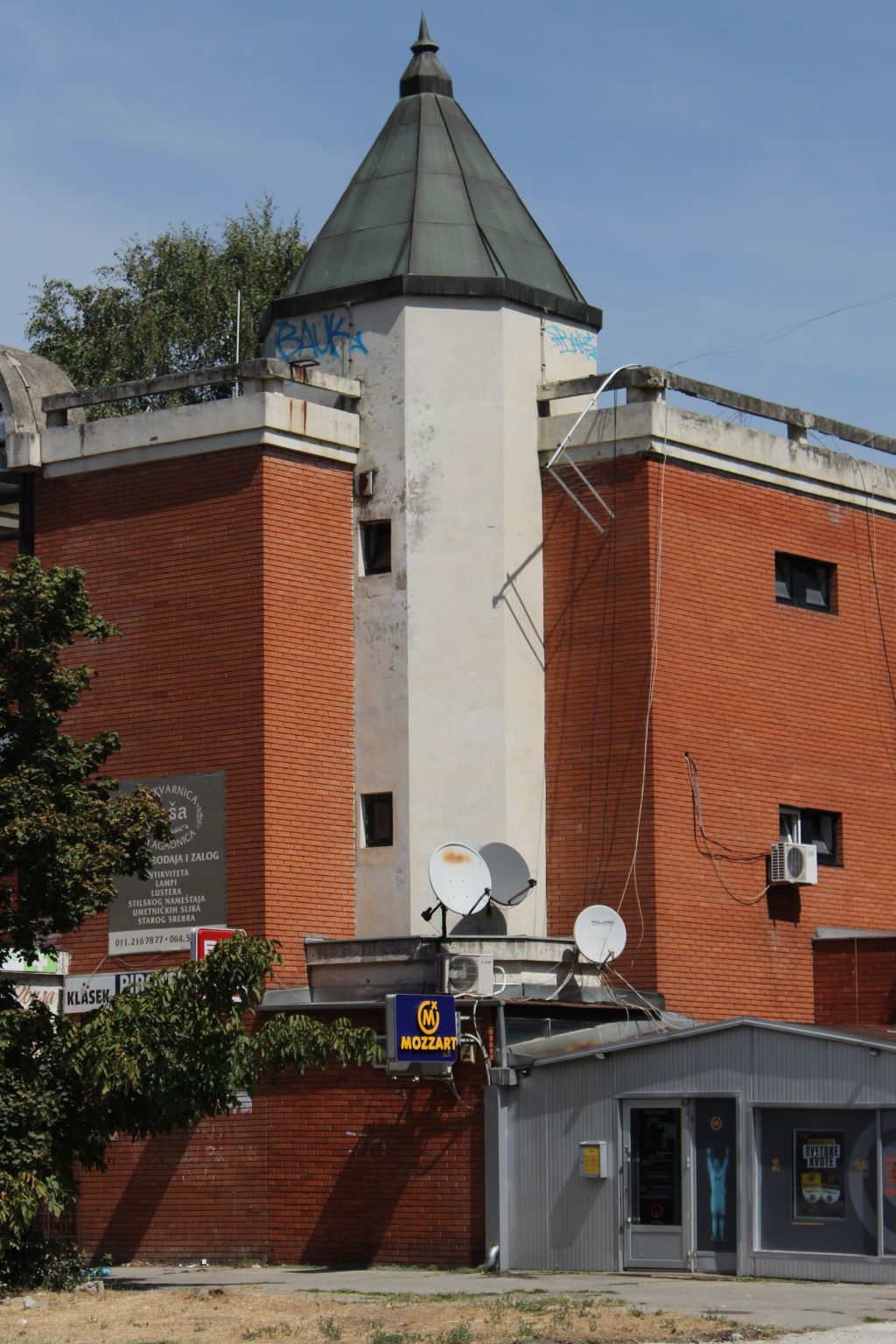
Komercijalni objekti

THE DESIGN
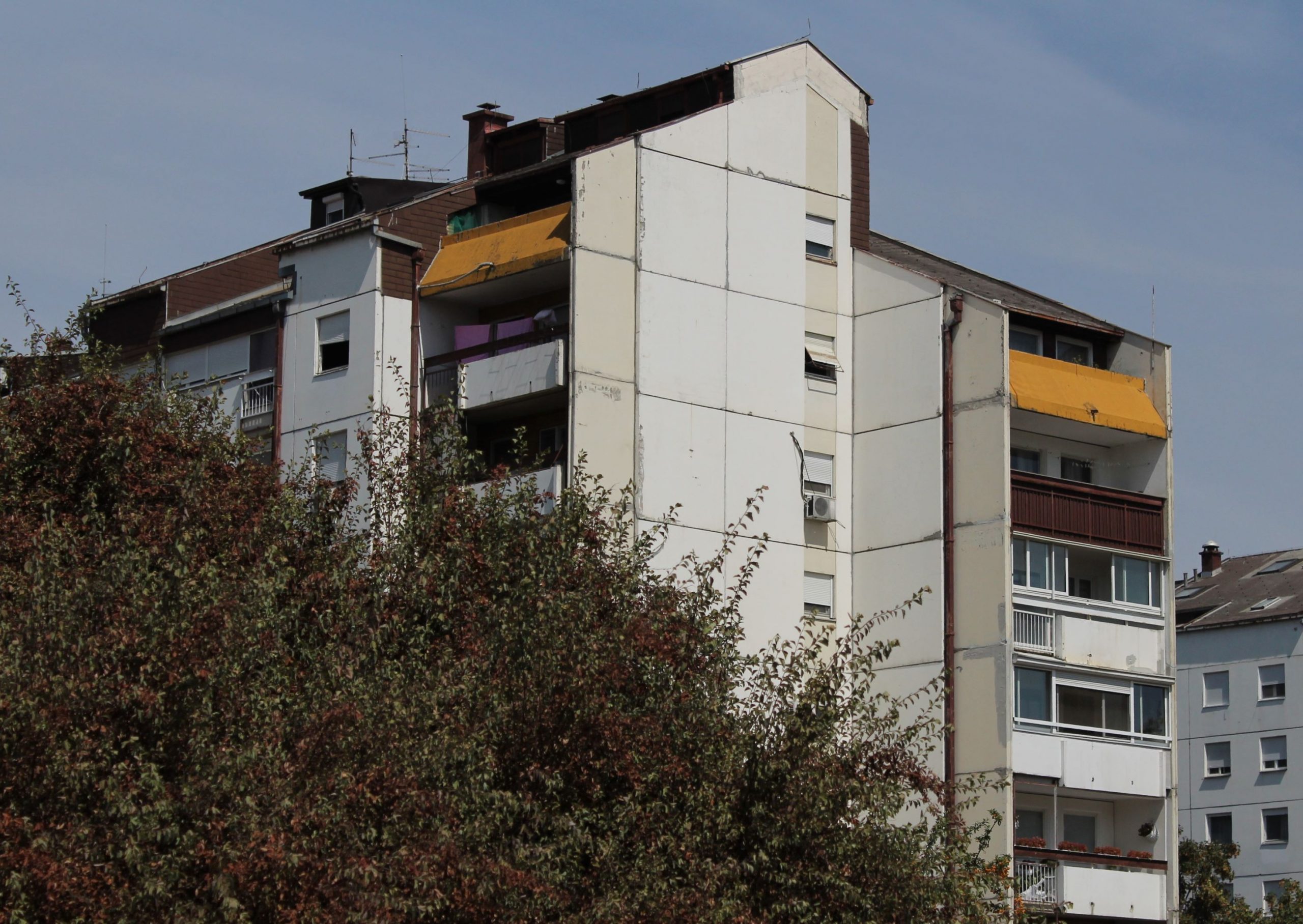
Block 44 was designed with 12 residential buildings in a brutalist style.
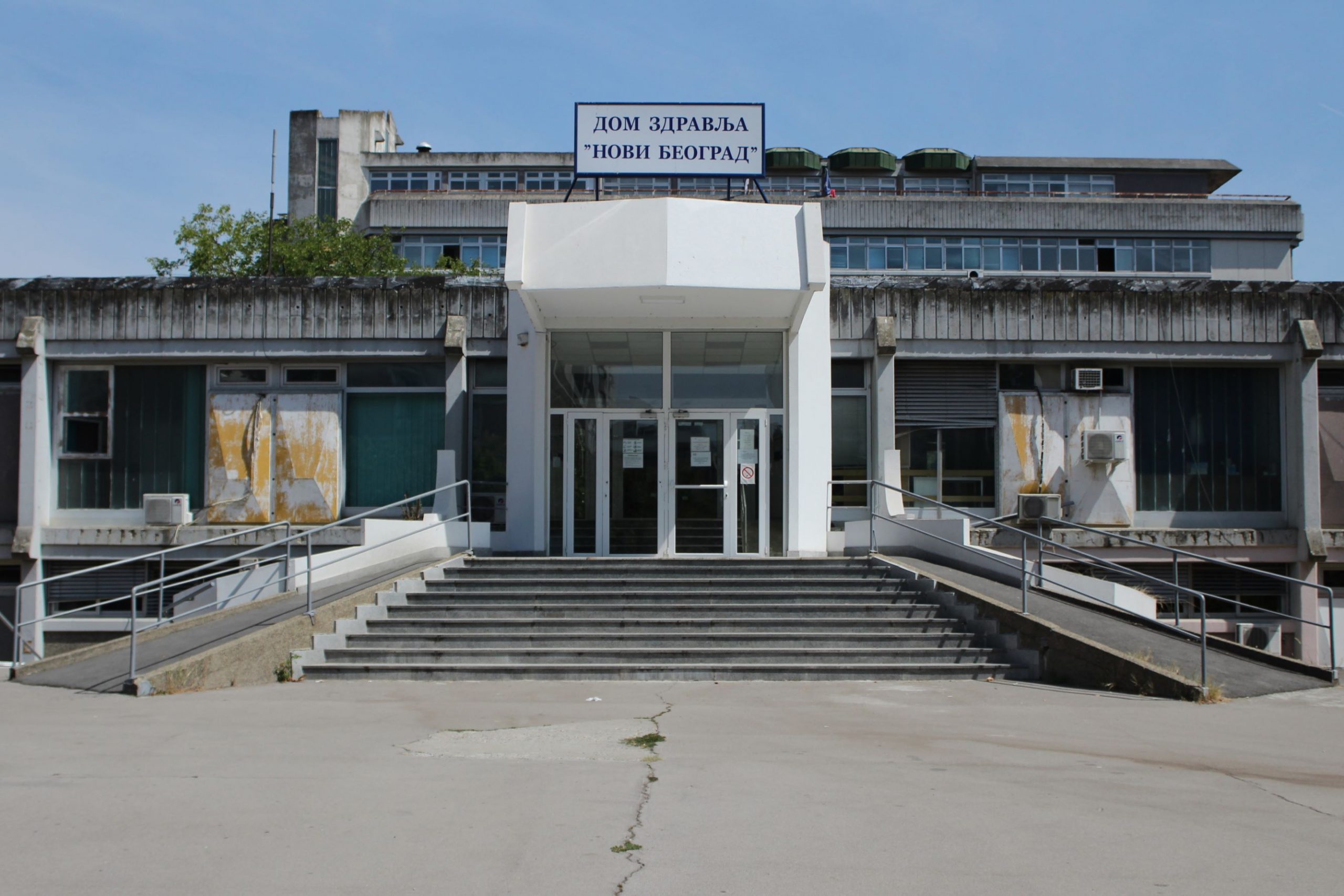
By the late 1970s, a market was built, and in 1979 a health center opened along Nehru Street. A kindergarten behind the health center and a high school in the central area along Gandijeva Street were planned, but these projects were never realized.
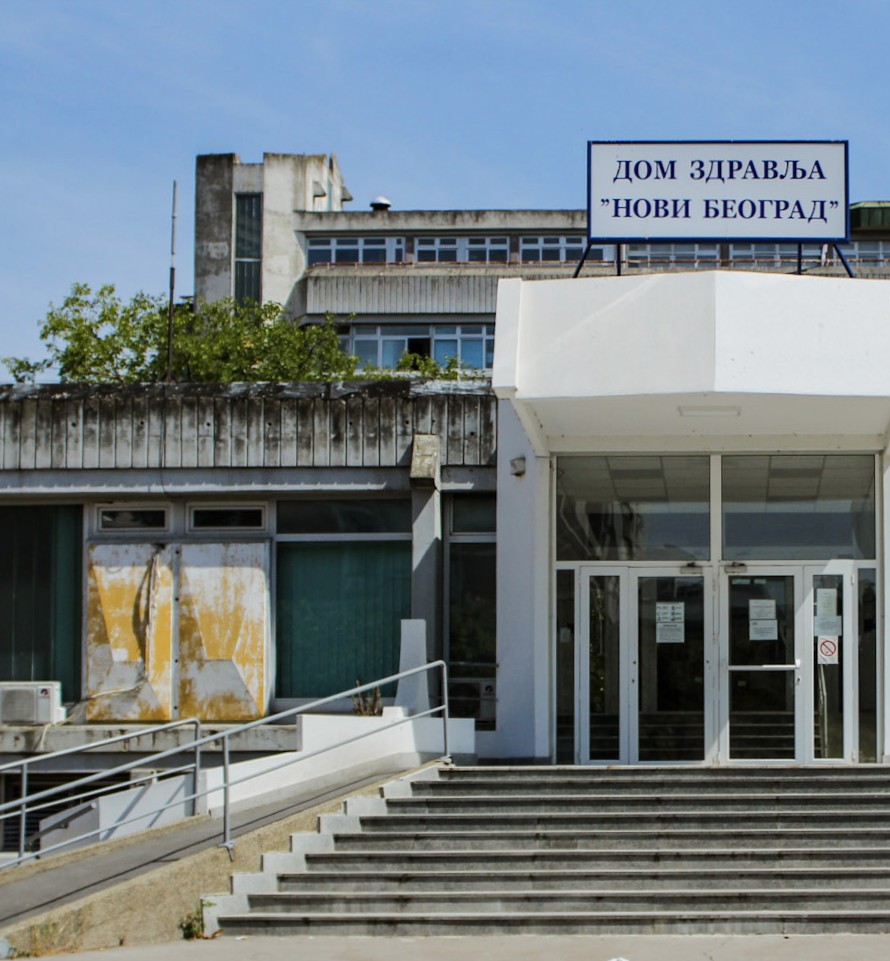
Block 44 followed the style of other New Belgrade blocks, but changes to the plans gave it a unique look. The original 12 buildings with attic spaces were later expanded into six-story structures.
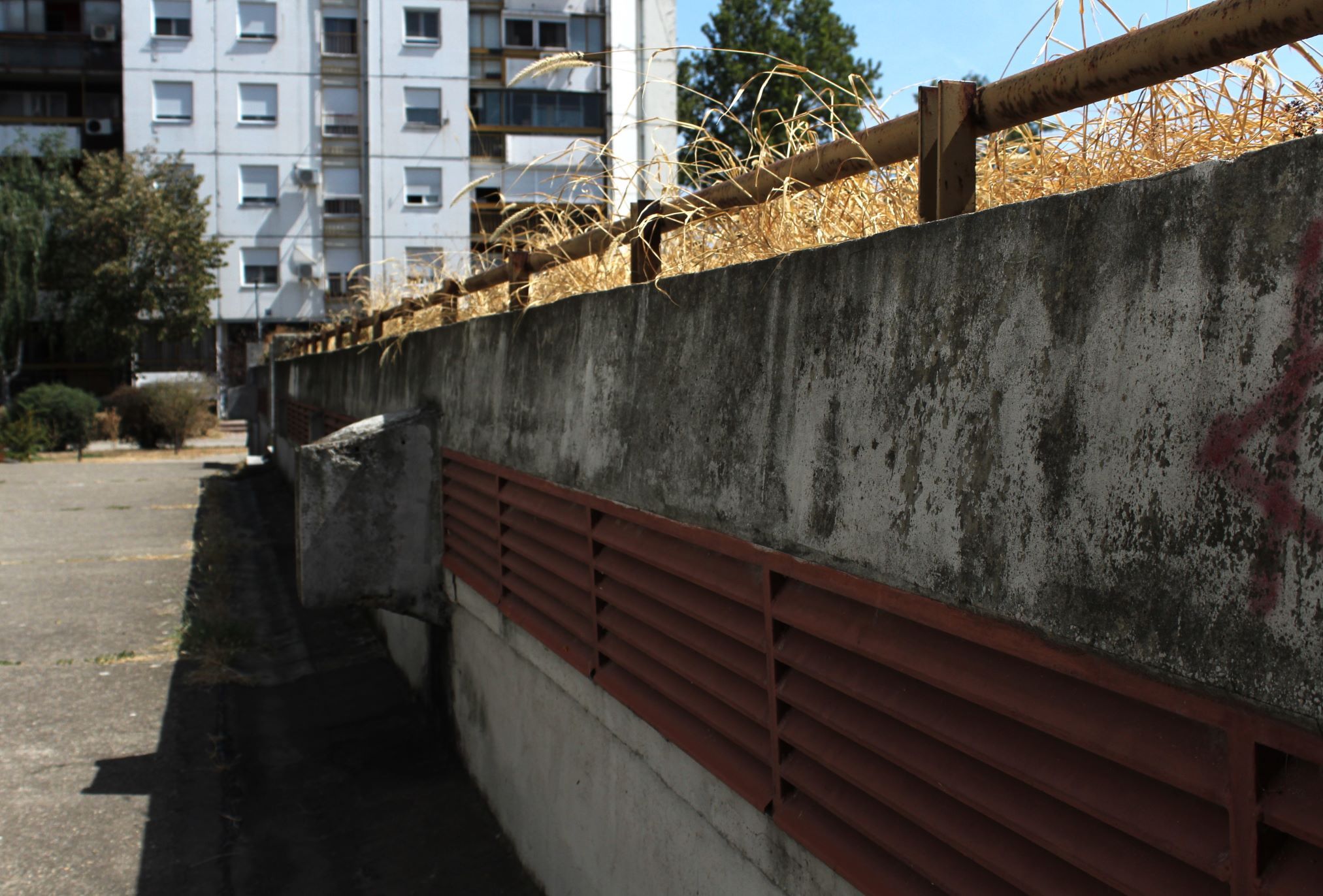
The social crisis of the late 1980s also left its mark in the lower quality of construction materials, resulting in more visible damage than in neighboring blocks.
During the 1990s, postmodern commercial buildings were constructed, and smaller unplanned structures further altered the block’s original concept. The Piramida shopping center, opened in 1994 with numerous shops, now serves as a central hub of daily life in the block.
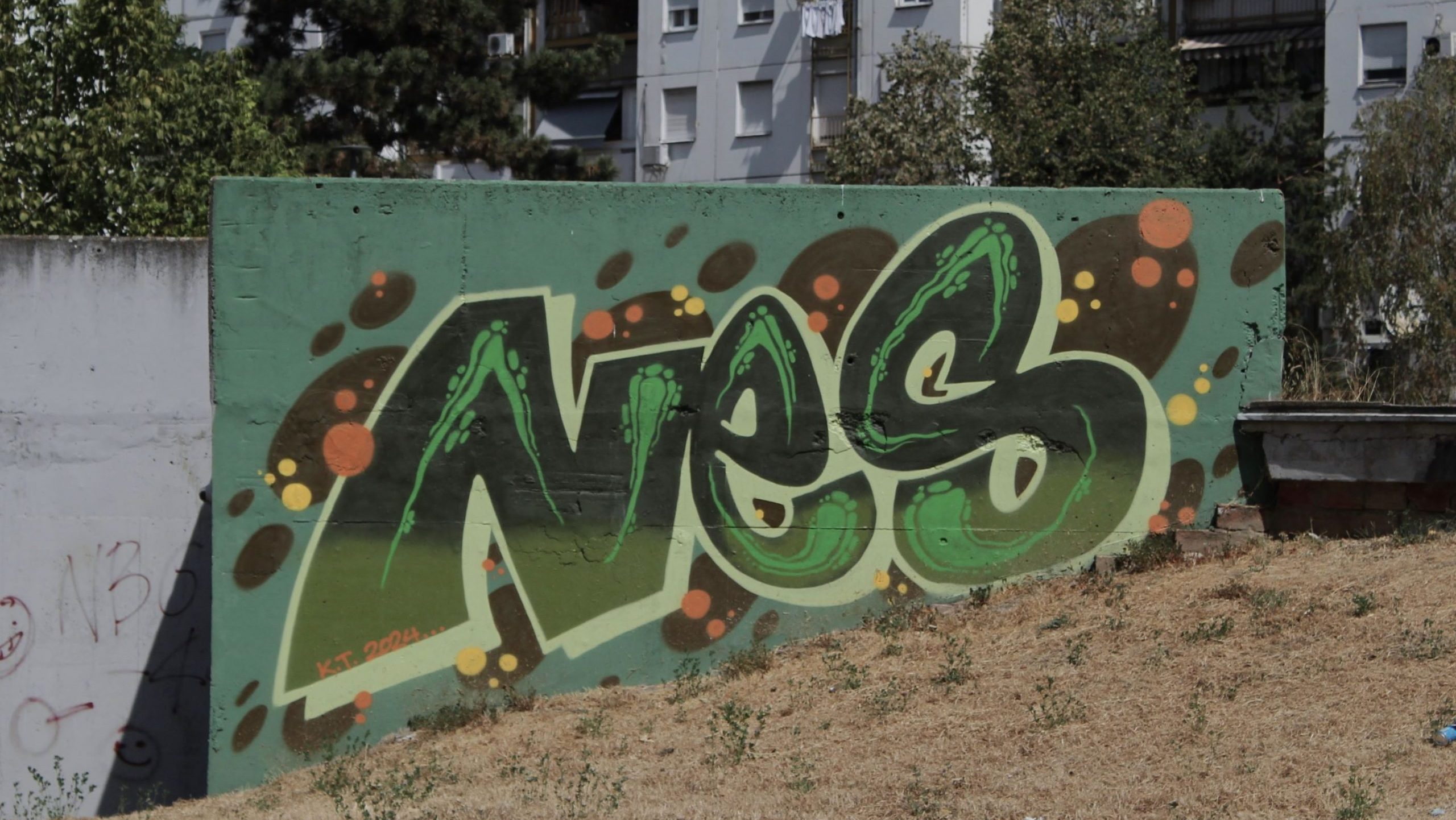
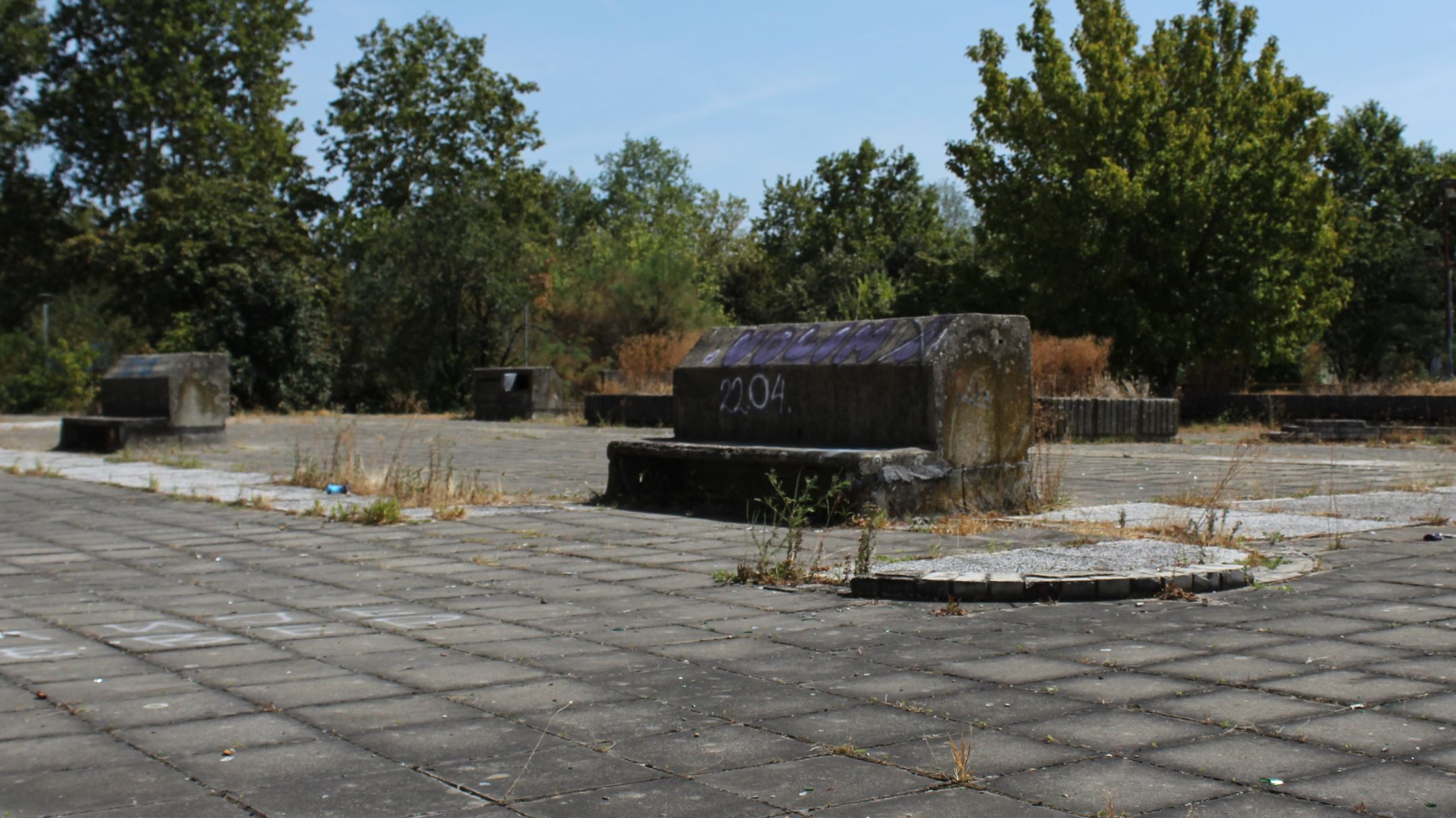
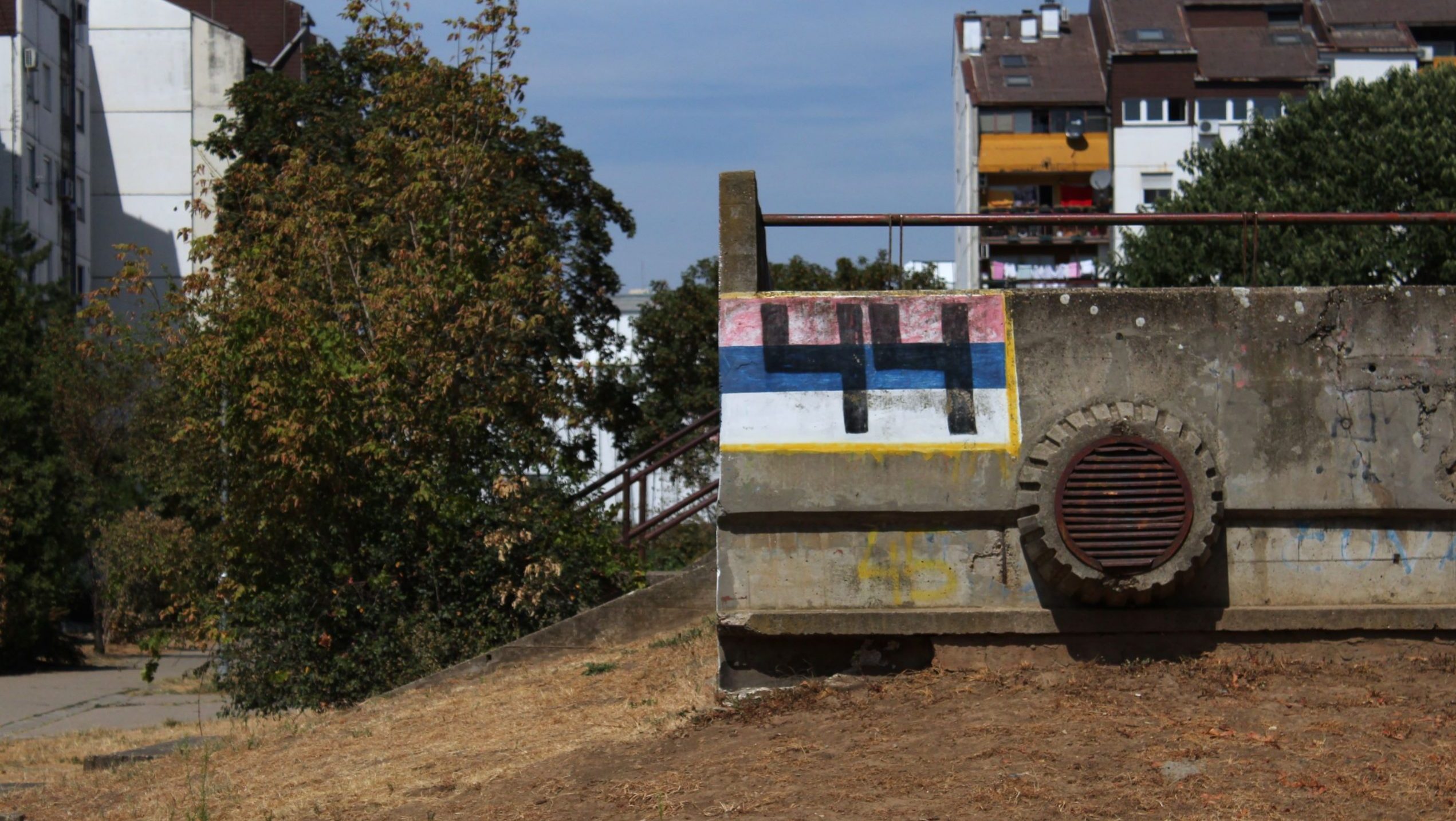
Today, Block 44 features numerous graffiti, contributing to its unique urban identity.