THE HISTORY
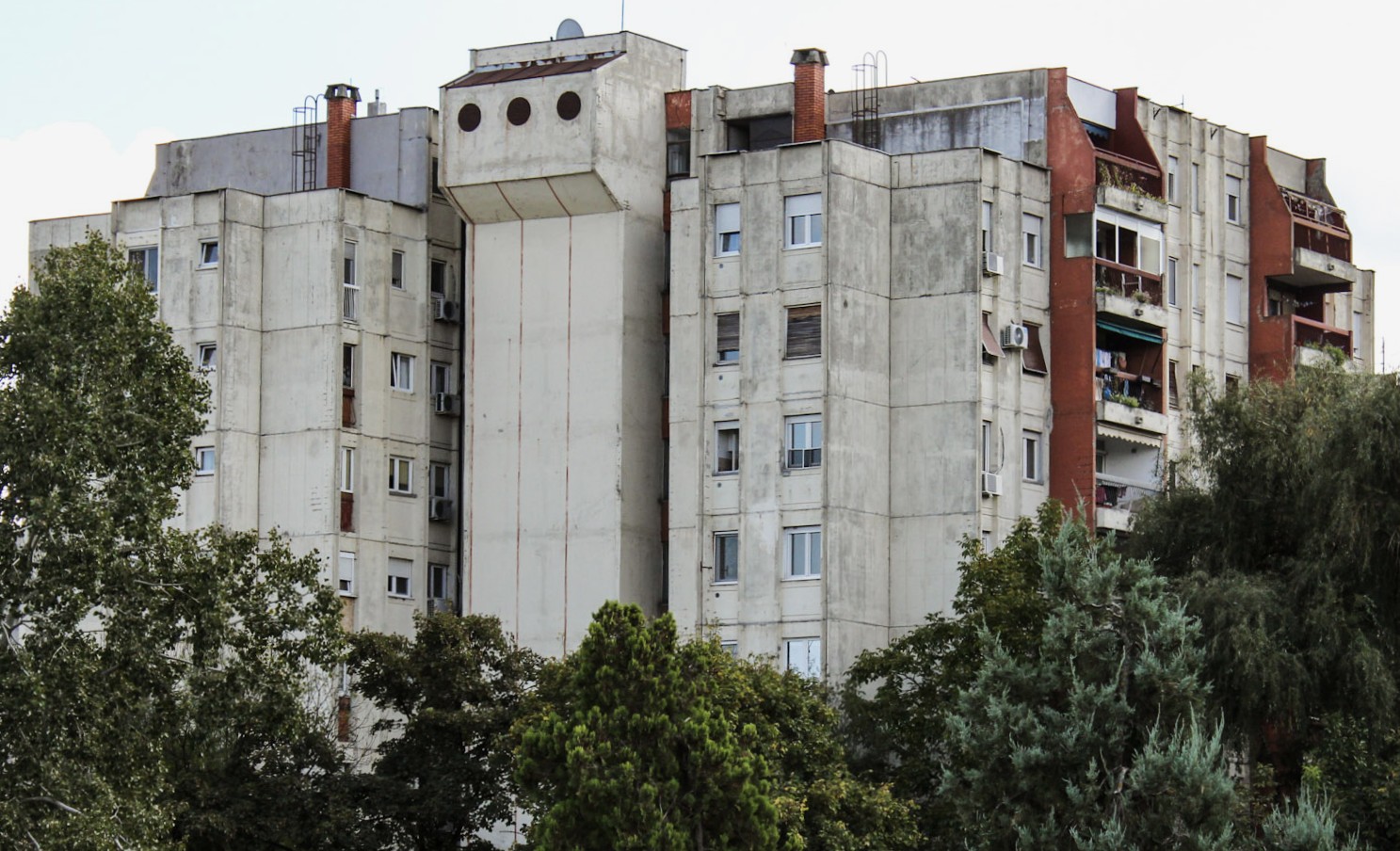
The original design of Block 70a was created by Božidar Janković, one of Serbia’s most notable brutalist architects, who was affectionately known among friends simply as Šmule.
The block was envisioned ambitiously: 36 residential buildings, each with two entrances. However, the plan was never fully completed, because kindergartens, schools, garages, and the local community center were never built. The existing commercial building in the center of the block was added later, giving Block 70a its slightly “unfinished” look.
The block was part of the local community named “Stevan Doronjski,” after a now largely forgotten Serbian politician who held a high-ranking position in socialist Yugoslavia and passed away a year before the community was officially established in 1982.
 Since 2017, there have been plans to revitalize Block 70, including the construction of a kindergarten, new residential buildings, and commercial spaces. Community initiatives have insisted that these plans align with the needs of residents and ecological standards, which has led to some work being paused until sustainable solutions can be found.

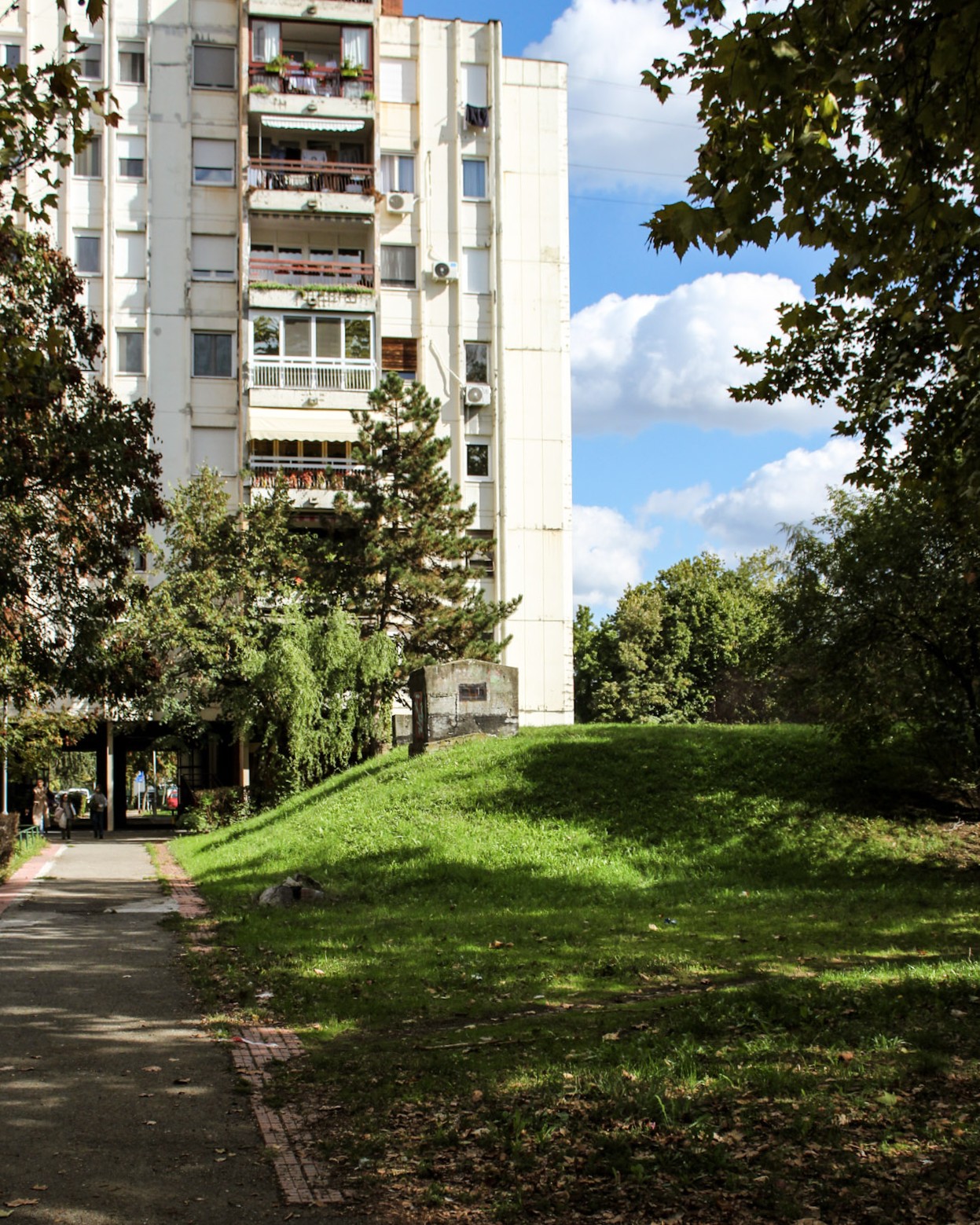
The Block 70a community also faces environmental challenges: being close to the “Novi Beograd” heating plant and other industrial sites makes green spaces even more important to reduce pollution and improve quality of life.
This engaged and socially aware community has organized protests against the gravel plant, pushed for more green areas, and actively worked to preserve the block, and showed just how vital civic activism can be.

THE DESIGN
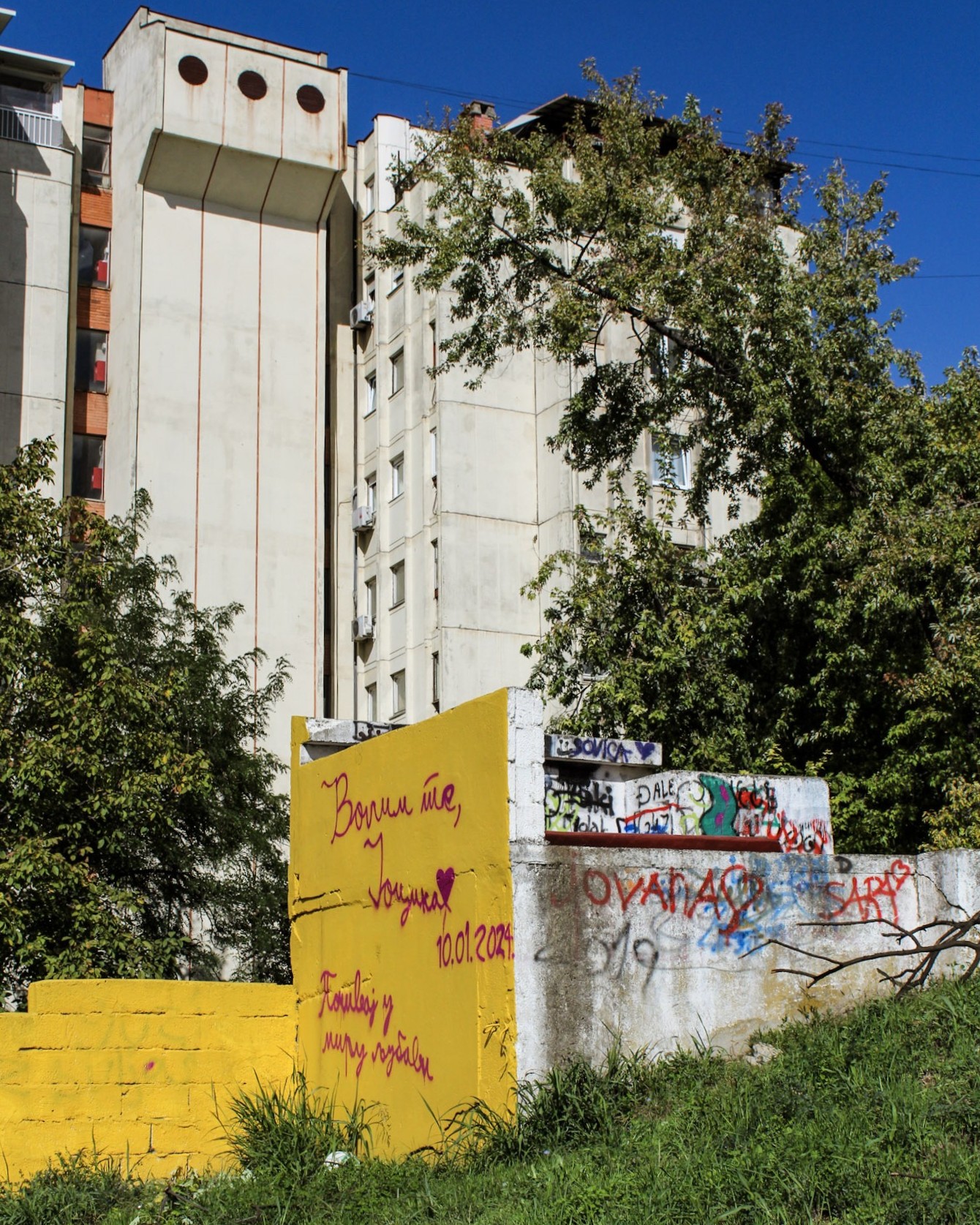
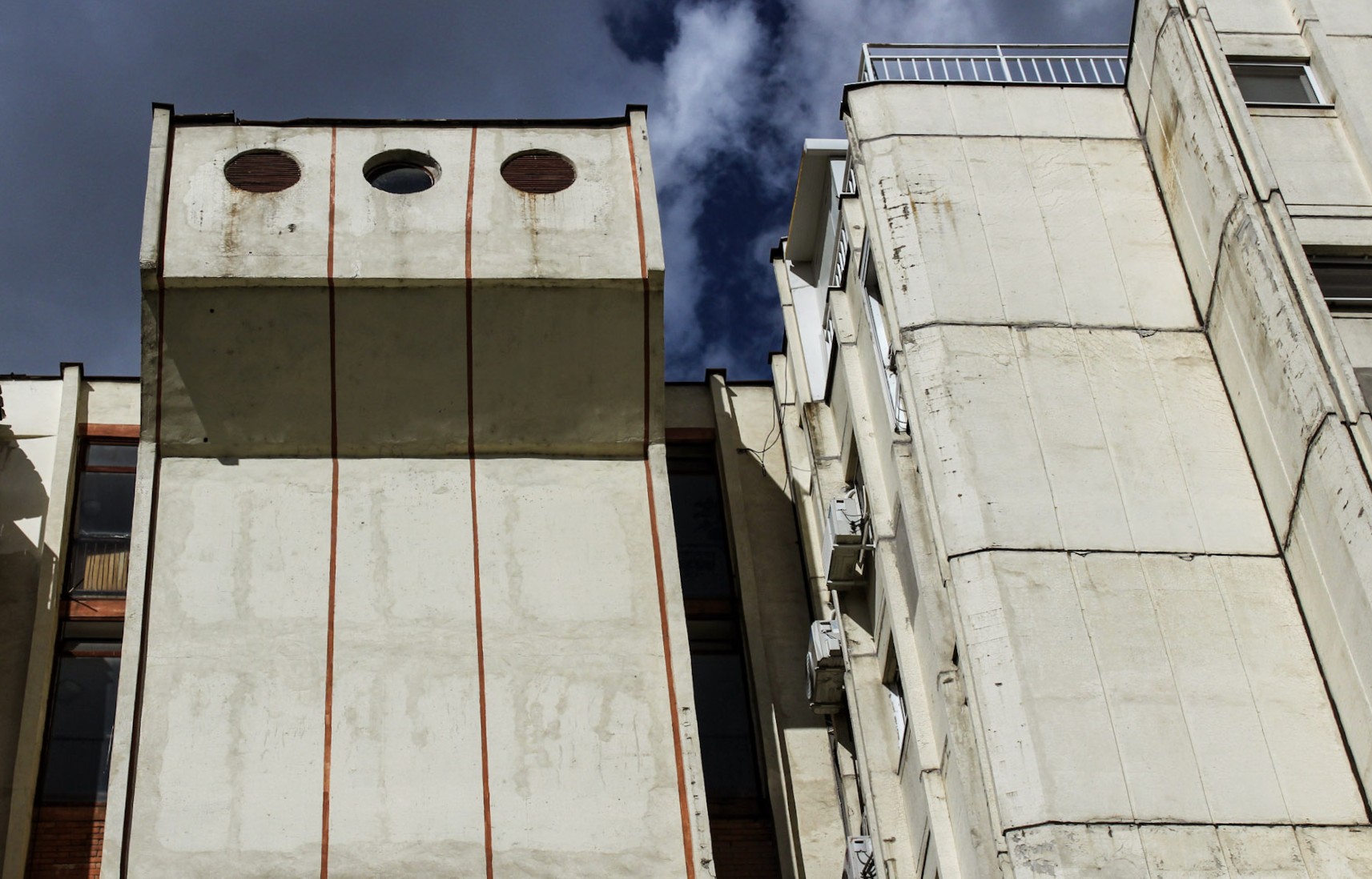
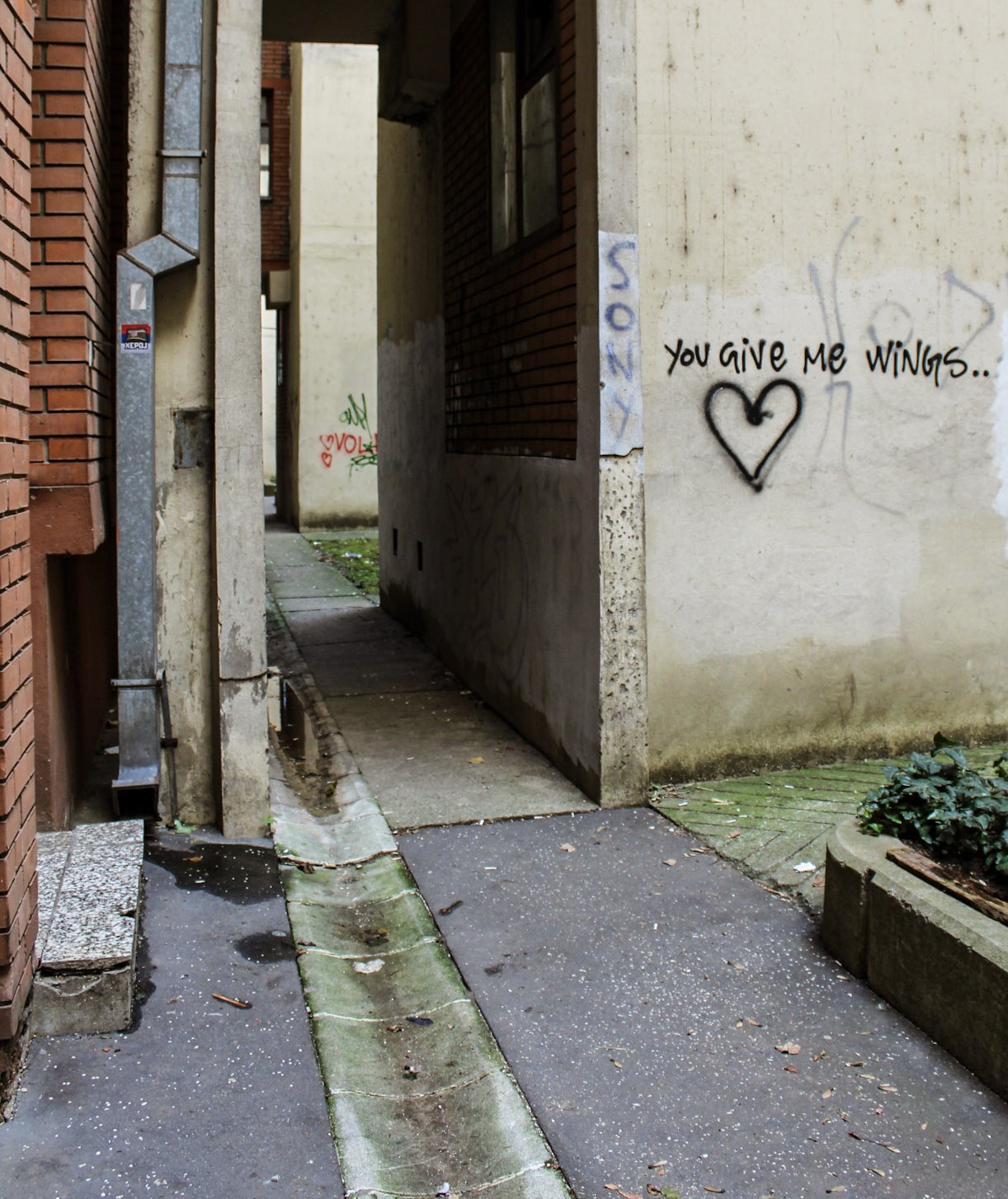
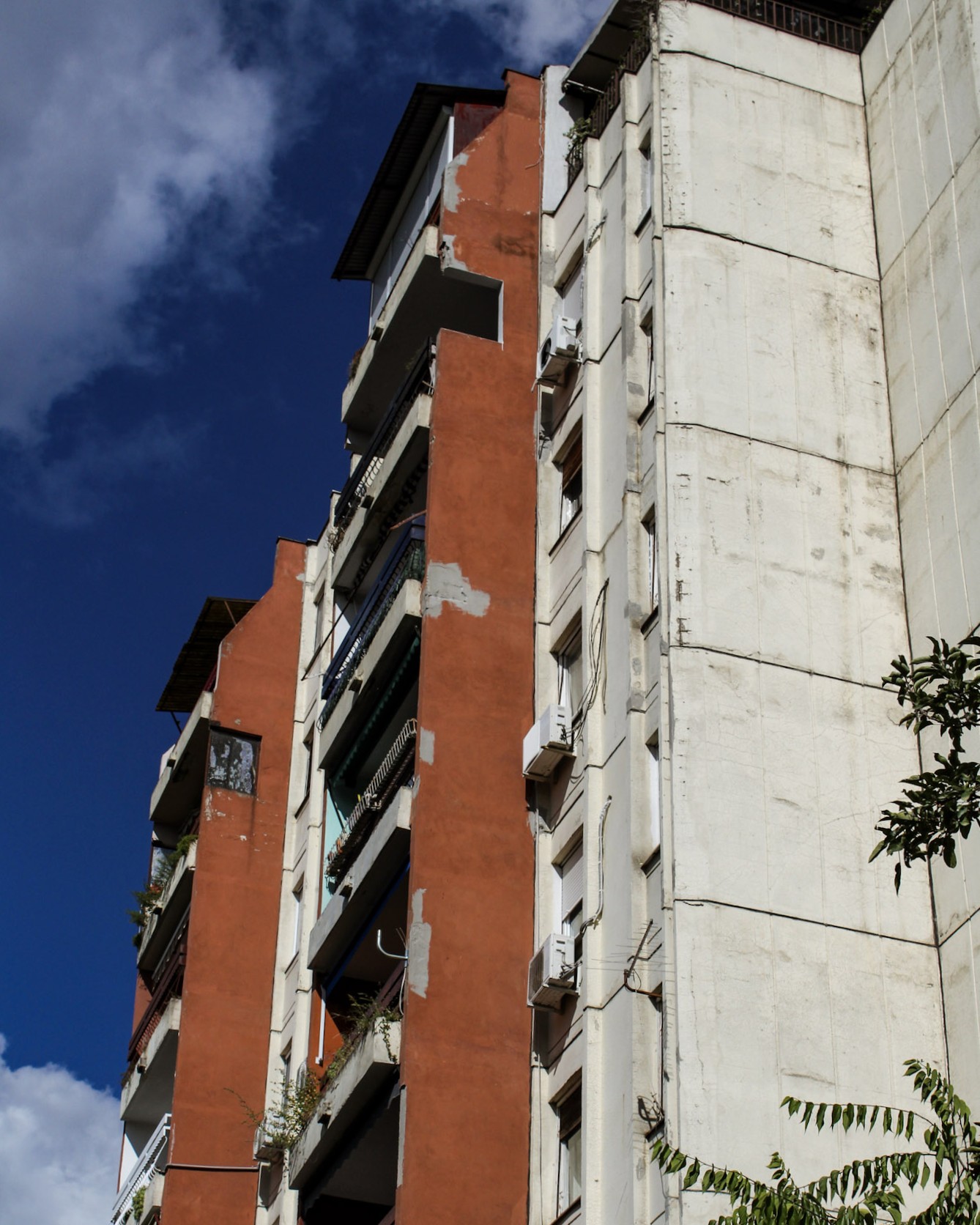
The block was built in the late Brutalist style. The original design planned a mix of different building types, but the final layout features uniform groups arranged in four- and three-part blocks. In the eastern part, a longer block was built, with a school originally planned in front of it.
All the buildings are eight stories high, with light-colored facades and colored details that enliven the appearance and give the space a visual rhythm.

The poor construction quality, missing parks, lack of garages, and messy traffic all show the effects of the 1980s crisis in socialist Yugoslavia. Although the original plan called for a dynamic block with plenty of green spaces, the wider economic and social problems left their mark on Block 70a’s final appearance.